Source Vitamin K3 for Feed, Food, and Pharmaceutical Uses
Compare 30 verified listings for Vitamin K3 from Chinese manufacturers. Buyers can evaluate specifications like purity, packaging, and certifications to find suitable feed additives and nutritional supplements for various industrial applications today; compare the available evidence and request quotations based on your requirements.
Key considerations
Products List




Comprehensive Sourcing Guide
Vitamin K3 Sourcing Guide
Procuring Vitamin K3 requires a clear understanding of its chemical forms and industrial applications, primarily within the animal feed sector. Buyers must distinguish between Menadione Nicotinamide Bisulfite (MNB) and pure Menadione, as their stability, solubility, and handling requirements differ significantly. MNB is often preferred for its water solubility and stability in premixes, while pure Vitamin K3 may require specific encapsulation or formulation techniques to prevent degradation. Understanding these distinctions is critical for selecting the right grade for your specific production line, ensuring that the additive performs effectively without compromising the integrity of the final feed product.
The market offers a range of purity levels and packaging options, which directly impact handling efficiency and storage costs. Suppliers typically provide products in 25kg drums or aluminum foil bags, designed to maintain stability in cool, dry places. Buyers should verify the specific assay percentages, as listings may indicate standards ranging from 43.9% for MNB to 99% for pure forms. This variation necessitates precise calculation of dosage rates, typically around 0.5mg per unit, to ensure nutritional adequacy. Aligning your procurement strategy with these technical realities helps avoid formulation errors and ensures consistent performance across batches.
Product Scope and Observed Listing Signals
Current market listings reveal a diverse array of Vitamin K3 products, including Vitamin K2 variants like MK4 and MK7, which buyers must carefully separate from core K3 offerings. Observed product names often include "pure feed grade Vitamin K3" and "Menadione Nicotinamide Bisulfite," indicating distinct chemical entities with different regulatory and functional profiles. The presence of models such as SENTIAN-Vitamin K3 and ECO-Vitamin K3 suggests multiple manufacturing sources, each with unique branding and specification sheets. Buyers should scrutinize product titles to ensure they are sourcing the correct isomer or salt form, as confusion between K2 and K3 can lead to significant formulation errors and regulatory non-compliance.
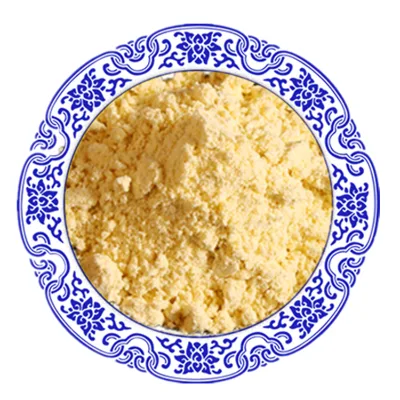
Listing signals also highlight variations in physical appearance and packaging, which serve as initial quality indicators. Products are described as white to yellowish powder or yellow powder, with packaging ranging from 1kg bags to 25kg drums. Some listings specify a single gross weight of 1.500 kg for smaller packages, while others note net weights of 25kg per carton. These details are essential for logistics planning and inventory management. Buyers should use these observed attributes to verify that the supplier’s standard packaging aligns with their warehouse capabilities and handling equipment, ensuring smooth operations from receipt to storage.
Technical Specifications to Verify
Verification of assay purity is the most critical technical step in sourcing Vitamin K3, as specifications vary widely across suppliers. Buyers must confirm whether the product meets a 99% standard for pure Menadione or a 43.9% standard for Menadione Nicotinamide Bisulfite. The test method is typically HPLC or HPLC UV, which provides accurate quantification of the active ingredient. It is essential to request recent test certificates that match the specific batch being ordered, as purity levels can fluctuate. Relying on generic specifications without batch-specific verification can lead to inconsistent nutritional outcomes in feed formulations, affecting animal health and productivity.
Physical properties and storage requirements also demand careful attention to ensure product stability throughout the supply chain. The product should be stored in a cool, dry place to prevent degradation, with a shelf life typically ranging from 24 months to two years. Buyers should verify the molecular weight, often cited around 618.93 for certain complexes, and confirm the shape is consistent powder. Additionally, checking the CAS number, such as 73581-79-0, helps authenticate the chemical identity. Ensuring that the supplier’s technical data sheet aligns with these parameters is vital for maintaining quality control and preventing contamination or spoilage during transit and storage.
Compliance and Safety Documentation
Compliance with international and regional standards is non-negotiable for Vitamin K3 procurement, particularly given its use in food and feed chains. Buyers should verify that suppliers hold relevant certifications such as ISO, QS, Fami-QS, and ISO9001, which indicate adherence to quality management systems. These certifications are crucial for ensuring that the manufacturing process meets rigorous safety and hygiene requirements. Additionally, confirming that the product is designated as Food Grade or Feed Grade is essential, as this classification dictates the allowable impurities and safety thresholds. Without proper documentation, buyers risk sourcing materials that may not meet regulatory requirements in their target markets.
Safety data sheets and certificate of analysis documents must be reviewed to ensure full transparency regarding product composition and handling. Buyers should request detailed certificates that outline the exact assay, heavy metal limits, and microbial counts. The presence of a Fami-QS certificate, for instance, signals compliance with food safety management systems, which is particularly important for suppliers targeting the feed industry. It is also advisable to verify the origin of the product, with many listings indicating origins in Shanxi or Shaanxi, China. Ensuring that all documentation is up-to-date and matches the product batch helps mitigate legal and reputational risks associated with non-compliant materials.
Cost Drivers and Commercial Terms
Cost structures for Vitamin K3 are influenced by purity levels, packaging formats, and order volumes, requiring buyers to analyze total landed costs rather than just unit prices. Observed minimum order quantities (MOQs) range from 1kg for samples to 5000kg for bulk orders, with some suppliers setting MOQs at 100kg for specific grades. Buyers should negotiate terms that align with their consumption rates, considering that smaller MOQs may incur higher per-unit costs. Additionally, the availability of samples, often 10g, allows for preliminary testing before committing to large orders, which can save costs associated with ineffective bulk purchases. Understanding these commercial levers helps in optimizing inventory levels and cash flow.
Transportation and packaging costs also play a significant role in the overall procurement budget. Products are typically shipped in 1kg bags or 25kg drums, with single package sizes around 15x20x30 cm for smaller units. Buyers should evaluate the efficiency of these packaging dimensions for container loading, as optimized packing can reduce freight costs. Furthermore, the shelf life of 24 months provides flexibility in ordering, but buyers must balance this with storage capacity and turnover rates. By carefully assessing these commercial terms, buyers can identify suppliers who offer the best value proposition, considering both price and logistical efficiency, to achieve sustainable procurement outcomes.
Supplier Qualification and Quality Control
Supplier qualification involves a thorough assessment of manufacturing capabilities and quality control processes to ensure consistent product supply. Buyers should verify the supplier’s production capacity and history, particularly for companies specializing in chemosynthesis resources. The ability to provide consistent batches with verified HPLC test results is a key indicator of reliability. Additionally, checking the supplier’s response to sample requests can reveal their professionalism and attention to detail. Suppliers who provide comprehensive technical support and transparent communication are more likely to deliver high-quality products that meet specific formulation requirements, reducing the risk of supply chain disruptions.
Quality control measures should extend beyond initial certification to include ongoing batch verification and audit capabilities. Buyers should establish clear protocols for receiving inspections, including visual checks for appearance consistency and laboratory testing for assay verification. The ability to trace the product back to its origin, such as Shanxi or Shaanxi, adds an layer of accountability. It is also advisable to conduct periodic audits or request third-party testing reports to ensure that the supplier maintains their stated standards over time. By implementing robust quality control procedures, buyers can safeguard their production processes against variability and ensure that the Vitamin K3 additive performs as expected in final applications.
Long-Term Procurement Checks
Long-term procurement success depends on continuous monitoring of supplier performance and market dynamics to adapt to changing conditions. Buyers should regularly review supplier certifications and update their compliance records to ensure ongoing adherence to regulatory standards. Tracking changes in product specifications, such as shifts in purity levels or packaging formats, helps in adjusting formulation strategies accordingly. Additionally, maintaining open communication with suppliers regarding market trends and supply chain challenges can provide early warnings of potential disruptions. By staying informed and proactive, buyers can mitigate risks and maintain a stable supply of high-quality Vitamin K3 for their operations.
Strategic relationship management with suppliers is also crucial for securing favorable terms and priority access during periods of high demand. Buyers should consider developing long-term contracts that lock in pricing and supply volumes, providing stability for budgeting and planning purposes. Regular performance reviews, based on metrics such as delivery times, product quality, and responsiveness, help in identifying areas for improvement. Furthermore, exploring alternative sources for Vitamin K3 and related additives can enhance supply chain resilience. By fostering collaborative partnerships and maintaining rigorous oversight, buyers can ensure a reliable and cost-effective supply of Vitamin K3, supporting their long-term business objectives.
FAQs
What is the standard purity for Vitamin K3 products?
The standard purity for Vitamin K3 products is typically 99 percent. Some variants like Menadione Nicotinamide Bisulfite have a purity of 43.9 percent. These specifications are verified using HPLC test methods to ensure quality and consistency for industrial applications.
Can I order samples before purchasing bulk quantities?
Yes, samples are available for most Vitamin K3 products. A standard sample size is 10 grams for testing purposes. This allows buyers to verify the powder appearance and quality before committing to larger orders that may start at one kilogram minimum.
Which certifications do Vitamin K3 manufacturers hold?
Manufacturers often hold ISO, QS, and Fami-QS certifications. These credentials ensure the products meet international safety and quality standards. Specific certificates like ISO9001 are also common, providing assurance for food grade and feed additive applications in various global markets.
How is Vitamin K3 packaged for international transport?
Vitamin K3 is commonly packaged in drums or aluminum foil bags. Standard shipping units include 25 kilograms per drum or 1 kilogram per bag. This packaging ensures the powder remains stable during transit when stored in cool, dry places.
What is the minimum order quantity for Vitamin K3?
The minimum order quantity varies by supplier and product type. Some listings accept orders as low as one kilogram, while others require 100 kilograms. Buyers should check specific product pages to confirm the exact MOQ before placing an order.
Where are Vitamin K3 products typically manufactured?
Vitamin K3 products are primarily manufactured in China, specifically in regions like Shanxi and Shaanxi. These locations serve as key production hubs for chemosynthesized vitamins. Buyers can expect origin details to be clearly stated on product specifications.
What is the shelf life of Vitamin K3 powder?
The shelf life of Vitamin K3 powder is generally two years or 24 months. Proper storage in a cool, dry place is essential to maintain this duration. This ensures the product remains effective for use as a vitamin additive in feed or food.