Source Wall Mounted Irregular Vanity Mirror for Home, Hotel, and Salon
Find and compare 30 Wall Mounted Irregular Vanity Mirror options featuring single or double-sided designs with waterproof and lighted functions. Evaluate variations in frame materials like glass or stainless steel, color temperatures, and custom sizes to match your specific bathroom or hotel project requirements.
Key considerations
Products List


Modern Shaped Toilet Bathroom Mirror Irregular Wall Mounted Vanity Mirror
$65.31 - $68.91
MOQ: 50 Pieces


Wall Mounted Bathroom Vanity with Basin and Mirror Cabinet Storage Bathroom Cabinet
$39.00 - $89.00
MOQ: 30 Pieces


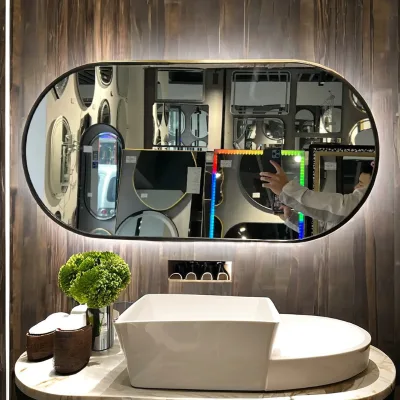


Modern Wall Mounted Bathroom Mirror Cbinet Furniture Ceramic Basin Vanity
$65.00 - $189.00
MOQ: 1 Pieces
Comprehensive Sourcing Guide
Wall Mounted Irregular Vanity Mirror Sourcing Guide
The market for wall-mounted irregular vanity mirrors presents a diverse array of options where form and function intersect, particularly for buyers seeking unique aesthetic statements for residential or commercial spaces. Unlike standard rectangular units, these products often feature non-uniform geometries that require careful evaluation of structural integrity and mounting hardware. The observed product landscape includes variations ranging from simple, single-sided designs to more complex double-sided configurations, with finishes that span from silver and chrome to gold, allowing for customization to match specific interior design themes.
Buyers must navigate a supply chain where customization is a primary driver, with many suppliers offering tailored dimensions and shapes to meet specific project requirements. The observed listings indicate that while some units are available in standard sizes, the majority of the market for irregular shapes leans heavily toward bespoke manufacturing. This flexibility extends to functional attributes, with many models integrating lighting systems and waterproof capabilities, making them suitable for high-moisture environments like bathrooms and hotel suites where durability and visual appeal are equally critical.
Product Scope and Observed Listing Signals
When evaluating product listings, buyers should distinguish between single-sided and double-sided configurations, as this fundamental difference dictates the intended application and mounting complexity. The observed data reveals a split in the market where some units are designed for standard wall mounting with a single reflective surface, while others offer dual-sided utility, often incorporating magnification features ranging from 1X to 5X for detailed grooming tasks. Understanding this distinction is vital for procurement, as double-sided units typically command different pricing structures and may require more robust installation hardware to support the additional weight and balance.
The aesthetic scope of these mirrors is broad, encompassing styles from simple and modern to those with specialized finishes like silver, chrome, or gold plating. The frame materials observed include glass, stainless steel, and combinations of iron and glass, each offering distinct durability profiles and visual weights. Buyers should note that the "irregular" shape classification often pairs with specific lighting requirements, as many units are designed with integrated LED systems that provide color temperatures ranging from warm 3000K to cool 6000K, ensuring the lighting matches the desired ambiance of the space.
Technical Specifications to Verify
Thickness and material composition are the first technical parameters that require rigorous verification to ensure the mirror can withstand the rigors of daily use in wet environments. The observed specifications indicate a common thickness range of 4mm to 5mm, which serves as a baseline for structural stability, but buyers must confirm that the specific irregular shape does not compromise this integrity. Additionally, the frame material, whether stainless steel, metal, or iron-glass composites, must be verified for corrosion resistance, especially given the waterproof and rustproof claims often associated with bathroom applications.
Lighting and electrical integration represent another critical technical domain where precision is required. The observed voltage range of AC100-240V suggests broad compatibility with international power standards, yet the specific implementation of the lighted feature must be checked for safety and efficiency. Buyers should verify the color temperature options available, such as white, warm, or natural light, and ensure that the waterproof rating of the lighting components aligns with the intended installation location. Furthermore, the folding mechanism, if applicable, should be tested to ensure it remains stable in the unfolded position without sagging or instability.
Compliance and Safety Documentation
Safety compliance is non-negotiable for wall-mounted mirrors, particularly those with integrated lighting and waterproof features intended for bathroom environments. The observed listings mention CE certification, which is a mandatory requirement for products entering the European market, indicating that the electrical components and materials meet specific safety and health standards. Buyers must request valid, up-to-date certification documents for every batch, ensuring that the CE mark is not merely a claim but is backed by the necessary testing reports for electrical safety and material composition.
Beyond electrical safety, the physical safety of the mirror glass and its mounting system must be documented to prevent accidents during installation and use. While specific standards like ASTM C1048 are noted in background contexts, buyers should verify that the glass used meets the relevant impact resistance and tempering standards for the region of sale. Documentation should also cover the waterproofing claims, ensuring that the sealing methods used in the frame and lighting housing are sufficient to prevent water ingress that could lead to electrical hazards or mold growth behind the unit.
Cost Drivers and Commercial Terms
The cost of wall-mounted irregular vanity mirrors is heavily influenced by the degree of customization required, with bespoke shapes and sizes commanding a premium over standard inventory. The observed MOQ range of 1 to 500 units suggests that suppliers are flexible, but buyers should be aware that lower order quantities often incur higher per-unit costs due to the setup time required for custom tooling and finishing processes. Additionally, the choice of finish, such as gold plating versus standard chrome, and the complexity of the irregular shape will directly impact the final price, necessitating a clear definition of requirements before requesting quotes.
Commercial terms regarding shipping and packaging are equally critical factors in the total cost of ownership. The observed shipping methods include sea and train transport, which are suitable for large, heavy items but require careful planning for lead times and logistics coordination. Packaging standards vary from standard cartons to specialized safety packages, and buyers should ensure that the packaging is robust enough to protect the irregular shapes and fragile glass during transit. Understanding the packing configuration, such as one piece per carton, helps in calculating freight costs and storage requirements at the destination.
Supplier Qualification and Quality Control
Supplier qualification for this product category requires a deep dive into their manufacturing capabilities, particularly their ability to handle custom shapes and integrate complex lighting systems. Buyers should verify the supplier's origin, with many observed listings pointing to China and specifically Guangdong, a hub for such manufacturing. It is essential to confirm that the supplier has a proven track record of producing irregular shapes without compromising the structural integrity of the glass or the alignment of the lighting elements, as these are common failure points in custom mirror production.
Quality control protocols must be established to ensure consistency across the production run, especially when dealing with custom sizes and finishes. Buyers should request a detailed quality assurance plan that covers material inspection, dimensional accuracy checks for the irregular shapes, and functional testing of the waterproof and lighting features. The observed product models, such as CM-001 or GMM5153, indicate that suppliers often have specific SKUs for different configurations, and buyers should ensure that the quality control measures are applied uniformly across all these variations to prevent defects in the final delivery.
Long-Term Procurement Checks
Establishing a long-term procurement strategy for wall-mounted irregular vanity mirrors involves regular audits of supplier performance and product consistency. Buyers should implement a schedule for periodic quality checks, focusing on the durability of the waterproof seals and the longevity of the lighting components, which are prone to degradation over time. Maintaining a relationship with the supplier that includes clear communication channels for addressing any post-installation issues is crucial, as irregular shapes may present unique challenges that require immediate technical support.
Finally, buyers must monitor the supply chain for changes in material availability and regulatory requirements that could impact future orders. As standards evolve, particularly regarding electrical safety and environmental compliance, suppliers must be able to adapt their production processes to meet new mandates. Regular reviews of the supplier's certification status and their ability to provide updated documentation will ensure that the procurement pipeline remains compliant and that the products continue to meet the high standards required for residential and commercial applications.
FAQs
Can wall mounted irregular vanity mirrors be customized?
Yes, customization is available for these mirrors. Buyers can request specific sizes, shapes, and finishes to match their interior design needs. The product page confirms that customized options are supported, allowing for tailored solutions for home, bathroom, hotel, or salon applications.
What frame materials are used for these mirrors?
These mirrors utilize various frame materials including glass, stainless steel, and metal. Some models also combine iron with glass for durability. The choice of material affects the finish, with options like silver, chrome, or gold plating available to suit different aesthetic preferences and functional requirements.
What special functions do these vanity mirrors offer?
These mirrors offer multiple special functions including waterproof, lighted, fogless, rustproof, and magnified features. Lighted options provide color temperatures ranging from 3000K to 6000K. Magnification levels can vary from 1X to 5X, making them suitable for detailed grooming tasks in bathrooms or salons.
What are the standard specifications for these mirrors?
Specifications vary by model, with thickness options of 4mm or 5mm. Standard sizes include dimensions like 415*298mm, 445*298mm, and 210*110mm. Models such as CM-001, GMM5153, and M0128G are available. Customized sizes are also supported to meet specific installation requirements for different spaces.
Where are these mirrors manufactured and shipped from?
These mirrors are manufactured in China, with specific origins noted as Guangdong, China, and China Mainland. Shipping methods include transport by sea or by train. The products are packed in cartons or standard safety packages, with one piece per carton, ensuring secure delivery to international buyers.
What certifications do these mirrors hold?
These mirrors hold CE certification, indicating compliance with European health, safety, and environmental protection standards. This certification is crucial for buyers in regulated markets. The presence of CE marking ensures that the electrical components, such as lighted features, meet necessary safety requirements for use in homes and commercial spaces.