Source Wall Mounted Manual Gas Manifold for Hospitals
Find 30 Wall Mounted Manual Gas Manifold options for medical, food, and chemical applications. Compare brass body materials, ISO certifications, and adjustable outlet pressures to select the right system for your facility; compare the available evidence and request quotations based on your requirements.
Key considerations
Products List


Wall Mounted Straight Type Manual Gas Manifold with Compact Structure
$220.00 - $1200.00
MOQ: 1 Pieces


Wall Mounted T-Type Brass Manual Gas Manifold for Pressure Stabilizing Gas Supply
$220.00 - $1200.00
MOQ: 1 Pieces







Comprehensive Sourcing Guide
Wall Mounted Manual Gas Manifold Sourcing Guide
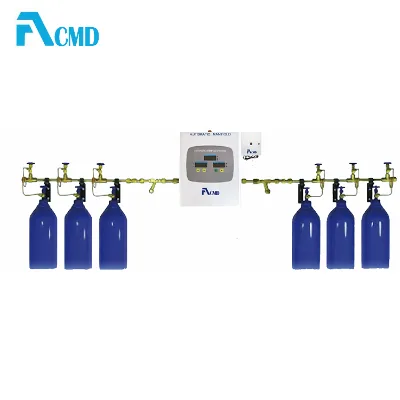
Procurement teams evaluating wall-mounted manual gas manifolds must first distinguish between systems designed for single-cylinder banks and those configured for multi-cylinder redundancy. The observed product listings indicate a primary focus on medical environments, specifically hospitals and clinics, where reliability is paramount. Buyers should verify that the selected unit matches the specific cylinder quantity requirements, as options range from single setups to customizable multi-cylinder arrangements. This initial scope definition ensures the infrastructure supports the intended patient load without unnecessary complexity or space constraints.
The physical configuration of these units often dictates installation feasibility within existing medical facilities. Listings confirm that these manifolds are typically constructed with a horizontal structure and utilize brass bodies for durability and corrosion resistance. The wall-mounted installation method requires precise spatial planning to ensure safe access for maintenance and cylinder replacement. Procurement specialists must confirm that the chosen model, whether labeled as a manual system or a specific model like MS-100-D, aligns with the available wall space and structural load-bearing capacity of the facility.
Product Scope and Observed Listing Signals
Market analysis reveals a distinct split between manual and automatic manifold systems, each serving different operational needs within medical gas engineering. Manual units are frequently described as suitable for hospitals using standard gas plants, offering a direct mechanical approach to gas switching. In contrast, automatic variants, such as those labeled for anesthesia gas systems, provide enhanced monitoring capabilities. Buyers must carefully review product titles and descriptions to ensure the automation level matches the facility's staffing and operational protocols, avoiding the pitfalls of over-specifying or under-specifying the control system.
Observed listing signals also highlight significant variability in the types of gases these manifolds are designed to handle. While many units are optimized for oxygen, air, and nitrogen, some specifications extend to include carbon dioxide, nitrous oxide, and even hydrogen or ozone. This diversity necessitates a rigorous review of the "Applicable Gas" field in product data to confirm compatibility with the specific medical gases required by the facility. Procurement teams should not assume universal compatibility and must verify that the selected manifold supports the exact gas mixture and purity requirements of their specific clinical applications.
Technical Specifications to Verify
Pressure ratings represent a critical technical parameter that directly impacts the safety and longevity of the gas distribution system. The observed data indicates a maximum inlet pressure capability of up to 150 Bar, which is essential for handling high-pressure cylinder supplies. However, the outlet working pressure is often listed as adjustable, requiring buyers to confirm the specific range and adjustment mechanisms available for their application. Verifying these pressure limits against the facility's existing piping and regulator systems is a mandatory step to prevent equipment failure or hazardous pressure differentials.
Flow capacity and physical dimensions are equally vital for ensuring the manifold can meet peak demand without bottlenecks. Listings suggest a maximum flow rate of 100 cubic meters per hour, a figure that must be cross-referenced with the total consumption of the intended hospital ward or operating theater. Additionally, the machine size is categorized as medium, and standard dimensions like 680540250mm are noted for specific models. Buyers must validate that these physical constraints fit the designated installation area and that the flow rate is sufficient to support simultaneous usage by multiple medical devices.
Compliance and Safety Documentation
Certification status is a non-negotiable element of the procurement process for medical gas infrastructure, as these systems directly impact patient safety. The available product data lists a range of certifications including ISO, CE, CCC, UR, and RoHS, indicating varying levels of compliance with international and regional standards. Procurement teams must request specific certification documents for the exact model being purchased, as the presence of one certification does not guarantee the others apply to the same unit. Ensuring the supplier provides valid, up-to-date certificates is essential for regulatory approval and insurance compliance.
Safety documentation must also address the specific operational risks associated with high-pressure gas handling and potential noise levels. While some listings describe the units as ultra-quiet, others simply note a low noise level, which can influence the suitability of the equipment for patient recovery areas. Buyers should verify that the product includes detailed safety manuals covering leak detection, emergency shut-off procedures, and maintenance schedules. The absence of comprehensive safety documentation should be treated as a red flag, regardless of the product's apparent technical specifications or aesthetic appeal.
Cost Drivers and Commercial Terms
Pricing for wall-mounted manual gas manifolds exhibits a wide variance, with observed ranges spanning from approximately one dollar to over three thousand dollars. This disparity is driven by factors such as the number of cylinders, the complexity of the valve system, and the inclusion of automation features. Buyers must understand that the lowest listed price often corresponds to basic configurations with minimal customization, while higher prices reflect specialized models with enhanced flow rates or specific medical certifications. A detailed cost breakdown is necessary to avoid hidden expenses related to shipping, installation, or necessary accessories.
Commercial terms, including minimum order quantities and packaging standards, significantly influence the total cost of ownership and logistics planning. The observed minimum order quantity ranges from one unit to one hundred, offering flexibility for small clinics or large hospital networks. Packaging is typically described as wooden cases or standard export packing, which protects the brass components during transit from China or Ningbo. Procurement teams should negotiate clear terms regarding lead times and shipping methods to ensure the equipment arrives in pristine condition and on schedule for critical installation dates.
Supplier Qualification and Quality Control
Supplier origin and manufacturing location are key indicators of the supply chain's reliability and the potential for logistical delays. The majority of observed listings originate from China, with specific mentions of Ningbo as a production hub. While this region is known for manufacturing efficiency, buyers must verify the supplier's ability to maintain consistent quality control across different batches. Establishing a direct line of communication with the manufacturer to discuss their quality assurance processes is essential for mitigating risks associated with cross-border procurement and ensuring the product meets the required medical standards.
Quality control protocols should extend beyond the initial manufacturing stage to include pre-shipment inspections and material verification. The product specifications highlight the use of brass for the body material, a choice that offers excellent durability but requires verification of alloy composition to ensure it meets medical-grade standards. Buyers should request material test reports and evidence of the customization process, particularly for connection threads and cylinder quantities. Confirming that the supplier has a robust track record of delivering customized medical gas systems is crucial for long-term operational stability.
Long-Term Procurement Checks
Maintenance requirements and spare parts availability are critical considerations for the lifecycle management of gas manifold systems. The product attributes indicate that parts, specifically valves, are available and that customization is an option, suggesting a degree of flexibility in future repairs. However, buyers must establish a clear agreement with the supplier regarding the availability of replacement parts and the lead times for their delivery. Ensuring a steady supply of compatible components prevents operational downtime and extends the useful life of the manifold system in a high-demand medical environment.
Future scalability and adaptability should be evaluated during the initial procurement phase to accommodate potential facility expansions or changes in gas requirements. The observed ability to customize cylinder quantities and connection threads allows for some degree of future-proofing, but buyers must confirm the limits of these customization options. Regular audits of the installed system against the original specifications are necessary to ensure continued compliance with safety standards. Procurement teams should plan for periodic reviews of the manifold's performance to identify any degradation in pressure regulation or flow efficiency before it impacts patient care.
FAQs
What certifications do wall mounted manual gas manifolds have?
These manifolds typically hold ISO, CE, CCC, and RoHS certifications to ensure compliance with international safety and quality standards. Some models also include UR certification for specific regional requirements. Buyers should verify the exact certification list with the supplier to confirm suitability for their local regulatory environment and hospital accreditation needs.
Can the cylinder quantity be customized for this manifold?
Yes, the cylinder quantity is fully customizable to meet specific facility requirements. Options include configurations such as 1*1, 2*2, or 3*3 cylinder setups. This flexibility allows hospitals and clinics to tailor the manifold system to their current gas storage capacity and future expansion plans without needing entirely new hardware.
What is the maximum inlet pressure for this equipment?
The maximum inlet pressure for these manifolds is 150 Bar. This high-pressure rating ensures reliable operation when connected to standard high-pressure gas cylinders. The outlet working pressure is adjustable, allowing precise control for downstream medical or industrial applications while maintaining safety margins within the system's design limits.
Which gases are applicable for use with this manifold?
This manifold supports a wide range of gases including Oxygen, Air, CO2, Nitrogen, Nitrous Oxide, Hydrogen, Argon, and Ozone. The brass body material ensures compatibility and durability with these diverse gas types. It is suitable for medical, food, electronic, and chemical application fields requiring safe gas distribution.
How is the Wall Mounted Manual Gas Manifold installed?
The unit is designed for wall-mounted installation to save floor space and improve accessibility in clinical or industrial settings. It features a horizontal structure with a compact footprint of approximately 680*540*250mm. The connection thread type and standard can be customized to match existing piping infrastructure for seamless integration.
What is the maximum flow rate of this manifold system?
The maximum flow rate is 100 M3/H, providing sufficient capacity for most hospital and clinic gas distribution needs. This flow rate supports multiple outlets simultaneously without significant pressure drop. The system is engineered to maintain stable performance under varying demand conditions, ensuring consistent gas supply to critical care areas.