Source Wastewater Treatment Dosing Pump for Chemical, Water, Industrial
Find 29 Wastewater Treatment Dosing Pump options for chemical injection, water purification, and industrial processing. Compare flow rates, pressure ranges, and material specifications to select the right pump for your facility; compare the available evidence and request quotations based on your requirements.
Key considerations
Products List


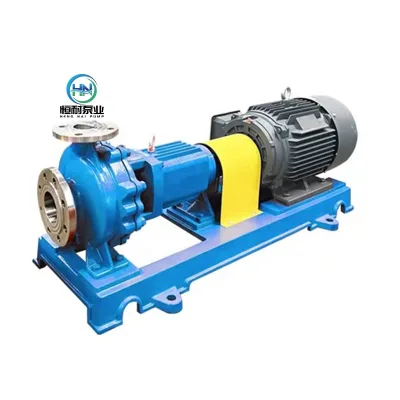


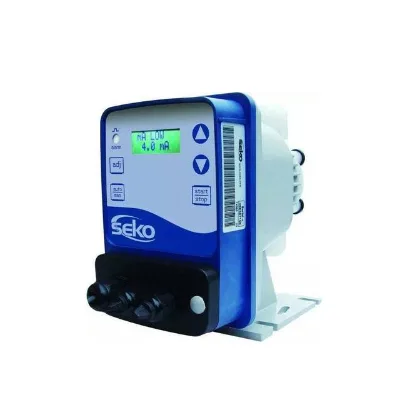


Comprehensive Sourcing Guide
Wastewater Treatment Dosing Pump Sourcing Guide
Procurement professionals must first distinguish between the diverse operational profiles available in the current market, as listings reveal significant variations in flow and pressure capabilities. Buyers should verify whether a specific unit meets the 7–180 L/H flow range with 0.9–18 MPa pressure, or if the application requires the lower 5–60 L/H range with 0.5–1.0 MPa pressure. Selecting the wrong category can lead to system inefficiencies or equipment failure in critical dosing scenarios.
The physical construction and material composition are equally critical for long-term reliability in harsh chemical environments. Sourcing teams need to confirm if the pump head is constructed from SS316 or if a more resistant SS316L is required for specific corrosive agents. Additionally, verifying the diaphragm material, such as Nitrile Rubber, ensures compatibility with the specific chemicals being injected into the wastewater stream.
Product Scope and Observed Listing Signals
Market listings indicate a wide price spectrum ranging from 11 to 12,000 USD, reflecting differences in motor power, material grade, and customization levels. Buyers must correlate the observed price points with the specific technical requirements, such as the need for a three-phase 380V/50Hz motor versus a standard 220V solenoid valve configuration. Understanding this correlation prevents overspending on unnecessary features or under-specifying for complex industrial needs.
Minimum Order Quantities (MOQ) vary significantly between 1 and 50 units, influencing the total cost of ownership for small-scale pilots versus large-scale deployments. Procurement strategies should account for these thresholds when planning inventory, as ordering below the MOQ may not be feasible or may incur premium shipping costs. Evaluating the packaging type, whether wooden boxes or cartons, is also essential for logistics planning and ensuring the equipment arrives without damage.
Technical Specifications to Verify
Engineers must rigorously validate the suction capabilities, as some units are rated to reach a 1.5m water column while others may have different limitations. It is vital to match the pump's maximum head, which can exceed 150m, against the actual hydraulic resistance of the piping system to ensure adequate dosing pressure. Failure to verify these hydraulic parameters can result in the pump failing to deliver the required chemical volume to the treatment tank.
The ambient operating temperature and electrical power requirements are other non-negotiable technical constraints that must be checked against site conditions. Units are typically rated for a maximum ambient temperature of +40 ℃, and power inputs may range from 220V to 380V or 440V depending on the model. Confirming that the rated current falls within the 11–15A range ensures the electrical infrastructure can support the load without tripping breakers or causing voltage drops.
Compliance and Safety Documentation
Safety compliance is paramount when selecting equipment for industrial wastewater applications, and buyers should demand proof of CE certification for all listed units. While some listings mention ISO9001, the primary safety standard to verify is the CE mark, which indicates adherence to European health, safety, and environmental protection standards. Without this documentation, importing the equipment may face regulatory hurdles or result in non-compliance with local safety codes.
Documentation regarding the valve body type and material composition is essential for ensuring the pump can withstand the corrosive nature of the chemicals being handled. Buyers must verify that the diaphragm material and valve body type, such as the diaphragm structure, are explicitly stated in the product data sheets. This verification process mitigates the risk of chemical leakage and ensures the equipment meets the necessary safety protocols for industrial use.
Cost Drivers and Commercial Terms
The total cost of a dosing pump is heavily influenced by the degree of customization required, such as motor materials like Hastelloy or specific pump head alloys. Standard models with fixed specifications like the HY or WQA series generally offer lower unit costs compared to fully customized units where the flow, size, and material are tailored to unique needs. Procurement teams should budget for the premium associated with these bespoke engineering solutions.
Commercial terms regarding shipping and packaging also play a significant role in the final landed cost of the equipment. Most suppliers utilize wooden packages or sea freight options, which can impact both the initial shipping expense and the insurance costs for high-value units. Buyers should clarify whether the quoted price includes the wooden box packaging or if this is an additional charge to ensure accurate budget forecasting.
Supplier Qualification and Quality Control
Suppliers originating from regions like Shandong, Weifang, China, often provide a range of models, but buyers must verify the specific production standards for each batch. It is crucial to confirm that the manufacturer adheres to the stated standards, such as SS316 pump heads and specific voltage requirements, rather than relying on general claims. Quality control checks should focus on the consistency of the magnetic driving type and the structural integrity of the single-stage pump design.
Verification of the supplier's ability to provide consistent product models, such as the wz-pump-01 or AKL803, is necessary to ensure long-term spare parts availability. Buyers should request evidence of the production process to confirm that the materials, including plastic components and rubber diaphragms, meet the specified durability standards. This due diligence helps prevent future supply chain disruptions caused by inconsistent manufacturing quality.
Long-Term Procurement Checks
Establishing a reliable supply chain requires ongoing verification of the supplier's ability to maintain the specified flow and pressure ranges over time. Buyers should implement a schedule to audit the performance of installed units, ensuring they continue to operate within the 7–180 L/H or 5–60 L/H parameters without degradation. Regular performance checks help identify early signs of wear in the diaphragm or motor components before they lead to system failure.
Future procurement strategies should also account for the potential need for further customization as wastewater treatment requirements evolve. Since many suppliers offer customizable options for flow, size, and material, maintaining a relationship with a flexible manufacturer allows for easier adaptation to new chemical dosing needs. This proactive approach ensures the wastewater treatment infrastructure remains efficient and compliant with changing environmental regulations.
FAQs
What flow and pressure ranges are available for industrial dosing pumps?
Industrial dosing pumps typically offer a flow range of 7 to 180 liters per hour with pressure capabilities up to 18 MPa. Some models provide a lower flow range of 5 to 60 liters per hour with pressures between 0.5 and 1.0 MPa. These ranges allow precise chemical injection for various water treatment applications.
Can the pump head material be customized for corrosion resistance?
Yes, the pump head material can be customized to meet specific chemical compatibility requirements. Standard options include SS316, while SS316L is available as an optional upgrade. Motor cans can also be customized with Hastelloy to ensure durability and resistance against aggressive industrial chemicals during long-term operation.
What certifications are required for Wastewater Treatment Dosing Pump suppliers?
Suppliers typically provide CE certification to ensure compliance with European safety and quality standards. Some manufacturers also hold ISO9001 certification for quality management systems. These certifications verify that the production processes and final products meet international regulatory requirements for industrial equipment used in water treatment facilities.
How is the dosing pump packaged for international shipping?
Pumps are packaged in wooden boxes or cartons to ensure safe transit. Standard packaging dimensions vary by model, with some measuring 60 by 30 by 55 centimeters and others at 22.1 by 13 by 18.5 centimeters. This sturdy packaging protects the equipment from damage during sea freight or air transport.
What is the maximum suction lift capability of these pumps?
The suction range can reach up to 1.5 meters of water column. This capability allows the pump to draw chemical solutions from tanks positioned below the pump inlet. It ensures reliable operation in various installation configurations commonly found in industrial water treatment and dosing systems.
Are magnetic drive pumps available for high-head applications?
Yes, magnetic drive pumps are available for applications requiring high head pressure. These units can achieve a maximum head of over 150 meters. The magnetic drive mechanism eliminates shaft seals, reducing leakage risks and maintenance needs while delivering high-pressure performance for demanding industrial dosing tasks.