Source Wastewater Macerator Pump for Industrial and Municipal Use
Explore 30 Wastewater Macerator Pump options featuring magnetic and motor-driven types with customizable flow and head specifications. Compare models like HOMAC and ZJQ for diverse applications including mining, drinking water treatment, and industrial utilities; compare the available evidence and request quotations based on your requirements.
Key considerations
Products List


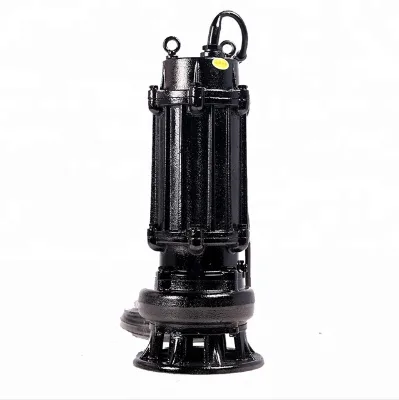


$199.00 - $2999.00
MOQ: 1 Pieces


Non Clogging Water Submersible Sewage Pump Vertical Submersible Macerator Sewage Pump
$100.00 - $3000.00
MOQ: 1 Pieces


Non Clogging Water Submersible Sewage Pump Vertical Submersible Macerator Sewage Pump
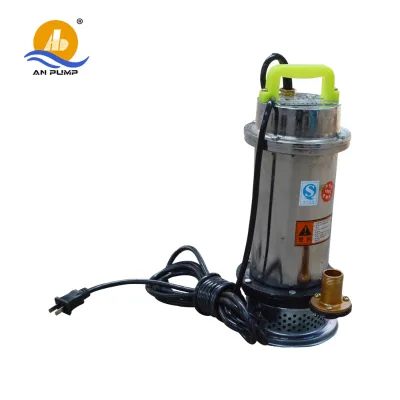
$199.00 - $599.00
MOQ: 1 Pieces


Comprehensive Sourcing Guide
Wastewater Macerator Pump Sourcing Guide
Procuring wastewater macerator pumps requires careful evaluation of driving mechanisms and customization capabilities to match specific site conditions. The available market data indicates a strong presence of magnetic and motor-driven units, with driving types explicitly listed as either magnetic or motor. Buyers must verify which mechanism aligns with their operational needs, as magnetic drives often offer leak-free performance while motor-driven units provide direct power transmission. Customization is widely available, allowing procurement teams to tailor the pump's flow rate, head, and material composition to handle diverse wastewater streams effectively.
The observed product range includes models with varying head capacities, ranging from low-head applications under 10 meters to high-pressure systems exceeding 150 meters. This variance suggests that a single supplier may offer multiple configurations suitable for different stages of wastewater treatment. Buyers should prioritize suppliers who explicitly state customization for flow and size, ensuring the selected unit can handle the specific volumetric demands of the facility. The presence of models like the wz-pump series and HOMAC variants indicates a mature supply chain capable of delivering specialized sewage solutions for industrial and municipal use.
Product Scope and Observed Listing Signals
The product listings reveal a broad scope of wastewater handling equipment, including non-clog submersible sewage pumps designed for demanding environments. These units are frequently constructed from durable materials such as cast iron or stainless steel grades like SS304 and SS316L, which are critical for resisting corrosion in aggressive wastewater conditions. The observed specifications highlight a focus on single-suction impellers and horizontal split pump casings, features that facilitate maintenance and ensure reliable operation in continuous duty cycles. Buyers should look for these specific structural attributes to guarantee longevity and reduced downtime in harsh operating environments.
Listing signals also indicate a wide range of outlet sizes, from 2 to 16 inches, catering to both small-scale commercial buildings and large industrial utilities. The packaging standards vary, with some units shipped in paper boxes on pallets while others utilize sea freight containers, reflecting the logistical needs of different order volumes. The origin of these products is predominantly China, specifically from the Shandong province, a known hub for pump manufacturing. Procurement teams must account for these logistical details when planning delivery schedules and ensuring that the packaging protects sensitive components during transit to international destinations.
Technical Specifications to Verify
Technical verification must begin with the pump's head and capacity ratings, as these define the system's ability to move fluid against resistance. The market data shows head specifications ranging from 10 to 30 meters up to over 150 meters, necessitating a precise match between the pump's curve and the site's hydraulic requirements. Buyers should confirm the maximum capacity, which can exceed 400 liters per minute for high-volume applications or fall within the 100 to 200 liters per minute range for smaller systems. Mismatching these parameters can lead to inefficient operation or equipment failure, making accurate specification verification a critical first step in the selection process.
Further technical due diligence involves checking the power supply compatibility and frequency requirements, as units are listed for 220, 380, and 440 volts at both 50Hz and 60Hz frequencies. The mounting height and shaft position are also vital, with horizontal configurations and suction centrifugal designs being common in the observed listings. Buyers must ensure the selected model supports the required working pressure, whether it is classified as middle or high pressure, and verify the impeller structure, such as single-stage or multistage designs. These details directly impact the pump's efficiency and its ability to macerate solids without clogging in complex wastewater networks.
Compliance and Safety Documentation
Safety and compliance documentation for wastewater pumps often centers on the structural integrity and material safety standards required for industrial use. While specific certification names are not universally listed in the provided data, the availability of customized standards suggests that suppliers can align their products with regional safety regulations upon request. Buyers should explicitly request documentation regarding the material composition, particularly for stainless steel variants, to ensure they meet hygiene and corrosion resistance standards for drinking water treatment or food and beverage industries. Verifying that the pump casing and impeller materials comply with relevant international norms is essential for maintaining operational safety.
The warranty terms observed in the market, such as the three-year coverage mentioned for certain models, serve as a key indicator of supplier confidence and product reliability. However, buyers must scrutinize the specific terms of this warranty to understand what components are covered and what conditions might void the agreement. Documentation should also include details on the product's origin and manufacturing standards, as the listed origin of Shandong, China, implies adherence to specific local and export quality protocols. Ensuring that all safety data sheets and compliance certificates are provided before shipment helps mitigate liability risks and ensures the equipment meets the regulatory requirements of the destination country.
Cost Drivers and Commercial Terms
Cost drivers for wastewater macerator pumps are significantly influenced by the level of customization required, including material selection, flow rates, and head specifications. The observed price range spans from 1 to 100,000 USD, reflecting the vast difference between standard off-the-shelf units and highly engineered, custom-built systems. Buyers should anticipate that higher-grade materials like SS316L and complex multistage structures will command a premium price compared to standard cast iron models. Understanding these cost variables allows procurement teams to budget accurately and negotiate effectively based on the specific technical requirements of their project.
Commercial terms also vary based on the minimum order quantity and packaging requirements, with observed MOQs ranging from 1 to 50 units. The flexibility in packing, from individual paper boxes to sea freight containers, impacts the overall landed cost and logistics planning. Buyers should clarify whether the quoted price includes OEM, ODM, or OBM support, as these services can add value but also increase the unit cost. Additionally, the availability of cable lengths customized to customer requests may affect the final price, requiring clear communication of all technical needs to avoid unexpected surcharges during the ordering process.
Supplier Qualification and Quality Control
Supplier qualification should focus on the manufacturer's ability to provide consistent quality across their product range, evidenced by the diverse model numbers like wz-pump and HOMAC series. The presence of multiple models suggests a robust production line capable of handling various specifications, but buyers must verify the quality control processes in place for each specific unit. Given the origin in Shandong, China, it is advisable to request evidence of consistent manufacturing standards and the ability to maintain the customized specifications promised during the sales process. A supplier's track record in delivering pumps for industries like mining or HVAC OEMs can serve as a strong indicator of their reliability.
Quality control checks should extend to the physical inspection of the pump's mounting height, shaft position, and casing design before shipment. Buyers should ensure that the supplier conducts rigorous testing on the motor and magnetic drive components to verify performance under the specified voltage and frequency conditions. The ability to provide detailed product specifications, such as the exact outlet size and head range, is a prerequisite for effective quality assurance. Establishing a clear communication channel for pre-shipment inspections and post-delivery support ensures that any deviations from the agreed-upon standards are identified and resolved promptly.
Long-Term Procurement Checks
Long-term procurement success depends on establishing a reliable supply chain that can support ongoing maintenance and spare parts availability. The observed warranty periods and the availability of customized support services like OEM and ODM indicate that suppliers are positioned to offer long-term partnerships. Buyers should verify the supplier's capacity to provide replacement parts for the specific model numbers selected, ensuring that future repairs do not require a complete system overhaul. A supplier's ability to maintain consistent quality over time is crucial for minimizing downtime in critical wastewater treatment operations.
Continuous monitoring of the pump's performance against the original specifications is essential for validating the long-term value of the procurement. Buyers should track metrics such as flow consistency, head stability, and material degradation over the warranty period to assess the durability of the equipment. Regular reviews of the supplier's performance, including adherence to delivery schedules and responsiveness to technical queries, will help maintain a high standard of service. By maintaining a proactive approach to supplier management, organizations can ensure that their wastewater macerator pumps continue to operate efficiently throughout their intended lifespan.
FAQs
What driving types are available for wastewater macerator pumps?
Magnetic and motor-driven types are available for wastewater macerator pumps. Motor-driven options often feature horizontal split casings with single-stage impellers. These configurations support suction centrifugal mounting and horizontal shaft positioning. Magnetic drives offer seal-less operation for specific industrial applications requiring high reliability and leak prevention in challenging fluid environments.
Can wastewater macerator pumps handle high pressure applications?
Yes, wastewater macerator pumps can handle high-pressure applications with heads exceeding 150 meters. Some models provide middle-pressure capabilities with heads between 12 and 200 meters. These pumps are suitable for mining industries and developing world water solutions. The multistage pump structure allows for efficient pressure generation across various industrial and municipal wastewater treatment scenarios.
What materials are used for Wastewater Macerator Pump construction?
Wastewater macerator pumps are constructed from cast iron, SS304, SS316, and SS316L materials. These options provide corrosion resistance for diverse wastewater compositions. Customizable materials allow buyers to select the optimal alloy for specific chemical exposures. The choice of material directly impacts the pump's durability and lifespan in aggressive industrial or municipal sewage environments.
What is the maximum capacity for wastewater macerator pumps?
The maximum capacity for wastewater macerator pumps exceeds 400 liters per minute. Some models offer capacities between 100 and 200 liters per minute. Flow rates are customizable to match specific system requirements. This range supports applications from family homes to large commercial buildings and industrial utilities, ensuring adequate flow for various wastewater management needs.
Are wastewater macerator pumps customizable for specific needs?
Yes, wastewater macerator pumps offer extensive customization including OEM, ODM, and OBM support. Specifications such as size, flow, and cable length can be tailored to customer requests. The product standard is customized to meet unique operational demands. This flexibility ensures the pump integrates seamlessly into existing infrastructure or specialized industrial processes.
Where are wastewater macerator pumps manufactured?
Wastewater macerator pumps are manufactured in Weifang, Shandong, China. This region is a known hub for pump production. The origin ensures access to established supply chains and manufacturing expertise. Buyers can source directly from these facilities, benefiting from localized production capabilities and streamlined logistics for international delivery.