Source Water Based Flexo Pre-Printing Ink for Labels, Packaging, and Cartons
Compare 19 verified listings for Water Based Flexo Pre-Printing Ink featuring customizable colors, various drying methods, and multiple packaging options. Buyers can evaluate viscosity, fluidity, and quality certifications to select the right supplier for their production needs; compare the available evidence and request quotations based on your requirements.
Key considerations
Products List


Comprehensive Sourcing Guide
Water Based Flexo Pre-Printing Ink Sourcing Guide
Procuring water-based flexo pre-printing ink requires careful evaluation of drying mechanisms and substrate compatibility to ensure consistent print quality. Buyers must verify that the selected ink utilizes oxidative polymerization or heat curing, as these methods significantly impact the production line speed and final adhesion on flexible packaging materials. The observed market data indicates that fluidity ranges between 34 and 37 mm, a critical parameter for maintaining uniform ink transfer during high-speed flexographic operations.
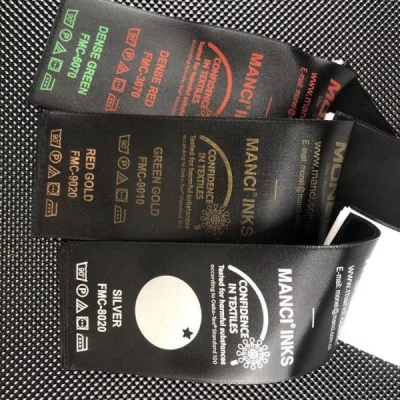
Sourcing decisions should also account for the specific component composition, which often includes pigments and connection materials designed for enhanced durability. The available product models, such as FPI and FMC series, demonstrate that customization is a standard feature, allowing buyers to tailor viscosity and color profiles to specific brand requirements. Understanding these technical nuances ensures that the selected ink aligns with the operational constraints of the pre-printing process while meeting the necessary performance benchmarks for viscosity and drying time.
Product Scope and Observed Listing Signals
The current market offers a diverse range of water-based inks characterized by CMYK and Pantone color availability, catering to both standard and custom color matching needs. Listings frequently specify the ink type as water-based, with drying times typically under eight hours, which is essential for maintaining high throughput in industrial printing environments. The observed product models, including SFB-X and LR-N005, suggest a broad spectrum of formulations designed to meet varying substrate demands and printing speeds.
Buyers should note that packaging formats vary significantly, ranging from small cans and plastic tins to large barrels and plywood cases, which directly influences logistics and storage planning. The minimum order quantities observed span from single units to bulk orders of 10kg or more, providing flexibility for both trial runs and large-scale production commitments. This variability in packaging and order thresholds allows procurement teams to align inventory strategies with their specific production cycles and cash flow requirements without overstocking.
Technical Specifications to Verify
Verification of viscosity and fluidity is paramount, as these properties dictate the ink's flow behavior and its ability to transfer cleanly through the anilox roll. The observed viscosity ranges from 9 to 11 r.p.m, while fluidity measurements fall between 34 and 37 mm, serving as key indicators for the ink's rheological stability during application. Buyers must confirm that these parameters remain consistent across batches to prevent issues such as dot gain, mottling, or inconsistent color density on the final printed substrate.
Drying performance is another critical specification, with options including volatile drying, heat curing, and oxidative polymerization methods. The specific drying mechanism selected must match the available drying equipment on the production line to ensure the ink sets correctly without smudging or transferring. Additionally, the quality guarantee period of three years for certain products suggests a focus on long-term stability, but buyers should still validate the storage life, which is typically noted as one year, to prevent degradation before use.
Compliance and Safety Documentation
Safety and regulatory compliance are non-negotiable when sourcing inks for food contact or general industrial applications, requiring a thorough review of material safety data sheets. The available documentation often includes ISO 9001 and ISO 14001 certifications, alongside FDA and MSDS compliance, which are essential for verifying that the product meets international safety and environmental standards. These certifications provide assurance that the manufacturing processes adhere to rigorous quality management systems and environmental protection protocols.
Buyers must also scrutinize the specific chemical composition to ensure the absence of restricted substances, even though some background certifications like REACH or RoHS are not explicitly confirmed in all listings. The presence of pigment components and connection materials necessitates a detailed check of the MSDS to understand potential hazards and handling requirements. Ensuring that the supplier provides up-to-date safety documentation is crucial for maintaining workplace safety and avoiding regulatory penalties in the destination market.
Cost Drivers and Commercial Terms
The total cost of ownership is influenced by multiple factors, including the unit price, which ranges widely from $1 to $5000 depending on the specific model and packaging volume. Buyers should analyze the cost per kilogram rather than the total package price, as bulk orders in 18kg or 200kg barrels often offer better economies of scale compared to smaller can or box quantities. The minimum order quantity of 10kg for some models sets a baseline for procurement, requiring careful planning to optimize inventory levels and minimize per-unit costs.
Commercial terms also encompass the standard packaging dimensions and weight, such as 65x52x55cm cases or 18kg barrels, which directly impact shipping and warehousing expenses. The origin of the product, primarily from regions like Hunan and Huizhou in China, suggests specific logistics considerations regarding lead times and import duties. Procurement teams must negotiate terms that account for these logistical variables to ensure that the final landed cost remains competitive while maintaining a reliable supply chain.
Supplier Qualification and Quality Control
Supplier qualification should prioritize manufacturers who demonstrate a commitment to quality control, evidenced by claims of excellent 100% control over their production processes. The availability of a three-year quality guarantee period for certain products indicates a high level of confidence in product consistency and durability, which is a strong indicator of supplier reliability. Buyers should request detailed quality assurance protocols to understand how these guarantees are enforced and what specific testing procedures are employed to maintain product integrity.
Quality control extends to the verification of product standards, such as the 1KG or kg-based specifications, and the consistency of the ink's physical properties. The observation of various product models like FMC-2030 and SFP suggests that suppliers offer a range of options, but buyers must ensure that the specific batch received matches the ordered specifications exactly. Establishing a clear communication channel for quality feedback and maintaining regular audits of the supplier's production facilities can help mitigate risks associated with batch-to-batch variability.
Long-Term Procurement Checks
Sustaining a successful procurement relationship requires regular monitoring of the ink's performance over time, particularly regarding its storage stability and shelf life. With a typical storage life of one year, buyers must implement a first-in, first-out inventory system to prevent the use of degraded ink that could compromise print quality. Regular testing of viscosity and drying characteristics is recommended to ensure that the ink remains within the specified parameters throughout its usable life.
Long-term checks should also include periodic reviews of the supplier's ability to meet evolving regulatory requirements and market demands. As the industry shifts towards more sustainable and eco-friendly solutions, buyers should verify that their suppliers are adapting their formulations to meet new environmental standards. Maintaining a strategic partnership with a qualified supplier ensures a steady supply of high-quality water-based flexo pre-printing ink that supports the long-term operational goals of the printing business.
FAQs
What drying methods are available for this Water Based Flexo Pre-Printing Ink?
The ink supports oxidative polymerization, heat curing, and volatile drying methods. These options allow flexibility in production line setups. The drying time is typically less than 8 hours. This ensures efficient workflow integration for various printing substrates and operational requirements.
Can I customize the colors for this Water Based Flexo Pre-Printing Ink?
Yes, CMYK and all Pantone colors are available for customization. The product offers customizable color options to meet specific brand requirements. This ensures accurate color matching for your printing projects. The flexibility in color selection supports diverse design needs across different applications.
What certifications does this Water Based Flexo Pre-Printing Ink hold?
The product holds ISO4001, ISO9001, FDA, and MSDS certifications. These standards ensure quality and safety compliance for industrial use. The certifications provide assurance regarding material safety and manufacturing quality. This supports regulatory requirements for various international markets and specific industry applications.
What is the minimum order quantity for this Water Based Flexo Pre-Printing Ink?
The minimum order quantity is 10kg. This low MOQ allows for flexible purchasing and testing. It reduces initial investment risks for new buyers. The standard packaging options include various sizes to accommodate different order volumes and storage capabilities.
Where is this Water Based Flexo Pre-Printing Ink manufactured?
The ink is manufactured in China, with origins in Hunan and Huizhou, Guangdong. These locations indicate established production capabilities in the region. The domestic manufacturing ensures consistent supply chain reliability. Buyers can expect standard logistics support from these key industrial hubs in China.
What is the shelf life for this Water Based Flexo Pre-Printing Ink?
The storage life is 1 year when kept under proper conditions. This duration ensures product stability and performance consistency. Proper storage is essential to maintain viscosity and drying characteristics. The quality guarantee period is 3 years, reflecting long-term reliability expectations.