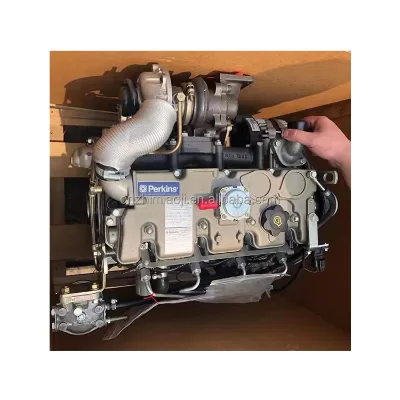
Source water-cooled perkins 403d-15 diesel engine for Truck, Boat, Tractor
Explore 30 listings for the water-cooled perkins 403d-15 diesel engine suitable for trucks, boats, and tractors. Buyers can compare specifications, pricing, and customization options to find the right unit for construction equipment or marine applications.
Key considerations
Products List

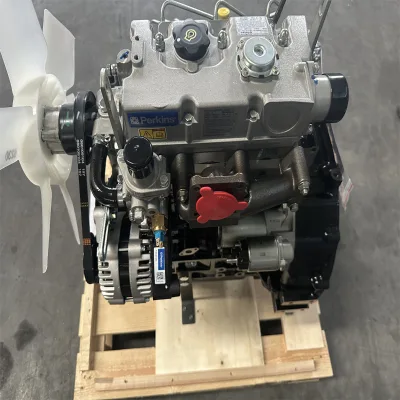
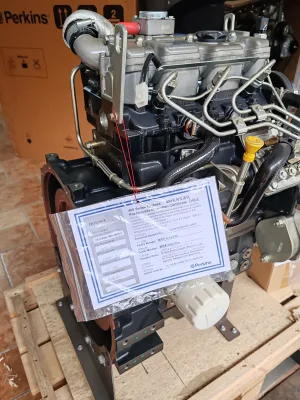
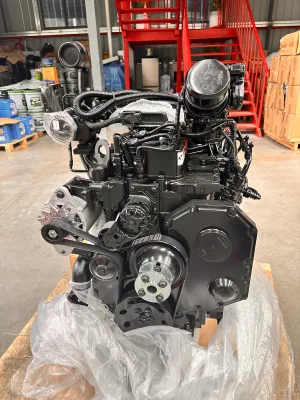
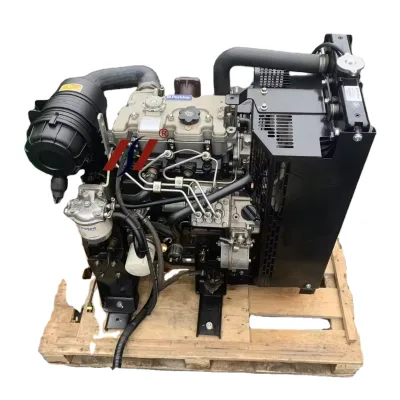




Comprehensive Sourcing Guide
Strategic Sourcing Guide for Water-Cooled Perkins 403D-15 Diesel Engines
Technical Specifications and Core Architecture
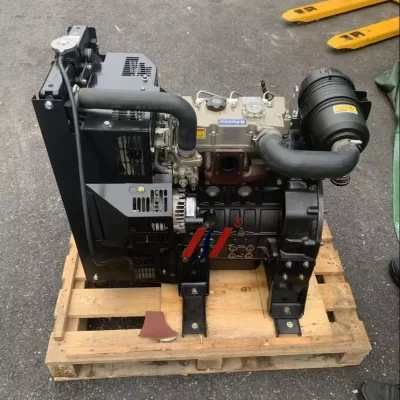
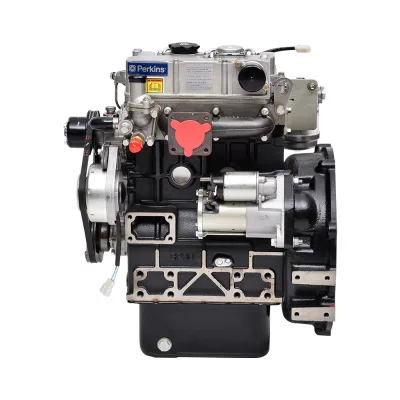
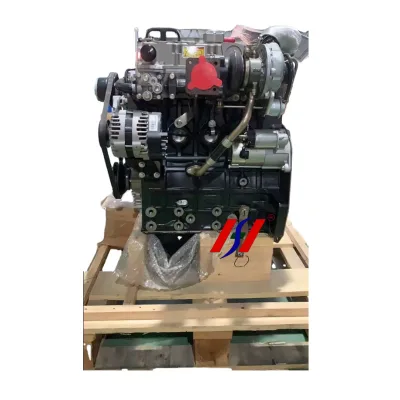
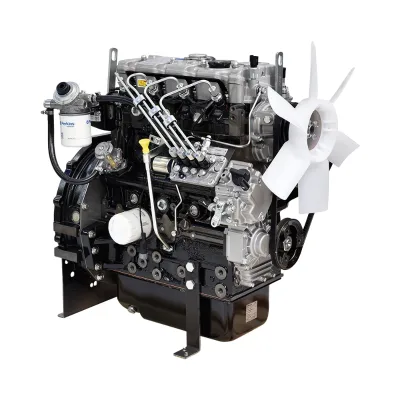
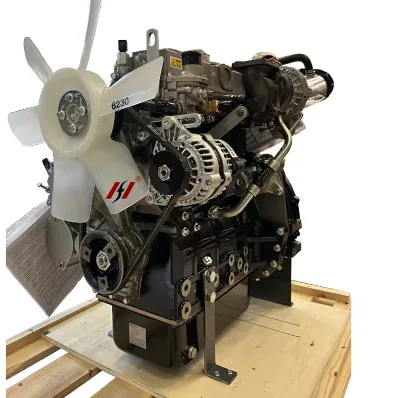
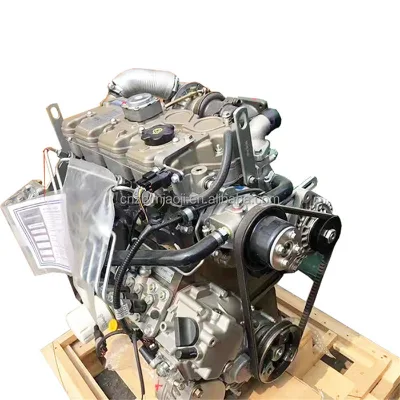
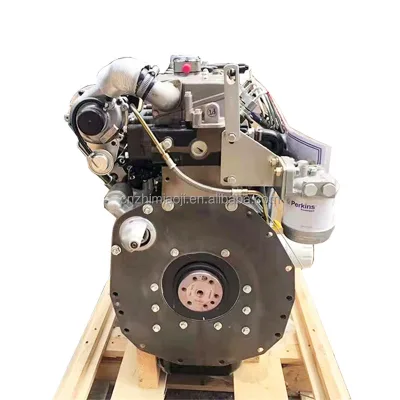
When sourcing a water-cooled Perkins 403D-15 diesel engine, buyers must first establish a precise understanding of the technical architecture to ensure compatibility with their intended machinery. The product data indicates that this engine is a multi-cylinder unit featuring exactly three cylinders, operating on a four-stroke cycle. The displacement is recorded at 1.5 liters, which is a critical parameter for fuel efficiency calculations and power density assessments. The cooling system is explicitly defined as water-cooled, a standard configuration for heavy-duty applications where thermal management is paramount to prevent overheating during continuous operation.
Power output varies slightly across different listings, with observed rated power figures ranging from 20.9 kW to 27.3 kW. Similarly, rated speeds are noted at 2200 RPM and 2600 RPM. These discrepancies suggest that the "Perkins 403D-15" designation may cover a family of engines with different tuning profiles or that specific configurations are optimized for distinct load requirements. Buyers should verify the exact power curve and torque specifications against their equipment's load demands before finalizing a purchase. The engine utilizes an electric start system, which is standard for mobile and stationary industrial applications.
The physical dimensions of the engine are substantial, with observed dimensions recorded at 572453643 mm and 572512643 mm. The weight is a significant factor for logistics and mounting; observed weights range from 149 kg to 170 kg, with a single gross weight of 170.0 kg noted in some records. This weight variation may be attributed to different packing configurations or specific component inclusions. The engine is designed for robust applications, with core components including the engine block, pressure vessel, PLC, motor, pump, and bearing. The presence of a PLC and pressure vessel in the core component list suggests a high level of integration or that the listing refers to a complete power unit assembly rather than just the bare engine block.
Compliance, Certification, and Emission Standards
Navigating the regulatory landscape is a critical step in the procurement of industrial diesel engines. The supplied data indicates that the product carries an ISO TSM certification, which is a specific standard often associated with the automotive and heavy equipment supply chain. However, the emission standard is listed as "county 3," which appears to be a typographical error for "Country 3" or a specific regional standard. In the context of global trade, buyers must verify the exact emission compliance required by their local jurisdiction. Many markets require compliance with Euro 3, Stage IIIA, or equivalent standards.
The data explicitly states that machinery test reports are listed as "Not Available" in some instances, while other records indicate they are "Provided." This inconsistency highlights a vital verification step for the buyer. A machinery test report provides independent validation of performance metrics, including power output, fuel consumption, and noise levels. Without this documentation, the buyer assumes the risk that the engine may not meet the claimed specifications. Furthermore, the product origin is listed as China, specifically from Hubei. While this location is a major manufacturing hub, it necessitates rigorous due diligence regarding the supplier's ability to consistently meet international quality standards.
Buyers should not rely solely on the "High Quality" or "High Qiuality" descriptors found in product listings. These are subjective marketing terms rather than objective compliance metrics. Instead, procurement teams must request copies of the actual ISO certificates and emission compliance documents from the supplier. The warranty period is consistently noted as 12 months or 1 Year, which serves as a baseline for after-sales support but does not replace the need for pre-shipment quality verification.
Cost Drivers and Pricing Dynamics
The pricing for water-cooled Perkins 403D-15 diesel engines exhibits a wide variance, with observed listed prices ranging from $1 to $9,900. This extreme range is not indicative of a single market price but rather reflects the complexity of the B2B marketplace, where the final cost depends heavily on the scope of the transaction. The lower end of the price spectrum may represent bare engine blocks, used units, or components sold individually, while the higher end likely includes complete assemblies with integrated control systems, pumps, and extensive packaging.
Several factors drive these cost variations. First, the inclusion of core components such as the PLC, motor, and pump can significantly increase the unit price. Second, the customization options available allow buyers to tailor the engine to specific needs, which invariably adds to the cost. Third, the packaging method, described as a "Wooden Case," adds to the overall weight and shipping volume, influencing the final landed cost. The Single Package Size is recorded as 67x55x74 cm, which is a critical data point for freight forwarders to calculate volumetric weight and shipping fees.
Buyers must also consider the Minimum Order Quantity (MOQ) as a cost driver. The observed MOQ is consistently 1 piece or 1 set, which suggests that these engines are available for single-unit procurement. This flexibility is advantageous for small-scale projects or replacement scenarios but may result in a higher per-unit cost compared to bulk industrial orders. The "Competitive Price" is listed as a key selling point, but without a specific price anchor, this claim is difficult to validate. Procurement teams should focus on the total cost of ownership, including shipping, duties, and potential customization fees, rather than the base listed price alone.
Typical Applications and Operational Environments
The versatility of the Perkins 403D-15 engine is evident in its diverse application profile. The product data lists applications including trucks, boats, tractors, and excavators. Specifically, the engine is highlighted for use in construction equipment and mini excavators. The "Apply to" field further confirms its suitability for marine environments, suggesting that the water-cooling system is effective for the high-heat demands of marine propulsion or auxiliary power units.
The engine's 29 HP power output and 1.5L displacement make it particularly suitable for compact machinery where space and weight are constrained. Mini excavators, in particular, benefit from the compact dimensions (572453643 mm) and the high power-to-weight ratio. The use of diesel fuel is standard for these applications due to the fuel's energy density and the engine's efficiency in heavy-load scenarios. The "Water-Cooled" designation is essential for these applications, as air-cooled engines often struggle to dissipate heat in the confined spaces of construction machinery or the enclosed engine rooms of boats.
The engine is also noted for use in agricultural settings, specifically for tractors. The 4-stroke cycle and water-cooling system provide the reliability needed for long-duration field operations. However, buyers must ensure that the specific tuning of the engine (e.g., 20.9 kW vs. 27.3 kW) matches the torque requirements of the specific machinery. A mismatch in power delivery can lead to operational inefficiencies or premature wear. The "Usage" field explicitly mentions construction machinery and mini excavators, reinforcing the primary market for this engine model.
Supplier Evaluation and Vendor Selection
Selecting the right supplier is as critical as selecting the right engine. Given the wide range of listed prices and the variability in test report availability, buyers must adopt a rigorous evaluation process. The first step is to verify the supplier's ability to provide the "ISO TSMaterial" certification and any other relevant quality management system certifications. Buyers should request proof of these certifications directly from the supplier rather than accepting them as claims on a product page.
The "Customization: Available" attribute is a significant differentiator. Suppliers that offer customization can tailor the engine to specific mounting requirements, electrical interfaces, or emission standards. However, customization introduces complexity into the supply chain. Buyers should assess the supplier's lead time, which is listed as 3 days for some items. While a 3-day lead time is impressive, it may apply only to standard stock items. Customized orders will likely require longer production and assembly times.
The "Place of Origin" is consistently listed as Hubei, China. While this region is a manufacturing hub, buyers should verify the specific factory location and its capacity. The "Product Origin" and "Place of Origin" fields both point to China, but the specific province (Hubei) adds a layer of specificity that can be useful for logistics planning. Buyers should also check the supplier's history of providing machinery test reports. If a supplier consistently provides these reports, it indicates a commitment to transparency and quality assurance. Conversely, if reports are "Not Available," the buyer must be prepared to conduct their own testing or rely on third-party inspection services.
Quality Control and Long-Term Procurement
Ensuring long-term reliability requires a proactive approach to quality control. The "Warranty: 12 Months" and "Warranty: 1 Year" are standard terms, but buyers should clarify the scope of coverage. Does the warranty cover the engine block, the core components, or only specific parts? The presence of a "Pressure Vessel" and "PLC" in the core components list suggests that the warranty should cover these integrated systems, but this must be explicitly stated in the contract.
The "Machinery Test Report" status is a critical quality indicator. If the report is "Provided," the buyer should review the data to ensure the engine meets the claimed power and speed specifications. If the report is "Not Available," the buyer should consider arranging a pre-shipment inspection. This inspection should verify the physical dimensions, weight, and component integrity. The "Single Gross Weight" of 170.0 kg and the "Single Package Size" of 67x55x74 cm should be verified against the actual shipment to ensure no damage occurred during transit.
Long-term procurement considerations also include the availability of spare parts. The "Core Components" list includes items like the pump, motor, and bearing, which are common wear items. Buyers should confirm that the supplier has a reliable supply chain for these parts to minimize downtime. The "Customization" feature also implies that the supplier should be able to provide custom parts or modifications if the engine requires adaptation over time. Finally, the "Key Selling Points" of "Competitive Price" and "High Quality" should be balanced against the total cost of ownership, including maintenance, fuel consumption, and potential downtime costs.
Comparative Analysis of Engine Variants
To assist buyers in navigating the variations in the market, the following table summarizes the key technical differences observed in the product data. This comparison helps in identifying the specific variant that best fits the application requirements.
| Feature | Variant A | Variant B | Notes |
|---|---|---|---|
| Rated Power | 20.9 kW | 27.3 kW | Power varies by tuning; verify load needs. |
| Rated Speed | 2200 RPM | 2600 RPM | Higher speed may suit different machinery types. |
| Dimensions | 572453643 mm | 572512643 mm | Width varies; check mounting space. |
| Weight | 149 kg | 170 kg | Weight difference affects transport and mounting. |
| Test Report | Not Available | Provided | Critical for quality assurance verification. |
| Emission Standard | County 3 | County 3 | Verify local regulatory compliance. |
| MOQ | 1 PCS | 1 set | Flexibility for single-unit orders. |
| Lead Time | 3 Days | 3 Days | Standard lead time for stock items. |
This table illustrates that while the core model (403D-15) remains consistent, the specific configuration can vary significantly. Buyers must carefully match these specifications to their operational requirements to avoid performance issues or compatibility problems. The variation in test report availability is particularly important, as it directly impacts the buyer's ability to validate the engine's performance before purchase. By understanding these nuances, procurement teams can make informed decisions that align with their specific project needs and long-term operational goals.
FAQs
What is the rated power and speed of this engine?
The rated power ranges from 20.9 kW to 27.3 kW with speeds between 2200 and 2600 RPM. Buyers must verify the specific power curve against their equipment load demands before purchase.
Which certifications does the engine carry?
The product carries ISO TSM certification. Buyers should request proof of this certification directly from the supplier rather than relying solely on product page claims.
Can I customize the engine for my specific needs?
Customization is available for this engine model. Buyers should assess the supplier's lead time and capacity, as customized orders may require longer production times than standard stock items.
How long is the warranty period for this engine?
The warranty period is consistently listed as 12 months or one year. Buyers must clarify the specific scope of coverage for core components like the engine block and pressure vessel.
What is the minimum order quantity for this product?
The minimum order quantity is one piece or one set. This flexibility supports small projects but may result in a higher per-unit cost compared to bulk industrial orders.
Where is the place of origin for this engine?
The place of origin is Hubei, China. Buyers should verify the specific factory location and its capacity to ensure consistent quality and reliable logistics planning.
What are the physical dimensions and weight of the engine?
Dimensions range from 572x453x643 mm to 572x512x643 mm with weights between 149 kg and 170 kg. These variations may be due to different packing configurations or component inclusions.