Source Water Resistant Breathable Trucker Hat for Outdoor Work
Find 30 Water Resistant Breathable Trucker Hat options featuring custom logos, embroidered patterns, and various color choices. Compare specifications for polyester and cotton blends to select the ideal headwear for summer, spring, or autumn use.
Key considerations
Products List




Comprehensive Sourcing Guide
Water Resistant Breathable Trucker Hat Sourcing Guide
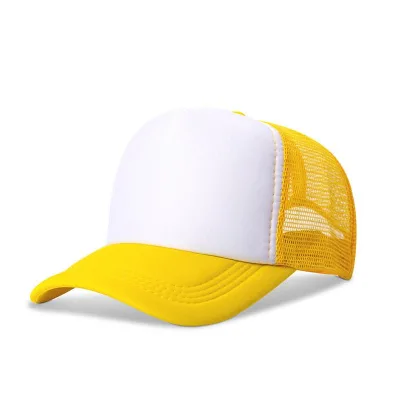
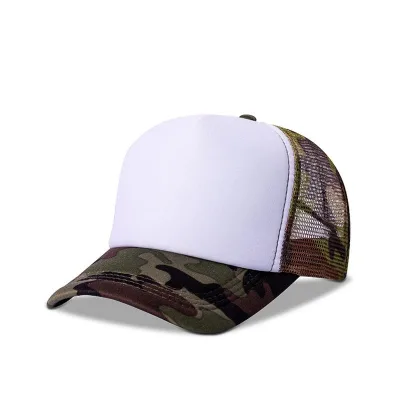
Sourcing water-resistant and breathable trucker hats requires a nuanced understanding of how conflicting performance attributes are balanced in a single garment. The trucker hat silhouette, characterized by a structured front panel and a mesh back, is inherently designed for ventilation, but achieving water resistance without compromising that breathability demands specific material engineering. Buyers must recognize that "water resistant" is a performance tier distinct from "waterproof," meaning the hat can repel light rain or splashes but is not intended for prolonged exposure to heavy downpours. This distinction is critical for procurement teams defining the end-use environment, whether for promotional outdoor events, sports team gear, or casual fashion retail. The mesh back panels, often made from polyester or cotton blends, provide the necessary airflow to prevent heat buildup, while the front crown utilizes treated fabrics or laminates to shed moisture.
The procurement landscape for these items is diverse, with suppliers offering a wide range of customization options that directly impact both functionality and cost. Observed market data indicates a price range of $0.45 to $4.95 USD, reflecting significant variation in material quality, embroidery complexity, and order volume. Minimum Order Quantities (MOQs) typically range from 2 to 1,080 units, allowing flexibility for both small-batch custom projects and large-scale corporate orders. Buyers should note that while the base structure is consistent, the integration of special features such as UV resistance, quick-dry properties, or even smart elements like rechargeable lights can drastically alter the supply chain dynamics. Understanding these variables is essential for aligning supplier capabilities with specific brand requirements and budget constraints.
Product Scope and Observed Listing Signals
The product scope for water-resistant breathable trucker hats encompasses a variety of styles, including classic six-panel designs, eight-panel variations, and specialized models like the "83" or "gccap2" series. These hats are generally categorized under unisex adult apparel and are suitable for all seasons, though they are particularly popular in summer and spring/autumn due to their ventilation properties. The materials observed in the market include 100% polyester and polyester/cotton blends, each offering different benefits regarding durability, shrinkage, and moisture management. Polyester provides superior water resistance and quick-drying capabilities, while cotton blends offer a softer hand feel and traditional aesthetic, often requiring additional treatments to achieve water repellency.
Listing signals reveal a high degree of customization potential, with options for custom logos, varied color palettes, and multiple pattern themes such as letters, plants, or characters. The front panels often feature embroidered or printed designs, with techniques ranging from flat embroidery and heat transfer printing to silk screen printing and applique. Buyers should pay close attention to the "Special Features" listed, as terms like "wrinkle-free," "foldable," and "breathable" are common selling points. However, the presence of features like "rechargeable" or "smart" elements suggests a niche segment of tech-integrated headwear that may require additional quality checks for electronic components. The standard packing methods, including OPP bags and cartons, indicate a mature supply chain ready for global distribution, with loading ports primarily located in China.
Technical Specifications to Verify
Verifying the technical specifications of water-resistant breathable trucker hats involves a close examination of material composition and construction techniques. Buyers should confirm the exact percentage of polyester versus cotton in the blend, as this ratio directly influences the hat’s ability to repel water while maintaining breathability. The mesh back material is equally important; it should be durable enough to withstand repeated wear and washing without losing its structural integrity or ventilation properties. Additionally, the crown structure, whether it includes a foam insert or a different stiffening method, affects the hat’s shape retention and overall durability. It is crucial to ensure that the water-resistant treatment applied to the front panel does not clog the pores of the fabric, which would negate the breathability benefit.
Pattern technology and customization methods also play a significant role in the final product’s performance. Embroidered logos, while aesthetically pleasing, can create small punctures in water-resistant fabrics, potentially compromising the material’s integrity if not sealed properly. Buyers should inquire about the sealing methods used around embroidered areas or the use of waterproof thread. Furthermore, the size specifications, which may range from standard 56-60cm to fully custom dimensions, must be verified against the target demographic’s head measurements. The inclusion of features like adjustable straps or fixed sizes should be clearly defined, as this impacts fit and customer satisfaction. Understanding these technical details helps in selecting a supplier who can deliver a product that meets both aesthetic and functional requirements.
Compliance and Safety Documentation
Compliance and safety documentation for trucker hats primarily focus on material safety and chemical regulations, particularly when the hats are intended for export to markets with strict environmental standards. While specific certifications like OEKO-TEX are mentioned in background data, buyers should verify the actual certification status with the supplier, as this is not a universal standard for all listings. The use of dyes and water-resistant coatings must comply with local regulations regarding harmful substances, such as azo dyes or heavy metals. Buyers should request test reports or compliance statements from their suppliers to ensure that the materials used are safe for skin contact and do not release harmful chemicals during normal use or washing.
Additionally, safety considerations extend to the physical construction of the hat, particularly if it includes any electronic components for "smart" or "rechargeable" features. In such cases, documentation regarding battery safety, such as UN38.3 testing for lithium-ion batteries, may be required for shipping and regulatory compliance. For standard hats, buyers should ensure that any decorative elements, such as sequins or plastic parts, are securely attached to prevent choking hazards, especially if the product is marketed towards younger demographics, although the primary target here is adults. Clear labeling and care instructions are also part of the compliance package, ensuring that consumers can maintain the hat’s water-resistant properties through proper washing and drying methods.
Cost Drivers and Commercial Terms
The cost of water-resistant breathable trucker hats is driven by several key factors, including material quality, customization complexity, and order volume. Higher-grade polyester blends with advanced water-resistant treatments will naturally cost more than standard cotton-polyester mixes. The choice of pattern technology also impacts pricing; intricate embroidery or multi-color silk screen printing requires more time and resources than simple heat transfer designs. Buyers should consider the trade-off between upfront unit cost and long-term value, as higher-quality materials may offer better durability and customer satisfaction, reducing return rates. The observed price range of $0.45 to $4.95 USD reflects these variations, with the lower end typically representing basic, high-volume orders and the higher end indicating premium materials and complex customizations.
Commercial terms such as MOQ, lead time, and payment conditions are critical for budgeting and supply chain planning. MOQs ranging from 2 to 1,080 units allow for flexibility, but buyers should be aware that lower MOQs may come with higher per-unit costs. Lead times, which can extend up to 25 days for production plus sample times of 7-10 days, must be factored into the procurement schedule to avoid stockouts. Shipping methods, whether by sea or air, also influence the total landed cost, with air freight being faster but more expensive. Buyers should negotiate clear terms regarding sample costs, which are often around $60 USD, and whether these costs are deductible from the final order. Understanding these commercial dynamics helps in making informed decisions that balance cost efficiency with supply chain reliability.
Supplier Qualification and Quality Control
Qualifying suppliers for water-resistant breathable trucker hats requires a thorough assessment of their manufacturing capabilities and quality control processes. Buyers should verify the supplier’s experience in producing headwear, particularly their expertise in handling water-resistant materials and complex customization requests. Requesting references or case studies from previous clients can provide insight into the supplier’s reliability and consistency. It is also important to assess their ability to meet specific technical requirements, such as maintaining breathability while achieving water resistance. Suppliers with in-house design and production facilities may offer better control over quality and lead times compared to those who outsource parts of the process.
Quality control measures should be clearly defined and agreed upon before production begins. This includes establishing acceptable limits for defects in embroidery, printing, and material consistency. Buyers should consider implementing pre-shipment inspections to verify that the products meet the agreed-upon specifications. This is particularly important for large orders where inconsistencies can arise. Communication channels should be open and responsive, allowing for quick resolution of any issues that may arise during production. By prioritizing suppliers with robust quality control systems, buyers can minimize the risk of receiving substandard products and ensure that their brand reputation is protected.
Long-Term Procurement Checks
Long-term procurement of water-resistant breathable trucker hats involves ongoing monitoring of supplier performance and market trends. Buyers should regularly review supplier metrics, such as on-time delivery rates, defect rates, and responsiveness to issues. Establishing a scorecard system can help in objectively evaluating suppliers and identifying areas for improvement. It is also important to stay informed about changes in material technologies and consumer preferences, as these can impact the demand for specific features. For example, increasing consumer awareness of sustainability may drive demand for eco-friendly materials or production processes.
Building a diversified supplier base can mitigate risks associated with single-source dependencies. Engaging with multiple suppliers allows for better negotiation leverage and ensures continuity of supply in case of disruptions. Regular communication with suppliers about future needs and potential changes in design or material requirements can foster a collaborative relationship. Additionally, buyers should periodically reassess their cost structures and explore opportunities for cost savings without compromising quality. By maintaining a proactive approach to supplier management and market analysis, buyers can ensure a stable and efficient supply chain for their water-resistant breathable trucker hat products.
FAQs
What materials are used for water resistant breathable trucker hats
These hats are typically constructed from 100% polyester or a polyester and cotton blend. Polyester provides the necessary water resistance and quick-dry properties, while cotton blends offer enhanced breathability for comfort during extended wear in various weather conditions.
Can I customize the logo and size of the trucker hat
Yes, customization is available for both logo and size. You can request custom logos using techniques like flat embroidery, heat transfer printing, or silk screen printing. Sizes can also be customized to fit specific requirements, ensuring a proper fit for your target audience.
What is the typical lead time for custom trucker hat orders
The standard lead time for custom orders is approximately 25 days. Sample production usually takes between 7 and 10 days, allowing you to review the design and quality before committing to a full production run. This timeline helps plan your inventory and marketing schedules effectively.
Which pattern technologies are available for these hats
Available pattern technologies include flat embroidery, heat transfer printing, silk screen printing, and applique embroidery. Each method offers different aesthetic and durability benefits, allowing you to choose the best option for your specific design needs and budget constraints.
What are the special features of these trucker hats
These hats feature water resistance, breathability, and quick-dry capabilities. They are also lightweight, wrinkle-free, and often include UV protection. Some models may offer additional features like moisture-wicking properties, making them suitable for outdoor activities and sports.
How is the packaging and shipment handled for these hats
Hats are typically packed in cartons or OPP bags for efficient storage and transport. Shipment can be arranged by sea or air, depending on your urgency and order volume. This flexible logistics option ensures that your products arrive safely and on time.
What is the minimum order quantity for custom hats
The minimum order quantity varies by supplier, with observed ranges starting from 2 units up to 1008 units. This flexibility allows both small-scale testing and large-scale production runs, accommodating different business needs and inventory strategies.