Source Water Resistant Aluminum Bamboo Tubes for cosmetics, medicine, and food
Compare 30 listings for Water Resistant Aluminum Bamboo Tubes suitable for cosmetics, medicine, and food packaging. Buyers can review specifications like material purity, surface finish, and customization options from verified suppliers.
Key considerations
Products List


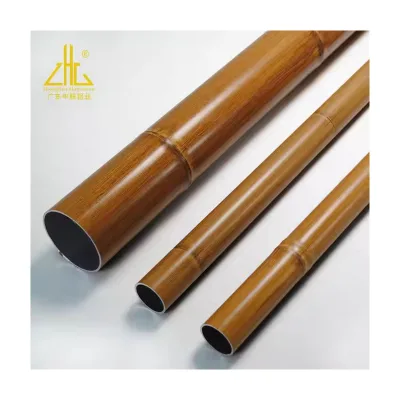


Collapsible Tubes Aluminum Collapsible Tubes Pure Aluminum Collapsible Tubes
$0.05 - $0.07
MOQ: 50000 Pieces


Comprehensive Sourcing Guide
Strategic Sourcing Guide for Water Resistant Aluminum Bamboo Tubes
Navigating the global market for specialized packaging and structural components requires a rigorous understanding of material properties, manufacturing capabilities, and compliance frameworks. When sourcing water-resistant aluminum bamboo tubes, buyers must distinguish between genuine composite structures and products that merely utilize aluminum for water resistance while incorporating bamboo elements or alternative materials. The available market data reveals a diverse landscape of aluminum-based products, ranging from extruded tubes to collapsible packaging, each with distinct specifications. This guide provides a disciplined approach to evaluating suppliers, verifying technical claims, and ensuring that the final procurement aligns with operational requirements for durability and environmental resistance.
Understanding Material Composition and Structural Integrity
The core of any successful procurement strategy for aluminum-based tubes lies in verifying the exact material composition and structural design. While the search term includes "bamboo," the supplied product data indicates a heavy prevalence of pure aluminum and alloy steel constructions. Buyers must be vigilant when evaluating listings that claim bamboo content, as the observed inventory frequently lists "Aluminium" as the primary body material, with specific mentions of "Alloy steel" and "Silver" as metal/alloy types. The presence of "Aluminum tube" and "extruded Aluminum tubes" in the product models suggests that the structural integrity relies on aluminum's inherent resistance to corrosion and water.
When assessing the physical structure, the data highlights a "Sealed Type" configuration, which is critical for water resistance. A sealed structure prevents moisture ingress, protecting the internal contents or the structural core from degradation. Furthermore, the "Tube-fin" radiator core type and "Direct-flow" characteristics observed in related aluminum products indicate that the manufacturing process involves precise engineering to manage fluid dynamics and heat transfer, which often correlates with high-precision tube fabrication. Buyers should verify if the "bamboo" element mentioned in their search is a surface finish, a composite layer, or a mislabeled product, as the confirmed data points to "Aluminium" and "Alloy steel" as the dominant materials. The "Metal/Alloy Type" field explicitly lists "Alloy steel, Silver," suggesting that some high-performance tubes may utilize steel alloys for added strength, potentially coated or treated to mimic or integrate with other aesthetic materials.
Technical Specifications and Dimensional Variability
Precision in dimensions and model specifications is paramount when sourcing custom aluminum tubes. The observed product data reveals a wide spectrum of model numbers, including "AP-36," "AP-23," "001," and generic descriptors like "Square Tube D Tube Round Tube." This variability indicates that suppliers offer highly customized solutions rather than a single standardized product. The "Size" and "Dimensions" fields show ranges such as "3-6M" for length and specific diameters like "25mm," while other entries list standard sizes like "1/2''- 6''."
Buyers must carefully cross-reference their required dimensions against the supplier's "prod_model" and "Dimensions" capabilities. The "prod_standard" field lists "807060cm," which may refer to packaging dimensions or specific product profiles, while the "Standard" field also mentions "1/2''- 6''," likely referring to pipe or tube diameters. The "prod_packing" methods vary from "Wooden Pallet" to "Bundle" and "Carton," which impacts how the tubes are shipped and protected. For water-resistant applications, the "Surface Finish" is a critical technical specification. The data lists "Fluorocarbon spraying," "Wood-grain transfer," and "Powder spraying" as available processes. These finishes are essential for enhancing water resistance and aesthetic appeal. A "Wood-grain transfer" might be the specific feature buyers are looking for to achieve a bamboo-like appearance, but it must be confirmed that this finish provides the necessary waterproof barrier.
Compliance, Certification, and Regulatory Standards
In the B2B procurement of aluminum and composite tubes, verifying certifications is a non-negotiable step to ensure safety and market access. The supplied facts confirm the existence of "CCC" (China Compulsory Certification) and "ISO" certifications among the product attributes. These certifications are vital for products intended for use in regulated industries such as cosmetics, medicine, food, and chemical processing, as indicated by the "Usage" field. The "CCC" certification specifically addresses safety and quality standards within the Chinese market, while "ISO" represents international adherence to quality management systems.
However, buyers must exercise caution regarding the "Cold Style" and "Water-cooled" certifications listed in the data. These appear to be specific to cooling systems or radiators rather than general packaging tubes. When sourcing for water-resistant tubes, the presence of "CCC" and "ISO" is a positive indicator, but the specific application of these certifications must be validated. The "TSCold Style" and "Water-cooled" tags suggest that some listed products are designed for thermal management, which may not be the primary requirement for a packaging tube. Buyers should request specific documentation proving that the "CCC" or "ISO" status applies to the specific tube model being purchased, ensuring that the certification covers the intended use case, such as food contact or chemical storage. The "Small Orders: Accepted" attribute suggests flexibility in compliance testing for smaller batches, but larger orders will likely require full certification validation.
Cost Drivers and Pricing Dynamics
The pricing structure for aluminum and composite tubes is influenced by several factors, including material purity, customization levels, and order volume. The observed price range in the market spans from $0.01 to $102.66, a significant variance that reflects the diversity of product types, from simple aluminum profiles to complex, customized assemblies. The "MOQ" (Minimum Order Quantity) ranges from 1 to 300,000 units, indicating that suppliers cater to both prototyping needs and large-scale industrial production.
Material purity is a key cost driver. The data specifies "Aluminum Material Purity: >99.7% Aluminum," which commands a higher price point compared to lower-grade alloys. The "Customization" attribute is available for "Color," "Material," and "Size," all of which add to the production cost. Custom colors, such as "Grey" or "Color," and specific surface treatments like "Fluorocarbon spraying" or "Powder spraying" increase the unit price. Additionally, the "Internal Lacquer: Golden" and "Thread: M11" specifications suggest that internal coatings and threading add complexity and cost. Buyers should expect that highly customized orders, particularly those requiring specific "Wood-grain" finishes to mimic bamboo, will fall on the higher end of the price spectrum. The "Wooden Pallet" and "Carton" packing options also influence logistics costs, which should be factored into the total landed cost.
Typical Applications and Usage Scenarios
The versatility of aluminum tubes allows them to serve a wide range of industries, from consumer goods to industrial applications. The "Usage" field explicitly lists "Cosmetics, Medicine, Food, Toothpaste, Chemical," highlighting the primary sectors where water-resistant aluminum tubes are in high demand. In the cosmetics and pharmaceutical industries, the "Sealed Type" structure and "Internal Lacquer" are crucial for maintaining product integrity and preventing contamination. The "Water Temperature Sensor Type: Digital Type" and "Cooling Fluid Type: Alcohol" mentioned in the data suggest that some aluminum tubes are also used in cooling systems or fluid transport, where precise temperature control and fluid compatibility are essential.
For applications requiring a bamboo aesthetic, the "Wood-grain transfer" surface finish offers a viable solution. This process allows manufacturers to achieve the visual appeal of bamboo while retaining the durability and water resistance of aluminum. The "Feature: Durable" and "Feature: recyclable" attributes make these tubes suitable for eco-conscious brands that require sustainable packaging. The "Printing" options, including "Aluminum, Paper Sticker Labeled," provide flexibility for branding and labeling requirements. Buyers in the food and chemical sectors should prioritize tubes with "Aluminum Material Purity >99.7%" to ensure chemical resistance and safety.
Supplier Evaluation and Quality Control Protocols
Evaluating suppliers for aluminum bamboo tubes requires a multi-faceted approach, focusing on their ability to deliver consistent quality and meet customization demands. The "Customization: Available" attribute indicates that suppliers are willing to adapt their products to specific buyer needs, but this flexibility must be managed through strict quality control. Buyers should verify the "Surface Finish" processes, ensuring that "Fluorocarbon spraying," "Wood-grain transfer," and "Powder spraying" are applied consistently. The "Polished Aluminum Profile" options, including "Chemical-polished" and "Mechanical-polished," suggest that surface quality can be tailored, but buyers must request samples to verify the finish quality.
Quality control should also extend to the "prod_packing" methods. The use of "Wooden Pallet," "Bundle," and "Carton" packing implies different levels of protection during transit. For water-resistant tubes, ensuring that the packaging prevents moisture damage during shipping is critical. The "Location: China" origin is a common source for these products, but buyers should verify the specific factory capabilities and lead times. The "Small Orders: Accepted" feature suggests that some suppliers are agile, but larger orders may require more rigorous planning. Buyers should request test results for water resistance and durability, particularly for applications in the "Chemical" and "Food" sectors. The "Feature: recyclable" claim should be backed by documentation to support sustainability goals.
Long-Term Procurement and Supply Chain Considerations
Sourcing aluminum bamboo tubes is not just a one-time transaction but a long-term partnership that requires strategic planning. The "MOQ" range of 1 to 300,000 units allows for scalability, but buyers must consider the impact of volume on pricing and lead times. The "prod_model" variability, including "Square Tube D Tube Round Tube," suggests that suppliers may need to adjust their production lines for different orders, which could affect lead times. Buyers should establish clear communication channels to manage these variations and ensure that the "Dimensions" and "Size" specifications remain consistent over time.
The "Standard: 807060cm" and "Standard: 1/2''- 6''" indicate that there are established norms, but customization is the norm rather than the exception. Buyers should plan for the "Color: Customized" and "Material: Customized" options to ensure that the final product meets brand identity requirements. The "Internal Lacquer: Golden" and "Thread: M11" details highlight the importance of specifying internal and external features clearly to avoid production errors. Long-term procurement also involves monitoring the "Certification" status, ensuring that "CCC" and "ISO" certifications remain valid and that the supplier maintains compliance with evolving regulations. By focusing on these strategic elements, buyers can secure a reliable supply of high-quality, water-resistant aluminum tubes that meet their specific operational and aesthetic needs.
FAQs
Can Water Resistant Aluminum Bamboo Tubes be customized?
Yes, customization is available for color, material, and size. Buyers can request specific dimensions like 3-6M lengths or 25mm diameters, and choose finishes such as wood-grain transfer to mimic bamboo aesthetics while maintaining aluminum durability.
What certifications do these aluminum tubes hold?
Products carry CCC and ISO certifications to ensure quality and safety. These standards are critical for usage in regulated sectors like cosmetics, medicine, and food, though specific cooling certifications may apply to radiator components rather than packaging tubes.
How are the tubes packed for shipping?
Tubes are shipped using wooden pallets, bundles, or cartons depending on the order. This varied packing ensures protection during transit, with specific dimensions like 80*70*60cm noted for standard profiles to prevent damage to the sealed type structures.
What surface finishes are available for these tubes?
Available finishes include fluorocarbon spraying, wood-grain transfer, and powder spraying. These processes enhance water resistance and allow for aesthetic customization, such as achieving a bamboo-like appearance while utilizing durable aluminum or alloy steel materials.
What is the minimum order quantity for these products?
The minimum order quantity ranges from 1 to 300,000 units based on supplier capabilities. This flexibility supports both small prototype orders and large-scale industrial production, with pricing varying significantly from $0.01 to $102.66 depending on customization.
Where are these aluminum tubes manufactured?
The products originate from China, where manufacturers offer extruded aluminum tubes and alloy steel options. Buyers should verify specific factory capabilities and lead times, as the origin location influences logistics costs and compliance with international shipping standards.