Source Water Resistant Portable Backpack for Travel, Hiking, and Business
Source Water Resistant Portable Backpack options from 30 verified listings. Compare features like polyester construction, zipper closures, and customized logos for outdoor, camping, and travel needs. These bags offer soft hardness and vertical square shapes suitable for various activities; compare the available evidence and request quotations based on your requirements.
Updated
Key considerations
Products List


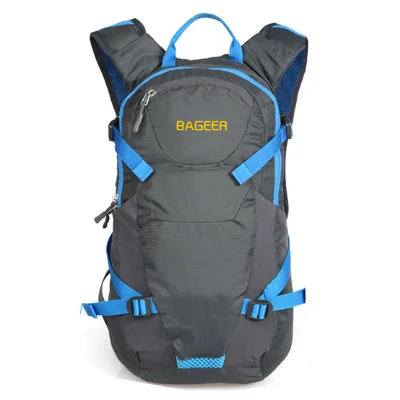
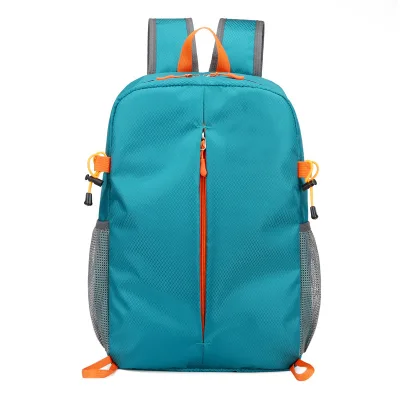

Multi-Functional Outdoor Travel Hiking Waterproof and Wear-Resistant Backpack
$80.00 - $180.00
MOQ: 50 Pieces

a Waterproof and Large-Capacity Backpack Suitable for Outdoor Hiking Trips
$60.00 - $135.00
MOQ: 50 Pieces
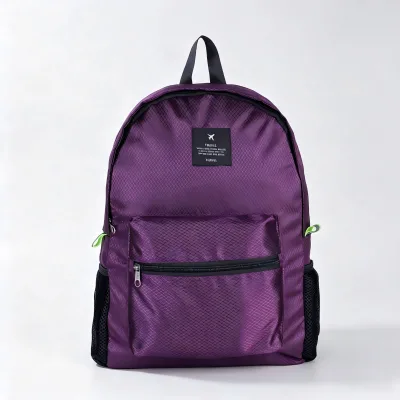
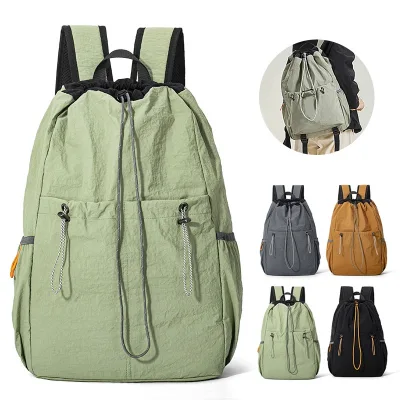
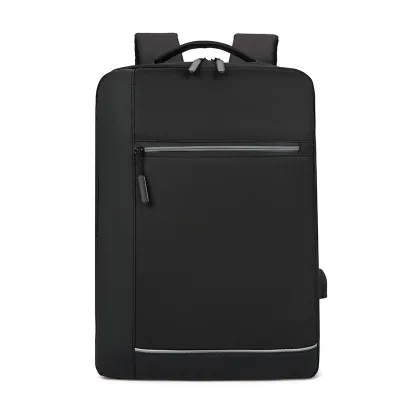
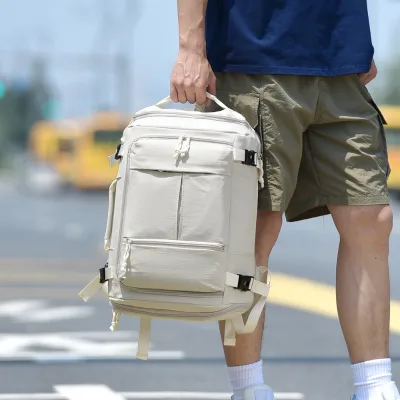
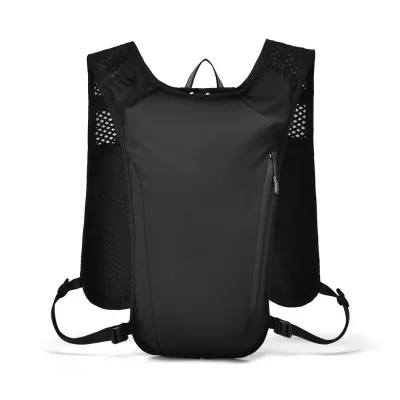
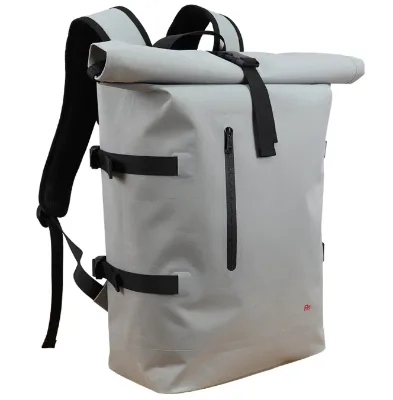


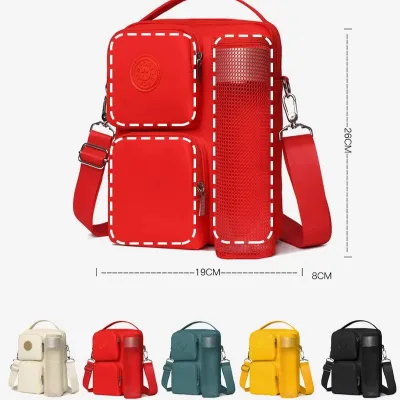
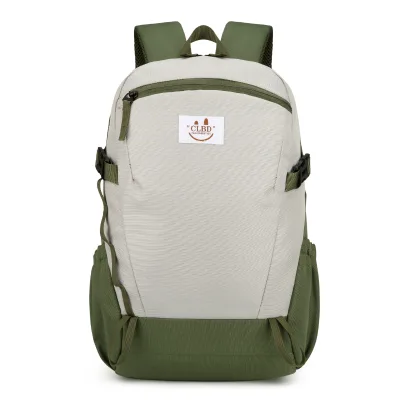
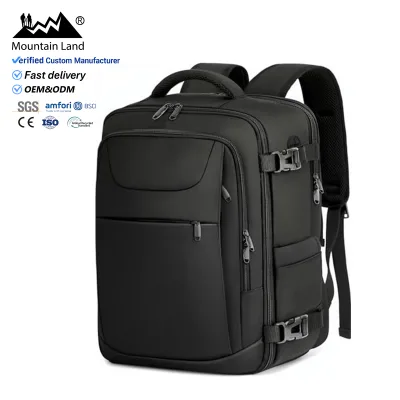
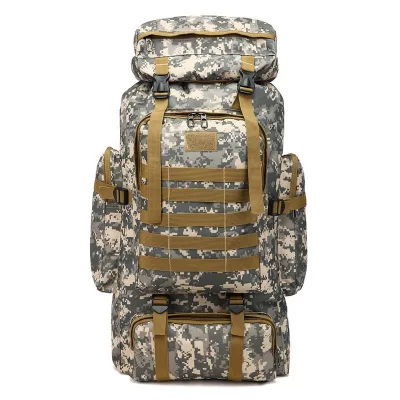
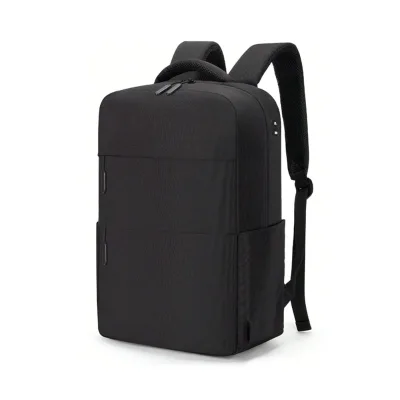


Lightweight 90L Waterproof Backpack for Travel and Outdoor Activities
$70.00 - $72.00
MOQ: 1000 Pieces


Comprehensive Sourcing Guide
Water Resistant Portable Backpack Sourcing Guide
The current market listing for portable backpacks indicates a specific material composition of polyester, yet the observed product attributes explicitly state that the items are not waterproof. Buyers must carefully distinguish between general water resistance and full waterproofing, as the available data confirms a lack of waterproof certification for the listed models. This distinction is critical when selecting gear for outdoor activities where exposure to rain or moisture is a primary concern. Procurement teams should verify if the "water resistant" claim in marketing materials aligns with the actual "Not Waterproof" specification found in the product data to avoid mismatched expectations.
When evaluating the product scope, it is essential to note that the observed listings include various styles such as hiking bags, carry-ons, and business backpacks, all sharing a common polyester construction. The observed price range spans from 0.8 to 180 USD, suggesting a wide variance in quality and feature sets that buyers must navigate. While some models feature specialized compartments for laptops and anti-theft designs, others are designed for general sports and camping use. Buyers should align their specific usage requirements, such as carrying a laptop or engaging in hiking, with the detailed feature sets provided in the product specifications rather than assuming all listed items offer identical protection levels.
Technical Specifications to Verify
Buyers must rigorously verify the physical dimensions and capacity claims against the specific product models listed, as the data shows significant variation in standard sizes. For instance, one model is specified at 4227.511cm, while another measures 352059 CM, and a third is listed in inches as 29.9 x 16.9 x 3.9 inches. These discrepancies highlight the necessity of confirming the exact dimensions required for the intended load, whether it is a carry-on item or a large capacity hiking bag. Relying on generic descriptions without checking the specific prod_standard values can lead to logistical issues regarding storage and transport compatibility.
In addition to dimensions, the internal organization and structural features require detailed verification to ensure they meet operational needs. The observed product data lists specific features such as breathable back panels, luggage straps, and multiple compartments including side pockets and laptop sections. However, the hardness is described as "Soft," which may impact the structural integrity of the bag when carrying heavy loads. Procurement teams should request physical samples to test the durability of the zipper closure and the stitching quality, as these are critical for maintaining the bag's shape and functionality during extended outdoor use or daily commuting.
Compliance and Safety Documentation
While the supplied context mentions the IEC 60529 standard in a low-confidence background section, there is no confirmed certification data provided for the specific backpack models listed. Buyers should not assume that the products meet international ingress protection standards for water resistance without explicit documentation from the supplier. It is imperative to request third-party test reports that specifically address water resistance and material durability, as the product attributes explicitly state the items are not waterproof. Relying on unverified claims can result in product failure during critical outdoor activities or business travel scenarios.
Safety and compliance also extend to the materials used in the construction of the backpacks, particularly given the polyester composition observed in the listings. Buyers need to ensure that the polyester fabric and any associated hardware meet relevant safety standards for the target market, such as restrictions on hazardous substances or flammability requirements. Since the product origin is listed as China, importers must verify that the manufacturing process adheres to the safety regulations of the destination country. Requesting a Declaration of Conformity or specific material safety data sheets is a necessary step to mitigate liability and ensure the product is safe for consumer use.
Cost Drivers and Commercial Terms
The commercial landscape for these backpacks is defined by a broad price range of 0.8 to 180 USD, driven by factors such as customization options, material quality, and feature complexity. The availability of customization for logos and styles allows for brand differentiation but can significantly impact the unit cost. Buyers must analyze the cost-benefit ratio of adding custom branding versus the base price, especially when the MOQ ranges from 2 to 10,000 units. Understanding the specific cost drivers for the desired model, such as the inclusion of a laptop compartment or anti-theft design, is essential for accurate budgeting and margin planning.
Payment terms and lead times are critical commercial variables that must be negotiated clearly to ensure supply chain stability. The observed data indicates a production time of 45-60 days after receiving a deposit, with a sample lead time of approximately 7-10 days. The standard payment term listed is T/T, which requires careful financial planning to manage cash flow during the production cycle. Buyers should clarify the deposit percentage and the final payment schedule to avoid delays, while also accounting for the potential variability in lead times due to order volume or customization requirements.
Supplier Qualification and Quality Control
Supplier qualification should focus on verifying the production capabilities and quality control processes, particularly given the diverse range of models and specifications available. The observed product origin is China, with a port of loading in Xiamen, which suggests a specific logistical route that buyers must factor into their supply chain planning. It is advisable to audit the supplier's ability to handle the specific customization requests, such as logo printing and style variations, while maintaining consistent quality across different production batches. A robust quality control plan should include pre-production sample approval and in-line inspections to ensure the final product matches the agreed specifications.
Quality control measures must also address the specific attributes of the backpacks, such as the softness of the material and the functionality of the zipper closure. Since the products are described as having a "Soft" hardness, the structural integrity of the seams and the durability of the fabric under stress are key areas for inspection. Buyers should implement a rigorous sampling protocol to test the backpacks for wear and tear, ensuring that features like the breathable back panel and organizer compartments function as intended. Establishing clear acceptance criteria for defects and return policies is essential to maintain product quality and customer satisfaction.
Long-Term Procurement Checks
Long-term procurement success depends on establishing a reliable relationship with suppliers who can consistently meet the evolving demands of the market. The observed product data includes multiple models with different specifications, indicating a need for a supplier capable of managing a diverse product portfolio. Buyers should conduct regular performance reviews to assess the supplier's ability to maintain lead times, manage inventory, and deliver consistent quality over multiple production cycles. Building a strategic partnership ensures that the supply chain remains resilient against potential disruptions and allows for agile responses to market changes.
Continuous monitoring of product performance and customer feedback is vital for identifying areas of improvement and ensuring long-term satisfaction. Buyers should track the durability of the polyester material and the functionality of features like the laptop compartment and anti-theft design in real-world usage scenarios. Regularly updating the product specifications based on user feedback can help refine the offering and maintain a competitive edge. By maintaining open communication with suppliers and staying informed about industry trends, buyers can ensure that their procurement strategy remains effective and aligned with market demands.
FAQs
Can I customize the logo on these polyester backpacks?
Yes, customized logos are available for these polyester backpacks. The products support personalization to meet specific branding needs. Buyers can request tailored designs to align with their corporate identity or marketing campaigns. This customization option allows for unique product differentiation in the competitive outdoor and travel accessory market.
What is the lead time for production?
The production lead time is typically 45-60 days after receiving the deposit. This timeframe applies to standard manufacturing processes for these polyester bags. Buyers should plan their inventory accordingly to ensure timely delivery for seasonal demands or specific project deadlines in the outdoor and hiking sectors.
What are the standard dimensions for these bags?
Standard dimensions vary by model, such as 42*27.5*11cm or 35*20*59cm. Some models are specified in inches, like 29.9 x 16.9 x 3.9 inches. These sizes cater to different capacity needs, ranging from medium to big, suitable for various outdoor, camping, and travel applications requiring portable storage solutions.
Are these backpacks waterproof?
No, these backpacks are not waterproof. They are made of polyester with a soft texture and simplicity style. While suitable for outdoor and hiking use, they lack waterproofing features. Buyers requiring water resistance should consider additional protective measures or specific waterproof models not covered by these standard non-waterproof specifications.
What is the minimum order quantity for these items?
The minimum order quantity ranges from 2 to 10,000 units depending on the specific model and customization requirements. This flexible MOQ allows both small trial orders and large bulk purchases. Buyers can negotiate terms based on their volume needs, ensuring scalability for various business sizes in the sports and travel gear market.
What payment terms are accepted for these orders?
The accepted payment term is T/T, which stands for Telegraphic Transfer. This standard banking method ensures secure transactions for international trade. Buyers should arrange deposits and balance payments according to the agreed schedule. This payment structure is common for B2B transactions involving custom manufacturing and bulk orders of polyester bags.