China Leather Hand Bag Suppliers and Manufacturers
Source 27 verified China Leather Hand Bag suppliers from Guangdong and Fujian. Compare response times, lead times, MOQs, and certifications like BSCI and SGS. Review product specs and pricing to identify suitable partners for your sourcing needs; review the available evidence before requesting comparable quotations from suitable candidates.
Updated
Suppliers List
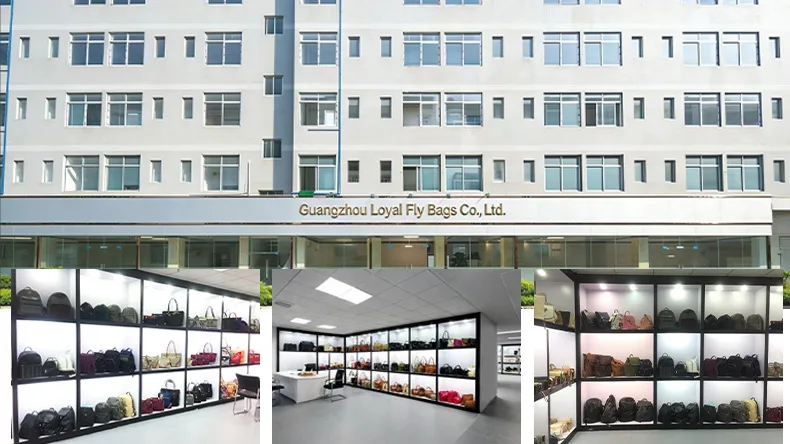
Guangzhou Loyal Fly Bags Co., Ltd.
- Manufacturer, Trading Company, Distributor/Wholesaler
- Guangdong, China
- Lead time30 days
- Avg. response≤ 3h
Main productsBags,Handbags,Backpacks,Travel Bags,Laptop Bags
Main marketsNorth America(15.00%), South Asia(10.00%), Mid East(10.00%), Southeast Asia(10.00%), Southern Europe(10.00%), Northern Europe(10.00%), Western Europe(10.00%), Domestic Market(5.00%), Eastern Asia(5.00%), Africa(5.00%), Eastern Europe(5.00%), South America(5.00%)

Zhang Fan's Garments Store, Quanzhou Fengze District Quanxiu Street
- Trading Company
- China Fujian
- Lead time0 days
- Avg. response≤ 1h
Main productsShoe, Bag, Watch, Clothing, T-Shirt, Belt, Jewelry, Perfume, Down Jacket


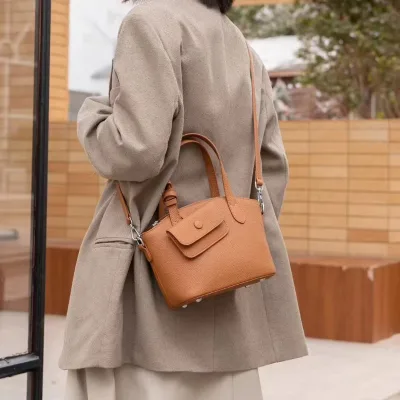
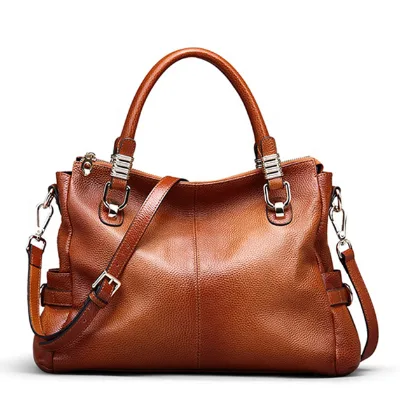
Fashion Women's Handbag, New Shoulder Bag, Genuine Leather Handbag, Trendy Handbag
$8.90 - $29.90
MOQ: 1 Pieces
Guangzhou Hongfeng Leather Co., Ltd.
- Verified by TüVRheinland
- Manufacturer, Trading Company
- Lead time30 days
- Avg. response≤ 2h
Main productsLady Handbag, Clutch, Satchels, Leather Bag, Wallet
Main marketsNorth America(25%), Eastern Europe(20%), Mid East(20%)

Guangzhou Modicci Fashion Co., Limited
- Verified by SGS
- Trading Company,Manufacturer/Factory
- China Guangdong
- Lead time45 days
- Avg. response≤ 19h
Main productsHandbag, Backpack, Crossbody, Wallet, Clutch, Purse, Keyring, Jewellery Box, Card Holder, Laptop Backpack
Main marketsSouth America,Eastern Europe,Mid East,North America,Southeast Asia,Eastern Asia,Oceania,Western Europe,Africa

5-7business Days Female Handbag Leather Handbags Guangzhou Factory Bags Fashion Hot Sale
$4.00 - $9.00
MOQ: 200 Pieces

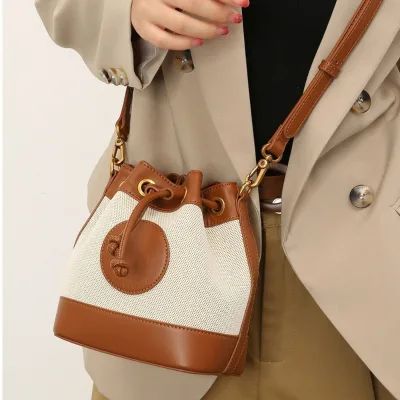
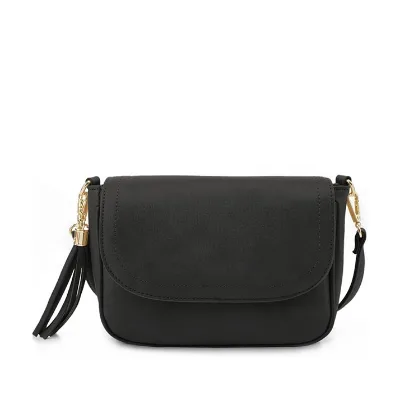
New Style Handbag Messenger Bag Leather Bucket Bag Fashion Trend Handbag
$6.00 - $10.00
MOQ: 200 Pieces
Guangzhou Gionar Leather Products Co., Ltd.
- Manufacturer, Trading Company
- Lead time旺季: "1 - 500":30,"> 500":"To be negotiated", 淡季: "1 - 500":30,"> 500":"To be negotiated"
- Avg. response≤ 3h
Main productsLeather Handbag, Leather Backpack, Leather Duffel Bag, Leather Briefcase, Leather Pouches
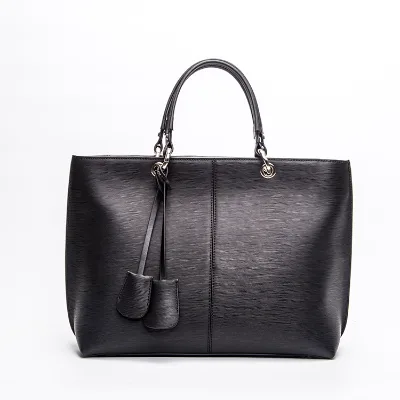
Genuine Leather Multifunction Handbag of Tote Over Shoulder From Guangzhou Bag Factory
$29.07 - $29.67
MOQ: 100
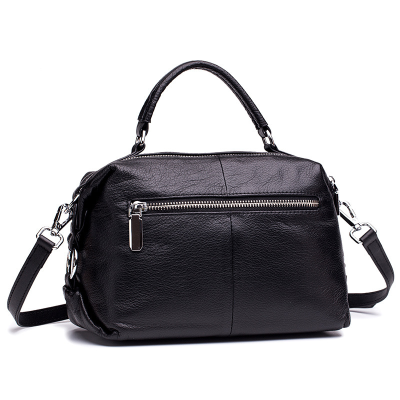
Designer Genuine Leather Handbags Girl Bags Women Handbags Lady Bag
$28.6918 - $35.8636
MOQ: 100 Minimum

Shijiazhuang Zhongxuan Trading Co., Ltd.
- Verified by SGS
- Manufacturer/Factory
- China Hebei
- Lead time15 days
- Avg. response≤ 15h
Main productsHandbag, Shoes, Clothes, Scarf, Cap, Bag, Shoulder Bag, Luggage, Jewelry, Ring
Main marketsSouth America,Eastern Europe,North America,Africa

Shanghai Tuanjue Trading Co., Ltd.
- Trading Company
- China Shanghai
- Lead time0 days
- Avg. response≤ 25h
Main productsLadies' Bag
Guangzhou Gionar Leather Products Co., Ltd.
- Verified by SGS Group
- Manufacturer, Trading Company
- Lead time30 days
- Avg. response≤ 5h
Main productsLaptop Backpacks, Handbags, Evening Bags, Collar And Leash Products, Messenger Bags
Main marketsNorth America(35%), Oceania(15%), Western Europe(11%)
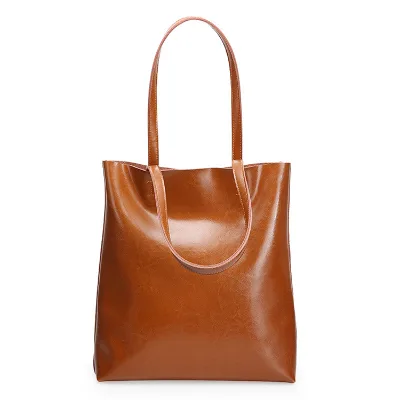
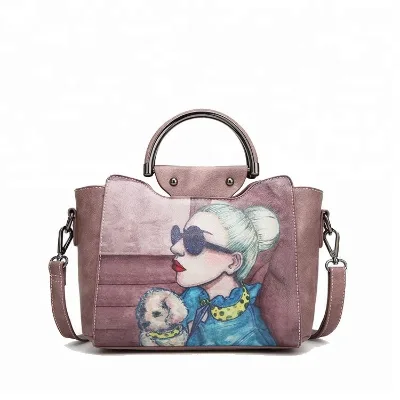
2020 Custom Printed Pattern Leather Lady Designer Handbags Famous Brands in China
$11.80 - $13.20
MOQ: 300
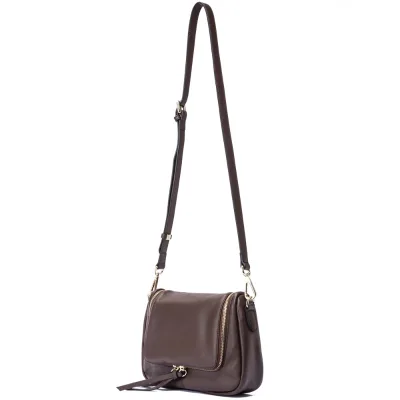
$33.3713 - $35.2906
MOQ: 100 pieces
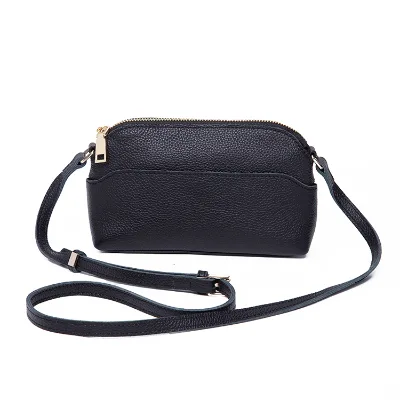
Simple in Fashion Cut Edge Design Soft Genuine Leather Crossbody Women Handbag
$14.0774
MOQ: 1 Minimum

Guqi Outdoor Products(Guangzhou) Co., Ltd.
- Verified by CTI
- Combined
- China Guangdong
- Lead time23 days
- Avg. response≤ 12h
Main productsBackpack
Main marketsDomestic

Qingdao Sanliang Yipin Network Technology Co., Ltd
- Verified by SGS
- Manufacturer/Factory
- China Shandong
- Lead time30 days
- Avg. response≤ 7h
Main productsBag, Plush Toys, Clothes, Pet Accessories, Jewellery
Main marketsSouth America,Eastern Europe,Mid East,North America,Southeast Asia,Eastern Asia,Oceania,Western Europe,Africa

Jinjiang Jiaxing Supply Management Co., Ltd.
- Verified by TUVRHEINLAND
- Trading Company
- China Fujian
- Lead time30 days
- Avg. response≤ 2h
Main productsEVA Clogs, Flip Flop, Shoe Charms, Shopping Bags, Wristbands, Gifts, Promotional Gifts, Slipper, Sport Cap, Ball
Main marketsNorth America
Guangzhou Yidai Leather Co., Ltd.
- Verified by Intertek
- Manufacturer, Trading Company
- Lead time45 days
- Avg. response≤ 1h
Main productsHandbag, Crossbody, Backpack, Wallet, Shoulder Bag
Main marketsNorth America(30%), South America(20%), Eastern Europe(20%)
Shenzhen D-Jeesian Bags Co., Ltd.
- Verified by TüVRheinland
- Manufacturer, Trading Company
- Lead time25 days
- Avg. response≤ 4h
Main productsLunch Cooler Bags, Travel Bags, Cosmetic Bags, Tote Bag, Picnic Blanket
Main marketsNorth America(40%), Domestic Market(25%), Oceania(10%)
Guangzhou Bawan Leather Co., Ltd.
- Verified by TüVRheinland
- Manufacturer, Trading Company
- Lead time15 days
- Avg. response≤ 4h
Main productsBackpack, Duffel Bag, Messenger Bag, Tote Bags, Laptop Backpacks
Main marketsWestern Europe(50%), North America(30%), Eastern Europe(5%)
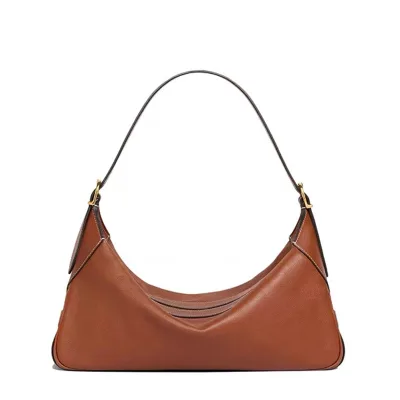
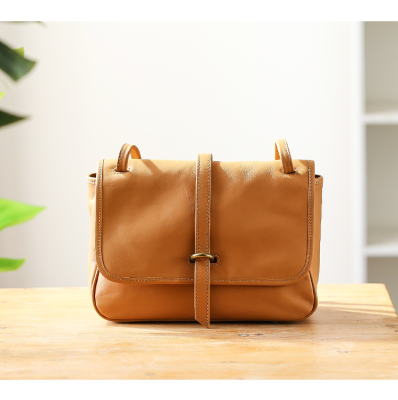
Vintage Fashion Leather Shoulder Bag Handbag Leather Premium Underarm Bag Saddle Messenger Bag
$78.18 - $81.18
MOQ: 1 bags
Hengshui Liou Import And Export Trade Co., Ltd.
- Verified by SGS Group
- Trading Company
- Lead time15 days
- Avg. response≤ 3h
Main productsClothing, Camping Cart, Wallet and bags, Watch, Sport Brace
Main marketsNorth America(50%), South America(10%), Oceania(10%)
Badi Industry Co., Ltd. Guangdong
- Verified by SGS Group
- Manufacturer, Trading Company
- Lead time45 days
- Avg. response≤ 4h
Main productsHandbag, Lady Bag, Wallet, Purse, Backpack
Main marketsSoutheast Asia(15%), North America(10%), South America(10%)

Yangzhou Bozhiyue Import and Export Trading Co., Ltd.
- Verified by SGS
- Trading Company
- China Jiangsu
- Lead time15 days
- Avg. response≤ 3h
Main productsLuxury Handbag, Sling Bag, Tote Bag, Shopping Bag, Canvas Bag, Garment Bag
Main marketsEurope
Guangzhou Tinlee Leather Co., Ltd.
- Manufacturer, Trading Company
- Lead time旺季: "1 - 1":15,"2 - 300":45,"301 - 5000":60,"> 5000":"To be negotiated", 淡季: "1 - 1":15,"2 - 300":45,"301 - 5000":60,"> 5000":"To be negotiated"
- Avg. response≤ 3h
Main productsHandbags, Women Shoulder Bag, Women Crossbody Bag, Women Tote Bag, Women Bucket Bag
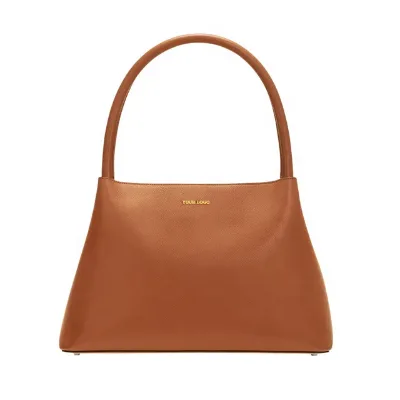
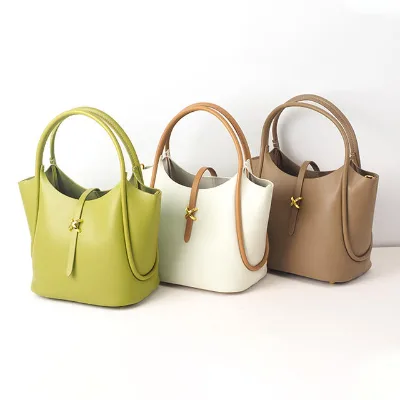
Manufacturers Direct Sales Luxury Fashion Custom Handbag Cruciform Leather Women Handbag
$14.75 - $21.74
MOQ: 100

Guangzhou Zexin Leather Co., Ltd.
- Verified by SGS
- Combined
- China Guangdong
- Lead time30 days
- Avg. response≤ 17h
Main productsLadies Handbag, Handbag, Fashion Handbag, PU Handbag, Leather Handbag, Women Handbag, Fashion Bag, Designer Handbag, Lady Bag, Leather Bag
Main marketsDomestic,Europe,North America

Sichuan Shishitong Information Technology Co., Ltd
- Verified by TUVRHEINLAND
- Trading Company
- China Sichuan
- Lead time23 days
- Avg. response≤ 2h
Main productsFan, Women Handbags, Luxury Fashion Shoulder Bag, Tote Bag, Shoes
Main marketsNorth America

Handbag Fashion Bag Luxury Design, Women's Shoulder Bag, Leather Tote Bag
$5.60 - $6.80
MOQ: 10 Pieces


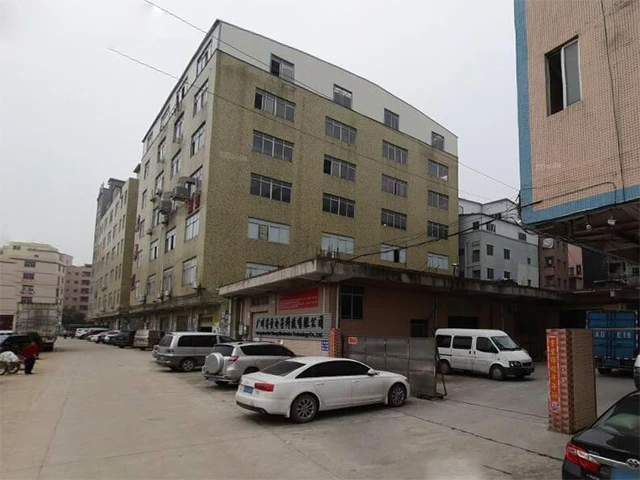
Guangzhou Bosheng Technology Co., Ltd.
- Manufacturer, Trading Company
- Guangdong, China
- Lead time25 days
- Avg. response≤ 5h
Main productsleather case,phone case,laptop bag,handbag,wallet
Main marketsWestern Europe(20.00%), North America(20.00%), Domestic Market(15.00%), Southern Europe(10.00%), Northern Europe(10.00%), Central America(10.00%), Eastern Asia(10.00%), Eastern Europe(5.00%)
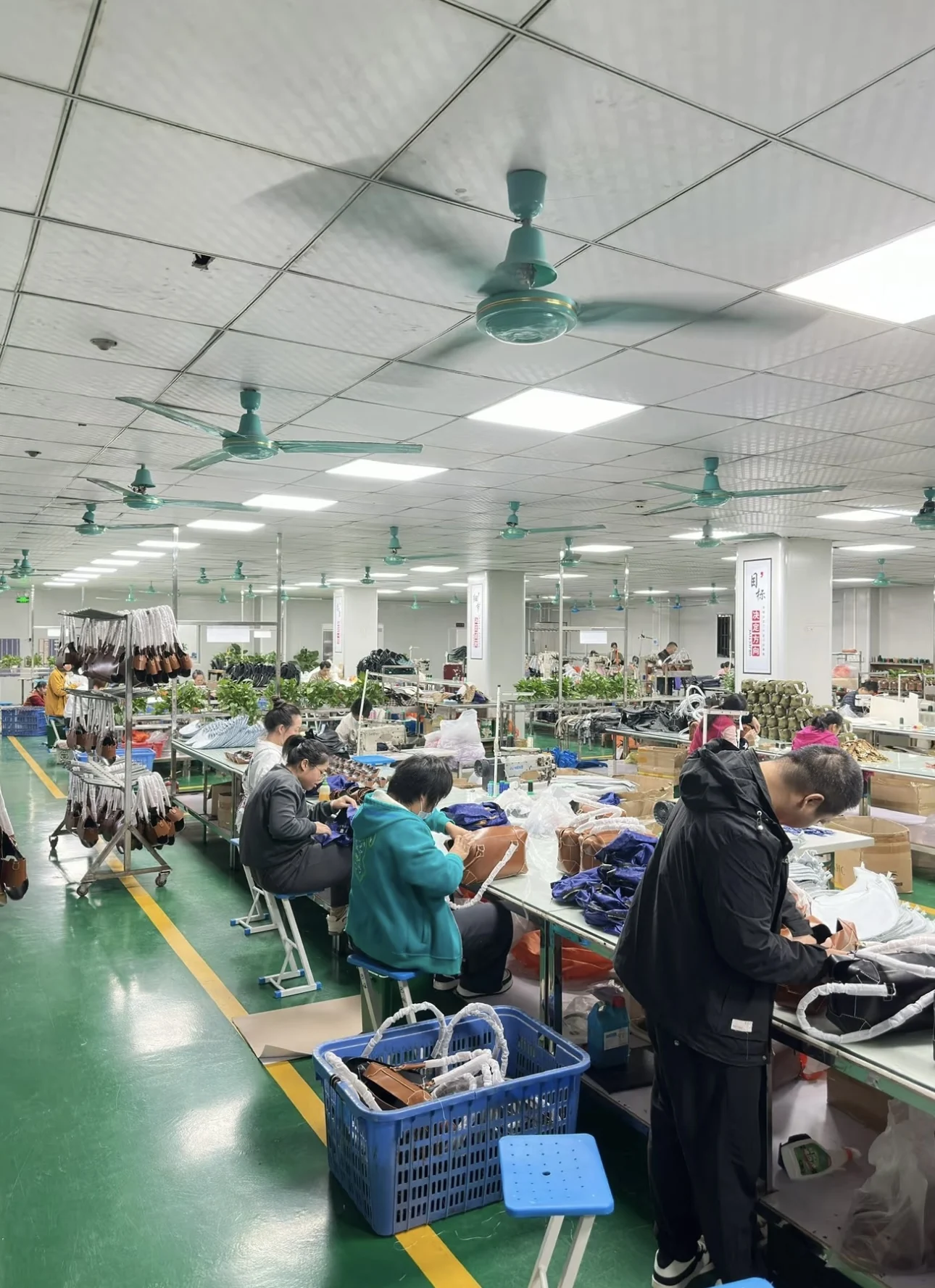
Guangzhou Sam Leather Goods Co., Ltd.
- Trading Company
- Guangdong, China
- Lead time30 days
- Avg. response≤ 3h
Main productsGenuine Leather Women's Handbag,Genuine Leather Women's Shoulder Bag,Genuine Leather Women's Tote bag,Genuine Leather Women's Bucket Bag,Women's leather Woven Bags
Main marketsNorth America(50.00%), Western Europe(20.00%), Southeast Asia(20.00%), Africa(10.00%)

Shijiazhuang Dongcang Trading Co., Ltd.
- Verified by SGS
- Trading Company,Manufacturer/Factory
- China Hebei
- Lead time15 days
- Avg. response≤ 10h
Main productsHandbag, Shoulder Bag, Shoes, Clothes, Jewelry, Swimwear, Sunglasses
Main marketsSouth America,Eastern Europe,Mid East,North America,Southeast Asia,Eastern Asia,Oceania,Western Europe,Africa


Luxury Designer Handbag Top Quality Ladies Handbags Luxury Fashion Handbags
$15.00 - $75.00
MOQ: 1 Pieces
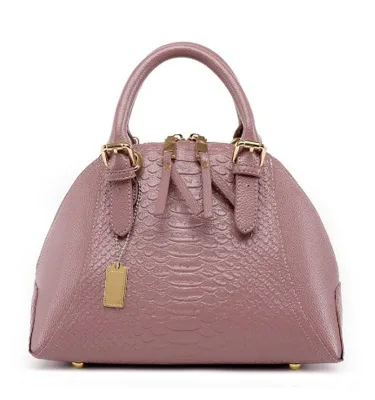
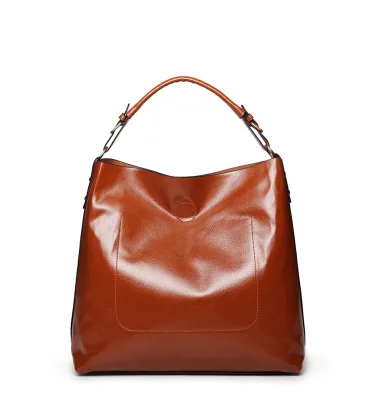
Guangzhou Youbeige Leather Co., Ltd.
- Manufacturer
- Guangdong, China
- Lead time45 days
- Avg. response≤ 14h
Main productsHandbag,Waist Bags,Backpacks,Wallets & Holders,Duffel
Main marketsEastern Asia(30.00%), Mid East(30.00%), Oceania(20.00%), South America(10.00%), North America(10.00%)
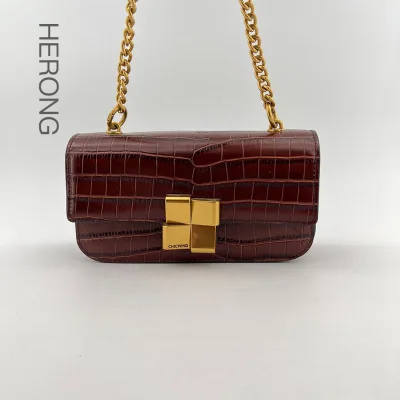
Herong (guangzhou) Trading Co., Ltd.
- Trading Company
- Guangdong, China
- Lead time0 days
- Avg. response≤ 2h
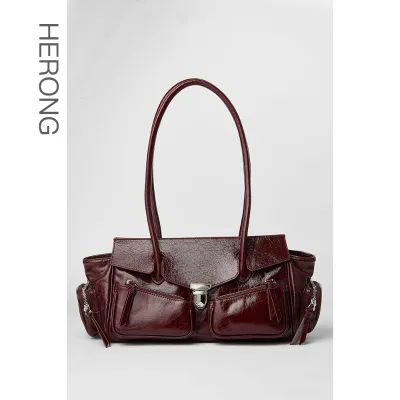
Main productsFemale bag,Genuine Leather Women's Handbag,Genuine Leather Women's Tote bag,Women's Shoulder Bag,Handbags
Main marketsSouth America(40.00%), Eastern Europe(30.00%), North America(30.00%)
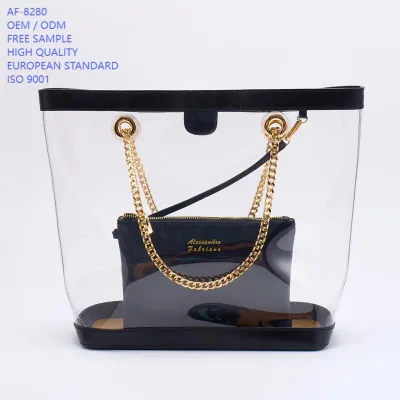
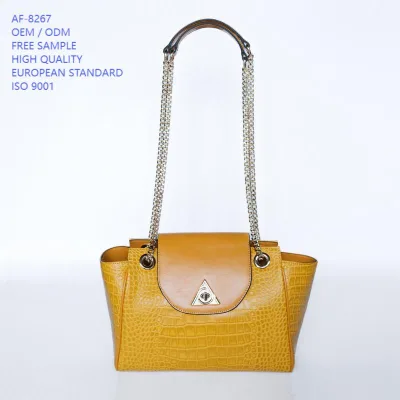
Longnan Fabriano Leatherware Co., Ltd.
- Manufacturer, Trading Company
- Jiangxi, China
- Lead time30 days
- Avg. response≤ 24h
Main productsLeather Handbag , Shoulder Bag , Cross Body Bag , Backpack , Genuine Leather
Main marketsNorth America(100.00%)

Guangzhou Fu Li Ya Industry Co., Ltd.
- Verified by TUVRHEINLAND
- Combined
- China Guangdong
- Lead time30 days
- Avg. response≤ 11h
Main productsShopping Bag, Promotional Bag, Canvas Bag, Polyester Bag, Cotton Bag, Tote Bag, Non Woven Bag, Garment Bag, Cooler Bag, Hand Bag
Main marketsEurope,North America




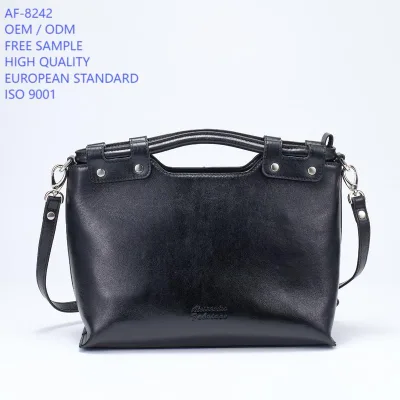


Comprehensive Sourcing Guide
China Leather Hand Bag Supplier Concentration and Factory Types
The sourcing landscape for leather handbags in China is characterized by a diverse mix of manufacturing capabilities and commercial structures, primarily concentrated in specific industrial hubs. Current data indicates that a significant portion of suppliers operates out of Guangdong, China, a region renowned for its mature supply chain infrastructure and rapid prototyping abilities. This concentration allows buyers to access a wide array of production models, ranging from large-scale factories to agile trading companies. The presence of manufacturers in this area suggests that buyers can find direct factory access for bulk orders, while trading companies offer curated selections and consolidated shipping solutions. Understanding this geographic distribution is crucial for evaluating logistics costs and communication efficiency, as proximity to ports in Guangdong can significantly impact shipping timelines and freight expenses for international buyers.
Beyond geographic location, the types of entities available vary widely in their operational focus and service offerings. The market includes pure manufacturers who specialize in production, trading companies that act as intermediaries, and hybrid entities that function as both distributors and wholesalers. Some suppliers list themselves as manufacturers and trading companies simultaneously, indicating a flexible business model that can handle both direct production and external sourcing needs. This diversity means that buyers must carefully assess the supplier’s primary role to ensure it aligns with their specific procurement strategy. For instance, a buyer seeking custom OEM services might prefer a manufacturer with dedicated R&D capacity, while a buyer looking for ready-to-ship inventory might benefit from a trading company’s extensive catalog and lower minimum order quantities.
How to Verify China Leather Hand Bag Suppliers
Verifying the legitimacy and capability of a supplier is a critical step in mitigating risk when sourcing leather handbags from China. Buyers should prioritize suppliers who have undergone third-party verification processes, as these provide an independent assessment of the company’s business scope and operational status. For example, some suppliers display verification badges from recognized entities such as TüVRheinland or SGS, which can offer additional confidence in their claims. These verifications often confirm the supplier’s legal existence and may include on-site checks of their facilities. However, buyers should not rely solely on these badges; they should also review the specific details of the verification report if available, looking for information about the company’s registered capital, employee count, and production lines to ensure they match the supplier’s stated capabilities.
In addition to third-party verification, buyers should evaluate the supplier’s responsiveness and communication efficiency as indicators of their professionalism and reliability. Response time is a key metric that can reflect how quickly a supplier can address inquiries, provide samples, or resolve issues during the production process. Data shows that response times can vary significantly, with some suppliers responding within hours while others may take longer. A faster response time often correlates with better customer service and a more organized internal workflow. Buyers should also look for suppliers who provide detailed product information, including material specifications, dimensions, and customization options, as this demonstrates a thorough understanding of their products and a commitment to transparency.
What to Compare Across China Leather Hand Bag Suppliers
When evaluating multiple suppliers, buyers should compare key operational metrics such as lead times, minimum order quantities (MOQs), and response speeds to determine which supplier best fits their business needs. Lead times can vary widely, with some suppliers offering production times of around 30 days, while others may require up to 45 days or more. Understanding these timelines is essential for inventory planning and meeting market demand. Similarly, MOQs can range from very low quantities, such as one piece for sample orders or small batches, to higher thresholds for bulk production. Buyers should assess whether the supplier’s MOQ aligns with their order volume and budget, keeping in mind that lower MOQs may come with higher unit prices.
Another critical factor to compare is the range of main products and customization capabilities offered by each supplier. Some suppliers specialize in specific types of bags, such as handbags, backpacks, or wallets, while others offer a broader range of accessories. Customization options, including logo printing, material selection, and design modifications, are also important differentiators. Buyers should inquire about the supplier’s ability to handle OEM and ODM requests, as well as their sample processing capabilities. Additionally, comparing the price ranges for similar products can help buyers identify competitive pricing and avoid overpaying. It is important to note that prices can vary based on material quality, design complexity, and order volume, so buyers should request detailed quotes for their specific requirements.
Common China Leather Hand Bag Sourcing Risks
One of the primary risks in sourcing leather handbags is the potential discrepancy between the sample provided and the final bulk production. Buyers must ensure that the materials, craftsmanship, and dimensions of the bulk order match the approved sample exactly. This risk is heightened when working with suppliers who have limited quality control processes or when there is poor communication regarding specifications. To mitigate this, buyers should invest in thorough sample testing and consider hiring third-party inspection services to verify the quality of the bulk production before shipment. It is also advisable to include detailed quality standards in the purchase contract, specifying acceptable tolerances for dimensions, color, and material defects.
Another significant risk is the reliability of the supplier’s delivery schedule. Delays in production or shipping can disrupt the buyer’s supply chain and lead to missed market opportunities. Buyers should assess the supplier’s historical performance and current capacity to handle their order volume. Suppliers with high order volumes or limited production lines may be more prone to delays. Additionally, buyers should be aware of potential logistical challenges, such as customs clearance issues or port congestion, which can further extend delivery times. Establishing clear communication channels and regular updates on production progress can help buyers stay informed and address any potential delays proactively.
China Leather Hand Bag Regional Sourcing and Logistics
The geographic location of suppliers plays a crucial role in determining logistics costs and delivery times. Suppliers located in Guangdong, China, benefit from proximity to major ports and established logistics networks, which can facilitate faster and more cost-effective shipping. This region is known for its efficient export infrastructure, making it a preferred sourcing destination for many international buyers. However, buyers should also consider the specific port of loading and the destination port when calculating total logistics costs. Shipping methods, such as express, air, or sea freight, will also impact the overall cost and timeline, with sea freight being more economical for large volumes but slower in delivery.
In addition to transportation costs, buyers should consider the packaging and labeling requirements to ensure compliance with destination country regulations. Proper packaging is essential to protect the handbags from damage during transit, while accurate labeling ensures smooth customs clearance. Buyers should work with suppliers to develop packaging solutions that balance protection and cost-efficiency. Furthermore, understanding the local regulations and standards in the destination market is crucial to avoid any legal issues or product recalls. Buyers should verify that the suppliers’ products meet the necessary safety and quality standards, such as material safety and labeling requirements, to ensure a smooth entry into the target market.
China Leather Hand Bag Commercial Terms and Order Planning
Effective order planning requires a clear understanding of the commercial terms offered by suppliers, including payment terms, pricing structures, and after-sales support. Buyers should negotiate favorable payment terms, such as partial upfront payments and balance upon shipment, to manage cash flow and reduce risk. It is also important to clarify the pricing structure, including any additional costs for customization, packaging, or shipping. Some suppliers may offer discounts for larger order volumes, so buyers should explore these options to optimize costs. Additionally, buyers should inquire about the supplier’s after-sales support, including warranty policies and return procedures, to ensure they have adequate protection in case of quality issues.
Another key aspect of order planning is the management of intellectual property and design rights. Buyers who provide custom designs or logos should ensure that their intellectual property is protected throughout the production process. This can be achieved through non-disclosure agreements (NDAs) and clear contractual clauses that specify the ownership of designs and the prohibition of unauthorized reproduction. Buyers should also verify that the supplier has the necessary certifications and compliance with relevant standards, such as BSCI or SEDEX, which indicate a commitment to ethical manufacturing practices. By carefully planning these commercial and legal aspects, buyers can establish a secure and sustainable sourcing relationship with their suppliers.
FAQs
What is the typical lead time for leather handbags from China?
Lead times vary by supplier, ranging from 30 to 45 business days after confirmation. Some manufacturers offer faster sample processing within 5 to 7 business days. Buyers should confirm specific timelines based on order volume and customization needs before placing an order.
What are the minimum order quantities for leather handbags?
Minimum order quantities differ significantly among suppliers. Some manufacturers require a minimum of 100 pieces, while others accept orders as low as one piece. Buyers must check individual product listings to determine the specific MOQ applicable to their desired style and material.
Which certifications do Chinese leather handbag suppliers hold?
Several suppliers hold recognized certifications such as BSCI, SEDEX, and SGS verification. One manufacturer is also verified by TüVRheinland. These credentials indicate adherence to specific social and quality standards, though buyers should verify current status directly with the supplier.
What materials are commonly used for leather handbags in China?
Suppliers offer handbags made from genuine leather, cow leather, and PU materials. Some products feature polyester linings and cotton interiors. Buyers can find options with waterproof or non-waterproof finishes depending on the specific product attributes listed in the supplier catalog.
How quickly do suppliers typically respond to inquiries?
Response times vary, with some suppliers replying within 0.31 hours and others taking up to 18.67 hours. Many manufacturers promise 24/7 fast replies and excellent communication. Buyers should expect different response speeds based on the specific supplier selected for their inquiry.
Where are the main leather handbag manufacturing hubs located?
Major manufacturing hubs are located in Guangdong and Fujian provinces in China. Specific products originate from cities like Guangzhou. Buyers can filter search results by these locations to find factories with established production capabilities for leather goods and related accessories.
What customization services are available for leather handbags?
Many suppliers offer customization including logo printing, color selection, and design modifications. Services often include OEM and ODM capabilities with sample processing and graphic design support. Buyers can request specific features like waterproofing or unique closure types during the ordering process.