Custom Puffer Nylon Tote Bag Suppliers and Manufacturers
Source 31 verified suppliers for Custom Puffer Nylon Tote Bag production. Compare key dimensions including pricing from $3.00 to $14.00, MOQs of 200-300 units, and lead times of 30 days. Review factory capabilities and request quotes directly; review the available evidence before requesting comparable quotations from suitable candidates.
Updated
Suppliers List

Shenzhen Lebon Handbags Luggage Co., Ltd
- Verified by SGS
- Combined
- China Guangdong
- Lead time30 days
- Avg. response≤ 3h
Main marketsNorth America
Shenzhen Charming Luggage Co., Ltd.
- Manufacturer, Trading Company
- Lead time旺季: "1 - 500":30,"> 500":"To be negotiated", 淡季: "1 - 500":30,"> 500":"To be negotiated"
- Avg. response≤ 2h
Main productsTool Bag, Tote Bag, Backpack, Storage Bag, Waist Bag

Hangzhou Initi Imp&Exp Co., Ltd.
- Verified by SGS
- Combined
- China Zhejiang
- Lead time30 days
- Avg. response≤ 7h
Main productsTote Bag, Cotton Bag, Canvas Bag, Drawstring Bag, Garment Bag, Cooler Bag, Cosmetic Bag, Shaker Bottle, Felt Bag, Corduroy Bag
Main marketsSoutheast Asia/ Mideast,East Asia(Japan/ South Korea),Europe,Australia,North America


Customable Washable Printed Waterproof Folding Customizable Nylon Tote Bag
$1.80 - $2.30
MOQ: 200 Pieces


Waterproof Folding Bag Customized Printed Folding Custom Nylon Tote Shopping Bags
$1.80 - $2.30
MOQ: 200 Pieces

Custom Washable Printed Waterproof Folding Customizable Nylon Tote Shopping Bag
$1.80 - $2.30
MOQ: 200 Pieces

Laizhou Dechen Machinery Co., Ltd.
- Verified by TUVRHEINLAND
- Combined
- China Shandong
- Lead time15 days
- Avg. response≤ 2h
Main productsPaper Bag, Paper Box, Lunch Box, Food Wrapping Paper, Food Container, Drinking Straw, Stone Machinery, Cornstarch Food Container, PLA Straw, Cupcake Box
Main marketsSouth America,Southeast Asia/ Mideast,Europe,Australia,North America
Dongguan Vansun E-Commerce Co., Ltd.
- Trading Company
- Guangdong, China
- Lead time15 days
- Avg. response≤ 1h
Main productsCanvas bag,Tote Bag,Cosmetic makeup bag,hats,caps
Main marketsWestern Europe(15.00%), Southern Europe(10.00%), Northern Europe(10.00%), Central America(10.00%), North America(10.00%), Eastern Europe(10.00%), South America(10.00%), Southeast Asia(8.00%), Africa(5.00%), Eastern Asia(5.00%), South Asia(2.00%), Mid East(2.00%), Oceania(2.00%)
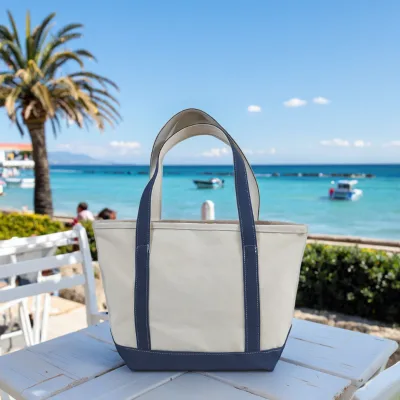

Factory Wholesale Price Custom Tote Canvas Bag
$4.89 - $5.78
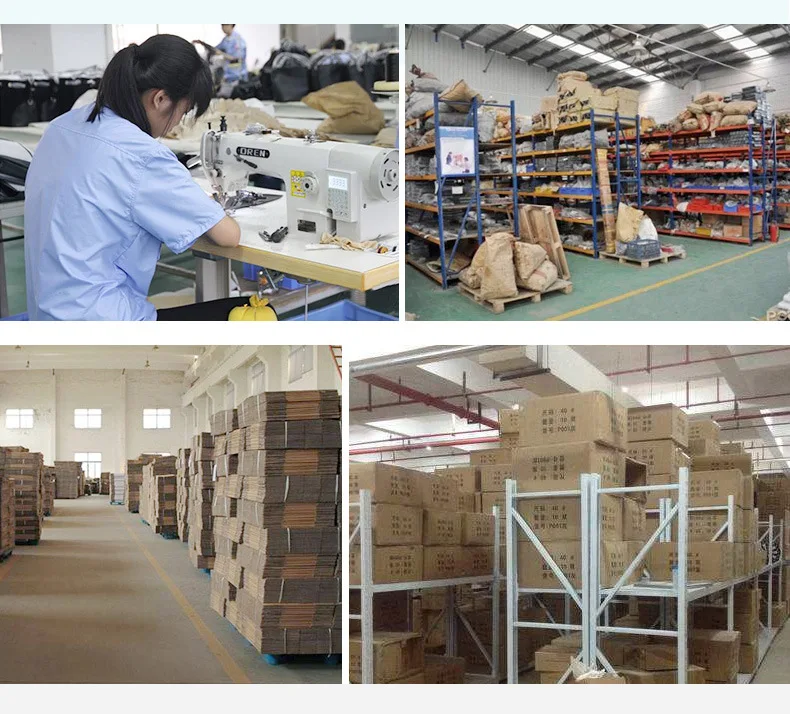
Dingxing Yuncheng Bag Manufacture Co., Ltd.
- Manufacturer, Trading Company
- Hebei, China
- Lead time12 days
- Avg. response≤ 5h
Main productscosmetic bag,backpack,handle bag,laptop bag,canvas bag
Main marketsSouth America(60.00%), North America(20.00%), Eastern Asia(10.00%), Mid East(10.00%)

Shanghai Tuanjue Trading Co., Ltd.
- Trading Company
- China Shanghai
- Lead time0 days
- Avg. response≤ 25h
Main productsLadies' Bag
Baigou New City Tieyi Bag Factory
- Verified by SGS Group
- Manufacturer, Trading Company
- Lead time90 days
- Avg. response≤ 3h
Main productsIta Bag, custom gothic bag, custom novelty bag, custom ita bag manufacturer, plush bag custom
Main marketsNorth America(60%), Western Europe(20%), Mid East(15%)

Qingdao Sanliang Yipin Network Technology Co., Ltd
- Verified by SGS
- Manufacturer/Factory
- China Shandong
- Lead time30 days
- Avg. response≤ 7h
Main productsBag, Plush Toys, Clothes, Pet Accessories, Jewellery
Main marketsSouth America,Eastern Europe,Mid East,North America,Southeast Asia,Eastern Asia,Oceania,Western Europe,Africa
Guangzhou Lantu Packing Products Co., Ld.
- Manufacturer, Trading Company
- Guangdong, China
- Lead time15 days
- Avg. response≤ 3h
Main productsCanvas Bag,Suit Bag
Main marketsDomestic Market(50.00%), Southeast Asia(30.00%), Oceania(20.00%)

Xiamen Daysun Industrial Co., Ltd.
- Verified by SGS
- Trading Company
- China Fujian
- Lead time30 days
- Avg. response≤ 5h
Main productsBackpack, Travel Bag, Sports Bag, Laptop Bag, Shopping Bag, Cosmetic Bag, Cooler Bag, RPET Bag, Clothing, Neoprene Case
Main marketsEurope,Australia,North America

Jinjiang Jiaxing Supply Management Co., Ltd.
- Verified by TUVRHEINLAND
- Trading Company
- China Fujian
- Lead time30 days
- Avg. response≤ 2h
Main productsEVA Clogs, Flip Flop, Shoe Charms, Shopping Bags, Wristbands, Gifts, Promotional Gifts, Slipper, Sport Cap, Ball
Main marketsNorth America
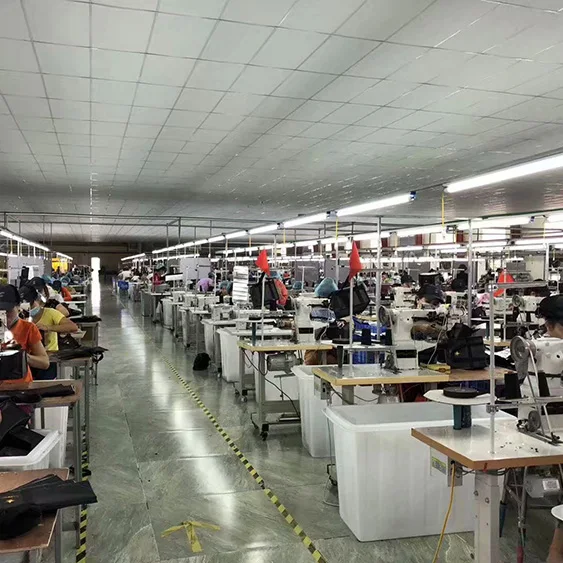
- Manufacturer, Trading Company
- Zhejiang, China
- Lead time7 days
- Avg. response≤ 8h
Main productsPet carrier bag,Toiletry bag,Backpack,Garment bag,Promotional bag
Main marketsNorth America(50.00%), Western Europe(20.00%), South America(20.00%), Eastern Europe(10.00%)

Xiamen Top Green Bags Co., Ltd.
- Verified by SGS
- Trading Company,Manufacturer/Factory
- China Fujian
- Lead time45 days
- Avg. response≤ 5h
Main productsCooler Bags, Sports Bags, Apron, Promotional Bag, Waist Bag, Shoulder Bag, Travel Bags, Cosmetic Bag, Laptop Bag, Pencil Bag
Main marketsSouth America,Eastern Europe,North America,Southeast Asia,Eastern Asia,Oceania,Western Europe,Africa


Carry Small Foldable Pocket Tote Polyester Reusable Folding Shopping Bag
$0.28 - $0.48
MOQ: 1000 Pieces

Dongguan Changrong Handbag Co., Ltd.
- Verified by SGS
- Trading Company,Manufacturer/Factory
- China Guangdong
- Lead time30 days
- Avg. response≤ 3h
Main productsCanvas Bag, Leather Bag, Golf Bag, Custom Canvas Bag, Sports Golf Bag, Canvas Suit Bag, Canvas Tote Bag, Canvas Travel Bag, Canvas Backpack, Canvas Shoulder Bag
Main marketsSouth America,Eastern Europe,Mid East,North America,Southeast Asia,Eastern Asia,Oceania,Western Europe,Africa

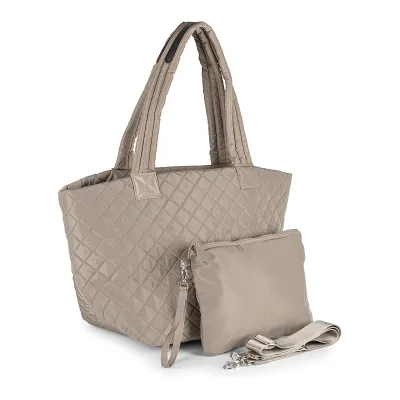
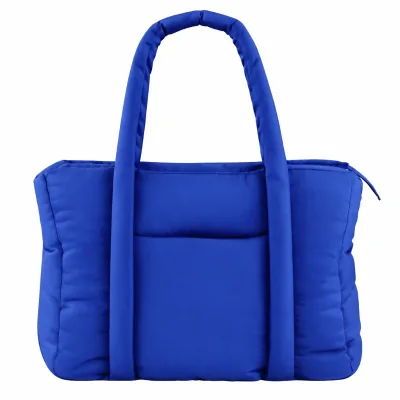
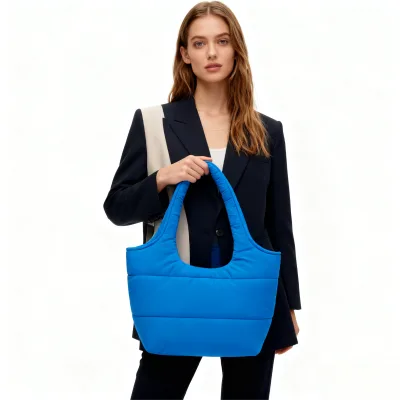
Custom Padded Soft Handbag Nylon Shoulder Puffy Purse Quilted Puffer Tote Bag
$14.00 - $15.50
MOQ: 300 Pieces

$11.50 - $12.50
MOQ: 100 Pieces
Shenzhen Babai Leather Co., Ltd.
- Verified by SGS Group
- Manufacturer, Trading Company
- Lead time30 days
- Avg. response≤ 2h
Main productsCooler Bag, Sports Bag, Travel Bag, Pet Bag, Diaper Backpacks
Main marketsNorth America(40%), Western Europe(20%), Oceania(11%)

Anhui Magic Industry Co., Ltd.
- Verified by SGS
- Manufacturer/Factory
- China Anhui
- Lead time98 days
- Avg. response≤ 8h
Main productsCanvas Bag, Tote Bag, Backpack, Shoulder Bag, Drawstring Bag, Cosmetic Bag, Customize Bag, Sports Bag, Shopping Bag, Cooler Bag
Main marketsSouth America,Eastern Europe,Mid East,North America,Southeast Asia,Eastern Asia,Oceania,Western Europe,Africa

Quanzhou Wuzhou Minstarbags Co., Ltd.
- Verified by SGS
- Trading Company
- China Fujian
- Lead time60 days
- Avg. response≤ 3h
Main marketsSouth America,Southeast Asia/ Mideast,Europe,Australia,North America

Folding Fashionable Shopping Bag Promotional Nylon Foldable Eco Tote Bag
$3.00 - $6.00
MOQ: 500 Pieces


Fashionable Waterproof Quilted Soft Padded Lightweight Large Puffer Shoulder Tote Bag
$3.00 - $6.00
MOQ: 500 Pieces

Shenzhen Gymtion Industrial Co., Ltd
- Verified by SGS
- Trading Company,Manufacturer/Factory
- China Guangdong
- Lead time23 days
- Avg. response≤ 4h
Main productsTote Bag, Shopping Bag, Clear Bag
Main marketsEastern Europe,Mid East,North America,Oceania,Western Europe

Folding Fashionable Shopping Bag Promotional Nylon Foldable Eco Tote Bag
$1.00 - $1.50
MOQ: 1000 Pieces

Folding Fashionable Shopping Bag Promotional Nylon Foldable Eco Tote Bag
$1.00 - $1.50
MOQ: 1000 Pieces


Xiamen Fei Fei Bag Manufacturing Co., Ltd.
- Manufacturer, Trading Company
- Lead time旺季: "1 - 800000":30,"> 800000":"To be negotiated", 淡季: "1 - 800000":30,"> 800000":"To be negotiated"
- Avg. response≤ 3h
Main productsShopping Bag, Non Woven Bags, Tote Bag, Drawstring Bag, Cooler Bag
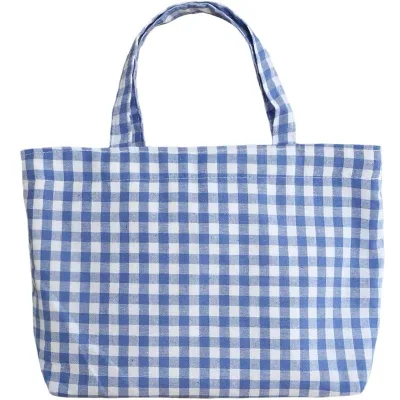
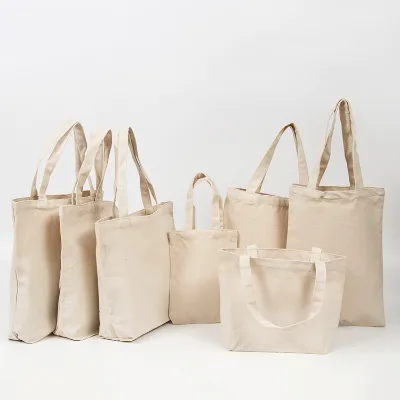
Big Canvas Tote Bag Mock up Shopping Bag
$0.8198 - $0.923
- Trading Company
- Zhejiang, China
- Lead time7 days
- Avg. response≤ 2h
Main productsKid's Bag,Schoolbag,Men's Bag,Women's Bag,Duffel Bag
Main marketsNorthern Europe(20.00%), Mid East(20.00%), North America(20.00%), South Asia(10.00%), Southeast Asia(10.00%), Eastern Asia(10.00%), South America(10.00%)

Xiamen Ederbou Industry&Trade Co., Ltd.
- Verified by CTI
- Combined
- China Fujian
- Lead time30 days
- Avg. response≤ 5h
Main productsCooler Insulated Bags, Backpacks, Delivery Bags, Travel Bags, Sports Bags, Picnic Bags
Main marketsSouth America,Southeast Asia/ Mideast,East Asia(Japan/ South Korea),Europe,Australia,North America

Women Large Shopping Nylon Puffy Quilted Tote Bag Quilted Fabric Tote Bags
$0.99 - $2.99
MOQ: 300 Pieces

Tote Bag for Women, Large Puffer Tote Bag with Zipper Quilted Light Work Bag
$3.50 - $4.50
MOQ: 300 Pieces


Hangzhou Langjie Technology Co., Ltd.
- Verified by TUVRHEINLAND
- Trading Company
- China Zhejiang
- Lead time15 days
- Avg. response≤ 4h
Main productsNon-Woven Bag, Paper Box, Laminated Bag, Thermal Insulation Bag, Paper Bag, Canvas Bag, Notebook, Clothing Dust-Proof Bag, Sticker, Cosmetics Bag
Main marketsDomestic,North America
Anhui Wellpromotion Travel Products Co., Ltd.
- Verified by TüVRheinland
- Manufacturer, Trading Company
- Lead time45 days
- Avg. response≤ 6h
Main productsCooler Bag, Backpack, Cosmetic Bag, Tote Bag, Sports Bag
Main marketsNorth America(33%), Eastern Asia(18%), Western Europe(12%)
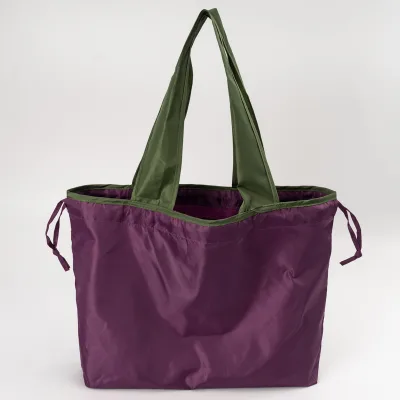
Large Women Nylon Soft Foldable Tote Bag Custom logo Folding Shopping Bag for Promotion
$0.91 - $1.33
MOQ: 2000
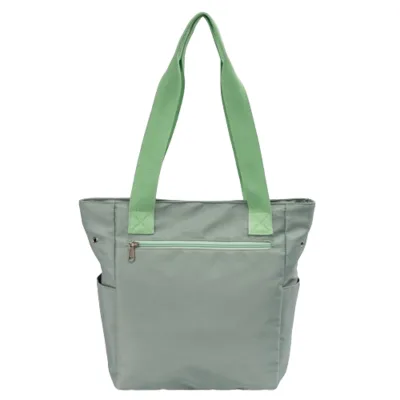
Tote Bag for Women, Lightweight Large Tote Bag for Travel Work Gym Overnights Weekend Trips
$3.69 - $5.19
MOQ: 1000 pieces

Wenzhou Guanmin Import and Export Co., Ltd.
- Verified by BV
- Trading Company,Manufacturer/Factory
- China Zhejiang
- Lead time120 days
- Avg. response≤ 6h
Main productsShopping Bag, Cooler Bag, Notebook, Pen, Color Pencil, Lanyard, Beach Ball, Umbrella, Sunshade, Air Freshener
Main marketsSouth America,Eastern Europe,Mid East,North America,Southeast Asia,Eastern Asia,Western Europe
Hefei Ming'en Trading Co., Ltd.
- Trading Company
- Anhui, China
- Lead time30 days
- Avg. response≤ 1h
Main productsBackpack,Handbag,Hats,Apparels,Accessories
Main marketsNorth America(60.00%), Eastern Asia(5.00%), Oceania(5.00%), Southern Europe(5.00%), Southeast Asia(5.00%), Northern Europe(5.00%), Western Europe(5.00%), Mid East(4.00%), Domestic Market(1.00%), South Asia(1.00%), Africa(1.00%), Eastern Europe(1.00%), Central America(1.00%), South America(1.00%)

- Verified by CTI
- Manufacturer/Factory
- China Fujian
- Lead time45 days
- Avg. response≤ 7h
Main productsBackpack, Duffle Bag, Cooler Bag, Medical Bag, Canvas Bag, Pet Carrier, Tote Bag, Tool Bag, Makeup Bag, Drawstring Bag
Main marketsSouth America,Eastern Europe,Mid East,North America,Southeast Asia,Eastern Asia,Oceania,Western Europe,Africa
Guangzhou Great Packaging Co., Ltd.
- Verified by SGS Group
- Manufacturer, Trading Company
- Lead time25 days
- Avg. response≤ 7h
Main productsShopping bags
Main marketsNorth America(70%), Western Europe(20%), Southeast Asia(10%)
Dongguan Yiyuan Packing Products Co., Ltd.
- Manufacturer, Trading Company
- Guangdong, China
- Lead time0 days
- Avg. response≤ 5h
Main productsBiodegradable plastic bags,paper bags,Non-woven bags,Cotton Canvas Bags,Garment bags
Main marketsNorth America(45.00%), Northern Europe(20.00%), Southern Europe(10.00%), Mid East(10.00%), Central America(10.00%), Domestic Market(5.00%)
Guangzhou Baiyun Kanghongbai Leather Products Factory
- Verified by TüVRheinland
- Manufacturer, Trading Company
- Lead time30 days
- Avg. response≤ 5h
Main productsTote Bag, Sling Bag, Backpacks, Travel Bag, Organizer
Main marketsSoutheast Asia(20%), North America(15%), Mid East(10%)
Wenzhou Conlene Bags Co., Ltd.
- Verified by SGS Group
- Manufacturer, Trading Company
- Lead time15 days
- Avg. response≤ 3h
Main productsShopping Bags; Cooler Bag; Canvas Bag, Beach Mat, Washable Kraft Paper Bag
Main marketsNorth America(25%), Domestic Market(25%), Eastern Asia(20%)






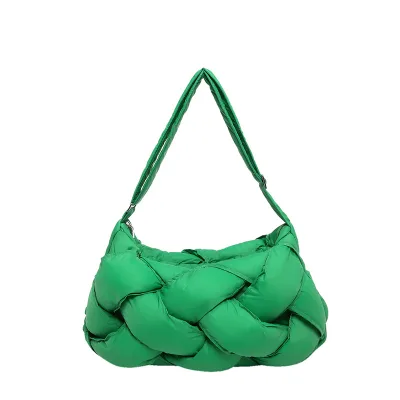
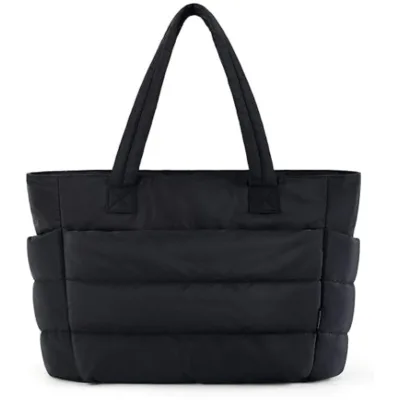










Comprehensive Sourcing Guide
Custom Puffer Nylon Tote Bag Supplier Concentration and Factory Types
Suppliers offering custom puffer nylon tote bags appear on B2B platforms in two broad configurations: manufacturers that sew and finish bags in their own facilities, and combined manufacturer-trading companies that produce some lines and broker others. In the current supplier results for this category, several listings explicitly combine manufacturing with trading, and at least one supplier self-describes as a combined company with ODM and own-brand capability. This matters for buyers because a combined structure can simplify one-stop ordering across a tote bag range, but it can also mean your quilted nylon order is subcontracted rather than produced in-house. Ask directly which operations the supplier performs and which are outsourced.
On geography, the listings with stated origins point to Guangdong, China, which is consistent with the province's well-known role in bag and luggage production. However, not every result states a location, so you should treat Guangdong as a cluster suggested by the data rather than a universal fact. To identify clusters yourself, check the place-of-origin field on product attributes (one listing names Guangdong explicitly), review main-product lines such as tool bags, tote bags, backpacks, storage bags and waist bags that indicate a bag-specialist factory, and confirm the claimed cluster with factory audits or video verification. Concentration in a cluster usually improves access to quilted nylon fabric, puffer fill techniques, and hardware, but only if the supplier genuinely operates within that supply chain rather than merely registering an office address there.
How to Verify Custom Puffer Nylon Tote Bag Suppliers
Verification begins with the platform signals already displayed on listings. In these results, one supplier carries SGS verification, while other listings show a nil system certification, which means no management-system certificate is displayed at all. Do not assume an unverified or uncertified supplier is unacceptable, but do recognize that the burden of proof shifts to you. Request certificates directly, ask for the certificate scope rather than a logo screenshot, and confirm validity with the issuing body where possible. SGS verification of a profile is not the same as certified production, so treat it as a screening filter rather than a guarantee.
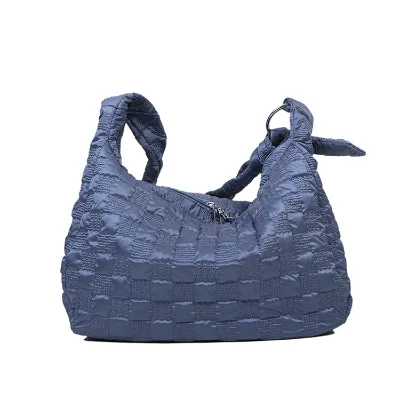
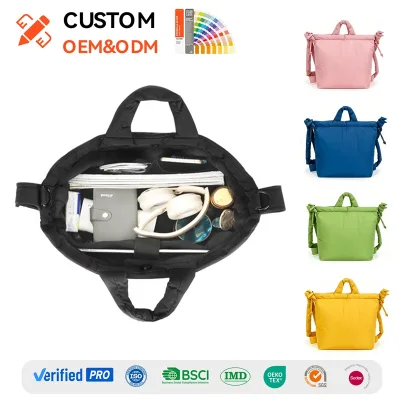
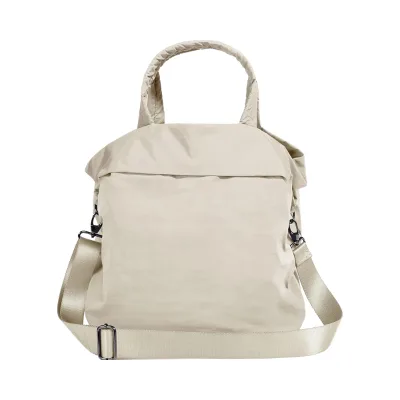
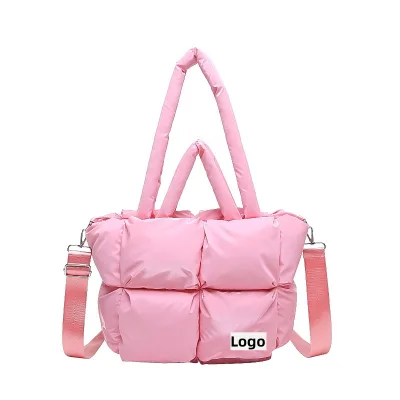
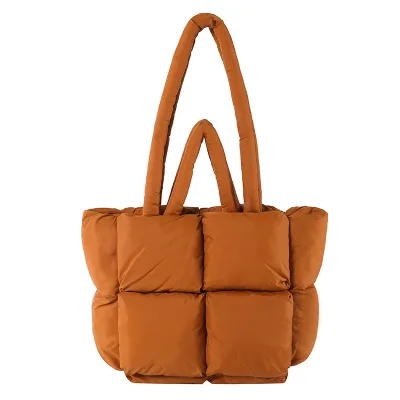
Beyond badges, verify capability with category-specific evidence. The product listings here show quilted and puffer nylon constructions with models such as quilted puffy totes and puffer crossbody totes, which indicates real experience with that fabric treatment; a supplier whose catalog is plain nylon only may struggle with quilting stitch consistency. Ask for a sample of the actual quilted construction, confirm sample lead time (one listing states 5–7 days for samples), and check stated production times, where one listing reports 28–35 days. Also verify the legal entity behind the account, cross-check the registered business scope against bag manufacturing, and request references or transaction records for similar custom nylon orders. If a supplier claims both manufacturing and trading, ask which plant sews the puffer totes and whether you can speak to that production contact directly before committing to tooling or bulk payment.
What to Compare Across Custom Puffer Nylon Tote Bag Suppliers
Build a comparison sheet using the attributes suppliers actually display, then fill gaps with direct questions. Comparable dimensions visible in these results include lead time, MOQ, response speed, verification status, location, company type, and main products. On lead time, listings range from a flat 30-day figure to tiered terms where orders of 1–500 units take 30 days and larger volumes are negotiated. On MOQ, one product shows 200 pieces while another states 300 pieces, so quoted MOQs clearly vary by model and supplier. Response times in the data run from about 2 hours to roughly 2.7 hours, which is a useful signal for communication discipline during production, though it reflects pre-sales responsiveness only.
Compare product-level attributes too, because they reveal specialization differences. One supplier lists tote bags, backpacks, storage bags, waist bags and tool bags as main products and offers ODM plus own-brand capacity; others show single-product listings with customization available, nylon shells, polyester linings, magnetic or zipper closures, and custom dimensions. Note which suppliers publish customization as an explicit product attribute, and which only imply it. Price ranges in the listings span roughly the 3–14 dollar band depending on model, but treat these as quoted ranges, not commitments. Finally, weigh company type against your needs: a manufacturer-trading hybrid may offer breadth across bag categories, while a focused producer may give better quilting consistency. Never assume a missing attribute means a poor supplier; it means you must verify it.
Common Custom Puffer Nylon Tote Bag Sourcing Risks
The most common risk in this category is construction quality drift on the quilting. Puffer and quilted nylon totes depend on even stitch spacing, consistent fill distribution, and clean edge sealing, and small factory deviations produce visibly lumpy panels that customers reject. Because several listings here are soft-structure nylon with polyester linings and open-top or magnetic closures, also test strap attachment strength and seam reinforcement, which are frequent failure points on daily-carry totes. A sample that passes once tells you little; require a pre-production sample from the same material batch as your bulk run.
The second risk cluster is commercial. Several listings show nil system certification, meaning quality management claims are undocumented and inspection reliance shifts onto you — budget for third-party inspection before shipment. Lead-time tiers in the data negotiate volumes above 500 units case by case, so a supplier that quotes 30 days for a trial order may quote much longer for a scaled order in peak season; confirm timing for your actual quantity in writing. MOQs differ between 200 and 300 pieces across listings, and price ranges are wide, so a low headline price may attach to a smaller, simpler model rather than the quilted construction you want. Finally, verify closure types and dimensions — listings mix string closures, zippers, magnetic closures, 7-inch and 15-inch standards and fully custom dimensions — because assumption here leads to reorder disputes that are expensive to resolve after shipment.
Custom Puffer Nylon Tote Bag Regional Sourcing and Logistics
The location evidence in these results points to Guangdong, China, with one product attribute naming the province explicitly as the place of origin. Guangdong's dense bag-manufacturing ecosystem matters practically: quilting mills, nylon fabric suppliers, zipper and hardware vendors, and packaging converters sit close together, which typically shortens material sourcing time and lowers the cost of small custom runs. That said, not every listed supplier states its location, so confirm each candidate's actual factory address rather than relying on the account registration province. An address in a cluster without production there gives you none of the cluster advantages.
Logistically, plan around packing and shipment weight data already visible in the listings. One product specifies a single package size of 35×35×20 cm and a single gross weight of 1.000 kg, which is the kind of figure you need from every supplier to model freight accurately; puffer totes are bulky relative to weight, so volume-based air freight and dimensional-weight rules often dominate cost calculations for this category. Packaging also varies — one listing states one piece per polybag, export carton, and customizable packing — so specify carton dimensions, compression packing (which puffer bags tolerate well), and inner-box requirements early. Ask each supplier whether it exports to your market routinely, who books freight, and what documentation it provides. Build a buffer into the 30-day production figures shown in the data, especially if your order exceeds the quantity tier covered by that quoted lead time.
Custom Puffer Nylon Tote Bag Commercial Terms and Order Planning
Order planning should start from the numbers suppliers actually publish. In these results, MOQs run at 200 pieces on one model and 300 pieces on another, and lead times are quoted at 30 days, with volumes above 500 units negotiated case by case in both peak and off-peak seasons. Price ranges span roughly 3.00–14.00 dollars across models, reflecting differences between plain daily totes and padded quilted constructions. Sample time is stated at 5–7 days on relevant listings. Use these published figures as your baseline for planning, then confirm every number in a written quotation for your specific model, quantity, and customization level, since customization almost always changes both price and timing.
On commercial terms, one listing documents accepted payment methods including T/T, Western Union, Payoneer, and Trade Assurance. Trade Assurance-style escrow mechanisms protect payment against delivery and quality terms, so prefer them over direct wire transfers with unverified suppliers, especially where system certification shows as nil. Payment structure matters more than headline price in this category: tie a meaningful balance release to passing inspection of the finished quilted totes. Sequence your plan as sample approval, then a trial order within the flat 30-day lead tier, then negotiated terms for scale. Confirm in writing which entity is your contracting party when supplier type is listed as manufacturer plus trading company, because warranty and rework obligations are only as strong as the legal entity behind them.
FAQs
What is the price range for custom puffer nylon tote bags?
Prices typically range from $3.00 to $14.00 per unit depending on customization and order volume. Specific models like the LB-YC3546 start at $3.00, while quilted options like LB-YC3588 reach up to $14.00. Buyers should verify exact quotes based on material thickness and logo requirements.
What is the minimum order quantity for these bags?
The minimum order quantity is generally 200 pieces for standard nylon totes. Some specific puffer models require a higher MOQ of 300 pieces. Buyers must confirm the exact threshold with the supplier before placing orders, as requirements vary by product model and customization complexity.
How long does production take for custom orders?
Standard lead times are approximately 30 days for most orders. For larger volumes exceeding 500 pieces, production time may require negotiation. Sample preparation typically takes 5 to 7 days. Buyers should confirm specific timelines with the supplier to ensure timely delivery for their projects.
Are these bags suitable for unisex use?
Yes, the custom nylon tote bags are designed for unisex use. The simple style and horizontal square design appeal to both men and women. Features like lightweight nylon material and large capacity make them versatile for daily commuting, travel, or shopping purposes across different demographics.
What customization options are available for logos?
Customization is available for logos using silk screen printing, woven labels, embroidery, or rubber tags. Buyers can also customize dimensions, colors, and packing methods. The supplier supports OEM services, allowing for brand-specific designs. Detailed specifications should be discussed directly with the manufacturer to ensure accuracy.
Where are these suppliers located?
The suppliers are located in Guangdong, China. This region is known for its manufacturing capabilities in luggage and bags. Buyers can verify the specific factory address and request samples to assess quality before committing to large orders. Origin details are crucial for logistics planning.
Is the supplier verified by third parties?
Yes, the supplier has undergone SGS verification. This adds a layer of trust regarding their business legitimacy and operational standards. Buyers should still review specific product certifications and request recent inspection reports to ensure compliance with their quality requirements and international standards.