Source Water Resistant Travel Shoe Bag for Racing, Entertainment, Gift
Compare 30 listings for a Water Resistant Travel Shoe Bag designed for racing, entertainment, and gifting. Buyers can evaluate features like waterproofing, foldability, and customization options from suppliers in Guangdong; compare the available evidence and request quotations based on your requirements.
Key considerations
Products List
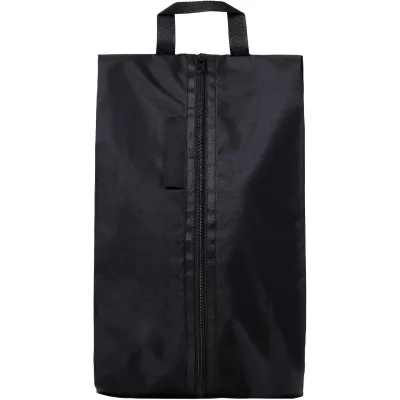


Foldable Waterproof Oxford Cloth Shoe Bag Pouch Durable Zipper Travel Shoe Bag
$0.65 - $0.80
MOQ: 1000 Pieces


New Wholesale Waterproof Portable Storage Shoe Bag Pink Travel Shoes Bag
$0.65 - $0.80
MOQ: 1000 Pieces

Double-Layer Shoe Storage Bag Travel Trolley Case Bag Manufacturer Wholesale
$1.30 - $2.30
MOQ: 1000 Pieces

Double Layer Travel Bag with Shoe Layer Large Capacity Durable Waterproof
$6.50 - $7.50
MOQ: 500 Pieces


Checkered Waterproof Three-in-One Travel Shoe Bag New Travel Storage Shoe Pouch
$2.11 - $2.26
MOQ: 500 Pieces


Versatile Travel Shoe Storage Bag with Upper and Lower Compartments Storage Bag
$1.77 - $1.91
MOQ: 5000 Pieces


Spacious Portable Waterproof Durable Handheld Luggage Shoe Storage Travel Bag
$6.63 - $7.62
MOQ: 500 Pieces


Outdoor Travel Canvas Dust-Proof Breathable Multi-Layer Storage Portable Shoe Bag
$2.99 - $4.99
MOQ: 500 Pieces

Waterproof Padded Sneaker Bag Duffle with Insulated Pocket Travel Bags for Shoes
$9.99 - $11.99
MOQ: 500 Pieces


Cationic Fabric Travel Shoe Bag Waterproof Portable Shoe Organizer Storage Bag
$1.98 - $2.20
MOQ: 1000 Pieces

Comprehensive Sourcing Guide
Water Resistant Travel Shoe Bag Sourcing Guide
Sourcing water resistant travel shoe bags requires a disciplined approach to material selection and functional verification, ensuring that the final product meets the rigorous demands of modern travel and storage needs. Buyers must prioritize products that explicitly state waterproof or water-resistant capabilities, as these attributes are critical for protecting footwear from moisture, dirt, and odors during transit. The observed market data indicates a strong presence of OEM manufacturers in Guangdong, China, who offer extensive customization options for branding and packaging. This region is known for its robust textile infrastructure, allowing for flexible production runs that cater to both small boutique orders and large corporate gifting programs.
Procurement teams should focus on verifying the specific material composition, with polyester and PU being the most commonly observed options in current listings. These materials offer a balance of durability, weight, and water resistance, making them suitable for various use cases ranging from gym bags to luxury travel accessories. It is essential to distinguish between products that are merely water-repellent and those that are fully waterproof, as this distinction impacts the product's longevity and effectiveness in wet environments. Buyers must also consider the structural integrity of the bag, including zipper quality and seam sealing, to ensure that water does not penetrate through weak points during heavy use or accidental exposure to rain.
Product Scope and Observed Listing Signals
The current market landscape for water resistant travel shoe bags reveals a diverse range of product types, including dedicated shoe bags, carry-on organizers, and even specialized golf bags that incorporate shoe storage compartments. Observed listings show a wide variation in size, with dimensions such as 15.7x8.7 inches (40x22cm) being common for standard single-shoe storage, while larger models accommodate multiple pairs or additional gear. The presence of features like foldability and simplicity in style suggests a trend towards compact, space-saving designs that appeal to minimalist travelers and frequent flyers. Buyers should carefully review product images and descriptions to confirm that the bag’s internal structure supports the specific shape and size of the shoes they intend to store.
Listing signals also highlight significant variability in minimum order quantities (MOQ), ranging from 50 to 5000 pieces, which allows for flexibility in sourcing strategies. Some suppliers offer low MOQs for sample testing or small batch production, while others require larger commitments for cost-effective manufacturing. The availability of customized logos through methods such as rubber printing, embroidery, or PVC application indicates a strong focus on brand visibility for corporate clients and promotional campaigns. Buyers must verify whether the listed price includes customization costs, as these can significantly impact the final unit cost and overall project budget.
Technical Specifications to Verify
When evaluating technical specifications, buyers must prioritize the verification of material thickness, zipper quality, and closure mechanisms to ensure long-term durability and effective water resistance. The observed data indicates that many products use polyester or PU materials, which should be tested for tensile strength and abrasion resistance to withstand the rigors of travel. It is crucial to confirm that the zipper is not only waterproof but also easy to operate, even when wet, as a faulty closure can compromise the entire protective function of the bag. Additionally, buyers should inquire about the stitching quality and seam sealing processes, as these are common points of failure in water-resistant products.
Size and capacity specifications vary widely, with options ranging from compact M sizes to larger L sizes, each catering to different storage needs. Buyers must ensure that the selected size accommodates the specific shoe types they plan to store, including high-top sneakers or boots, without excessive bulk. The single gross weight of approximately 0.200 kg for some models suggests a lightweight design, which is beneficial for travelers concerned with luggage weight limits. However, buyers should balance weight savings with material robustness, as overly thin materials may compromise water resistance and durability over time.
Compliance and Safety Documentation
Compliance and safety documentation are critical for ensuring that water resistant travel shoe bags meet international regulatory standards, particularly regarding chemical safety and material toxicity. Buyers must request certificates of conformity and material safety data sheets to verify that the polyester, PU, or other materials used do not contain harmful substances such as phthalates, lead, or formaldehyde. This is especially important for products intended for personal use, where direct contact with skin or prolonged exposure could pose health risks. Suppliers should be able to provide test reports from accredited laboratories confirming that their materials comply with relevant standards such as REACH or CPSIA, depending on the target market.
In addition to chemical safety, buyers should verify that the product meets any specific labeling and packaging requirements of the destination country. This includes accurate country of origin labeling, care instructions, and warning labels if applicable. The observed data indicates that many suppliers offer customized packaging according to customer requests, which can be leveraged to ensure compliance with local regulations. Buyers must also consider the environmental impact of the packaging materials, opting for recyclable or biodegradable options where possible to align with sustainability goals and consumer preferences.
Cost Drivers and Commercial Terms
Cost drivers for water resistant travel shoe bags include material selection, customization complexity, and order volume, all of which significantly influence the final unit price. The observed price range of 0.5 to 11.99 USD reflects the wide variability in product quality, features, and branding options available in the market. Buyers must carefully evaluate the cost-benefit ratio of different materials, as higher-quality PU or specialized waterproof fabrics may command a premium but offer superior durability and performance. Customization costs, such as logo printing or embroidery, should be factored into the total budget, as these can add significant value for brand visibility but also increase per-unit expenses.
Commercial terms such as payment methods, lead times, and sample availability are critical components of the sourcing process. The observed data indicates that T/T payment terms are common, with sample times ranging from 5 to 7 working days and production lead times of 40 to 60 days. Buyers must plan their procurement timeline accordingly, allowing sufficient time for sample approval, production, and shipping. It is also important to negotiate clear terms for quality assurance and defect resolution, ensuring that any issues with the final product can be addressed promptly and fairly.
Supplier Qualification and Quality Control
Supplier qualification is a vital step in ensuring the reliability and consistency of Water Resistant Travel Shoe Bag production. Buyers should conduct thorough due diligence on potential suppliers, verifying their business licenses, manufacturing capabilities, and past performance records. The observed data indicates that many suppliers are located in Guangdong, China, a region known for its textile and manufacturing expertise. Buyers should request references or case studies from previous clients to assess the supplier’s ability to meet quality standards and delivery schedules. Additionally, verifying the supplier’s commitment to continuous improvement and customer service can provide insights into their long-term reliability.
Quality control measures must be implemented throughout the production process to ensure that the final product meets the specified requirements. Buyers should establish clear quality standards and inspection criteria, including checks for material integrity, stitching quality, and water resistance performance. It is recommended to conduct pre-shipment inspections to identify and rectify any defects before the goods are dispatched. Suppliers that offer sample availability and are open to third-party inspections demonstrate a higher level of transparency and commitment to quality, which can reduce the risk of receiving substandard products.
Long-Term Procurement Checks
Long-term procurement checks involve establishing a framework for ongoing supplier performance evaluation and product quality monitoring. Buyers should implement a system for tracking key performance indicators such as on-time delivery rates, defect rates, and customer satisfaction scores. Regular audits and feedback sessions with suppliers can help identify areas for improvement and foster a collaborative relationship that benefits both parties. The observed data indicates that many suppliers are open to OEM/ODM collaborations, which can be leveraged to develop custom products that better meet specific market needs and preferences.
Sustainability and ethical sourcing practices are increasingly important considerations for long-term procurement strategies. Buyers should assess suppliers’ commitments to environmental responsibility, including waste reduction, energy efficiency, and ethical labor practices. By prioritizing suppliers that align with these values, buyers can enhance their brand reputation and meet the growing consumer demand for sustainable products. Continuous monitoring and adaptation of procurement strategies will ensure that the sourcing process remains efficient, cost-effective, and aligned with evolving market trends and regulatory requirements.
FAQs
Can I customize the logo on the shoe bag?
Yes, customized logos are accepted for this product. You can choose from rubber, printing, embroidery, or PVC methods to brand the bags. This customization is available for both OEM and ODM requests, allowing you to tailor the appearance to your specific brand identity or corporate requirements effectively.
What is the minimum order quantity for these bags?
The minimum order quantity varies by supplier, typically ranging from 50 to 5000 pieces. Some listings specify an MOQ of 300 pieces, while others require 1000 pieces. You should confirm the exact MOQ with your chosen supplier before placing an order to ensure it meets your volume needs.
How long does production take for custom orders?
Production lead time generally ranges from 40 to 60 days for bulk orders. Sample preparation takes approximately 5 to 7 working days. These timelines allow for manufacturing and quality checks, so you should plan your procurement schedule accordingly to ensure timely delivery for your events or retail launches.
What material is used to make these shoe bags?
The bags are primarily made from polyester or PU materials. These materials provide durability and a waterproof feature, making them suitable for travel and storage. The choice of material ensures the bags are foldable and easy to carry, offering practical protection for shoes during transit or storage in various environments.
Are these shoe bags suitable for men and women?
Yes, these shoe bags are designed as unisex items. They are suitable for men and women, with usage applications including racing, entertainment, and gifting. The simple style and available colors like grey make them versatile accessories for various occasions, ensuring broad appeal for different user demographics and preferences.
What is the size of the standard shoe bag?
The standard size is listed as 15.7x8.7 inches or 40x22 cm. Single package dimensions are 40x22x5 cm. Sizes such as M and L are available to accommodate different shoe types. This compact design ensures the bags are portable and fit easily into luggage or travel bags for convenient storage.