Source Water Resistant Titanium Smart Watch for Fitness, Business, Travel
Explore 30 listings of Water Resistant Titanium Smart Watch options featuring TFT or IPS displays, 4G connectivity, and IP67 waterproof ratings. Buyers can compare specifications like RAM, battery life, and materials including rubber, plastic, and alloy cases from verified Chinese manufacturers.
Key considerations
Products List


GPS Tracker Mini Magnetic Real-Time Locator Waterproof IP67 Smart Watch
$22.50 - $27.50
MOQ: 1000 Pieces

Advanced Waterproof GPS Sports Smartwatch with Blood Pressure Monitoring
$22.50 - $27.50
MOQ: 1000 Pieces


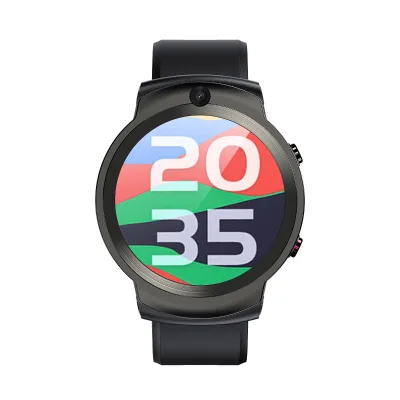
Ultra-thin Fitness Tracker Heart Rate Monitor Pedometer Waterproof Smartwatch
$92.11 - $111.55
MOQ: 3 Minimum


Sports Smart Watch Tracker Blood Pressure Heart Rate Monitor Smartwatch
$18.80 - $19.50
MOQ: 30 Pieces


Comprehensive Sourcing Guide
Strategic Sourcing Guide for Water Resistant Titanium Smart Watches
The global demand for wearable technology has surged, with a specific niche emerging around devices that combine rugged durability with premium materials. Buyers searching for a "Water Resistant Titanium Smart Watch" are often looking for a convergence of high-end aesthetics, extreme environmental resilience, and advanced connectivity. However, the market is complex, and the term "titanium" is frequently used in marketing materials that may not align with the actual material composition of the device. This guide provides a disciplined approach to sourcing these devices, focusing on verifying material authenticity, understanding technical specifications, and managing supply chain risks without relying on unverified claims.
Material Authenticity and Construction Verification
The primary challenge in sourcing a titanium smart watch lies in distinguishing between a fully titanium chassis, a titanium-plated alloy, or a device where titanium is merely a marketing descriptor for the bezel or strap. In the context of verified product data, materials such as rubber, plastic, and alloy are commonly observed in the broader smartwatch category. For a buyer specifically requesting titanium, the procurement process must begin with a rigorous request for material certificates.
Buyers should not accept generic descriptions. Instead, they must demand a Material Safety Data Sheet (MSDS) or a mill certificate that explicitly states the alloy grade (e.g., Grade 5 Titanium). If the supplied product data lists "Alloy" or "Plastic" as the case material, the device does not meet the strict definition of a titanium watch. In many cases, manufacturers use a titanium alloy casing, which is a distinct material from pure titanium. The sourcing strategy must clarify whether the buyer requires the specific weight and corrosion resistance of pure titanium or if a high-grade alloy is acceptable for the application.
Furthermore, the band material is equally critical. While the case might be titanium, the strap often determines the overall comfort and water resistance. Common observations in the market include silica gel and rubber bands. A silica gel band offers flexibility and skin compatibility, while rubber provides superior sealing against water ingress. When evaluating a potential supplier, the buyer must verify that the interface between the titanium case and the band material is designed to prevent water entry, as this is a common failure point in high-end wearables.
Technical Specifications and Connectivity Standards
When evaluating the technical capabilities of a water-resistant smart watch, the focus must shift to the internal components that drive performance and connectivity. The specifications of these devices vary widely, and buyers must align their requirements with the actual hardware available.
In the observed product landscape, connectivity options range from basic Bluetooth to advanced 4G LTE support. Some models support both 2.4G and 5G Wi-Fi, while others rely solely on Bluetooth for communication. For a device intended for communication in remote areas, 4G support (specifically LTE-TDD and LTE-FDD) is a crucial feature. Additionally, the presence of GPS navigation and app control capabilities significantly enhances the utility of the device for outdoor or industrial applications.
The display technology is another critical specification. While some devices utilize TFT displays, higher-end models may feature IPS screens with higher resolutions. For a titanium watch intended for outdoor use, a screen resolution of at least 480x320 pixels or higher is desirable to ensure readability in direct sunlight. The touch screen type, typically capacitive, must be responsive even when wet, which ties directly into the water resistance rating.
Battery capacity and charging mechanisms also play a vital role. A standard observation in the market includes battery capacities around 720mAh with standby times exceeding 120 hours. The charging port type, such as magnetic connectors, is a key differentiator. Magnetic charging is preferred for water-resistant devices as it eliminates the need for exposed metal contacts that could corrode or allow water ingress. Buyers should verify the voltage and current requirements to ensure compatibility with existing charging infrastructure.
Compliance, Certification, and Water Resistance Ratings
Water resistance is a critical performance metric, but it is often misunderstood. The industry standard for water resistance is the IP (Ingress Protection) rating system. In the observed product data, an IP67 rating is noted. This rating indicates that the device is dust-tight (the first digit '6') and can withstand immersion in water up to 1 meter for 30 minutes (the second digit '7').
However, buyers must be cautious. An IP67 rating does not imply that the device is suitable for swimming, diving, or high-pressure water jets. It is essential to verify the specific test conditions under which the rating was achieved. Some manufacturers may claim "water resistant" without providing a specific IP rating, which is a red flag for procurement.
Regarding certifications, while specific standards like EN13319 are mentioned in background data, they are not confirmed as applicable to all products. Buyers should not assume a product is compliant with any specific standard unless the supplier provides a valid, third-party test report. The procurement process must include a request for certification documents that verify the device meets the claimed IP rating. Additionally, if the device is intended for use in specific regions, compliance with local telecommunications standards (such as those for 4G/LTE bands) must be verified.
Cost Drivers and Pricing Dynamics
The cost of a water-resistant titanium smart watch is influenced by several factors, primarily the material cost of the titanium alloy, the complexity of the water-sealing engineering, and the sophistication of the internal electronics. Titanium is significantly more expensive than aluminum or plastic, which directly impacts the unit price.
In the broader market, observed price ranges can vary from $1 to over $111 USD. This wide disparity suggests that the lower end of the spectrum likely includes devices with alloy cases or plastic components marketed as "titanium," while the higher end reflects genuine titanium construction and advanced features like 4G connectivity and high-resolution displays.
Buyers should be wary of prices that seem too good to be true. A device claiming to be a full titanium construction with IP67 rating and 4G support at a very low price point is likely misrepresenting its material or capabilities. The cost drivers also include the packaging; premium devices often come in gift boxes and cartons, which adds to the overall cost but is essential for B2B gifting or retail presentation.
Supplier Evaluation and Quality Control Protocols
Selecting the right supplier is paramount when sourcing specialized hardware. The supply chain for titanium smart watches requires partners who have the technical expertise to handle the material and the quality control systems to ensure water resistance.
When evaluating suppliers, buyers should look for evidence of a "private mold" capability. This indicates that the manufacturer has the design and tooling capacity to create custom enclosures, which is often necessary for integrating titanium components. The supply ability, such as 50,000 pieces per month, is a strong indicator of production capacity, but it must be balanced with quality assurance capabilities.
Quality control protocols should be stringent. Buyers must implement a pre-shipment inspection that includes water resistance testing. This should not be limited to visual inspection but must involve actual immersion tests in controlled environments to verify the IP rating. Additionally, the inspection should check the integrity of the charging port and the responsiveness of the capacitive touch screen under wet conditions.
The origin of the product is another factor. Many of these devices originate from manufacturing hubs in China, specifically regions like Guangdong. While this region has a mature ecosystem for electronics manufacturing, buyers should verify the specific factory's track record and audit their quality management systems.
Typical Applications and Long-Term Procurement Considerations
The applications for a water-resistant titanium smart watch are diverse, ranging from industrial safety and outdoor recreation to military and maritime use. The combination of durability, water resistance, and advanced features like heart rate tracking, GPS navigation, and communication capabilities makes these devices suitable for environments where standard electronics would fail.
For long-term procurement, buyers must consider the lifecycle of the device. The operating system, often Android in these high-end models, requires regular updates to maintain security and functionality. The availability of spare parts, such as replacement bands or charging cables, is also critical. The packaging details, which typically include the watch, battery, USB adapter, and user manual, should be standardized to ensure consistency across large orders.
Furthermore, the "Intelligent Interaction" and "Safety Protection" features observed in the product data suggest that these devices are designed for more than just timekeeping. They are intended to provide real-time data and alerts, which is vital for safety-critical applications. Buyers should ensure that the software ecosystem supports the specific integration requirements of their organization, whether that involves custom apps or data synchronization with existing enterprise systems.
Summary of Key Specifications for Verification
To assist buyers in their evaluation process, the following table summarizes the key specifications that should be verified during the sourcing process. This table contrasts common observations with the specific requirements for a titanium device.
| Specification Category | Common Observation | Verification Requirement for Titanium Watch |
|---|---|---|
| Case Material | Alloy, Plastic, Rubber | Mill Certificate for Grade 5 Titanium or equivalent |
| Water Resistance | IP67 (Dust-tight, 1m immersion) | Third-party test report for IP67 or higher |
| Connectivity | 4G LTE, Wi-Fi 2.4G/5G, Bluetooth | Confirmation of supported frequency bands for target region |
| Display | TFT, IPS, 360x360 or 480x320 | Resolution and brightness verification for outdoor use |
| Battery | 3.85V/720mAh, >120h standby | Charging cycle test and magnetic port integrity check |
| Touch Screen | Capacitive | Responsiveness test under wet conditions |
| Origin | China (Guangdong) | Factory audit and supply chain transparency |
In conclusion, sourcing a water-resistant titanium smart watch requires a meticulous approach that prioritizes material verification and technical validation over marketing claims. By focusing on the specific specifications, compliance standards, and supplier capabilities outlined in this guide, buyers can mitigate risks and secure high-quality devices that meet their demanding operational requirements. The market offers a wide range of options, but the path to success lies in rigorous due diligence and a clear understanding of the technical realities of the product.
FAQs
What materials are used for the case in these smart watches?
The case material varies, with observations of alloy, plastic, and rubber in the product data. Buyers specifically requesting titanium must verify material certificates, as generic listings often show alloy or plastic rather than pure titanium.
How is water resistance defined for these devices?
Water resistance is defined by IP ratings, with IP67 observed in the data. This indicates dust tightness and protection against immersion up to one meter for thirty minutes, though it does not guarantee suitability for swimming or high-pressure jets.
Which connectivity options are supported by these smart watches?
Supported connectivity includes 4G LTE, Wi-Fi 2.4G/5G, and Bluetooth. Some models feature Nano SIM support and GPS navigation, while others rely on basic Bluetooth for communication, depending on the specific model configuration.
Can these devices be customized for specific needs?
Customization is available for these devices, with some models offering private mold capabilities. Buyers can request specific features or branding, but the extent of customization depends on the manufacturer's tooling capacity and production requirements.
What are the typical battery specifications for these watches?
Typical battery specifications include a 3.85V/720mAh capacity with standby times exceeding 120 hours. Charging is often handled via magnetic ports to maintain water integrity, ensuring no exposed contacts are compromised during use.
How do I verify the authenticity of the titanium material?
To verify titanium authenticity, request a Material Safety Data Sheet or mill certificate stating the alloy grade. Generic product data listing alloy or plastic does not confirm pure titanium, so third-party verification is essential for procurement.