Source Water Resistant Vintage Leather Bag for Travel, Work, Shopping
Explore 30 options for a Water Resistant Vintage Leather Bag suitable for business casual, daily wear, and travel. Compare materials like genuine leather and PU, check customization availability, and review packing details from Guangzhou suppliers; compare the available evidence and request quotations based on your requirements.
Key considerations
Products List


Vintage Suede Tote Bag High Quality Soft Leather Crossbody Shoulder Travel Bags
$11.41 - $12.42
MOQ: 100 Pieces
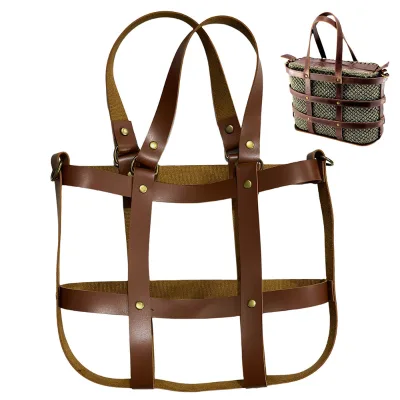


Custom Vintage Suede Tote Bag High Quality with Matte Texture Adjustable Strap
$1.50 - $2.44
MOQ: 100 Pieces


Comprehensive Sourcing Guide
Water Resistant Vintage Leather Bag Sourcing Guide
Procuring a water-resistant vintage leather bag requires balancing aesthetic authenticity with functional durability, as true vintage styles often prioritize natural grain over synthetic coatings. Buyers must verify if the "water-resistant" claim refers to a surface treatment or inherent material property, noting that observed listings frequently distinguish between waterproof and non-waterproof variants. This distinction is critical because genuine leather, while breathable and stylish, typically requires additional conditioning to achieve water resistance, whereas synthetic blends may offer immediate protection at the cost of texture.
Sourcing strategies should focus on suppliers who transparently disclose their finishing processes, as the "vintage" look often involves distressing techniques that can compromise water repellency. Buyers should prioritize vendors who provide clear definitions of their water resistance levels, ensuring the product meets the specific environmental demands of the intended user group. Understanding the trade-off between the rustic aesthetic and functional protection is essential for selecting a bag that maintains its character without failing under light rain or humidity.
Product Scope and Observed Listing Signals
The current market for vintage leather bags presents a diverse range of materials, including genuine leather, PU, and polyester linings, each offering different performance profiles. Observed listings indicate that while some products feature genuine leather interiors, others utilize polyester or fabric linings, which affects both the tactile experience and the bag's ability to repel moisture. Buyers must carefully examine material specifications to ensure the exterior leather matches the vintage aesthetic while the lining supports the intended durability and water resistance requirements.
Listing signals also reveal significant variation in packaging and shipping times, with some suppliers offering delivery within five days while others require up to twenty days. The presence of customization options for color patterns and fashion elements like contrast stitching allows buyers to tailor products to specific brand identities, yet these customizations can impact lead times and minimum order quantities. Understanding these logistical signals helps buyers align their inventory planning with realistic delivery expectations and production capabilities.
Technical Specifications to Verify
Technical verification must begin with the hardness and structural integrity of the bag, as vintage styles often range from medium soft to partial hard depending on the leather treatment. Buyers should confirm the closure type, such as hook and loop mechanisms, to ensure they provide adequate security while maintaining the desired vintage silhouette. Additionally, the design geometry, whether horizontal square or other shapes, influences how water runs off the surface, making it a key factor in assessing the practical water resistance of the item.
Dimensional specifications and model numbers, such as VV61114 or CS-9256, serve as critical identifiers for verifying consistency across production batches. Buyers must cross-reference these model numbers with the stated size, such as small suede bags or specific dimensions like 32.815.721.8, to ensure the product fits the target user group's needs. Verifying these technical details prevents mismatches between the ordered specifications and the delivered goods, ensuring the final product meets both aesthetic and functional criteria.
Compliance and Safety Documentation
Compliance documentation is essential for verifying that the leather and associated materials meet international safety and environmental standards. Some suppliers list certifications such as SGS, ISO 45001, CE, Reach, RoHS, and ISO 9001:2015, which indicate a commitment to safety and quality management systems. Buyers should request specific test reports for these certifications to confirm that the water-resistant treatments and leather dyes do not contain harmful substances that could violate import regulations or consumer safety laws.
In the absence of explicit certification data, buyers must treat the "contact me for details" standard as a prompt to request formal documentation before finalizing orders. Relying on general claims without verified proof can lead to compliance risks, particularly when importing into markets with strict chemical regulations. Ensuring that the supplier can provide up-to-date compliance certificates for every batch is a necessary step to mitigate liability and maintain brand reputation in the global marketplace.
Cost Drivers and Commercial Terms
Cost drivers for vintage leather bags are heavily influenced by the material composition, with genuine leather typically commanding a higher price point than PU or synthetic alternatives. The observed price range of 1.43 to 99 USD reflects this variance, where higher costs often correlate with superior leather quality, complex vintage finishing, and more robust water-resistant treatments. Buyers should analyze the cost per unit against the material specifications to determine if the price premium justifies the expected durability and aesthetic value for their specific market segment.
Commercial terms, including minimum order quantities ranging from 1 to 1000 units and varying delivery times, significantly impact the total cost of ownership. Suppliers offering customization for color patterns or specific packaging like polybags versus cartons may adjust their pricing structures accordingly. Buyers need to negotiate terms that balance the flexibility of small MOQs with the economies of scale offered by larger orders, ensuring that the final landed cost aligns with their profit margins and inventory budget.
Supplier Qualification and Quality Control
Supplier qualification should prioritize manufacturers located in established production hubs like Guangzhou or Guangdong, China, where the leather industry infrastructure is mature. These regions often host suppliers with the necessary expertise to handle vintage leather processing and apply consistent water-resistant finishes. Buyers should verify the supplier's production capacity and quality control protocols, ensuring they can maintain the "medium soft" or "partial hard" characteristics required for the vintage aesthetic without compromising structural integrity.
Quality control checks must include visual inspections for consistency in color patterns, stitching quality, and the uniformity of the water-resistant coating. Since customization is available, buyers should establish clear acceptance criteria for sample approvals before mass production begins. Implementing a rigorous inspection process for the first production run helps identify any deviations in material hardness, closure functionality, or packaging standards, ensuring that the final shipment meets the agreed-upon specifications.
Long-Term Procurement Checks
Long-term procurement success depends on establishing a reliable supply chain that can consistently deliver products meeting the evolving demands of the vintage leather market. Buyers should conduct periodic audits of their suppliers to ensure that the "water-resistant" claims remain valid over time and that the leather quality does not degrade due to changes in sourcing or production methods. Maintaining open communication channels allows for quick adjustments to specifications if market trends shift toward different styles or functional requirements.
Regular performance reviews of supplier lead times and delivery reliability are crucial for maintaining inventory stability and customer satisfaction. Buyers should track metrics such as the actual delivery time against the promised 7 to 20 days to identify any systemic delays that could disrupt their operations. By fostering a collaborative relationship with suppliers and continuously monitoring product performance, buyers can ensure a steady supply of high-quality vintage leather bags that meet both aesthetic and functional expectations.
FAQs
What materials are used for the inside of these bags?
The inside material varies by model, with options including genuine leather and polyester. Some designs also utilize fabric for the interior lining. Buyers should check the specific product model details to confirm the exact inner material composition before placing an order.
Are these bags waterproof or water resistant?
Waterproof status depends on the specific model selected. Some items are listed as waterproof, while others are explicitly non-waterproof. It is essential to verify the waterproof attribute for each product code to ensure it meets your intended usage requirements.
Can I customize the color patterns of the bag?
Yes, customization is available for color patterns. Suppliers accept custom requests for the exterior design, allowing you to tailor the aesthetic to your brand needs. This service supports unique styling requirements for business casual or travel-oriented inventory.
What is the typical delivery time for orders?
Delivery times generally range from 7 to 20 days. Some suppliers offer faster shipping within 5 days for specific items. Sample times may take around 10 days. Always confirm the exact lead time with the supplier before finalizing the purchase agreement.
Which certifications do the manufacturers hold?
Manufacturers may hold certifications such as SGS, ISO 45001, CE, Reach, RoHS, and ISO 9001:2015. These standards ensure quality and safety compliance. Buyers should request specific certification documents for the chosen product model to verify adherence to international regulations.
Where are these bags manufactured?
The bags originate from Guangzhou and Guangdong, China. This region is known for its robust manufacturing infrastructure for leather and PU goods. Buyers can expect consistent production capabilities and established supply chains from these specific geographic locations.