Source Water Resistant Tactical Cargo Pants for Hunting, Sport, and Outdoor Use
Find 30 options for Water Resistant Tactical Cargo Pants designed for adults. Compare features like rip-stop fabric, camouflage patterns, and straight styles suitable for hunting, track and field, and general outdoor activities; compare the available evidence and request quotations based on your requirements.
Key considerations
Products List


9 Pockets Men Ripstop Tactical Pants Water Resistant Hiking Work Cargo Pants
$10.50 - $12.50
MOQ: 1000 Pieces


Functional Water Resistant Pants Tactical Cargo Work Pants Overalls Trousers
$10.80 - $13.10
MOQ: 1000 Pieces


Tactical Combat Cargo Pants Men Low Price Black Cargo Pants Tactical Work Pants
$10.50 - $11.00
MOQ: 50 Pieces


Multi-Functional Pockets Tactical Pants Cargo Pants Utility Pockets Work Pants
$7.88 - $9.10
MOQ: 40 Pieces


Men's Cargo Pants Lightweight Workwear Pants Water Resistant Tactical Outdoor Pants
$10.20 - $14.50
MOQ: 200 pieces


Custom Waterproof Suits Worker Training Cargo Pants Outdoor Tactical Pants
$46.80 - $50.80
MOQ: 5 Pieces


New Custom Waterproof Men Hunting Hiking Pants Customized Tactical Cargo Pants
$14.98 - $18.98
MOQ: 10 Pieces

Outdoor Men's Ripstop Durable Work Pants Water Resistant Tactical EDC Cargo Pants
$17.35 - $21.89
MOQ: 20 Pieces

Hot Sale Outdoor Pants Waterproof Hiking Work Pants Mens Tactical Cargo Pants
$42.58 - $44.98
MOQ: 300 Pieces


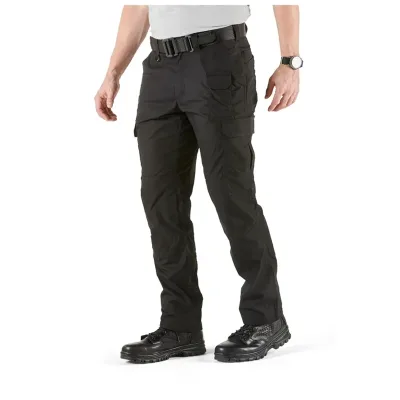


Comprehensive Sourcing Guide
Water Resistant Tactical Cargo Pants Sourcing Guide
Procuring water-resistant tactical cargo pants requires a clear understanding of the specific performance attributes observed in the current market, particularly regarding fabric composition and functional design. The available inventory frequently features a cotton-polyester blend engineered with rip-stop and waterproof treatments to ensure durability during rigorous outdoor activities. Buyers must distinguish between general leisure wear and specialized tactical gear, as the latter often includes additional features like anti-static properties and camouflage patterns tailored for specific environments such as urban, snow, or desert settings.
When evaluating listings, it is critical to verify that the product structure aligns with operational needs, such as the open-fronted design or straight-cut styles observed in the data. The seasonal suitability is predominantly noted for spring and autumn, though some variants are explicitly rated for summer use with medium thickness. Sourcing decisions should prioritize suppliers who can demonstrate consistent availability of these specific functional attributes, ensuring the final product meets the demanding requirements of track and field, hunting, or general outdoor tactical applications without compromising on comfort or mobility.
Product Scope and Observed Listing Signals
The observed product range encompasses a diverse array of tactical trousers designed for adult unisex use, with sizes extending from small to triple extra-large to accommodate various body types. Listings indicate a strong emphasis on customization, with options for digital printing and tailored services that allow buyers to specify exact requirements for their teams. The color palette is extensive, ranging from pure colors to complex camouflage schemes including urban, snow, green, and desert variants, which directly influences the tactical utility of the garment in different operational theaters.
Commercial signals in the market reveal significant variability in packaging and logistics, with some suppliers offering bulk cartons containing forty pieces while others specify weight limits per carton. The observed lead times can be substantial, ranging from seventy to ninety days for production, which necessitates early planning for large-scale procurement. Buyers should also note the presence of specific model identifiers like M074 or generic descriptors such as cargo pants, which serve as crucial reference points for maintaining consistency across repeat orders and ensuring the correct specifications are met.
Technical Specifications to Verify
Verification of technical specifications is paramount when sourcing water-resistant tactical cargo pants, as the market data presents conflicting or varied measurements for standard dimensions and material thickness. Buyers must confirm whether the product adheres to specific standard sizes like 56CM by 40CM by 38CM or alternative dimensions such as 56 by 39 by 37cm, as these variations can impact storage and logistics planning. Additionally, the thickness is described variably as normal or medium, requiring direct confirmation from the supplier to ensure the garment provides adequate protection without being overly cumbersome for the intended activity.
The functional performance of the fabric must be rigorously tested against claims of waterproofing, breathability, and quick-drying capabilities, as these are critical for maintaining comfort during extended wear. The observed feature set includes rip-stop construction and anti-static properties, which are essential for safety in specific environments. Procurement teams should request detailed material breakdowns to validate the cotton-polyester ratio and ensure that the waterproof treatment is durable enough to withstand the rigors of track and field, hunting, or general outdoor use without degrading after repeated washing or exposure to the elements.
Compliance and Safety Documentation
While the provided data does not explicitly confirm specific certification statuses like OEKO-TEX, buyers must insist on comprehensive safety documentation to validate the chemical safety and environmental compliance of the textile materials used. The absence of explicit certification claims in the listing signals means that procurement teams cannot assume compliance and must actively request test reports regarding the waterproof coatings and dyeing processes. This due diligence is essential to ensure that the garments do not contain harmful substances that could pose health risks to the end-users, particularly given the close contact nature of tactical uniforms.
Safety documentation should also cover the structural integrity of the pants, verifying that the open-fronted design and straight style do not compromise the wearer's safety during high-movement activities. Buyers should seek evidence that the manufacturing process adheres to recognized industry standards for textile safety, even if specific standard numbers are not immediately visible in the product description. Establishing a clear chain of custody for these safety documents is vital for liability protection and ensures that the sourced products meet the rigorous safety expectations required for professional tactical and outdoor applications.
Cost Drivers and Commercial Terms
The cost of water-resistant tactical cargo pants is influenced by several key drivers, including the complexity of the camouflage patterns, the specific waterproofing technology employed, and the volume of the order. The observed minimum order quantity (MOQ) ranges from 5 to 1000 units, with some specific tactical uniform listings requiring a minimum of 100 sets, which significantly impacts the unit economics for smaller buyers. Pricing fluctuations are also tied to the customization level, as digital printing and tailored services often incur additional charges that must be factored into the total cost of ownership.
Commercial terms regarding lead times and sample availability are critical components of the procurement strategy, as the market indicates a sample time of seven to ten days and a production lead time of seventy to ninety days. Buyers must negotiate clear terms regarding payment schedules and shipping responsibilities, especially given the varied packaging standards observed, such as 40 pieces per carton or specific weight limits per carton. Understanding these commercial dynamics allows for more accurate budgeting and helps prevent delays that could disrupt operational schedules, ensuring that the procurement process remains efficient and cost-effective.
Supplier Qualification and Quality Control
Supplier qualification for tactical cargo pants requires a thorough assessment of their manufacturing capabilities, particularly their ability to handle complex customization requests and maintain consistent quality across large batches. The market data highlights suppliers offering OEM and ODM services, which suggests a high level of flexibility, but buyers must verify the supplier's track record in delivering products that meet the specific technical requirements for waterproofing and durability. It is essential to audit the supplier's production facilities to ensure they have the necessary equipment for digital printing and the quality control measures to maintain the integrity of the rip-stop and anti-static features.
Quality control protocols should be established early in the relationship, focusing on the verification of critical attributes such as the fabric composition, color fastness, and the effectiveness of the waterproof treatment. Given the observed variability in product standards and dimensions, buyers should implement a rigorous inspection regime that includes pre-production samples and random checks during the production run. This proactive approach ensures that the final products align with the specified requirements for size, thickness, and functional performance, minimizing the risk of receiving substandard goods that could compromise the safety and effectiveness of the tactical team.
Long-Term Procurement Checks
Establishing a long-term procurement strategy for water-resistant tactical cargo pants involves regular performance reviews and continuous monitoring of supplier reliability to ensure consistent product quality over time. Buyers should schedule periodic audits to verify that the supplier continues to meet the agreed-upon standards for material composition, waterproofing efficacy, and dimensional accuracy. This ongoing oversight is crucial for maintaining the operational readiness of the tactical units, as any degradation in product quality could directly impact the safety and effectiveness of the personnel relying on these garments.
Additionally, long-term checks should include an evaluation of the supplier's ability to adapt to changing requirements, such as updates in camouflage patterns or new fabric technologies. The procurement team must maintain open communication channels to address any emerging issues promptly and ensure that the supply chain remains resilient against potential disruptions. By fostering a collaborative relationship with the supplier and maintaining a focus on continuous improvement, buyers can secure a reliable source of high-quality tactical cargo pants that meet the evolving needs of their organization for years to come.
FAQs
What materials are used for these tactical pants?
The pants are constructed from a durable Cotton/Polyester blend designed for comfort and longevity. This fabric choice supports the rip-stop feature, ensuring resistance to tearing during rigorous outdoor activities. The material thickness is classified as normal or medium, providing adequate protection without excessive bulk for spring and autumn wear.
Can I customize the design of these cargo pants?
Yes, customization is available for these tactical trousers. Buyers can request specific modifications to meet unique operational requirements. The supplier supports OEM and ODM services, allowing for tailored solutions. Digital printing options are also supported for branding or specific pattern applications on the fabric surface.
What is the minimum order quantity for these pants?
The minimum order quantity is 100 sets. This threshold applies to the tactical uniform sets which include the pants. Buyers should note that the weight per set ranges from 1.25 to 1.4 kg. Packaging is typically done in cartons containing 40 pieces, facilitating efficient logistics and storage for bulk orders.
How long does production take for these pants?
Production lead time is typically 70 to 90 days. This duration accounts for manufacturing and quality control processes. Sample preparation requires 7 to 10 days prior to bulk production. Buyers should plan their procurement schedules accordingly to ensure timely delivery for seasonal requirements or specific project deadlines.
What features do these tactical pants offer?
These pants feature waterproof and breathable properties for outdoor use. They include anti-static capabilities and a comfortable fit for extended wear. The design is open-fronted with a straight style, suitable for track and field or hunting. Available colors include various camouflage patterns like urban, snow, green, and desert camo.
Where are these tactical pants manufactured?
These pants are manufactured in China, with specific origins noted in Wuhan and Hub. The production facilities adhere to standard packaging dimensions of approximately 56 by 40 by 38 cm. Buyers can rely on established supply chains from these regions for consistent quality and reliable delivery of tactical gear.