Source Water-Saving Plastic Portable Toilet for Events
Compare 30 Water-Saving Plastic Portable Toilet units from verified Chinese manufacturers. Buyers can evaluate mobile toilet designs, composite-unit structures, and customization options for commercial kiosks, temporary offices, and warehouse facilities; compare the available evidence and request quotations based on your requirements.
Key considerations
Products List


Economic Site Toilets Portable Toilet Movable Toilet
$250.00 - $300.00
MOQ: 20 Sets
Guangdong Wellcamp Steel Structure & Modular Housing Co., Ltd.

Portable Movable Toilet with Sanitary Container Toilet
$250.00 - $300.00
MOQ: 20 Sets
Guangdong Wellcamp Steel Structure & Modular Housing Co., Ltd.

Container Toilet/Portable Toilet/Mobile Toilet
$250.00 - $300.00
MOQ: 20 Sets
Guangdong Wellcamp Steel Structure & Modular Housing Co., Ltd.


Wellcamp Cheap High Plastic Modular Portable Toilet
$750.00 - $900.00
MOQ: 50 Pieces
Guangdong Wellcamp Steel Structure & Modular Housing Co., Ltd.


Plastic HDPE Portable Toilet External Construction Site Portable Toilet
$470.00 - $550.00
MOQ: 10 Sets


Plastic Mobile Toiletsprefab Mobile Toiletportable Toilets Mobile Plastic
$8540.00 - $10000.00
MOQ: 1 Pieces
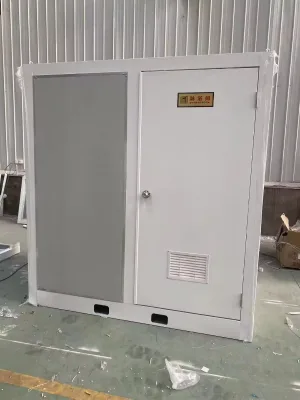


Prefabricated Outdoors Public Portable Mobile Plastic Toilet for Portable Restroom
$400.00 - $800.00
MOQ: 1 Pieces

Public Modern Save Water Prefab Modular Mobile HDPE Plastic Material Portable Toilets
$400.00 - $800.00
MOQ: 1 Pieces

Prefab Outdoor Public Plastic Portable Mobile Toilet for Camping Restroom
$400.00 - $800.00
MOQ: 1 Pieces

Outdoors Mobile Prefab Public Plastic Portable Toilet with 350L Waste Tank for Camping
$400.00 - $800.00
MOQ: 1 Pieces

10L Bedside Plastic Flush Portable Toilets Potty Mobile Room Portable Camping Toilet
$10.00 - $25.00
MOQ: 500 Pieces

Comprehensive Sourcing Guide
Water-Saving Plastic Portable Toilet Sourcing Guide
Procuring water-saving plastic portable toilets requires a strategic approach that balances hygiene efficiency with logistical flexibility. These units are designed for high-traffic commercial and temporary environments, offering a self-contained sanitation solution that minimizes reliance on continuous water supply infrastructure. Buyers must prioritize models that integrate advanced flushing mechanisms, such as water-saving flush types, to ensure operational sustainability and reduced utility costs. The structural integrity of these units is often defined by composite-unit designs, which provide durability against frequent movement and varying environmental conditions.
The market offers a diverse range of configurations, from basic mobile toilets to fully customized commercial kiosks. Suppliers frequently provide options for customizing interiors, logos, and exterior colors to align with brand identity or site-specific requirements. Understanding the specific functional needs, such as the inclusion of wash basins, gender markers, or in-use signs, is critical for selecting the right model. Buyers should evaluate the transport and load capabilities, noting that efficient packing methods, such as shipping in parts or sets, can significantly reduce freight expenses and improve deployment speed for large-scale projects.
Product Scope and Observed Listing Signals
The observed product landscape includes mobile toilets with distinct design styles, such as star-rated standard types and modern aesthetics. These units typically feature a composite-unit structure, ensuring robustness while maintaining a lightweight profile for easy relocation. Key physical attributes include dimensions around 3.5 meters in length, 2.1 meters in width, and 2.3 meters in height, with roof thicknesses of 50mm for enhanced weather resistance. The inclusion of two 14-inch tire wheels and a guide pulley facilitates smooth maneuverability, making these units suitable for both permanent installations and temporary event sites.
Listing signals indicate a strong emphasis on customization and total project solutions. Buyers can expect options for customized tires, inside facilities, and stickers, allowing for tailored branding and functional adjustments. The units are often constructed using sandwich panels, which offer excellent insulation and structural stability. Additionally, the presence of HDPE plastic panels for water tanks and waste tanks highlights a focus on corrosion resistance and ease of cleaning. These material choices support the units' suitability for diverse applications, including warehouses, dormitories, and temporary offices, where hygiene and durability are paramount.
Technical Specifications to Verify
When evaluating technical specifications, buyers should verify the flushing mechanism to ensure it aligns with water conservation goals. Water-saving flush types are prevalent, but the exact volume per flush and tank capacity should be confirmed to match site usage patterns. The structural style, often described as a composite-unit, must be inspected for material quality, particularly the sandwich panel construction, which provides wind resistance and earthquake resilience. Buyers should also check the thickness of the roof and walls to ensure adequate protection against environmental elements and physical impact.
Transport and load specifications are critical for logistical planning. Units are typically designed to be easily movable, with features like two wheels and a guide pulley enhancing maneuverability. Buyers must verify the packing method, whether in parts or sets, as this directly impacts shipping volume and cost. Standard packing methods are common, but custom configurations may be available for specific project needs. Additionally, the inclusion of other facilities such as water taps, locks, mirrors, and vent pipes should be confirmed to ensure the unit meets all functional requirements for the intended environment.
Compliance and Safety Documentation
Compliance with international standards is essential for ensuring the safety and quality of portable toilets. Buyers should verify that suppliers hold relevant certifications, such as ISO and CE, which indicate adherence to rigorous manufacturing and safety protocols. Some listings also mention SGS certification, which provides additional assurance of product quality and reliability. These certifications are crucial for projects in regulated markets, where compliance with local and international standards is mandatory for installation and operation.
Safety features are another critical aspect of documentation. Buyers should ensure that the units are designed with wind resistance and earthquake resilience in mind, particularly for installations in prone areas. The use of durable materials, such as HDPE for tanks and sandwich panels for walls, contributes to overall safety and longevity. Additionally, buyers should request documentation on the warranty terms, typically offering one year of coverage, to protect against manufacturing defects. Clear safety guidelines and maintenance instructions should also be provided to ensure proper usage and upkeep.
Cost Drivers and Commercial Terms
Cost drivers for water-saving plastic portable toilets include material quality, customization options, and logistical considerations. The use of high-grade sandwich panels and HDPE components increases production costs but enhances durability and hygiene. Customization services, such as logo printing and interior modifications, add to the base price but can provide significant branding value. Buyers should also consider the impact of shipping volume, as efficient packing methods can reduce freight costs and improve overall project economics.
Commercial terms vary among suppliers, with minimum order quantities (MOQ) ranging from one to five hundred units. Buyers should negotiate clear terms regarding payment, delivery, and after-sales support. Many suppliers offer 24-hour online service and onsite installation support, which can reduce operational downtime and ensure proper setup. Warranty terms, typically lasting one year, should be clearly defined to cover potential defects. Additionally, buyers should inquire about the availability of spare parts and maintenance services to ensure long-term reliability and performance.
Supplier Qualification and Quality Control
Supplier qualification is a critical step in the procurement process, requiring thorough verification of manufacturing capabilities and quality control measures. Buyers should assess the supplier's factory location, with many manufacturers based in regions like Zhengzhou and Foshan, known for their industrial expertise. It is essential to verify the supplier's ability to provide preview layout drawings and total project solutions, ensuring they can meet specific design and functional requirements. Suppliers with a history of worldwide export and acceptable visit policies offer greater transparency and trust.
Quality control processes should be rigorously evaluated to ensure consistent product quality. Buyers should request samples or conduct factory audits to inspect material quality, assembly precision, and finishing details. The use of standardized packaging and clear labeling helps in maintaining product integrity during transit. Additionally, suppliers should provide detailed documentation on testing procedures and compliance with relevant standards. Establishing a strong relationship with a qualified supplier ensures reliable supply chains and consistent product performance, reducing risks associated with procurement delays or quality issues.
Long-Term Procurement Checks
Long-term procurement checks focus on sustainability, maintenance, and supplier reliability. Buyers should establish a regular maintenance schedule to inspect water tanks, waste tanks, and flushing mechanisms, ensuring optimal performance and hygiene. Regular checks of the structural integrity, including the sandwich panels and wheels, help identify potential wear and tear early. Suppliers offering comprehensive after-sales services, such as onsite installation and 24-hour online support, provide valuable assistance in addressing any operational issues promptly.
Building a long-term partnership with a reliable supplier is crucial for consistent supply and support. Buyers should monitor supplier performance, including delivery times, product quality, and responsiveness to inquiries. Regular communication and feedback loops help in refining procurement strategies and addressing any emerging challenges. Additionally, staying informed about industry trends and technological advancements in portable toilet design can inform future procurement decisions. By prioritizing long-term relationships and continuous improvement, buyers can ensure a sustainable and efficient sanitation solution for their projects.
FAQs
How is the water saving flush system operated on this plastic portable toilet?
The water saving flush type operates using foot pumps, which let users activate the flush without electrical connections or button contact. This hands-free pumping method conserves water by releasing measured amounts per use. It suits temporary sites without plumbing or power, and the HDPE water tank can be refilled manually, making the unit practical for construction sites and outdoor events.
What material is used for the water tank and waste tank in these portable toilets?
Both the water tank and the waste tank are made from HDPE plastic panel and profile. HDPE is chosen because it resists corrosion, is easy to clean, and holds up well in outdoor conditions. This material keeps the portable toilet lightweight for transport while remaining durable through repeated flushing, waste collection, and routine sanitation on commercial job sites.
Can the color, logo, and inside facilities be customized before ordering?
Yes, customization is available for color, logo, tyres, and inside facilities. Standard color options include blue, green, red, and yellow, and custom colors can be requested. Buyers can also add stickers and adjust internal fittings to match their brand or site requirements. A preview layout drawing is provided during the design stage so the configuration can be confirmed before production begins.
What are the size and transport capacity of these portable toilet units?
The TS3502 model measures 350 by 210 by 230 centimeters, while smaller plastic units are about 1150 by 1150 by 2300 millimeters. For shipping, 55 sets fit in a 40HQ container and 22 sets fit in a 20GP container. Units are mounted on two wheels with 14 inch tyres plus one guide pulley, so they can be moved on site and loaded efficiently for export.
Which certifications and quality standards do these portable toilets meet?
Listed certifications include ISO and CE on some models, and ISO and SGS on others, so buyers should confirm which certificate applies to the specific unit ordered. The products are built to Au, USA, and EU standards, and each unit carries a one year warranty. Factory visits are acceptable, and inspection can be arranged to verify quality before shipment.
How do I choose between the different plastic portable toilet models offered?
Start by matching usage to the model: units serve toilets, shower rooms, bathrooms, and rest rooms, with structural styles ranging from composite-unit designs to star-rated standard types. Check the specification that matters most, such as the 50mm roof thickness for durability or unit footprint for your site. Since customization is available, confirm your layout with the preview drawing before placing an order.