Source Water Soluble Fusible Woven Interlining for Suits Jackets Trousers
Compare 30 listings of Water Soluble Fusible Woven Interlining from verified factories. Buyers can evaluate weight ranges, coating types, and customization options for garment applications like suits, jackets, and trousers.
Key considerations
Products List


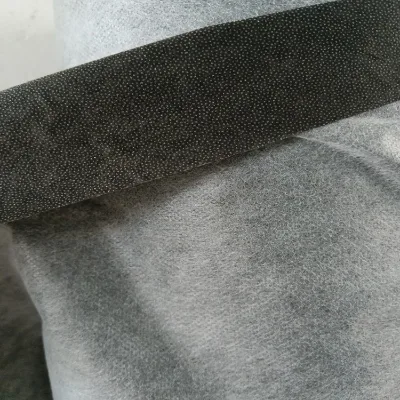
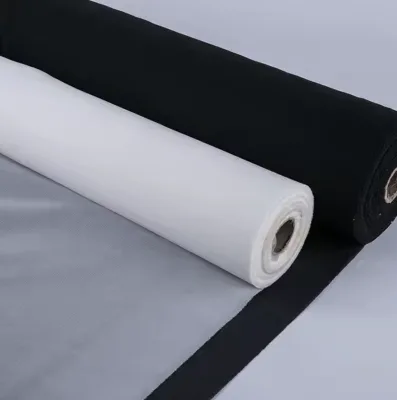


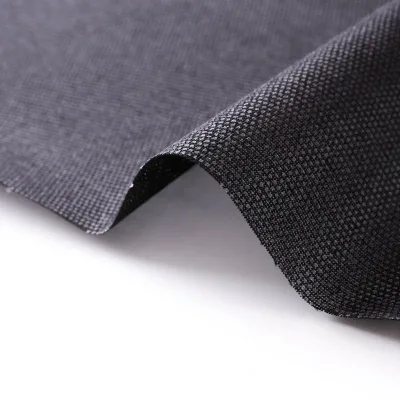
100d Interlinings Linings Interlining Fabric Interfacing Fabric Fusible Interlining
$0.30 - $0.35
MOQ: 10000 Meters
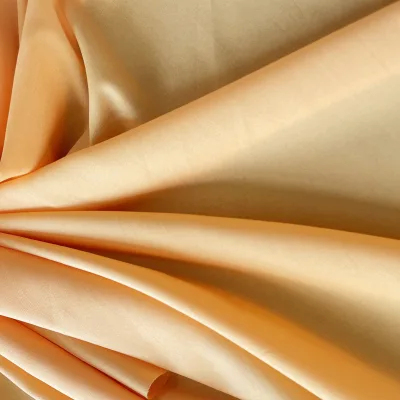
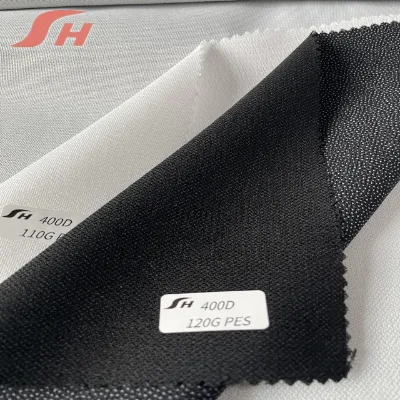


$0.60 - $1.00
MOQ: 1000 Yards



Comprehensive Sourcing Guide
Strategic Sourcing Guide for Water Soluble Fusible Woven Interlining
Navigating the global market for specialized textile components requires a disciplined approach, particularly when sourcing Water Soluble Fusible Woven Interlining. This specific category of industrial fabric serves as a critical temporary support structure in garment manufacturing, offering unique advantages in complex construction processes. The product landscape is defined by a convergence of chemical properties, mechanical weave structures, and adhesive technologies. Buyers must distinguish between generic interlinings and those engineered with water-soluble adhesives that dissolve upon exposure to specific temperatures or moisture, leaving no residue. The following guide outlines the essential technical, operational, and commercial factors required to secure reliable supply chains for this niche material.
Technical Specifications and Material Composition
The foundational characteristics of Water Soluble Fusible Woven Interlining are dictated by the base fabric, the coating technology, and the adhesive formulation. Based on available market data, the primary substrate for these products is typically 100% Polyester. This material choice provides the necessary tensile strength and dimensional stability required during the high-heat fusing process. The weave structure is a critical differentiator; while plain weaves are common for general applications, specific high-performance variants utilize twill weaves to enhance drape and flexibility. The fabric width is a standard specification that buyers must verify, with common offerings ranging from 150cm to 60 inches (approximately 152cm).
The coating process is where the "water soluble" functionality is introduced. The adhesive layer is often applied using Polyamide (PA) or a mixed coating of Polyester (Pes) and Polyamide. This specific chemical composition allows the adhesive to bond firmly to the garment fabric under heat and pressure but dissolve completely when exposed to hot water or steam. The weight of the interlining is another vital parameter, typically ranging from 25 GSM to 200 GSM depending on the intended application. Lighter weights, such as those around 25-50 GSM, are suitable for delicate fabrics like voile, while heavier weights up to 200 GSM provide robust support for structured garments like suits and jackets.
The fusing temperature is a highly variable specification that must be customized to the specific production line. While some standard products offer a fixed range, many suppliers provide customized fusing temperatures to match the thermal sensitivity of the target garment fabric. The fabric type is often described as woven interlining, and the pattern may be solid color or yarn-dyed, with white, black, and off-white being the most prevalent color options. The final product is usually supplied in rolls, often packed in PE film or poly bags to protect the adhesive surface from contamination and moisture before use.
Compliance, Certification, and Safety Standards
In the B2B textile sector, compliance is not merely a formality but a prerequisite for market access, especially for products intended for consumer wear. While specific certification statuses vary by supplier, buyers must rigorously verify that the interlining meets international safety standards. The most prominent standard in this domain is OEKO-TEX, which ensures the absence of harmful substances. However, the presence of this standard cannot be assumed for all listings; it must be explicitly confirmed by the supplier for each batch.
Buyers should request documentation proving that the water-soluble adhesive and the polyester base fabric are free from toxic heavy metals, formaldehyde, and other regulated chemicals. Since the product is often used in clothing that comes into direct contact with skin, the safety of the adhesive residue is paramount. Even though the adhesive is designed to dissolve, any non-dissolved particles or chemical byproducts from the coating process must be non-irritating.
Furthermore, the "Grade" of the material is a significant indicator of quality. High-grade imported materials are often preferred for premium garment lines to ensure consistency in performance. The supplier's ability to provide a Certificate of Analysis (CoA) or a test report from an accredited third-party laboratory is essential. These documents should verify the solubility rate, the adhesion strength, and the chemical composition of the coating. Without these verified documents, the risk of batch failure in mass production increases significantly.
Cost Drivers and Pricing Dynamics
The pricing of Water Soluble Fusible Woven Interlining is influenced by a complex matrix of factors, including raw material costs, coating complexity, and order volume. The observed market price range for such products can vary significantly, with listings showing prices between $0 and $91.54 USD. This wide variance often reflects differences in product specifications, such as the GSM weight, the width of the roll, and the specific adhesive chemistry used.
The Minimum Order Quantity (MOQ) is a primary driver of unit cost. Suppliers typically enforce MOQs ranging from 50 to 50,000 units, with higher volumes generally yielding lower per-unit prices. For buyers with smaller production runs, the cost per meter may be substantially higher due to the fixed costs of setup and coating application. Additionally, the customization level plays a crucial role. Products with standard widths and colors are more cost-effective, whereas custom widths, specific fusing temperatures, or unique packaging requirements will incur additional charges.
Lead times also impact the overall cost structure. Standard items may be available with a sample lead time of 3 to 7 days, while full production runs can take approximately 15 days for a standard 20-foot container. Rush orders or custom development phases will extend these timelines and increase costs. Buyers must balance the urgency of their production schedule against the budgetary constraints, understanding that expedited shipping or priority coating slots often come at a premium.
Typical Applications and Performance Requirements
Water Soluble Fusible Woven Interlining is indispensable in modern garment manufacturing, particularly for applications requiring temporary stabilization. The primary use cases include dress construction, trousers, ladies' clothing, suits, and jackets. In these applications, the interlining is fused to the fabric to provide shape and structure during the cutting and sewing phases. Once the garment is assembled, the interlining is dissolved, leaving the fabric with the desired shape but without the stiffness of a permanent lining.
The "Hand Feeling" of the final product is a critical performance metric. High-quality interlinings are engineered to provide a soft hand feel, ensuring that the temporary support does not alter the drape or texture of the final garment. The fabric type, such as voile, requires a very lightweight and soft interlining to maintain its characteristic flow. Conversely, heavier applications like suit jackets may require a firmer interlining that still dissolves cleanly.
The application scope also extends to disposable supplies in certain industrial contexts, though the primary market remains apparel. The ability of the interlining to withstand the fusing temperature without melting or deforming the base fabric is essential. The adhesive must be fusible, meaning it activates at a specific temperature to bond with the garment fabric, yet remain water-soluble. This dual functionality allows for precise control in the manufacturing process, enabling complex designs that would be difficult to achieve with permanent interlinings.
Supplier Evaluation and Production Capabilities
Selecting the right supplier requires a thorough evaluation of their production capabilities and quality assurance systems. A key indicator of a reliable supplier is the presence of an in-house factory. Suppliers who own their manufacturing facilities can offer better control over the coating process, ensuring consistency in the adhesive application and weave quality. The "Factory" attribute is a strong signal of vertical integration, which often translates to better lead time management and quality control.
Buyers should verify the supplier's ability to handle customization. The "Standard" for these products is often customized, meaning the supplier must be flexible in adjusting width, weight, and fusing temperature. The "Product Type" should be explicitly listed as woven interlining, and the "Model Number" should correspond to specific technical specifications. For instance, models like 3040 or 3080 may indicate specific GSM or width configurations.
The "Stock" status is another critical factor. While some suppliers maintain stock for standard items, many operate on a "Not Stock" basis, producing to order. This affects the lead time and the ability to fulfill urgent requests. A supplier with a "Stock" option may offer faster delivery for standard specifications, while a "Not Stock" supplier may require a longer production cycle but offer more flexibility for custom orders. The "Brand Name" and reputation of the supplier should also be considered, as established brands often have more rigorous quality control processes.
Quality Control and Long-Term Procurement Strategy
Implementing a robust quality control (QC) strategy is essential for mitigating risks associated with Water Soluble Fusible Woven Interlining. The "Quality" attribute should be verified through regular sampling and testing. Buyers should request samples to be sent within 3 days for free to evaluate the hand feel, adhesion strength, and solubility characteristics. The "Production Time" of 15 days for a standard container should be factored into the QC schedule to allow for adequate testing before full-scale production.
Long-term procurement considerations involve building a relationship with a supplier who can scale with the buyer's needs. The "Package" options, such as 100-meter rolls or customized packaging, should be discussed to ensure compatibility with the buyer's automated sewing lines. The "Selling Units" should be clear, typically single items or bulk rolls, to avoid confusion in ordering.
Buyers must also consider the "Feature" set of the product, which includes attributes like elastic, shrink-resistant, and adhesive properties. These features must align with the specific requirements of the garment being produced. For example, if the garment fabric is prone to shrinking, the interlining must be shrink-resistant to prevent distortion during the fusing process. The "Security & Protection" aspect, often listed as "Cloth," ensures that the interlining provides the necessary structural integrity without compromising the fabric's integrity.
Summary of Key Specifications and Comparison
To facilitate decision-making, the following table summarizes the key technical specifications and attributes observed in the market for Water Soluble Fusible Woven Interlining. This comparison highlights the variability in product offerings and the specific parameters buyers should prioritize during the sourcing process.
| Specification Category | Common Attributes & Ranges | Verification Requirement |
|---|---|---|
| Material | 100% Polyester, Imported Grade | Confirm material composition and origin (China/Guangdong). |
| Weave Type | Plain, Twill | Verify weave structure matches fabric drape requirements. |
| Coating | PA, Pes/PA/Mixed | Ensure coating is water-soluble and matches fusing temp. |
| Weight | 25-200 GSM | Select based on garment weight and structure needs. |
| Width | 150cm, 44", 60" | Confirm width compatibility with cutting and sewing lines. |
| Adhesion | Fusible, Adhesive | Test adhesion strength and solubility rate. |
| Color | White, Black, Off-White | Verify color consistency and dyeing method (Yarn Dyed). |
| Packaging | Rolls, PE Film, Poly Bag | Ensure packaging protects adhesive from moisture. |
| Lead Time | 3 Days (Sample), 15 Days (Production) | Align with production schedule and MOQ requirements. |
| MOQ | 50 - 50,000 Units | Negotiate based on volume and budget constraints. |
By adhering to these guidelines and focusing on the verified attributes of the product, buyers can effectively source high-quality Water Soluble Fusible Woven Interlining. The key lies in balancing technical specifications with commercial realities, ensuring that the chosen supplier can deliver consistent performance while meeting the specific demands of the garment manufacturing process.
FAQs
What materials are used for Water Soluble Fusible Woven Interlining?
The primary material is 100% Polyester, providing tensile strength during fusing. Some variants use imported grades to ensure consistency. The fabric is typically woven with plain or twill structures for specific drape requirements.
How is the adhesive coating applied to the interlining?
The coating process uses Polyamide or a mixed Polyester and Polyamide formulation. This specific chemistry allows the adhesive to bond under heat but dissolve completely in hot water. The application ensures no residue remains after the process.
Which width options are available for this woven interlining?
Common widths include 150cm and 44 inches or 60 inches. Buyers must verify specific width requirements as offerings vary by manufacturer. Custom widths are often available upon request to match production line needs.
Can suppliers provide samples within a short timeframe?
Yes, samples can be sent within 3 days for free in many cases. Standard sample lead times are supported, allowing buyers to evaluate hand feel and adhesion quickly. This supports rapid decision-making before placing bulk orders.
What is the typical weight range for these interlinings?
The weight range typically spans from 25 GSM to 200 GSM. Lighter weights suit delicate fabrics like voile, while heavier weights support structured garments. Specific GSM values depend on the intended application and fusing temperature.
How long does production take for a standard order?
Production time is approximately 15 days for a standard 20-foot container. This timeline applies to bulk orders rather than small samples. Customization requests may extend the production schedule beyond the standard duration.
What packaging formats are used for shipping these rolls?
Products are typically packed in rolls with PE film or poly bags. Some options include 100-meter rolls or customized packaging to suit automated lines. This protects the adhesive surface from contamination and moisture during transit.