Source Water Soluble Fusing Interlining for Garment Dress Trousers
Find 30 Water Soluble Fusing Interlining options with varying weights from 20 to 150 GSM and coating types like PA or Pes. Buyers can compare woven and nonwoven styles for applications in suits, jackets, and lady cloth.
Key considerations
Products List


$0.60 - $1.00
MOQ: 1000 Yards

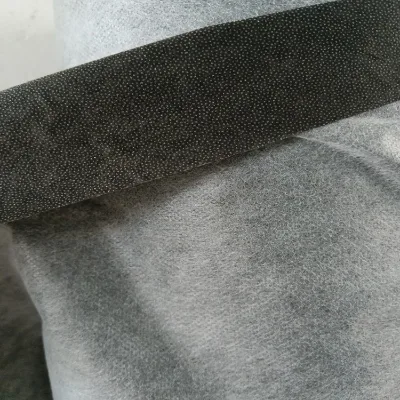
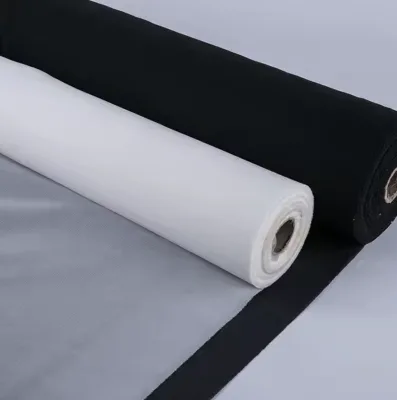
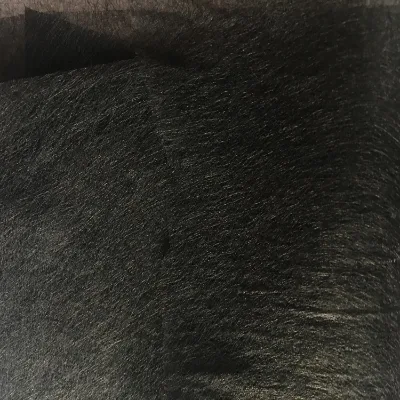


100d Interlinings Linings Interlining Fabric Interfacing Fabric Fusible Interlining
$0.30 - $0.35
MOQ: 10000 Meters


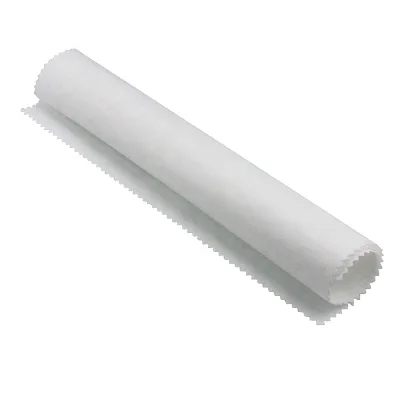
Nonwoven Fusible Interlining for Uniform
$0.05 - $0.10
MOQ: 5000 Meters
Zhejiang Changxing Changrui Interlining Manufacture Co., Ltd.


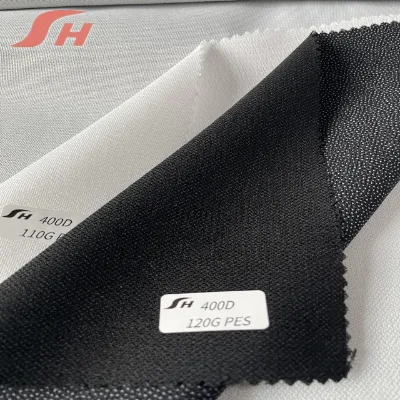
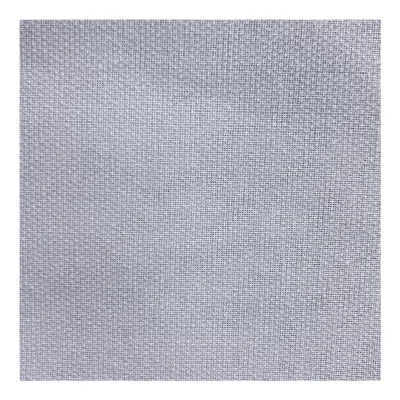
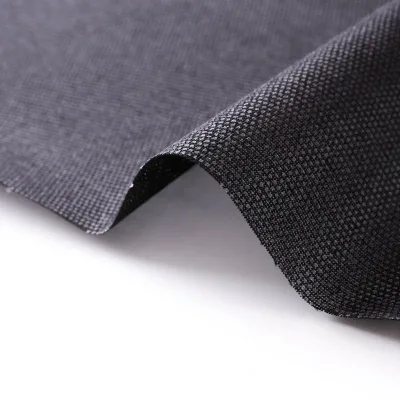
Comprehensive Sourcing Guide
Strategic Sourcing Guide for Water Soluble Fusing Interlining
Procuring Water Soluble Fusing Interlining requires a nuanced understanding of the intersection between adhesive chemistry, fabric mechanics, and manufacturing precision. Unlike standard fusing interlinings designed to remain permanently bonded to a garment, water soluble variants serve a temporary structural role, providing stability during the cutting, sewing, and pressing phases before dissolving to leave the final fabric free of any backing. This guide synthesizes available product attributes and industry standards to help buyers navigate the selection, evaluation, and procurement of these specialized textile components.
Technical Specifications and Material Composition
The foundation of any successful sourcing strategy lies in verifying the technical specifications of the interlining. The supplied data indicates a diverse range of material compositions and production techniques that define the performance profile of these products. Buyers must distinguish between woven and nonwoven bases, as the weave structure directly impacts the dissolving rate and the stability provided during garment construction.
Current market observations highlight specific material grades and weights. Products are frequently categorized by their base material, with 100% Polyester and 100% PA (Polyamide) being prominent options. The choice between these materials often dictates the chemical resistance and the specific dissolution conditions required. For instance, the presence of a PA or Pes coating suggests a specific adhesive chemistry that must align with the garment's fabric type. The weight range for these interlinings typically spans from 20 to 150 GSM, with some specialized grades extending up to 150 GSM. This variability allows for selection based on the weight of the target garment; lighter fabrics require lower GSM interlinings to avoid stiffness, while heavier suits may necessitate higher GSM options for structural integrity.
The production technique is another critical specification. The data notes both "Chemical Bonded" and "Woven" techniques. Woven interlinings, often featuring a Twill weave, offer superior dimensional stability and are preferred for high-end applications like suits and jackets where precise shape retention is vital. Conversely, nonwoven options may offer different handling characteristics. The coating process is equally significant, with options including PA, Pes, or Mixed coatings. The "Fusing Temperature" is listed as customizable, indicating that buyers must verify the thermal profile required for their specific pressing equipment to ensure the adhesive activates without damaging the fabric.
Compliance, Certification, and Safety Standards
In the realm of textile sourcing, compliance is not merely a regulatory hurdle but a critical component of brand reputation and consumer safety. While the provided context mentions "OEKO-TEX" as a background standard, it is categorized as low-confidence for specific claims. Therefore, buyers should not assume any listed product automatically holds this certification. Instead, the procurement process must include a rigorous verification step where the supplier provides current, valid certificates for the specific batch or production line.
Buyers must verify that the adhesive and coating materials used in the interlining meet international safety standards. The presence of "Eco-Friendly" attributes in some product listings suggests a market trend toward sustainable adhesives, but this requires independent confirmation. The "Grade" of the material is listed as either "Domestic" or "Imported," which can influence the perceived quality and compliance with stricter international regulations. Imported grades often undergo more stringent testing protocols, but this is not a guarantee.
Furthermore, the "Stock" status and "Supply Type" (Make-to-Order) play a role in compliance management. Make-to-order production allows for tighter quality control and customization of chemical formulations, whereas stock items may have varying compliance statuses depending on their production date. Buyers should explicitly request test reports regarding the dissolution residue to ensure no harmful chemicals remain on the fabric after the washing process.
Cost Drivers and Pricing Structures
Understanding the cost drivers for Water Soluble Fusing Interlining is essential for budgeting and negotiation. The observed price range in the market spans from $0.05 to $91.73 USD, a vast disparity that reflects differences in material quality, width, weight, and order volume. The Minimum Order Quantity (MOQ) is equally variable, ranging from 50 to 50,000 units. This wide MOQ range indicates that the market serves both small-scale prototyping and large-scale industrial production.
Several factors influence the final unit cost. First, the material composition is a primary driver; 100% PA or specialized blends typically command a higher price than standard polyester bases. Second, the width of the fabric, observed in the data as 44" and 60", affects the yield per roll and the efficiency of the cutting process. Third, the customization level significantly impacts cost. Attributes such as "Customed" color, "Customized" fusing temperature, and specific pattern requirements (e.g., Solid Color) add to the production complexity and cost.
The supply chain location also plays a role in pricing. Products originating from Taizhou, Jiangsu Province, and Guangdong, China, represent two major manufacturing hubs. While the data does not specify exact price differences based on location, regional variations in labor costs and logistics can influence the final quote. Additionally, the "Sample" availability, which is often free or sent within 3 days, serves as a low-cost entry point for buyers to validate quality before committing to larger orders, effectively reducing the risk associated with high MOQs.
Typical Applications and Usage Scenarios
Water Soluble Fusing Interlining is primarily utilized in applications where temporary stabilization is required without permanent adhesion. The data points to specific usage categories, including "Home Textile," "Clothes," "Dress," "Trousers," "Lady Cloth," "Suits," and "Jacket." The versatility of these products allows them to be used across a broad spectrum of garment types.
In the context of high-end tailoring, such as suits and jackets, the interlining provides the necessary structure during the sewing process to maintain the shape of lapels, collars, and cuffs. Once the garment is completed and washed, the interlining dissolves, leaving the fabric with a natural drape and soft hand feel, which is a key attribute listed in the product data. For dress and trouser applications, the interlining helps in managing complex pleats and gathers, ensuring they hold their form during construction.
The "Application" field also lists "Garment" as a general category, reinforcing the primary use case. The "Hand Feeling" being described as "Soft" is particularly relevant for garments where the final tactile experience is paramount. Buyers should match the interlining weight and weave to the specific application; for example, a lightweight, nonwoven interlining might be suitable for a summer dress, while a heavier, woven interlining would be necessary for a winter coat. The "Pattern" being "Solid Color" and "Color" options like "White," "Black," or "Off White" ensures that the interlining does not show through light-colored fabrics during the fusing process.
Supplier Evaluation and Operational Capabilities
Selecting the right supplier involves more than just comparing prices; it requires a deep dive into their operational capabilities and reliability. The data highlights several key operational attributes that buyers should use as evaluation criteria. The "Supply Type" is listed as "Make-to-Order," which suggests a flexible production model capable of handling custom specifications. This is a positive indicator for buyers with unique requirements regarding width, weight, or adhesive chemistry.
Lead times are a critical factor in supplier evaluation. The data mentions a "7 days sample order lead time" and a "15 Days for 1*20 Gp" production time for larger orders. These figures provide a baseline for planning, but buyers must verify if these timelines are consistent across different seasons and order volumes. The ability to send samples "Within 3 Days Freely" is a strong indicator of a responsive and efficient supplier, facilitating faster decision-making.
Geographic location is another consideration. The presence of products from Taizhou, Jiangsu Province, and Guangdong, China, indicates a concentration of manufacturing in these regions. Buyers should assess the logistical advantages of these locations, including proximity to ports and shipping infrastructure, which can impact lead times and freight costs. Additionally, the "OEM" (Original Equipment Manufacturer) status being "Acceptable" confirms that suppliers are willing to work with buyers' branding and specifications, a crucial requirement for private label operations.
Quality Control and Long-Term Procurement Considerations
Ensuring consistent quality in Water Soluble Fusing Interlining requires a robust quality control (QC) framework. The "Technics" and "Coating" processes must be monitored closely to ensure uniformity in the adhesive application. Variations in coating thickness can lead to inconsistent fusing or incomplete dissolution, both of which are unacceptable in high-quality garment production. Buyers should implement incoming quality checks that verify the weight range (20-150 GSM) and the adhesion strength before the dissolution phase.
Long-term procurement considerations involve building a sustainable supply chain. The "Customization" availability suggests that suppliers can adapt to changing market needs, but this requires a partnership based on clear communication and shared standards. Buyers should establish a long-term agreement that includes regular quality audits and performance reviews. The "Product Type" being "Interlinings & Linings" indicates a specialized niche, and maintaining a relationship with a supplier who understands the specific nuances of water soluble technology is beneficial.
Furthermore, the "Packing" method, listed as "Poly Bag," should be evaluated for its ability to protect the product during transit and storage. Moisture sensitivity is a known characteristic of water soluble products, so packaging must ensure that the interlining remains dry until the moment of use. Finally, buyers should consider the environmental impact of the production process, especially given the "Eco-Friendly" attributes observed in some listings. Verifying the sustainability of the adhesive and the disposal methods for the dissolved residue can be a differentiator for brands committed to environmental responsibility.
Comparative Analysis of Interlining Attributes
To assist in the decision-making process, the following table summarizes key attributes observed in the market for Water Soluble Fusing Interlining. This comparison helps buyers quickly identify products that align with their specific technical and operational requirements.
| Attribute | Observed Range/Options | Relevance to Procurement |
|---|---|---|
| Material | 100% Polyester, 100% PA | Determines chemical resistance and dissolution profile. |
| Weight Range | 20-150 GSM | Matches the weight of the target garment fabric. |
| Width | 44", 60" | Affects cutting efficiency and fabric yield. |
| Coating | PA, Pes, Mixed | Influences fusing temperature and adhesion strength. |
| Technic | Woven, Nonwoven, Chemical Bonded | Impacts dimensional stability and hand feel. |
| Lead Time (Sample) | 3-7 Days | Critical for prototyping and design validation. |
| Lead Time (Production) | ~15 Days (1*20 GP) | Essential for production planning and inventory management. |
| MOQ | 50 - 50,000 | Determines feasibility for small vs. large scale orders. |
| Origin | Taizhou, Jiangsu; Guangdong, China | Influences logistics and potential trade barriers. |
| Customization | Available (Color, Temp, Pattern) | Allows for tailored solutions for specific garment types. |
This comparative overview underscores the complexity of sourcing Water Soluble Fusing Interlining. Buyers must balance technical specifications with operational constraints to select the optimal product. By adhering to the verification steps outlined in this guide, procurement professionals can mitigate risks and ensure a steady supply of high-quality interlinings that meet the rigorous demands of modern garment manufacturing.
FAQs
What materials are used for Water Soluble Fusing Interlining?
Products typically use 100% Polyester or 100% PA bases with PA or Pes coatings. Buyers should verify the specific grade, as options range from domestic to imported materials to ensure compatibility with garment fabrics.
How is the weight of the interlining determined?
The weight range generally spans from 20 to 150 GSM depending on the specific product model. Selecting the correct GSM is critical to match the target garment weight and avoid unwanted stiffness in the final piece.
Can suppliers provide samples for water soluble interlining?
Yes, free samples are often available and can be sent within three days. This allows buyers to test the fusing temperature and dissolution properties before committing to larger orders with minimum order quantities.
Which customization options are available for these interlinings?
Customization is available for color, fusing temperature, and width specifications like 44 or 60 inches. Suppliers accept OEM requests and can adjust the adhesive coating to meet specific garment construction requirements.
What is the typical lead time for production orders?
Sample orders typically take seven days, while larger production runs may require fifteen days for a 20-foot container. Buyers should confirm current capacity as lead times can vary based on order volume and customization needs.
Where are these interlinings manufactured?
Manufacturing origins include Taizhou, Jiangsu Province, and Guangdong, China. These locations represent major textile hubs, and buyers should consider logistics when evaluating shipping costs and delivery schedules for their specific region.