Source Waterproof Adjustable Baby Bib for Feeding, Travel, and Play
Source a Waterproof Adjustable Baby Bib from 30 verified listings. Compare silicone and cotton options with features like heat transfer printing and ODM services. Evaluate sizes, colors, and customization capabilities to find the right fit for your brand; compare the available evidence and request quotations based on your requirements.
Key considerations
Products List
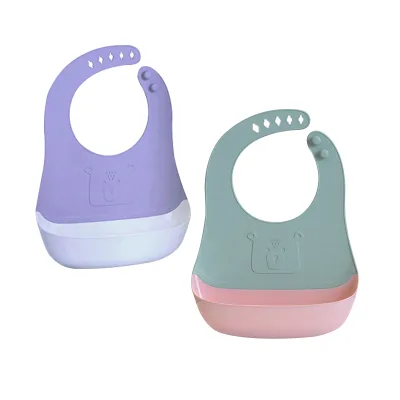
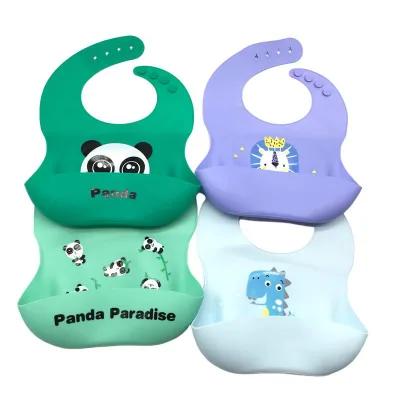


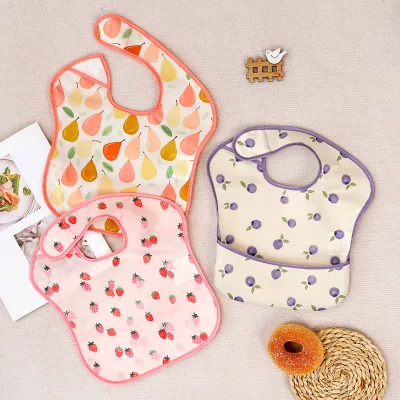
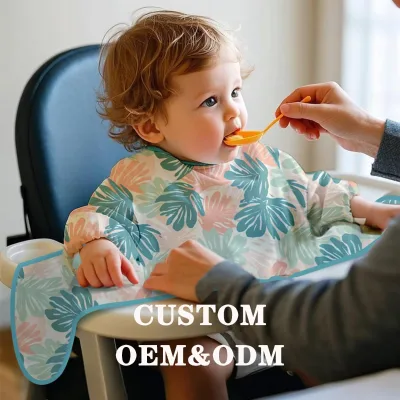


Comprehensive Sourcing Guide
Waterproof Adjustable Baby Bib Sourcing Guide
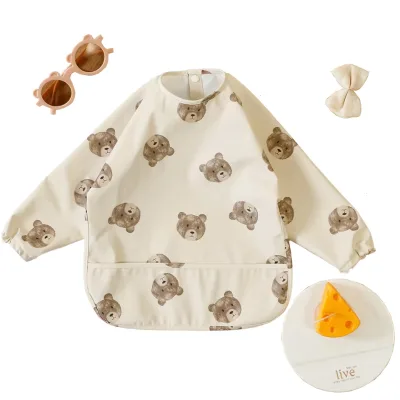
Procuring waterproof adjustable baby bibs requires distinguishing between silicone and fabric-based solutions, as the supplied market data reveals distinct material profiles for different use cases. Silicone options, such as the BIB020 model, offer inherent waterproofing and a soft texture suitable for active eaters, while polyester or cotton blends provide a softer, more traditional feel that may require a separate waterproof liner or coating to achieve similar liquid resistance. Buyers must carefully evaluate the specific material composition listed in product specifications to ensure the bib meets the intended hygiene and cleaning standards for their target demographic.
The observed product listings indicate a wide range of customization capabilities, including hot stamping and heat transfer printing, which allows brands to place logos prominently on the chest or front of the bib. This flexibility supports private label strategies, yet it also introduces complexity in verifying that the printing methods do not compromise the waterproof integrity of the material. Sourcing teams should prioritize suppliers who explicitly support ODM and OEM services while maintaining clear documentation on how their customization processes interact with the core waterproof features of the bib.
Product Scope and Observed Listing Signals
Market analysis of the current supply base reveals a diverse range of product types, from pure silicone bibs to cotton-blend options with waterproof properties, each serving different age groups from newborns to toddlers. The observed listings include specific model numbers like BIB018 and BIB020, alongside cotton waterproof variants such as the 047N and 096C models, indicating that suppliers often maintain multiple SKUs to address varying size and age requirements. Buyers should expect to find options tailored for specific developmental stages, such as the 0-6 months or 19-24 months categories, ensuring the bib fits the child's neck and chest dimensions appropriately.
Listing signals also highlight significant variations in physical dimensions and packaging, with sizes ranging from 27.522.54cm to larger 38*26cm configurations, and single package weights reaching up to 1.000 kg for certain cotton models. These discrepancies suggest that procurement strategies must account for different shipping volumes and storage requirements depending on the selected material and design. Additionally, the availability of colors like purple, beige, green, and yellow allows for brand differentiation, but buyers must verify that colorfastness and material safety remain consistent across the entire color palette offered by the supplier.
Technical Specifications to Verify
Technical verification must begin with the material composition, as the distinction between 100% silicone and polyester/cotton blends fundamentally alters the product's waterproof performance and cleaning requirements. Silicone bibs are naturally waterproof and washable, making them ideal for high-mess scenarios, whereas cotton-based bibs may rely on a specific waterproof treatment or coating that requires validation to ensure durability after repeated washing cycles. Buyers should request detailed material data sheets that confirm the specific percentage of cotton versus synthetic fibers and the nature of any waterproofing agents applied to fabric-based products.
Dimensional accuracy and design features such as neck shape and sleeve style are equally critical for ensuring a secure and comfortable fit for the infant. The observed listings specify round neck shapes and varying sleeve styles, including long and short sleeves, which must align with the intended usage season and the child's mobility needs. Furthermore, the presence of buttons or adjustable closures should be inspected to ensure they are securely attached and pose no choking hazard, while the single package size and gross weight data must be cross-referenced with logistics planning to optimize shipping costs and storage efficiency.
Compliance and Safety Documentation
Safety compliance for baby bibs is paramount, particularly regarding the materials used and the methods employed for logo application and printing. While the supplied data mentions OEKO-TEX as a potential standard, buyers must explicitly request current certification documents to verify that the silicone, cotton, or polyester materials are free from harmful substances like phthalates, lead, or formaldehyde. It is essential to confirm that any printed graphics or heat-stamped logos adhere to strict safety regulations for children's products, ensuring that inks and adhesives do not peel or flake off during normal use or washing.
Documentation should also cover the manufacturing standards and quality control protocols implemented by the supplier to guarantee product consistency. Buyers need to verify that the supplier adheres to recognized safety standards for children's accessories, which may include specific testing for mechanical hazards such as small parts or sharp edges. Although specific test results are not provided in the initial listing data, procurement teams must insist on third-party laboratory reports that validate the product's safety claims, ensuring that the bibs meet the regulatory requirements of the destination market before any bulk orders are placed.
Cost Drivers and Commercial Terms
Cost structures for waterproof adjustable baby bibs are heavily influenced by the choice of material, with silicone generally commanding a higher price point than cotton or polyester blends due to the raw material costs and specialized molding processes involved. The observed price range of 0.1 to 4.5 USD reflects this variability, where premium silicone models with advanced features like heat transfer printing and custom branding will sit at the higher end of the spectrum. Buyers should analyze the cost per unit in relation to the material durability and the specific customization level required, balancing the initial investment against the expected product lifespan and customer satisfaction.
Commercial terms such as Minimum Order Quantity (MOQ) and lead times vary significantly across the supply base, with observed MOQs ranging from 1 to 5000 units and sample order lead times as short as 7 days. These terms directly impact cash flow and inventory planning, requiring buyers to negotiate flexible MOQs for initial trials while securing longer lead times for bulk production runs. Additionally, the availability of customized packaging and the specific single package dimensions can affect shipping costs, making it crucial to factor in logistics expenses when calculating the total landed cost of the product.
Supplier Qualification and Quality Control
Supplier qualification should focus on verifying their capability to deliver consistent quality across both silicone and fabric-based product lines, given the diverse material profiles observed in the market. Buyers must assess the supplier's experience with ODM and OEM services, ensuring they have the technical expertise to handle complex customization requests like hot stamping and heat transfer printing without compromising the waterproof integrity of the bib. A robust quality control system is essential, with suppliers demonstrating a clear process for inspecting raw materials, monitoring production lines, and conducting final product checks before shipment.
Quality control protocols must also address the specific risks associated with baby products, such as the secure attachment of buttons and the safety of printed graphics. Suppliers should provide evidence of their internal testing procedures, including checks for colorfastness, material strength, and the absence of hazardous substances. Buyers should consider requesting pre-shipment inspections or third-party audits to validate the supplier's claims, ensuring that the final products meet the agreed-upon specifications for size, weight, and functional performance before they reach the end consumer.
Long-Term Procurement Checks
Establishing a long-term procurement relationship requires regular performance reviews to ensure that the supplier consistently meets quality standards and delivery timelines. Buyers should implement a system for tracking defect rates, customer feedback, and return reasons to identify any recurring issues with the bibs, such as peeling logos or loss of waterproof properties after washing. Continuous monitoring allows for proactive adjustments to the supply chain, ensuring that the product remains competitive and safe for the target market over time.
Strategic planning should also include periodic re-evaluation of the supplier's capacity to scale production and adapt to changing market demands or regulatory updates. As the baby product market evolves, suppliers must demonstrate their ability to innovate with new materials or designs while maintaining compliance with safety standards. Buyers should maintain open communication channels with suppliers to discuss future product developments, ensuring that the partnership remains dynamic and capable of supporting the brand's growth and reputation in the competitive baby care sector.
FAQs
What materials are used for waterproof baby bibs?
Waterproof baby bibs are commonly made from silicone or cotton blends. Silicone options offer superior water resistance and easy cleaning, while cotton versions provide softness against the skin. Some products combine polyester and cotton for durability. Buyers can choose based on whether they prioritize complete waterproofing or natural fabric comfort for sensitive skin.
Can I customize the logo on these bibs?
Yes, customization is available for most baby bibs. Suppliers support ODM and OEM services, allowing for hot stamping or heat transfer printing. Logos can be placed on the front or chest area. This service enables brands to create unique, branded products that stand out in the market while maintaining the functional quality expected by parents.
What is the typical lead time for sample orders?
Sample orders typically require a lead time of seven days. This allows manufacturers to produce and ship prototypes for quality verification before bulk production begins. Buyers should confirm specific timelines with suppliers, as rush orders may incur additional fees. Quick sampling ensures that design and material choices meet expectations before committing to larger quantities.
Which age groups are these bibs designed for?
These bibs are designed for infants and toddlers ranging from 0 to 24 months. Specific models target age groups such as 0-6 months, 7-12 months, and 13-18 months. The adjustable straps and soft materials ensure a comfortable fit as the child grows, making them versatile for different stages of early development and feeding habits.
Are these bibs eco-friendly and washable?
Many silicone and cotton bibs are marketed as eco-friendly and washable. Silicone versions are durable and can be easily wiped clean or machine washed. Cotton options are also washable but may require gentle cycles. These features ensure longevity and hygiene, allowing parents to reuse the bibs multiple times without compromising on safety or environmental considerations.
What colors are available for these baby bibs?
Common colors include purple, beige, green, pink, and yellow. Some designs offer colorful options to appeal to children. Buyers can often select specific colors based on their brand preferences or target audience. The availability of multiple colors allows for diverse product lines that cater to different aesthetic tastes while maintaining the functional waterproof or absorbent properties.