Source 22pcs Guitar Maintenance Kit for tuning, cleaning, and repair
Compare 30 verified listings for the 22pcs Guitar Maintenance Kit to find options for tuning, cleaning, and repair. Buyers can evaluate specifications like active pickups, body materials, and drum kit components from suppliers in China.
Key considerations
Products List


41" Spruce Top Unfinished Neck Plywood Unassembled Body Dreadnought Acoustic Guitar Kit
$54.00 - $58.00
MOQ: 6 Pieces


7 String Wide Nut Mahogany Neck with Rosewood Fingerboard DIY Guitar Kit
$68.50 - $72.50
MOQ: 6 Pieces




Comprehensive Sourcing Guide
Strategic Sourcing Guide for Guitar Maintenance and Repair Kits
The global B2B market for musical instrument accessories has seen a steady increase in demand for specialized maintenance solutions, including the specific category of guitar maintenance kits. While the core keyword "22pcs Guitar Maintenance Kit" suggests a standardized set of tools, the actual procurement landscape is defined by significant variation in tool composition, material quality, and intended application. Buyers must navigate a supply chain where product attributes are often observed rather than universally guaranteed across all listings. This guide provides a disciplined approach to sourcing these kits, focusing on technical specifications, compliance verification, and supplier evaluation based on available market data and industry standards.
Technical Specifications and Component Analysis
When evaluating a 22-piece guitar maintenance kit, the primary focus must be on the specific tools included and their material composition. The market data indicates a wide spectrum of products, ranging from basic acoustic guitar kits to specialized sets for electric and bass guitars. A critical observation in the current inventory is the diversity of materials used in related instruments, such as rosewood fingerboards, maple necks, and basswood bodies. While these attributes describe the instruments themselves, they inform the necessary tools within a maintenance kit. For instance, a kit designed for instruments with rosewood fingerboards may require specific oils or cleaners that differ from those needed for maple or lacquered surfaces.
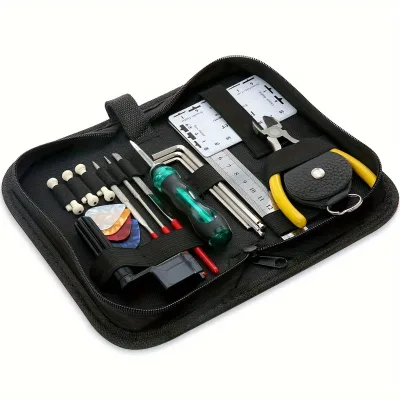
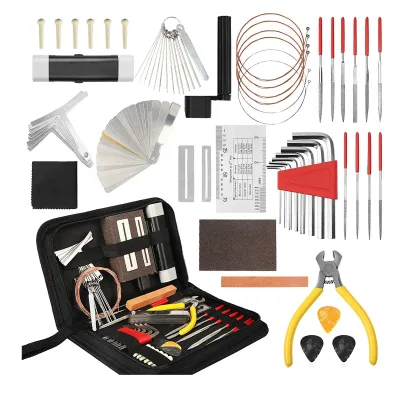
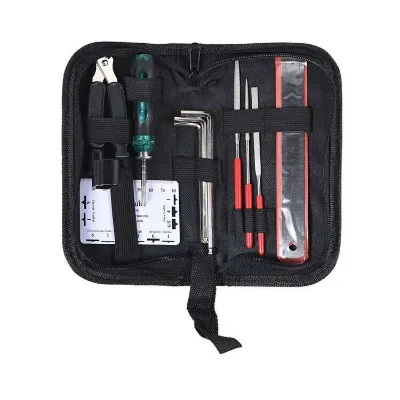
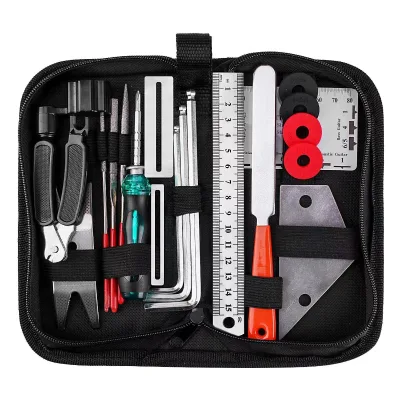
The "22pcs" designation implies a comprehensive set, yet the actual contents can vary significantly between suppliers. Buyers should verify if the kit includes essential items such as hex keys, screwdrivers, string winders, and polishing cloths. The hardware components, such as bridges and tuning machines, often dictate the type of tools required. In some observed listings, hardware is described as "Chrome" or a "Full Set," which suggests the need for specific corrosion-resistant tools or cleaning agents. Furthermore, the scale of the instrument, noted in some contexts as 648mm or 41 inches, influences the sizing of the tools. A kit intended for a 41-inch acoustic guitar may not be optimal for a 648mm scale electric guitar without verification of tool dimensions.
| Component Category | Typical Observation | Verification Requirement |
|---|---|---|
| Fasteners | Varies by model (e.g., GK-408A, GK-406) | Confirm compatibility with specific screw head types (Phillips, Flathead, Hex). |
| Cleaning Agents | Often unspecified in basic listings | Verify chemical composition for safety on Rosewood, Maple, and Basswood. |
| String Tools | String winders, cutters | Check if included tools match the gauge of strings used (Electric vs. Bass). |
| Packaging | Carton, Small Carton | Ensure packaging protects delicate tools during transit (e.g., 4PCS/Carton). |
Compliance and Certification Standards
In the B2B procurement of musical instrument accessories, compliance is a critical factor that often distinguishes high-quality suppliers from generic manufacturers. The supply chain data reveals that some products are associated with the SGS standard, a globally recognized inspection, verification, testing, and certification company. While this standard is explicitly linked to certain guitar models in the observed data, it serves as a benchmark for buyers to request similar certification for maintenance kits.
Buyers should not assume that all 22-piece kits automatically meet international safety or quality standards. The presence of an SGS reference in the product attributes suggests that rigorous testing protocols exist for the instruments themselves, but the maintenance tools must also be evaluated for safety. For example, chemical cleaners included in a kit must comply with local regulations regarding volatile organic compounds (VOCs) and toxicity. If a supplier claims their kit is suitable for professional use, they should provide documentation proving that the tools meet relevant safety standards.
Additionally, the origin of the products plays a role in compliance. Many observed listings indicate a production origin in China, with specific mentions of Shandong as a manufacturing hub. While this location is a known center for musical instrument production, buyers must verify that the specific maintenance kits sourced from this region adhere to the destination country's import regulations. Certifications such as CE (Conformité Européenne) or ASTM (American Society for Testing and Materials) are common expectations in Western markets, even if not explicitly listed in the provided product attributes. Procurement teams should request proof of these certifications before finalizing orders, ensuring that the tools do not pose a risk to the end-user or the instrument being serviced.
Cost Drivers and Pricing Dynamics
The pricing structure for guitar maintenance kits is influenced by several factors, including the complexity of the tool set, the quality of materials, and the level of customization offered. The observed price range in the market spans from $1.02 to $898.80, a vast disparity that highlights the difference between basic tool sets and premium, specialized kits. This range suggests that the "22pcs" label does not guarantee a specific price point; rather, the value is derived from the quality and functionality of the individual components.
One significant cost driver is the customization capability. The data confirms that customization is available for these products, allowing buyers to tailor the kit contents to specific needs. Customization often incurs additional costs, particularly if it involves branding, specific tool configurations, or specialized packaging. For instance, a kit designed for a specific brand of guitar might require unique adapters or branded cases, which increases the unit cost.
Another factor is the Minimum Order Quantity (MOQ). The observed MOQ range is between 1 and 50 units. Suppliers with lower MOQs may charge a higher per-unit price to cover setup and logistics costs, while those with higher MOQs can offer more competitive pricing. Buyers must balance their inventory needs with their budget constraints. For small retailers or repair shops, a lower MOQ might be preferable despite the higher unit cost, whereas large distributors might negotiate better rates by ordering in bulk. The "Sample Order: 1PC Acceptable" attribute indicates that many suppliers are willing to provide samples, which is a crucial step in validating the cost-to-quality ratio before committing to a large order.
Typical Applications and Usage Scenarios
The application of a 22-piece guitar maintenance kit extends beyond simple string changes. These kits are designed for a variety of scenarios, from routine maintenance in professional studios to DIY repairs by hobbyists. The data indicates that the target user demographic includes adults, with a specific focus on "Play Performance" and "Play Equipment." This suggests that the kits are intended for serious musicians and professional technicians who require reliable tools for high-stakes environments.
In professional settings, the maintenance kit must be capable of handling a wide range of instrument types. The observed product attributes include Electric Guitars, Bass Guitars, and Acoustic Guitars, each with distinct maintenance requirements. For example, electric guitars often require adjustments to active pickups and bridge saddles, while acoustic guitars may need more focus on neck relief and fret leveling. A comprehensive 22-piece kit should ideally cover these diverse needs, providing tools that are versatile enough to handle different body structures, such as solid bodies or hollow bodies.
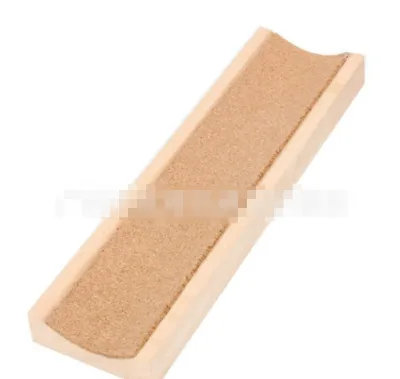
Furthermore, the "DIY Unfinished Acoustic Guitar Kit" attribute highlights a niche application where maintenance tools are used in conjunction with instrument assembly. In this context, the maintenance kit might include specialized tools for finishing and assembly, such as sanding blocks or finishing cloths. Buyers should ensure that the kit they source aligns with their specific application needs, whether it is for a retail repair shop, a touring band, or a music education program. The "User Number: 1 Person" attribute suggests that most kits are designed for individual use, but the durability of the tools is essential for repeated use by a single technician over an extended period.
Supplier Evaluation and Quality Control
Selecting the right supplier is paramount when sourcing guitar maintenance kits. The market data reveals a mix of suppliers offering OEM (Original Equipment Manufacturer) services, with some accepting custom orders. This flexibility is a positive indicator, suggesting that suppliers are willing to collaborate with buyers to meet specific requirements. However, buyers must conduct thorough due diligence to ensure that the supplier can consistently deliver high-quality products.
Quality control should be a central part of the evaluation process. Buyers should request samples to test the durability and functionality of the tools. The "Sample Order: 1PC Acceptable" feature allows for this critical step without significant financial risk. During the sample evaluation, buyers should check for issues such as tool slippage, material defects, or packaging damage. The "Packing in Carton" and "4PCS/Carton" attributes indicate that packaging is a key consideration; poor packaging can lead to damaged tools upon arrival, rendering the kit unusable.
Additionally, buyers should verify the supplier's ability to maintain consistent quality across large orders. The "OEM: Acceptable" attribute suggests that the supplier has the capacity for mass production, but this does not guarantee consistency. Establishing clear quality control protocols, such as pre-shipment inspections or third-party quality audits, is essential. Buyers should also consider the supplier's location, as proximity can impact lead times and communication efficiency. While many products originate from China, with specific mentions of Shandong, buyers should evaluate the logistical capabilities of the supplier to ensure timely delivery.
Long-Term Procurement Considerations
Sourcing guitar maintenance kits is not a one-time transaction but part of a long-term procurement strategy. Buyers should consider the lifecycle of the tools and the potential for future needs. The "Customization: Available" attribute suggests that suppliers can adapt to changing market demands, which is a valuable asset for long-term partnerships. As the musical instrument market evolves, the requirements for maintenance tools may shift, and a flexible supplier can accommodate these changes.
Sustainability is another growing consideration in B2B procurement. While the provided data does not explicitly mention eco-friendly materials, buyers should inquire about the environmental impact of the tools and packaging. The "Wood: Lacquer" and "Drum Chamber Material: Birch Wood" attributes highlight the use of natural materials, which can be a selling point for environmentally conscious buyers. Ensuring that the packaging is recyclable and that the tools are made from durable, long-lasting materials can reduce waste and lower long-term costs.
Finally, buyers should establish a robust relationship with their supplier to ensure a steady supply of high-quality maintenance kits. This involves regular communication, clear expectations, and a mutual understanding of quality standards. By focusing on these long-term considerations, buyers can secure a reliable supply chain that supports their business growth and maintains the high standards expected in the musical instrument industry. The ability to navigate the complexities of the market, from technical specifications to compliance and supplier evaluation, is key to successful procurement in this sector.
FAQs
Can I customize the 22pcs Guitar Maintenance Kit contents?
Customization is available for these products, allowing buyers to tailor the kit contents to specific needs. This flexibility supports unique requirements for different instrument types like electric or acoustic guitars.
What is the minimum order quantity for the maintenance kit?
The observed minimum order quantity ranges from 1 to 50 units. Suppliers with lower MOQs may charge higher per-unit prices to cover setup costs, while bulk orders often secure better rates.
Which certification standards apply to the guitar maintenance products?
Some products are associated with the SGS standard, a globally recognized inspection and testing company. Buyers should request similar certification documentation to ensure tools meet international safety and quality protocols.
How is the 22pcs Guitar Maintenance Kit typically packaged?
The products are commonly packed in cartons, with specific configurations like 4 pieces per carton. This packaging protects delicate tools during transit and ensures they arrive in usable condition for professional use.
What is the origin location for these musical instrument accessories?
Many observed listings indicate a production origin in China, with specific mentions of Shandong as a manufacturing hub. Buyers must verify that kits from this region adhere to destination country import regulations.
Which materials are commonly used in the related guitar instruments?
Related instruments often feature rosewood fingerboards, maple necks, and basswood bodies. These material attributes inform the necessary tools within a maintenance kit for proper care and adjustment.