Source Waterproof Aluminum Outdoor Umbrella for Garden, Hotel, Villa
Find 30 Waterproof Aluminum Outdoor Umbrella options for garden, hotel, and villa settings. Compare models like U5027 and U1063 with varying frame materials, sizes, and customization features to meet your specific sourcing needs; compare the available evidence and request quotations based on your requirements.
Updated
Key considerations
Products List


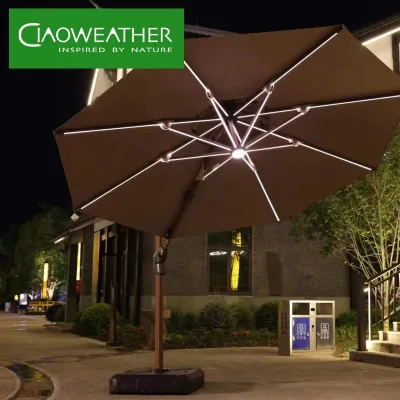
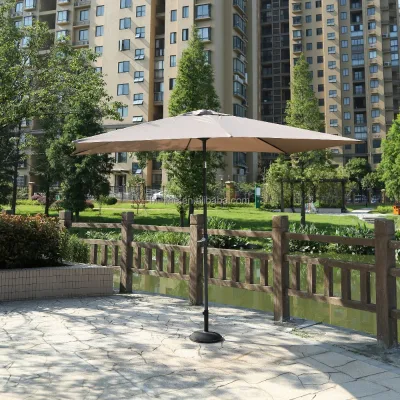
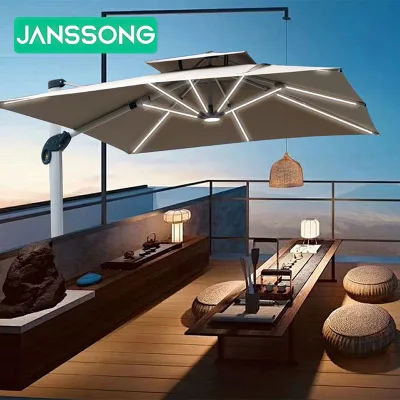
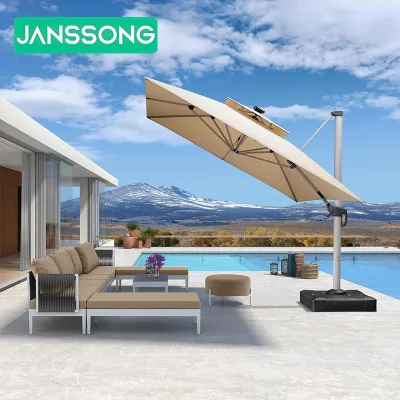
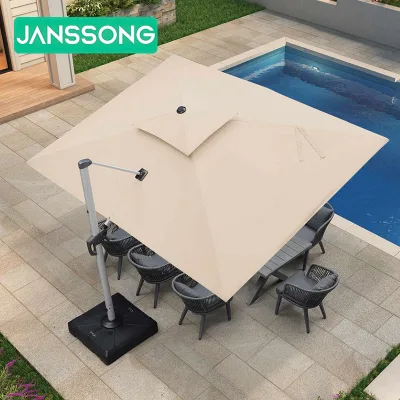
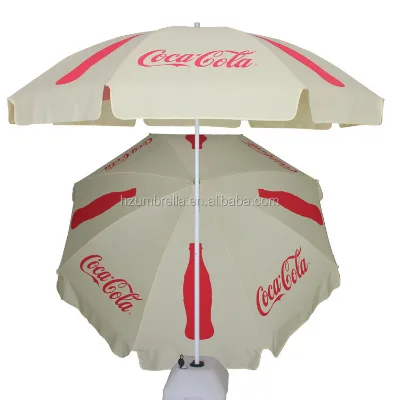
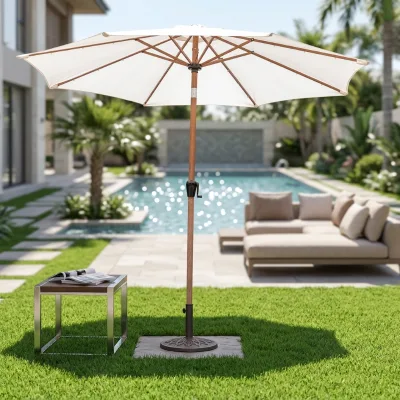
rectangle garden parasol promotion umbrella waterproof patio umbrellas
$19.3897 - $20.4099
MOQ: 100 Minimum




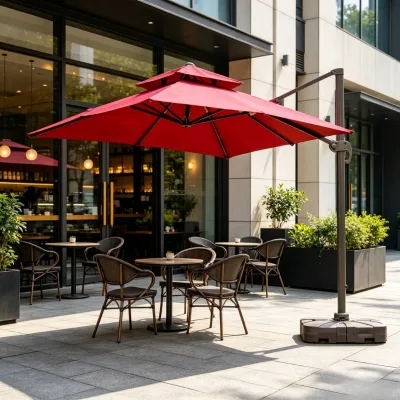
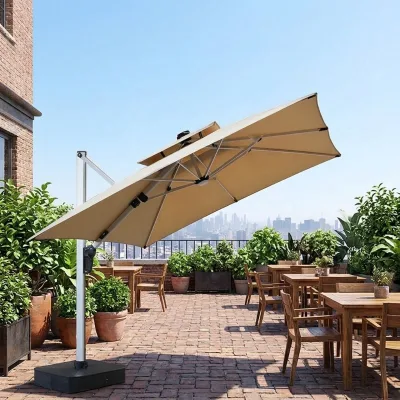


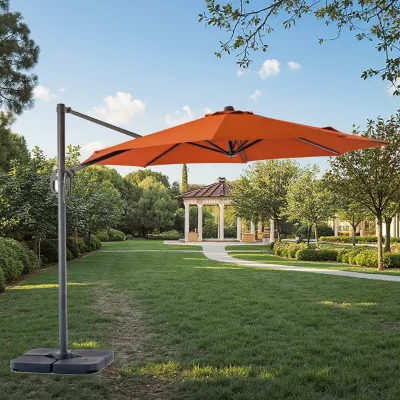
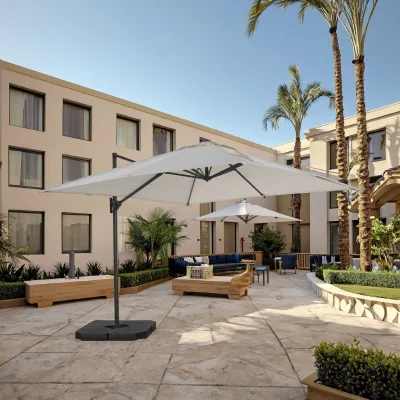
Comprehensive Sourcing Guide
Waterproof Aluminum Outdoor Umbrella Sourcing Guide
Sourcing waterproof aluminum outdoor umbrellas requires a disciplined approach to material verification and structural integrity assessment. Buyers must prioritize aluminum alloy frames for their optimal balance of corrosion resistance and lightweight durability, ensuring the product withstands prolonged exposure to moisture and wind. The distinction between standard aluminum and aluminum alloy is critical, as the latter often provides enhanced tensile strength for larger canopy spans. Procurement teams should request material certificates or mill test reports to confirm the specific alloy grade, preventing the substitution of inferior metals that may warp or rust over time.
Beyond the frame, the waterproofing capability of the fabric is paramount for outdoor utility. Polyester remains a dominant choice due to its inherent water-repellent properties and UV resistance, though buyers must verify the specific coating or treatment applied to achieve true waterproofing rather than mere water resistance. The umbrella style, whether folding, straight, or garden-type, dictates the mechanical stress points and required testing protocols. Understanding these structural nuances allows buyers to align product specifications with their specific environmental conditions, ensuring long-term performance and customer satisfaction in diverse outdoor settings.
Product Scope and Observed Listing Signals
The current market landscape for aluminum outdoor umbrellas reveals a diverse range of configurations tailored to specific use cases. Observed listings indicate a strong presence of folding umbrellas, straight umbrellas, and garden umbrellas, each serving distinct functional needs. Folding models are prevalent for portable applications, while straight and garden styles dominate permanent outdoor installations such as patios and hotels. The shape variations, including round and square designs, further segment the market, allowing buyers to match aesthetic preferences with spatial requirements. This variety necessitates careful selection based on the intended deployment environment and user convenience factors.
Price and minimum order quantity (MOQ) signals provide insight into the commercial viability of different supplier tiers. The observed price range spans from approximately $2.25 to $143.71, reflecting significant differences in material quality, brand positioning, and customization levels. MOQs vary widely from single units to 1,000 pieces, with some suppliers offering lower thresholds for customized orders. Buyers should correlate these commercial terms with their volume requirements and budget constraints. High-volume purchasers may leverage lower MOQs for initial trials, while smaller buyers might face higher per-unit costs, requiring a strategic balance between inventory risk and unit price efficiency.
Technical Specifications to Verify
Frame material composition is the primary technical differentiator for outdoor durability. Buyers must verify whether the product uses standard aluminum or aluminum alloy, as the latter typically offers superior strength-to-weight ratios. The presence of iron frames in some listings serves as a cautionary example, highlighting the need to strictly enforce aluminum specifications to avoid rust-related failures. Additionally, the umbrella handle design, whether long or short, impacts user ergonomics and storage convenience. Procurement teams should specify handle materials, such as plastic, to ensure compatibility with the overall design and cost structure, avoiding unexpected material substitutions that could compromise the product's aesthetic or functional integrity.
Canopy specifications, including size and shape, must align with the intended application's spatial constraints. Observed models include specific sizes like 23-inch diameters and custom options, requiring precise measurement verification. The fabric type, predominantly polyester, should be confirmed for its weave density and coating quality to ensure adequate waterproofing. Anti-UV properties are another critical specification, with some products explicitly offering this feature while others do not. Buyers should request detailed fabric specifications, including denier count and coating type, to validate the claimed waterproof and UV-resistant performance, ensuring the product meets the environmental demands of its deployment location.
Compliance and Safety Documentation
Safety and quality certifications are essential for mitigating liability and ensuring product reliability in international markets. While specific standards like EN 13758 and ASTM D3512 are noted in background contexts, buyers must verify which certifications are actively held by the supplier for the specific product model. Certifications such as SGS and CE are observed in some listings, indicating adherence to international safety and quality benchmarks. Procurement teams should request valid, up-to-date certification documents for each batch, ensuring they cover the specific materials and manufacturing processes used. This verification step is crucial for maintaining compliance with local regulations and avoiding customs delays or product recalls.
Documentation should also include detailed product specifications and testing reports that validate the claimed performance attributes. Buyers should ask for test results related to wind resistance, fabric waterproofing, and frame durability, particularly for larger garden or beach umbrellas. The absence of explicit test data in some listings necessitates proactive inquiry to ensure the product meets safety expectations. Additionally, verifying the product's condition as "New" and confirming the origin, such as Zhejiang or Guangdong in China, helps in assessing the supplier's manufacturing capabilities and supply chain transparency. Comprehensive documentation ensures that all compliance requirements are met before shipment, protecting the buyer from potential legal and operational risks.
Cost Drivers and Commercial Terms
Several factors influence the final cost of aluminum outdoor umbrellas, with material quality and customization being primary drivers. The use of aluminum alloy versus standard aluminum, along with the fabric's waterproofing treatment, significantly impacts the unit price. Customization options, such as logo printing via laser or other methods, add to the cost but enhance brand value for B2B clients. Buyers should analyze the cost breakdown to understand the premium associated with specific features, ensuring that the added value justifies the increased expenditure. Transparent pricing structures help in comparing suppliers accurately and negotiating favorable terms based on volume and customization requirements.
Commercial terms, including MOQ and payment conditions, play a crucial role in the procurement strategy. Suppliers with lower MOQs may charge higher per-unit prices, while those requiring larger volumes offer better economies of scale. The observed MOQ range of 1 to 1,000 pieces allows for flexible ordering strategies, depending on the buyer's inventory management preferences. Buyers should negotiate terms that align with their cash flow and storage capabilities, considering the lead times and packing specifications, such as carton boxes or polybags. Clear communication of these terms prevents misunderstandings and ensures a smooth transaction process, fostering a reliable supplier-buyer relationship.
Supplier Qualification and Quality Control
Supplier qualification is a critical step in ensuring the reliability and consistency of aluminum outdoor umbrella supplies. Buyers should assess the supplier's manufacturing capabilities, including their facility size, production capacity, and quality control processes. Suppliers originating from regions like Zhejiang and Guangdong, China, often have established supply chains and expertise in umbrella manufacturing. Verifying the supplier's history, client references, and production standards helps in identifying reputable partners. Additionally, checking for OEM availability and customization capabilities ensures that the supplier can meet specific branding and design requirements, adding value to the procurement process.
Quality control measures must be rigorously enforced throughout the production and pre-shipment phases. Buyers should implement inspection protocols that verify frame integrity, fabric waterproofing, and overall assembly quality. Random sampling and detailed checklists can help identify defects early, reducing the risk of receiving substandard products. Collaboration with third-party inspection agencies may be beneficial for large orders, providing an unbiased assessment of product quality. Establishing clear quality standards and communication channels with the supplier ensures that any issues are addressed promptly, maintaining product consistency and protecting the buyer's brand reputation in the market.
Long-Term Procurement Checks
Sustaining a successful procurement relationship requires ongoing monitoring and evaluation of supplier performance. Buyers should regularly review key performance indicators such as on-time delivery, product quality consistency, and responsiveness to issues. Establishing a feedback loop with the supplier facilitates continuous improvement and addresses any emerging challenges proactively. Long-term contracts may offer stability and better pricing, but they should include clauses for periodic review and adjustment based on market conditions and performance metrics. This dynamic approach ensures that the procurement strategy remains aligned with the buyer's evolving needs and market demands.
Additionally, buyers should stay informed about industry trends and technological advancements in umbrella manufacturing. Innovations in materials, such as improved waterproof coatings or lighter aluminum alloys, may offer opportunities for product enhancement. Regularly updating product specifications and supplier requirements ensures that the procurement process remains competitive and efficient. Engaging with industry networks and attending trade shows can provide insights into new suppliers and products, expanding the sourcing pool. By maintaining a proactive and adaptive procurement strategy, buyers can secure high-quality aluminum outdoor umbrellas that meet their long-term business objectives and customer expectations.
FAQs
What frame materials are available for waterproof aluminum outdoor umbrellas?
Waterproof aluminum outdoor umbrellas are available with frames made from iron, aluminum, and aluminum alloy. These materials provide varying levels of durability and weight. Aluminum alloy frames offer a lightweight yet strong structure suitable for long-term outdoor use. Buyers can select the material that best fits their specific application needs and budget constraints.
Can I customize the logo on waterproof aluminum outdoor umbrellas?
Yes, customization is available for waterproof aluminum outdoor umbrellas. Buyers can request laser printing for their logo or graphic design. The fabric is typically made of polyester, which supports clear branding. Customized colors are also an option. This service allows businesses to create branded promotional items for hotels, villas, or outdoor events.
What are the standard specifications for square garden umbrellas?
Square garden umbrellas often follow the 3*3M or 3x3M standard specification. These dimensions provide ample shade coverage for outdoor seating areas. The umbrellas are designed as folding or straight styles depending on the model. They are suitable for application in outdoor, hotel, and villa settings. Buyers should verify the exact model number to confirm the precise size and shape.
Which certifications apply to beach umbrella suppliers in China?
Beach umbrella suppliers in China may provide products with SGS or CE certifications. Some models also adhere to specific standard requirements like 3x3M. These certifications indicate compliance with quality and safety norms. Buyers should request documentation to verify these standards. The products originate from locations such as Zhejiang and Yiwu, ensuring reliable manufacturing practices.
What is the typical MOQ for aluminum alloy umbrellas?
The typical MOQ for aluminum alloy umbrellas can be as low as 100 pieces. Some suppliers offer an MOQ of 1 piece for sampling or small orders. The packaging is usually 1PC per polybag or carton box. Buyers should confirm the specific MOQ with the supplier. This flexibility allows for both large bulk orders and smaller trial purchases.
How does anti-UV protection work in these umbrellas?
Anti-UV protection is available in some Waterproof Aluminum Outdoor Umbrella models. These umbrellas feature fabric that blocks harmful UV rays. However, not all models offer this feature, as some are marked as not anti-UV. Buyers must check the specific product attributes. This feature is essential for beach or garden umbrellas used in direct sunlight.