Source Waterproof Anti-Pilling Hooded Hoodie for retail, events, and daily wear
Explore 30 listings of Waterproof Anti-Pilling Hooded Hoodie options featuring custom logos and ODM services. Buyers can compare fabric weights, seasonal suitability, and technical features like needle detection across suppliers from Henan and Fujian.
Key considerations
Products List
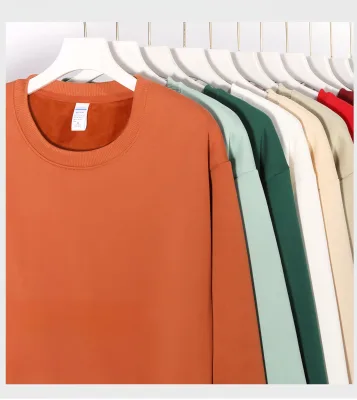
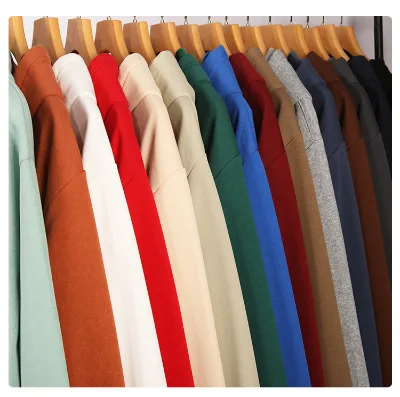
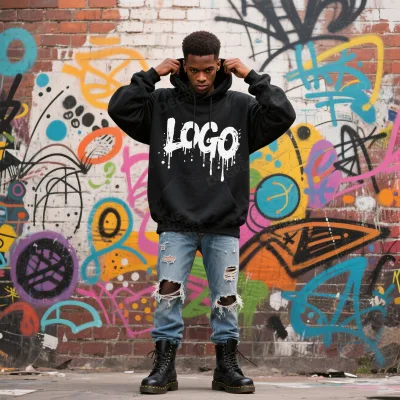
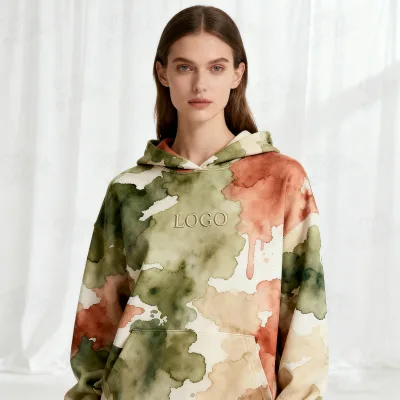

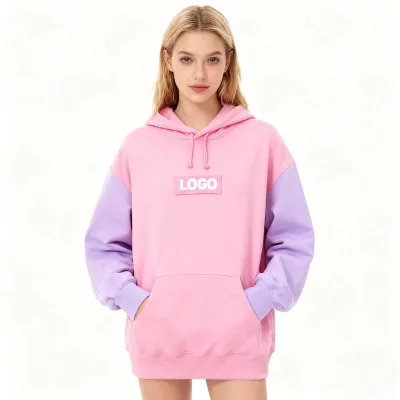
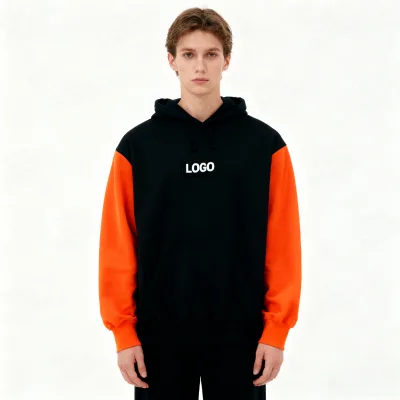
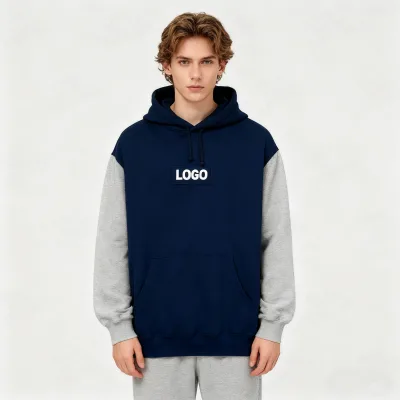
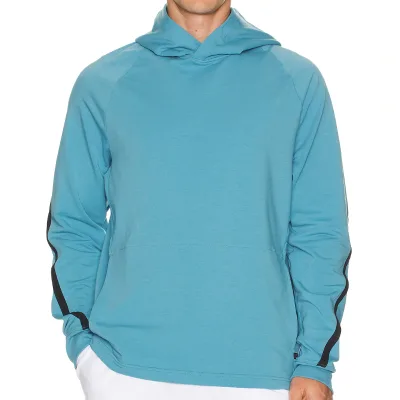


Frost Guard Water-Resistant Zip-up Hoodie with Customized Label and Brand
$6.65 - $8.65
MOQ: 100 Pieces


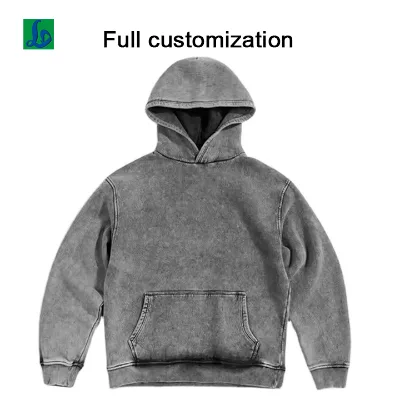


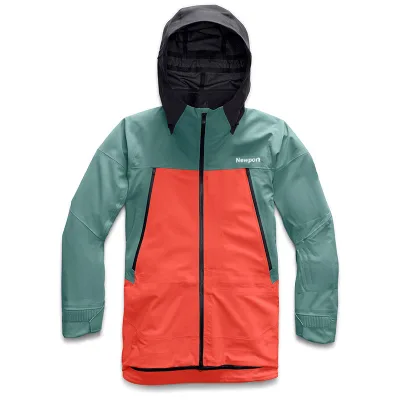


Comprehensive Sourcing Guide
Strategic Sourcing Guide for Waterproof Anti-Pilling Hooded Hoodies
Understanding Technical Specifications and Material Composition
When sourcing hooded hoodies with specific performance attributes like waterproofing and anti-pilling capabilities, the foundation of the procurement process lies in a rigorous understanding of technical specifications. The product landscape for these garments is diverse, ranging from standard cotton blends to specialized synthetic mixes designed for durability. Based on available market data, the material composition for hooded hoodies often centers on Polyester/Cotton blends or pure cotton variants with specific weight classifications. A critical observation in the current supply chain involves fabric weight, where items are frequently listed at 420 grams. This weight class suggests a heavy-duty construction suitable for winter or autumn seasons, providing the necessary density to support water-resistant treatments and enhance resistance to pilling.
The fabric type is another pivotal specification. While some listings indicate "Woolen" or "Cotton 420g," the functional requirement for waterproofing typically necessitates a tight weave or a specific chemical treatment applied to the fabric surface. The "Woven" weaving method is a standard attribute observed in high-quality hoodies, ensuring structural integrity. Buyers must verify if the fabric is treated to achieve the "Waterproof" and "Anti-Wrinkle" features often advertised. It is essential to distinguish between inherently water-resistant materials and those that have undergone a post-production treatment, as this distinction impacts the longevity of the waterproof claim. Furthermore, the "Anti-Pilling" feature is often linked to the fiber blend and the finishing process, such as washing or brushing, which smooths the surface to prevent fiber entanglement.
The construction details also play a significant role in the final product's performance. The collar style is predominantly "Hooded," and the fit type is increasingly trending toward "Oversized" or "Regular" cuts. The sleeve style is typically "Regular," but the length can vary between "Regular" and "Long," influencing the overall coverage and protection against the elements. For buyers targeting a specific demographic, the gender specification often covers "Men/Women," allowing for unisex designs that maximize market reach. The design is frequently noted as "Unlined," which may affect the thermal insulation properties, making the choice of fabric weight even more critical for winter applications.
Compliance, Certification, and Safety Standards Verification
In the B2B procurement of apparel, particularly items with functional claims like waterproofing and anti-pilling, compliance and safety verification are non-negotiable. While specific certification names are not universally standardized across all suppliers, the presence of safety mechanisms in the manufacturing process is a key indicator of quality. One notable attribute observed in the supply chain is "Needle detection: Yes." This indicates that the production facility employs metal detection or similar technology to ensure no broken needles remain in the finished garment, a critical safety standard for children's and general apparel.
Buyers must also evaluate the environmental and chemical compliance of the materials used. The "Eco-Friendly" feature is frequently listed, suggesting that suppliers may be utilizing sustainable dyes or processes that reduce environmental impact. However, without specific certification data provided in the source material, buyers should request documentation regarding compliance with international standards such as REACH (Registration, Evaluation, Authorisation and Restriction of Chemicals) or Oeko-Tex standards, which verify the absence of harmful substances in the fabric. The "Anti-Shrink" and "Anti-Wrinkle" features imply that chemical finishes are applied to the fabric. It is imperative to verify that these chemical treatments meet local and international safety regulations to prevent skin irritation or environmental contamination.
Furthermore, the "OEM/ODM" availability and "Oem Service" or "ODM" supply types indicate that the supplier is capable of custom manufacturing. This flexibility often comes with the requirement for the buyer to define specific compliance parameters. For instance, if the target market has strict regulations on flame retardancy or chemical restrictions, the supplier must demonstrate their ability to meet these specific criteria. The "Needle detection" attribute serves as a baseline for quality control, but it should be part of a broader quality assurance protocol that includes fabric testing for the claimed waterproof and anti-pilling properties. Buyers should insist on third-party test reports that validate the durability of the waterproof coating after multiple wash cycles, as this is a common point of failure in functional apparel.
Cost Drivers and Pricing Structure Analysis
The pricing structure for waterproof anti-pilling hooded hoodies is influenced by a complex interplay of material costs, manufacturing complexity, and customization requirements. The observed price range in the market spans from $0.5 to $128 USD, a wide variance that reflects differences in quality, brand positioning, and order volume. The lower end of this spectrum likely corresponds to basic cotton blends with standard finishes, while the higher end may involve specialized fabrics, advanced waterproofing technologies, or premium branding.
A significant cost driver is the fabric weight and composition. The 420-gram fabric weight mentioned in product specifications represents a higher material cost compared to lighter, standard-weight hoodies. This heavier fabric requires more raw material and potentially more energy during the weaving and finishing processes. Additionally, the "Custom Logo" and "Acceptable customization" attributes indicate that bespoke designs add to the production cost. The inclusion of techniques such as "3D Embroidery," "Dip Dye," or "Puff Printing" further increases the unit cost due to the specialized machinery and labor required.
Order volume is another critical factor in determining the final price. The Minimum Order Quantity (MOQ) ranges from 2 pieces to 500 pieces. Suppliers offering an MOQ as low as 2 pieces may charge a premium per unit to cover the setup costs for small batches. Conversely, larger orders benefit from economies of scale, potentially bringing the unit cost closer to the lower end of the observed price range. The "Single package size" and "Single gross weight" of 0.5 kg also impact logistics costs, which are often factored into the final price. Buyers should be aware that "E-commerce One-stop Service" or "Service" offerings may include additional fees for packaging, labeling, and shipping, which should be clarified during the negotiation phase.
Typical Applications and Market Segmentation
The functional attributes of waterproof and anti-pilling hooded hoodies make them suitable for a variety of applications, ranging from casual wear to specialized outdoor activities. The "Winter" and "Autumn/Spring" season classifications suggest that these garments are primarily designed for cooler weather conditions. The "Waterproof" and "Windproof" features make them ideal for urban commuters, outdoor enthusiasts, and individuals working in variable weather conditions where protection from the elements is essential.
The "Oversized" fit and "Hooded" design align with current fashion trends, making these hoodies popular in streetwear and casual fashion markets. The "Men/Women" gender specification allows for a broad market appeal, catering to unisex collections that can be marketed to a wide demographic. The "Anti-Pilling" feature is particularly valuable for consumers who prioritize the longevity and appearance of their clothing, as it ensures the garment maintains its aesthetic quality over time despite frequent wear and washing.
In the context of corporate or promotional use, the "Custom Logo" and "Accept Customer Logo OEM" capabilities make these hoodies an excellent choice for branded merchandise. Companies can leverage the "Oem Service" to create custom apparel for employees, events, or marketing campaigns. The "DIY" pattern type and "Customizable colors" further enhance their versatility for niche markets or personalized product lines. The "Eco-Friendly" attribute also appeals to environmentally conscious consumers and brands looking to align with sustainability goals.
Supplier Evaluation and Selection Criteria
Selecting the right supplier for waterproof anti-pilling hooded hoodies requires a thorough evaluation of their capabilities, location, and service offerings. The "Place of Origin" data indicates that suppliers are located in regions such as Henan and Fujian, China. These regions are known for their textile manufacturing capabilities, but buyers should verify the specific factory's capacity and reputation. The "Supply Type" being listed as "Oem Service" or "ODM" suggests that the supplier can handle both original equipment manufacturing and original design manufacturing, offering flexibility in product development.
Key evaluation criteria should include the supplier's ability to meet the "Needle detection" safety standard and their experience with the specific "Technics" required, such as "Embroidered," "Printed," or "3D Embroidery." The "7 days sample order lead time" is a positive indicator of responsiveness and efficiency, allowing buyers to quickly validate product quality before committing to larger orders. Buyers should also assess the supplier's "Service" capabilities, particularly if they offer "E-commerce One-stop Service," which can streamline the procurement process.
The "Brand Name" and "Model Number" variations, such as "boders" or "April-Hoodie-9," indicate that suppliers may operate under different brand identities or internal product codes. Buyers should ensure that the supplier can consistently deliver products that match the specified model numbers and brand requirements. The "MOQ" of 2 pieces to 500 pieces suggests that suppliers cater to a wide range of order sizes, from small startups to large enterprises. Buyers should negotiate terms that align with their specific volume needs and cash flow requirements.
Quality Control and Long-Term Procurement Considerations
Ensuring consistent quality in waterproof anti-pilling hooded hoodies requires a robust quality control (QC) strategy. The "Feature" list includes "Anti-Wrinkle," "Waterproof," "Anti-Pilling," "Breathable," "Eco-Friendly," "Windproof," and "Anti-Shrink." Each of these attributes must be verified through rigorous testing. For instance, the waterproof claim should be validated through water resistance tests, while the anti-pilling feature should be assessed using standard pilling tests. The "Washed" and "Dip Dye" techniques mentioned in the "Technics" section suggest that the fabric undergoes specific finishing processes that must be controlled to maintain consistency.
Long-term procurement considerations involve building a sustainable relationship with suppliers who can scale with the buyer's needs. The "OEM/ODM: available" status indicates that suppliers are open to long-term partnerships and custom development. Buyers should focus on suppliers who demonstrate a commitment to quality and compliance, as evidenced by their "Needle detection" capabilities and "Eco-Friendly" practices. The "Single package size" and "Single gross weight" data are crucial for logistics planning, ensuring that the supply chain remains efficient and cost-effective over time.
Buyers should also consider the "Lead time" and "Sample order" capabilities. The "7 days sample order lead time" is a competitive advantage, but it is essential to ensure that this speed does not compromise quality. Establishing clear communication channels and regular quality audits will help maintain product standards. Finally, the "Pattern Type" and "Color" customization options should be managed carefully to avoid production delays or inconsistencies. By focusing on these long-term factors, buyers can secure a reliable supply of high-quality waterproof anti-pilling hooded hoodies that meet their specific market demands.
Comparative Analysis of Product Attributes
To facilitate informed decision-making, the following table summarizes key product attributes observed in the market for waterproof anti-pilling hooded hoodies. This comparison highlights the variations in specifications, materials, and services that buyers should consider during the sourcing process.
| Attribute Category | Observed Variations | Key Considerations for Buyers |
|---|---|---|
| Material Composition | Polyester/Cotton, Cotton 420g, Woolen | Verify fabric weight (420g) and blend for durability and waterproofing efficacy. |
| Seasonal Suitability | Winter, Autumn/Spring, Autumn | Ensure the fabric weight and lining (or lack thereof) match the target climate. |
| Fit and Style | Oversized, Regular, Pullover, Hooded | Confirm fit type (Oversized vs. Regular) and collar style (Hooded) for brand alignment. |
| Customization | Custom Logo, DIY, Acceptable customization | Check MOQ for customization (2pcs to 500pcs) and lead times for sample orders. |
| Technical Features | Waterproof, Anti-Pilling, Anti-Shrink, Breathable | Request test reports for waterproofing and anti-pilling claims to validate performance. |
| Manufacturing Service | OEM Service, ODM, E-commerce One-stop Service | Evaluate supplier flexibility for design changes and logistics support. |
| Safety & Compliance | Needle detection: Yes, Eco-Friendly | Verify safety protocols and environmental certifications for target markets. |
| Pricing & MOQ | Price: $0.5-$128, MOQ: 1-500 | Balance unit cost with order volume to optimize budget and inventory levels. |
This comparative analysis underscores the importance of aligning specific product attributes with business requirements. By carefully evaluating these factors, buyers can navigate the complex landscape of waterproof anti-pilling hooded hoodies and secure a supply chain that delivers value, quality, and reliability.
FAQs
What fabric weight is standard for these hoodies?
The standard fabric weight observed is 420 grams. This heavy-duty construction supports waterproof treatments and enhances anti-pilling performance for winter or autumn seasons.
Can I customize the logo and colors on these items?
Yes, customization is available for both logos and colors. Suppliers accept customer logos and offer customizable colors with options for embroidered, printed, or 3D embroidery techniques.
What is the minimum order quantity for these products?
The minimum order quantity ranges from 2 pieces to 500 pieces depending on the supplier. Lower MOQs allow for small batch testing, while larger orders may reduce unit costs.
How long does it take to receive a sample order?
Sample orders typically have a lead time of 7 days. This quick turnaround supports rapid validation of product quality before committing to larger production runs.
Are these hoodies suitable for winter and autumn seasons?
Yes, these hoodies are designed for autumn, spring, and winter seasons. The 420-gram fabric weight and hooded design provide necessary warmth and protection against cold weather.
What safety standards are applied during manufacturing?
Manufacturing includes needle detection to ensure no metal fragments remain in the garment. This safety feature is standard for ensuring the product meets general apparel safety requirements.
Which materials are used to make these hoodies?
Materials include Polyester/Cotton blends and pure cotton variants. Some listings specify cotton 420g, while others indicate woolen fabric types for different performance characteristics.