Source Waterproof Anti-Slip PVC Sponge Flooring for Homes, Offices, Gyms
Find 30 Waterproof Anti-Slip PVC Sponge Flooring options for residential, commercial, and sports applications. Compare features like wear resistance, soundproofing, and thickness to select the right material for your project needs.
Key considerations
Products List

Waterproof Laminate Floor Anti Slip 1.2mm PVC Foaming Sponge Flooring
$0.50 - $0.80
MOQ: 4000 Square Meters

PVC Commercial Flooring Waterproof Non-Slip Vinyl Flooring Laminate Floor PVC Sponge Flooring
$0.51 - $1.50
MOQ: 4000 Square Meters


Anti Slip Vinyl Floor Waterproof PVC Flooring Covering with Sponge Backing
$0.51 - $1.03
MOQ: 4000 Square Meters

High Quality Glossy Waterproof Laminate Floor Anti Slip 1.2mm PVC Foaming Sponge Flooring
$0.51 - $1.03
MOQ: 4000 Square Meters

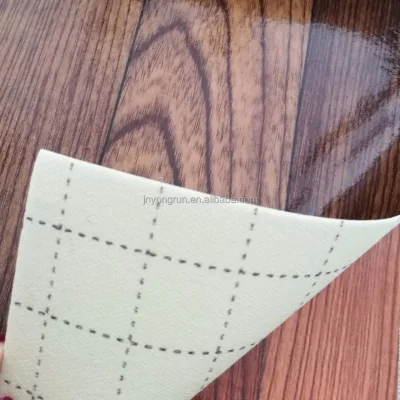
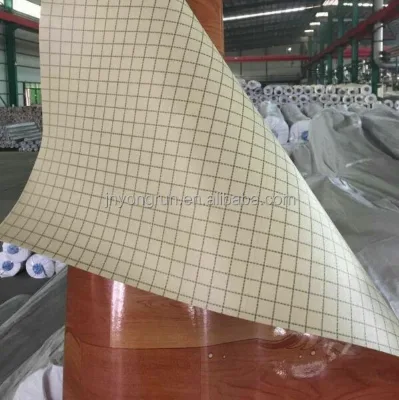


Homogeneous PVC Floor PVC Flooring Roll Vinyl Sponge PVC Roll Floor
$5.00 - $12.00
MOQ: 1000 Square Meters


Durable Waterproof Vinyl Flooring with Non-Slip Anti-Scratch Feature
$3.90 - $6.90
MOQ: 200 Square Meters


Waterproof Anti Slip PVC Sport Flooring for Indoor and Outdoor Activities
$7.90 - $11.70
MOQ: 200 Square Meters


Comprehensive Sourcing Guide
Waterproof Anti-Slip PVC Sponge Flooring Sourcing Guide
Sourcing waterproof anti-slip PVC sponge flooring requires a disciplined approach to material verification and functional alignment. The term "PVC sponge flooring" often overlaps with rigid vinyl planks, flexible rolls, and specialized foam-backed variants, creating ambiguity in supplier listings. Buyers must distinguish between true sponge-backed products, which offer superior cushioning and sound absorption, and standard rigid-core vinyl that may only feature a wear layer. The core keyword emphasizes two critical performance metrics: water resistance and slip resistance. These attributes are non-negotiable for environments ranging from residential bathrooms to commercial sports facilities. Understanding the structural composition of the flooring is the first step in ensuring that the product meets the specific environmental demands of the installation site.
Procurement decisions should be driven by a clear understanding of the product’s intended usage and physical state. The market offers products in various forms, including rolling formats and block or plank configurations. Rolling formats typically provide seamless coverage for large commercial areas, while block or plank styles are often preferred for residential or modular commercial spaces. The presence of "sponge" in the product name suggests a focus on comfort and acoustic performance, but buyers must verify if this refers to a foam backing layer or a porous PVC structure. Clarifying this distinction is essential because it directly impacts the flooring’s durability, installation method, and long-term maintenance requirements.
Product Scope and Observed Listing Signals
The observed market signals indicate a diverse range of PVC flooring products with varying specifications. Listings frequently highlight multi-functional attributes such as wear resistance, anti-slip properties, waterproofing, and soundproofing. These features are commonly bundled together, suggesting that modern PVC flooring is engineered to address multiple performance criteria simultaneously. The presence of "anti-static" and "fireproof" claims in some listings further expands the scope of potential applications, indicating that these products are suitable for high-traffic commercial environments where safety and electrical conductivity are concerns. Buyers should treat these bundled claims as observations that require individual verification through technical data sheets.
Visual and aesthetic attributes also play a significant role in product selection. The observed data shows a wide variety of patterns, including floral, wood grain, and multi-color designs. Some listings specify "antique" or "modern" styles, catering to different interior design preferences. The surface treatment varies from simple color applications to parquet-style finishes, which can mimic traditional hardwood aesthetics. Additionally, the availability of over 1000 patterns suggests a high degree of customization potential. Buyers should evaluate these aesthetic options alongside functional requirements to ensure that the chosen flooring aligns with both the visual identity and the operational needs of the space.
Technical Specifications to Verify
Thickness is a critical specification that influences both durability and comfort. Observed data indicates a wide range of thicknesses, from thin sheets around 0.25mm to thicker options up to 1.35mm, with specific products noted at 6mm. Thicker products often provide better impact resistance and sound insulation, which is particularly important for sponge-backed variants. Buyers must verify the total thickness and the composition of each layer, including the wear layer, the core, and the backing. The wear layer thickness is especially important for determining the product’s lifespan in high-traffic areas, as it protects the underlying design from abrasion and damage.
Dimensions and format are equally important for planning and installation. Standard widths observed include 183cm (72 inches) and 200cm (79 inches), with lengths ranging from 20 to 40 meters per roll. Some products are specified in block formats with dimensions like 9x48 inches. The choice between rolling and block formats affects the installation process, material waste, and seam visibility. Rolling products are ideal for large, open spaces where seamless coverage is desired, while block formats offer easier replacement of damaged sections. Buyers should confirm the exact dimensions and tolerances to ensure compatibility with their subfloor conditions and installation tools.
Compliance and Safety Documentation
Safety certifications are paramount when sourcing flooring for commercial or public spaces. The observed data mentions CE certification, which indicates compliance with European health, safety, and environmental protection standards. However, buyers should not assume that all listed products hold this certification without verification. Additional certifications such as fire resistance ratings, slip resistance coefficients, and formaldehyde emission levels are often required for specific markets and building codes. Buyers must request valid test reports from accredited laboratories to confirm that the product meets the necessary safety standards for their intended use.
Fireproof and anti-static properties are critical for environments with high electrical activity or strict fire safety regulations. Some listings claim fireproof and anti-static features, which can reduce the risk of electrical shocks and prevent the accumulation of static electricity. These properties are particularly important in hospitals, laboratories, and electronics manufacturing facilities. Buyers should verify the specific ratings for these features, such as the peak voltage for anti-static performance or the flame spread rating for fire resistance. Ensuring that the product meets these specific safety criteria is essential for maintaining a safe and compliant environment.
Cost Drivers and Commercial Terms
Pricing in the observed market ranges from $0.45 to $17.50 per unit, reflecting the wide variation in product quality, thickness, and features. Lower-priced items may correspond to thinner, less durable products with basic features, while higher-priced items likely offer enhanced performance, thicker wear layers, and more complex designs. Buyers should analyze the cost per square meter or per roll to compare products accurately. It is important to consider the total cost of ownership, including installation, maintenance, and replacement costs, rather than just the initial purchase price. Higher-quality products may have a higher upfront cost but offer better long-term value due to their durability and lower maintenance requirements.
Minimum Order Quantities (MOQ) and lead times are significant factors in procurement planning. Observed MOQs range from 1 to 4000 units, allowing for flexibility in order sizes. Smaller MOQs are suitable for sample testing or small-scale projects, while larger MOQs are necessary for bulk purchases to achieve economies of scale. Lead times vary, with some products having a ship date of 15-30 days. Buyers should confirm the lead time for their specific order size and customization requirements. Customization options, such as specific patterns or colors, may increase the lead time and cost. Clear communication with suppliers regarding these terms is essential to avoid delays and ensure timely delivery.
Supplier Qualification and Quality Control
Supplier location and manufacturing capabilities are key indicators of reliability. Observed data indicates origins in Foshan, Guangdong, and Shanghai, China, which are major hubs for PVC flooring production. Buyers should verify the supplier’s manufacturing capacity, quality control processes, and export experience. Requesting factory audits or third-party inspections can provide insights into the supplier’s production standards and consistency. Suppliers with a strong track record in exporting to your target market are more likely to understand and comply with local regulations and quality expectations.
Quality control should extend beyond the initial order to include ongoing monitoring of product consistency. Buyers should establish clear quality acceptance criteria, including visual inspection standards, dimensional tolerances, and performance test results. Regular sampling and testing of incoming shipments can help detect any deviations from the agreed specifications. Suppliers who offer customization options should also provide samples for approval before mass production. Building a strong relationship with the supplier through clear communication and mutual trust can lead to better service, faster problem resolution, and improved product quality over time.
Long-Term Procurement Checks
Sustainability and environmental impact are increasingly important considerations in flooring procurement. Buyers should inquire about the environmental credentials of the PVC material, including the use of recycled content and the absence of harmful additives like phthalates or heavy metals. Some products may carry environmental certifications or comply with green building standards. Understanding the lifecycle of the product, from manufacturing to disposal, can help buyers make more sustainable choices. Suppliers who are transparent about their environmental practices are more likely to provide products that align with corporate sustainability goals.
Maintenance and durability are critical for long-term satisfaction. Buyers should request detailed maintenance guidelines from the supplier, including recommended cleaning methods and products. Understanding the expected lifespan of the flooring under different usage conditions can help in budgeting for future replacements. Products with superior wear resistance and waterproof properties will require less maintenance and have a longer service life. Regularly reviewing supplier performance and product quality can help identify any issues early and ensure that the procurement strategy remains effective and aligned with business needs.
FAQs
What are the standard dimensions for Waterproof Anti-Slip PVC Sponge Flooring?
Standard widths are typically 183cm or 200cm, with roll lengths ranging from 20 to 40 meters. Thickness varies by product type, with some options available at 6mm for block styles and others between 0.25mm and 1.35mm for rolling sheets. Always verify specific dimensions with the supplier before ordering.
Can Waterproof Anti-Slip PVC Sponge Flooring be customized for specific designs?
Yes, customization is available for many products in this category. Suppliers offer over 1000 patterns, including floral and wood grain designs, as well as multi-color options. You can request specific surface treatments like simple color or parquet finishes to match your project requirements.
What is the typical lead time for ordering Waterproof Anti-Slip PVC Sponge Flooring?
The standard shipping date is generally 15 to 30 days after order confirmation. This timeframe allows for production and quality checks. Actual delivery times may vary depending on the order quantity, customization complexity, and current factory capacity, so confirm specific dates with your vendor.
What are the main functional benefits of Waterproof Anti-Slip PVC Sponge Flooring?
This flooring is designed to be waterproof, anti-slip, and wear-resistant, making it suitable for high-traffic areas. It also offers soundproofing and anti-static properties. Some variants provide additional benefits like fireproofing, moisture proofing, and thermal insulation, enhancing safety and comfort in both household and commercial settings.
How is Waterproof Anti-Slip PVC Sponge Flooring typically packaged for shipping?
Rolling products are usually packed with a paper tube and covered with a PP bag to protect the surface. Block or tile styles are often packed in carton boxes and placed on pallets for stability. Proper packaging ensures the material remains undamaged during transit and storage.
Where is Waterproof Anti-Slip PVC Sponge Flooring commonly manufactured?
Major production hubs include Foshan in Guangdong and Shanghai in China. These locations offer extensive manufacturing capabilities and supply chains for PVC flooring. Sourcing from these regions often provides access to a wide range of specifications and competitive pricing for international buyers.
What usage scenarios are suitable for Waterproof Anti-Slip PVC Sponge Flooring?
This flooring is suitable for household, commercial, and sports applications. Its durability and slip resistance make it ideal for areas with high foot traffic or moisture exposure. It can also be used outdoors in certain configurations, providing a versatile solution for various interior and exterior projects.