Source Waterproof Breathable Combat Boot for Hiking, Trekking, and Tactical Use
Find 30 Waterproof Breathable Combat Boot options featuring anti-slip soles, breathable mesh linings, and durable PU uppers. Compare tactical hiking boots with customizable OEM services and various EUR/US sizes for outdoor activities; compare the available evidence and request quotations based on your requirements.
Updated
Key considerations
Products List


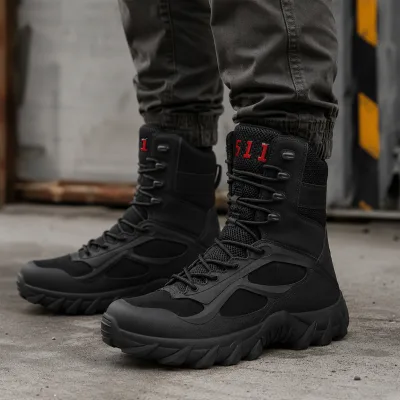


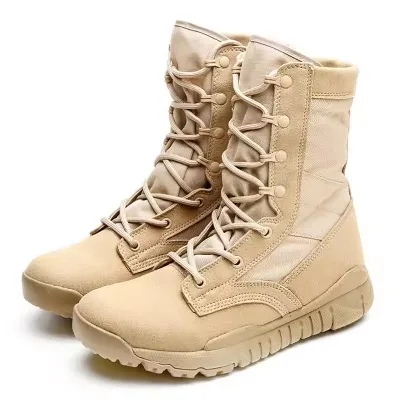
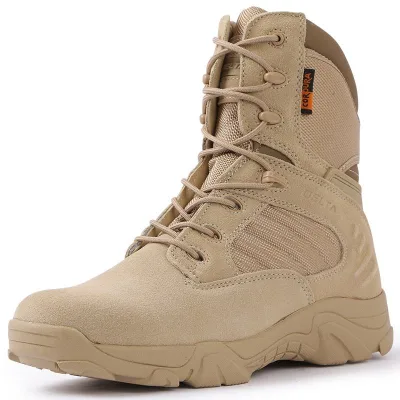
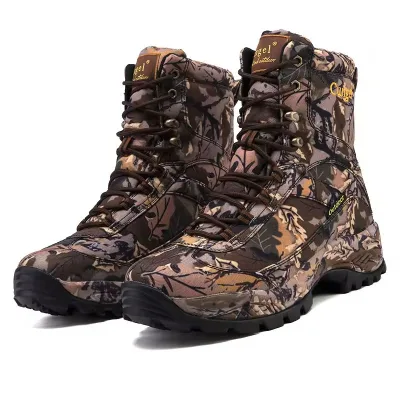
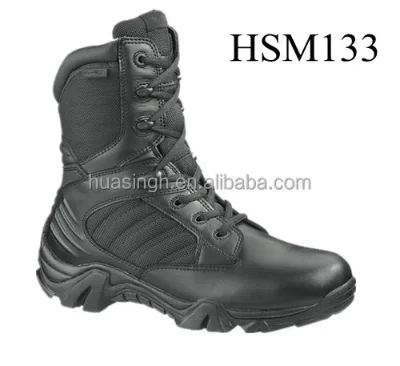
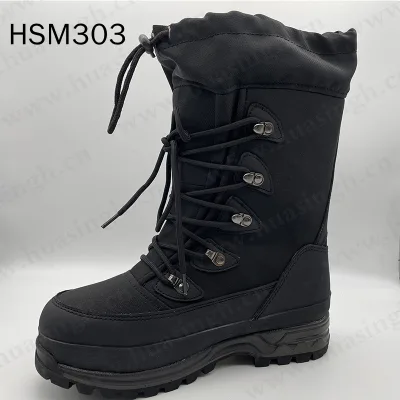
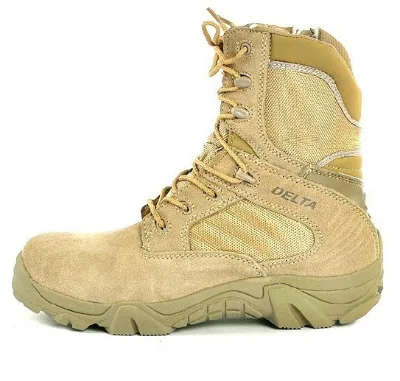
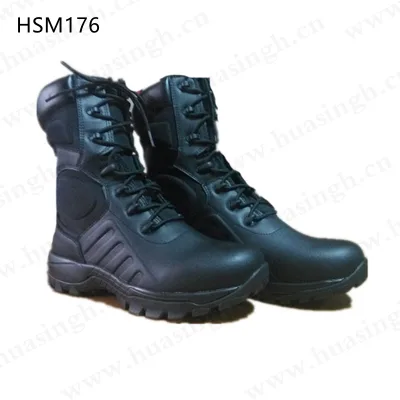
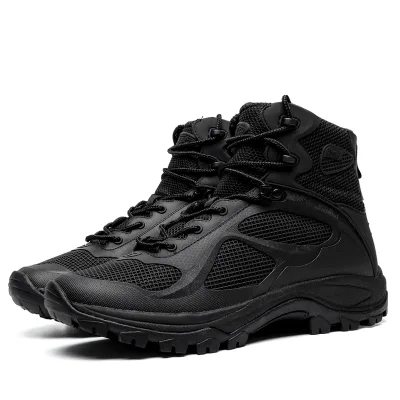


Comprehensive Sourcing Guide
Waterproof Breathable Combat Boot Sourcing Guide
Procuring tactical footwear requires balancing protective performance with operational comfort, particularly when the core requirement involves waterproof yet breathable materials. Buyers must navigate a market where product listings often present conflicting attributes, such as simultaneous claims of being both waterproof and non-waterproof. This ambiguity necessitates rigorous verification of material composition and construction methods before committing to volume orders. The primary objective is to identify suppliers who can deliver consistent performance in wet environments without compromising ventilation, which is critical for preventing foot fatigue during extended wear.
The sourcing strategy should focus on distinguishing between marketing terminology and actual technical specifications. While many products are labeled as tactical or combat boots, the underlying materials vary significantly, ranging from full-grain leather to synthetic meshes and PU blends. Understanding these material differences is essential for determining suitability for specific operational theaters. Buyers should prioritize suppliers who provide transparent data on membrane technologies and upper construction, ensuring that the boots meet the dual demands of moisture exclusion and heat dissipation required for modern field operations.
Product Scope and Observed Listing Signals
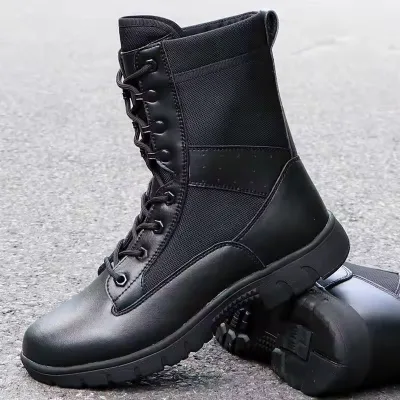
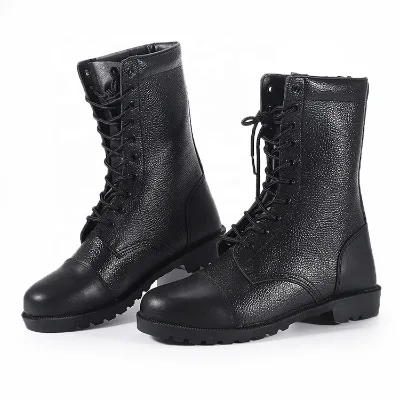
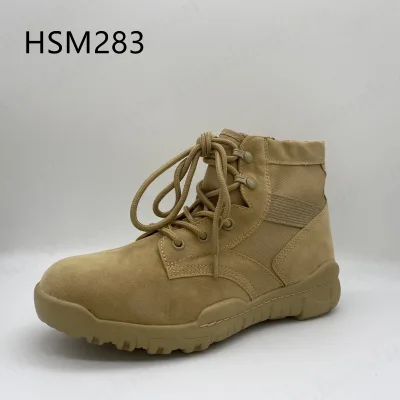
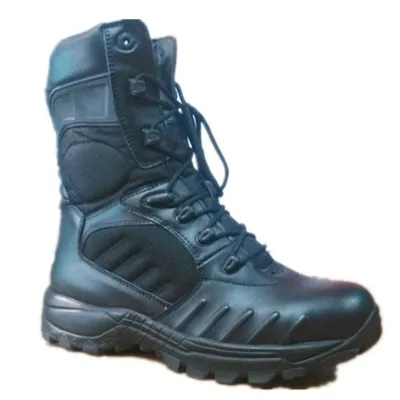
Current market listings reveal a diverse range of tactical footwear, including knee-high boots, mid-calf boots, and ankle boots, catering to various operational needs. Observed product attributes indicate a strong emphasis on customization, with many suppliers offering OEM and ODM services to meet specific branding or functional requirements. The materials observed include leather, PU, mesh, artificial leather, polyester, and nylon, often combined with rubber soles for durability. These variations suggest that buyers can tailor their procurement to specific environmental conditions, whether requiring heavy-duty protection or lightweight agility for rapid movement.
Listing signals also highlight specific design features such as anti-slip grooves, breathable linings, and quick-dry capabilities, which are crucial for tactical effectiveness. Some products are explicitly marketed for hiking, camping, trekking, and climbing, indicating a crossover between military-grade gear and outdoor recreational equipment. The presence of hand-made elements and lace-up closure patterns suggests a focus on fit and adjustability. Buyers should carefully review these signals to ensure that the selected boots align with the intended usage, whether for rigorous combat scenarios or less intensive outdoor activities, while noting that not all listed products satisfy every claimed attribute.
Technical Specifications to Verify
Verifying technical specifications is paramount to ensuring that the boots meet operational standards, particularly regarding waterproofing and breathability. Buyers must confirm the specific membrane technology used, such as Gore-Tex or proprietary alternatives, and verify the integrity of seam sealing processes. The upper material composition, whether it be leather, PU, or mesh blends, directly impacts durability and water resistance. Additionally, the sole material, typically rubber, should be evaluated for its anti-skid properties and abrasion resistance, ensuring reliable traction on varied terrains including mud, rock, and wet surfaces.
Lining materials also play a critical role in overall performance, with options ranging from cotton fabric to mesh and EVA combinations. These materials influence moisture management and comfort, affecting the boot’s ability to keep feet dry from both external water and internal sweat. Buyers should request detailed material breakdowns and test reports to validate claims of breathability and quick-dry features. Furthermore, verifying the insole material, often EVA, is important for cushioning and shock absorption, which contributes to long-term wearability and reduces fatigue during extended missions or patrols.
Compliance and Safety Documentation
Compliance with safety standards is essential for tactical footwear, ensuring that the boots provide adequate protection against environmental hazards and physical impacts. Buyers should verify that suppliers adhere to relevant regional standards, such as European sizing and quality benchmarks, which often dictate durability and performance metrics. Documentation should include test results for slip resistance, toe cap impact protection, and puncture resistance, although specific test data must be confirmed with the supplier. Ensuring that the boots meet these safety criteria is crucial for protecting personnel in high-risk environments.
Additionally, buyers must ensure that all materials used in the boots comply with environmental and health regulations, particularly regarding chemical treatments and adhesives. Certifications related to sustainable sourcing and ethical manufacturing practices may also be required, depending on organizational policies. Suppliers should provide clear documentation on the origin of materials and the manufacturing processes employed. This transparency helps mitigate risks associated with non-compliance and ensures that the procurement aligns with broader corporate social responsibility goals, while also guaranteeing that the footwear meets the necessary safety thresholds for tactical use.
Cost Drivers and Commercial Terms
Cost drivers for tactical boots include material quality, manufacturing complexity, and customization requirements. Products featuring genuine leather, advanced waterproof membranes, and hand-made construction typically command higher prices compared to those made from synthetic materials and mass-produced methods. Buyers should analyze the price range, which can vary significantly based on these factors, to ensure alignment with budget constraints. Understanding the cost structure helps in negotiating favorable terms and identifying potential areas for cost reduction without compromising essential performance attributes.
Commercial terms such as minimum order quantities (MOQ), lead times, and packaging specifications also impact the overall procurement cost. MOQs can range from small batches for testing to large volumes for full deployment, influencing inventory management and cash flow. Packaging details, such as individual boxing and carton quantities, affect shipping efficiency and storage requirements. Buyers should negotiate clear terms regarding payment schedules, warranty provisions, and return policies to mitigate financial risks. Transparent communication about these commercial aspects ensures a smoother procurement process and better alignment between buyer expectations and supplier capabilities.
Supplier Qualification and Quality Control
Supplier qualification involves assessing the manufacturer’s production capabilities, quality control processes, and track record in delivering tactical footwear. Buyers should verify the supplier’s experience in manufacturing boots with specific features such as waterproofing and breathability, requesting references or case studies if available. Quality control measures should include rigorous testing of materials and finished products to ensure consistency and durability. Suppliers with established QC protocols are more likely to deliver products that meet specified standards, reducing the risk of defects and returns.
Additionally, buyers should evaluate the supplier’s ability to handle customization requests, such as logo printing, specific sizing, and material selections. A flexible and responsive supplier can adapt to changing requirements and provide valuable insights into design and functionality. Communication efficiency and responsiveness are also key indicators of a reliable partner. Buyers should conduct site visits or virtual audits to assess production facilities and quality management systems. This due diligence helps ensure that the selected supplier can consistently deliver high-quality tactical boots that meet operational needs and organizational standards.
Long-Term Procurement Checks
Long-term procurement checks involve monitoring supplier performance, product consistency, and market trends to ensure ongoing value and reliability. Buyers should establish key performance indicators (KPIs) to track delivery times, defect rates, and customer satisfaction. Regular audits and feedback loops help identify areas for improvement and foster a collaborative relationship with the supplier. Staying informed about advancements in materials and technologies allows buyers to make informed decisions about future purchases, ensuring that the tactical boots remain competitive and effective in evolving operational environments.
Furthermore, buyers should periodically review contract terms and pricing structures to ensure they remain favorable and aligned with market conditions. Building a diversified supplier base can mitigate risks associated with single-source dependencies and provide flexibility in sourcing. Continuous engagement with suppliers on product development and innovation can lead to customized solutions that better meet specific operational requirements. By maintaining a proactive approach to procurement management, buyers can ensure that their tactical footwear investments deliver sustained performance and value over time, supporting the safety and effectiveness of personnel in the field.
FAQs
Are these tactical boots waterproof?
The product listings show mixed waterproof attributes. Some items are explicitly marked as waterproof, while others are listed as not waterproof. Buyers should verify the specific model's waterproof status before purchase, as the collection includes both waterproof and non-waterproof variants for different outdoor conditions.
What materials are used for the uppers?
Upper materials vary by model. Some boots use PU leather or genuine leather, while tactical hiking versions utilize mesh, artificial leather, polyester, and nylon. The lining may be cotton fabric, mesh, or EVA. These material choices balance breathability, durability, and comfort for various outdoor and tactical applications.
Can I customize the logo on these boots?
Yes, customization is available. The supplier offers OEM and ODM services, including silkscreen printing for logos. Buyers can request custom branding on the tactical or hiking boots. This service allows businesses to brand the footwear for specific markets or corporate requirements while maintaining the core product features.
What is the typical packaging for these boots?
Packaging varies by model. Some items are packed individually in boxes with foam, with four to five pairs per carton. Other models use one pair per box, with ten boxes per carton. The supplier supports standard shoe box packaging, ensuring safe transit and professional presentation for retail or wholesale distribution.
What sizes are available for these boots?
Size ranges depend on the specific model. One range covers EUR 39-45, while another offers EUR 37-50 or US 6.5-13. Custom sizes may also be available upon request. Buyers should check the specific product model number to confirm the exact size availability for their target market.
Are these boots suitable for hiking and camping?
Yes, many models are designed for outdoor activities. The product list explicitly mentions usage for hiking, camping, trekking, and climbing. Features like anti-slip grooves, breathable materials, and lightweight construction make them suitable for these activities. However, buyers should verify the specific model's features to ensure they match their intended outdoor use.