Source Tactical Plate Carrier Ballistic Vest for Law Enforcement
Find and compare 30 Tactical Plate Carrier Ballistic Vest options from verified Chinese manufacturers. Buyers can evaluate protection levels, fabric materials, customization features, and pricing to select gear for law enforcement, special forces, and personal protection applications.
Key considerations
Products List


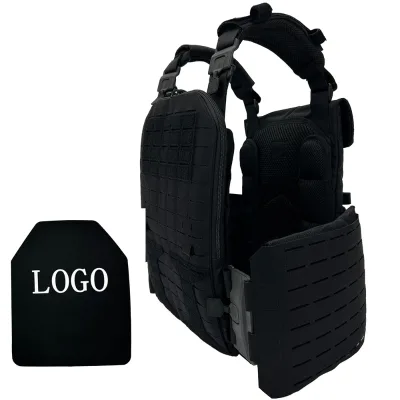


Workwear Uniform Safety Vests Plate-Carrier Tactical Armor Jacket Protection Vest
$70.00 - $150.00
MOQ: 500 SETS

Comprehensive Sourcing Guide
Strategic Sourcing Guide for Tactical Plate Carrier Ballistic Vests
Understanding Core Technical Specifications and Material Composition
When evaluating tactical plate carrier ballistic vests for procurement, the foundational step involves a rigorous analysis of material composition and structural design. The primary fabric used in high-performance carriers is often 600d HD Oxford or PVC-coated waterproof variants, which provide a critical balance between durability and environmental resistance. This material selection is essential for ensuring the vest can withstand harsh operational conditions while maintaining structural integrity over time. Some suppliers may offer 500D or 600d Polyester options, which serve as alternative material bases depending on the specific weight and flexibility requirements of the end-user.
The physical dimensions and weight of the vest are equally critical factors in the selection process. A standard tactical plate carrier typically weighs between 0.90kg and 1.0kg, with a tolerance of ±0.05kg, ensuring that the added ballistic protection does not overly burden the operator. Size specifications often range from Large to S-5XL, with some models offering adjustable sizing to accommodate various body types. The "V-fit" or "Covert" designations often refer to specific fit profiles intended for specialized operations, where a streamlined silhouette is necessary to reduce visibility and snagging risks.
The carrier's design must also account for the integration of hard armor plates. While the vest itself provides a base structure, the actual ballistic protection is achieved by upgrading the system with hard armor plates. This upgrade capability allows the carrier to transition from a Level IIa base to Level III or Level IV protection, depending on the threat level anticipated. The protection area is typically focused on the front and back, covering vital organs, though some custom configurations may extend protection to the sides. Buyers must verify that the vest's internal pockets and retention systems are compatible with the specific dimensions and weights of the armor plates they intend to procure.
Compliance Standards and Certification Verification
Verifying compliance with international ballistic standards is a non-negotiable aspect of sourcing tactical plate carriers. The National Institute of Justice (NIJ) standards, specifically NIJ 0101.06, serve as the global benchmark for ballistic resistance. Procurement teams must demand evidence that the vest and its associated armor plates have been tested and certified to meet NIJ Level IIa, Level III, or Level IV requirements. The documentation provided by the supplier should explicitly state the protection level, ensuring that the product matches the operational threat assessment.
In addition to ballistic performance, quality management systems play a pivotal role in supplier reliability. Many reputable manufacturers hold ISO 9001:2008 certification, which indicates a commitment to consistent quality control processes throughout the manufacturing lifecycle. This certification is a strong indicator that the supplier adheres to standardized procedures for material sourcing, assembly, and final inspection. Furthermore, the presence of a specific NIJ Certificate for the product line confirms that the ballistic performance claims have been validated by an accredited testing facility.
Buyers should be cautious of vague claims regarding "Level III/IV" upgrades. The standard requires that the specific armor plate, not just the vest, be tested to the required level. The vest acts as a platform, and its ability to hold the plate securely during impact is part of the overall system certification. Therefore, the procurement contract should specify that the complete system (vest + plate) must carry valid certification. Suppliers who cannot provide up-to-date test reports or certification documents for the specific model number, such as ATBV-P03 or V-link 003, should be considered high-risk.
Cost Drivers and Pricing Structure Analysis
The pricing of tactical plate carrier ballistic vests is influenced by a complex interplay of factors, including material costs, labor intensity, and the level of customization required. The observed market price range for these products can vary significantly, from approximately $7.50 to $400 USD, reflecting the disparity between basic training vests and fully certified, high-specification operational gear. The lower end of the price spectrum often corresponds to vests intended for training or low-threat environments, while the higher end includes vests with advanced waterproofing, custom tailoring, and certified ballistic plates.
Material quality is a primary driver of cost. PVC-coated 600d HD Oxford fabric is more expensive than standard polyester due to its enhanced water resistance and durability. Similarly, the inclusion of hard armor plates significantly increases the unit cost, as the manufacturing and testing of Level III or Level IV plates involve specialized materials like ceramic or polyethylene composites. Customization options, such as specific color requests, anti-stab protection features, or custom logo placement, also add to the final price. These bespoke elements require additional setup time and specialized labor, which suppliers factor into their pricing models.
Minimum Order Quantity (MOQ) requirements also impact the effective cost per unit. The observed MOQ range spans from 1 to 500 units. Suppliers with lower MOQs may charge a premium per unit to cover the overhead of small-batch production, while larger orders typically benefit from economies of scale. Buyers should consider their total volume requirements when negotiating pricing. For instance, an order of 500 units may qualify for a significantly lower unit price compared to a single-unit purchase, but it requires a larger upfront capital investment. Understanding these cost drivers allows procurement teams to align their budget with their operational needs, balancing the trade-off between immediate cost savings and long-term value.
Typical Applications and Operational Requirements
Tactical plate carrier ballistic vests are designed for a diverse range of high-stakes applications, primarily serving law enforcement agencies, special forces, and private security contractors. The "Designed for" specifications often highlight these specific user groups, indicating that the vest is engineered to meet the rigorous demands of tactical operations. For law enforcement, the vest may prioritize comfort for extended wear during patrols, while special forces units may require covert profiles or enhanced mobility features for rapid deployment scenarios.
The versatility of these vests is further demonstrated by their adaptability to different operational environments. The waterproof and anti-stab protection options make them suitable for maritime operations or urban environments where physical threats are prevalent. The ability to customize colors allows units to blend into specific terrains, whether it be urban grey, desert tan, or woodland green. Additionally, the "V-Link" or "Covert" models are often preferred for undercover operations where a low profile is essential to avoid detection.
Age group and gender specifications are also relevant, with most tactical vests designed for adults and offered in unisex configurations. This ensures that the equipment can be distributed across diverse teams without the need for separate inventories. The functional requirements extend beyond mere protection; the vest must facilitate the rapid deployment of weapons, communication devices, and medical kits. Features such as MOLLE webbing, adjustable straps, and modular attachment points are critical for ensuring that the vest serves as a functional platform for the operator's entire gear loadout.
Supplier Evaluation and Quality Control Protocols
Evaluating a supplier for tactical plate carrier procurement requires a multi-faceted approach that goes beyond simple price comparison. Buyers should prioritize suppliers who demonstrate transparency in their manufacturing processes and provide comprehensive documentation. The origin of the product, often listed as China or specific regions like Beijing, is a factor to consider, but it should not be the sole determinant of quality. Instead, the focus should be on the supplier's track record, their adherence to international standards, and their ability to provide consistent quality across batches.
Quality control protocols are essential to ensure that every unit meets the specified performance criteria. Suppliers should have a robust inspection process that includes material testing, dimensional verification, and final assembly checks. The "Sample Day" of 3-5 days indicates a supplier's ability to produce prototypes quickly, which is useful for validating design and fit before committing to a large order. However, buyers must ensure that the sample production process mirrors the mass production process to avoid discrepancies between the prototype and the final delivery.
Packaging standards are another critical aspect of supplier evaluation. The observed packaging specifications, such as "10 pieces/Carton" or "Standard Export Carton," indicate the supplier's attention to logistics and product protection during transit. Proper packaging ensures that the vests arrive in pristine condition, free from damage that could compromise their structural integrity. Buyers should verify that the packaging meets export standards and includes clear labeling for inventory management and handling instructions.
Long-Term Procurement Considerations and Maintenance
Long-term procurement of tactical plate carrier ballistic vests involves considerations that extend beyond the initial purchase. The warranty period, often cited as 5 years, is a significant indicator of the manufacturer's confidence in their product's longevity. However, buyers must understand the terms and conditions of the warranty, including what constitutes a valid claim and the process for replacement or repair. A 5-year warranty suggests that the vest is built to withstand prolonged use, but regular maintenance and inspection are necessary to ensure continued performance.
Storage and maintenance protocols are crucial for preserving the vest's ballistic capabilities. The fabric and armor plates should be stored in a cool, dry environment to prevent degradation from moisture or extreme temperatures. Regular inspections should be conducted to check for signs of wear, such as fraying fabric, damaged zippers, or compromised retention systems. Any defects identified during these inspections should be addressed immediately to prevent potential failure during an operational deployment.
Lead times and delivery schedules are also important factors for long-term planning. While some suppliers offer rapid delivery times of 3-5 days for samples, bulk orders may require longer lead times depending on the complexity of the customization and the current production load. Buyers should establish clear communication channels with their suppliers to manage expectations and ensure timely delivery. Additionally, maintaining a relationship with a reliable supplier can facilitate future reorders and potential upgrades as operational requirements evolve.
Comparative Analysis of Key Product Attributes
To facilitate informed decision-making, the following table summarizes the key attributes observed across different tactical plate carrier models. This comparison highlights the variations in specifications, certifications, and packaging that buyers should consider when selecting a product.
| Attribute | Model ATBV-P03 | Model V-Link 003 | Model MTV10-1 | Model WJV2509104410 |
|---|---|---|---|---|
| Carrier Fabric | 600d HD Oxford/PVC Coated | 600d Polyester | Polyester | 500D |
| Protection Level | NIJ 0101.06 Level III/IV | NIJ 0101.06 Level IIa/III/IV | Personal Protection | Not Specified |
| Size | Large | Adjusted (M-L) | Customized | Not Specified |
| Weight | 0.90 ± 0.05kg | Not Specified | Not Specified | Not Specified |
| Certification | ISO 9001:2008 / NIJ | Not Specified | Not Specified | Not Specified |
| Origin | China | Beijing | Not Specified | Not Specified |
| Packing | 10 pieces/Carton | Carton (Specific dims) | Box | 1PC/Poly Bag |
| Customization | Colors, Anti-Stab | Colors | Logo | Not Specified |
This comparative view underscores the importance of matching specific model attributes to operational needs. For instance, the ATBV-P03 offers a high level of protection and specific weight metrics, making it suitable for heavy-duty operations. In contrast, the V-Link 003 offers adjustable sizing and a range of protection levels, providing flexibility for diverse team requirements. Buyers must carefully review these attributes to ensure the selected product aligns with their specific tactical and logistical constraints.
FAQs
What materials are used for tactical plate carrier ballistic vests?
High-performance vests typically use 600d HD Oxford or PVC-coated waterproof fabric. Some models utilize 500D or 600d Polyester as an alternative base material depending on weight and flexibility needs.
Which certification standards must these vests meet for ballistic protection?
Vests must comply with NIJ 0101.06 standards for ballistic resistance. Reputable manufacturers also hold ISO 9001:2008 certification to ensure consistent quality control throughout the manufacturing lifecycle.
Can the protection level be upgraded from base armor to higher levels?
Yes, the vest can be upgraded to Level III or IV by adding hard armor plates. The base vest provides a platform, but the specific armor plate must be tested to meet the required protection level.
What is the typical weight range for a standard tactical plate carrier?
A standard tactical plate carrier typically weighs between 0.90kg and 1.0kg with a tolerance of ±0.05kg. This ensures added ballistic protection does not overly burden the operator during extended missions.
How long is the warranty period for these tactical vests?
The warranty period is often cited as 5 years, indicating manufacturer confidence in product longevity. Buyers must understand the terms, including valid claims and the process for replacement or repair.
What customization options are available for color and protection features?
Colors can be customized, and anti-stab protection is available on demand. Custom logo placement is also accepted, allowing units to blend into specific terrains or maintain brand identity.
What is the minimum order quantity for purchasing these vests?
The observed minimum order quantity ranges from 1 to 500 units. Suppliers with lower MOQs may charge a premium per unit, while larger orders typically benefit from economies of scale.