Heavy Duty Tactical Rigger Belt Suppliers and Manufacturers
Compare 21 verified suppliers of heavy duty tactical rigger belts based on location, lead times, certifications, and customization options. Review product specifications like buckle material and arrival times to select the right partner for your needs; review the available evidence before requesting comparable quotations from suitable candidates.
Suppliers List

LITAI(QUANZHOU)BAGS CORP., LIMITED
- Trading Company,Manufacturer/Factory
- China Fujian
- Lead time45 days
- Avg. response≤ 7h
Main productsMilitary Bags, Military Backpack, Military Vest, Army Backpack, Tactical Backpack, Tactical Holster, Tactical Sling, Army Bags, Medical Bag
Main marketsSouth America,Eastern Europe,Mid East,North America,Eastern Asia,Western Europe,Africa

CHINA HENGTAI GROUP CO., LIMITED
- Verified by BV
- Trading Company,Manufacturer/Factory,Group Corporation
- China Tianjin
- Lead time0 days
- Avg. response≤ 8h
Main productsBulletproof Helmet, Bulletproof Vest, Bulletproof Plate, Ak Ballistic Pasgt Mich2000 Fast Tactical Helmet, Body Armor, Military Bdu Acu M65 Uniform, Military Desert Jungle Combat Boots, Military Refugee Emergency Tent, Radar and Irr Camouflage Net, Police Anti Riot Suits Gear Equipment
Main marketsSouth America,Eastern Europe,Mid East,North America,Southeast Asia,Eastern Asia,Oceania,Western Europe,Africa

Tactical Field Duty Adventure Gear Outdoor Survival Riggers Security Belt
$4.00 - $7.00
MOQ: 2000 Pieces

Tactical Riggers Outdoor Survival Field Duty Security Duty Adventure Gear Belt Supplier
$1.90 - $3.80
MOQ: 10000 Pieces

Shanghai China Best Source Industrial Development Co., Ltd.
- Trading Company,Manufacturer/Factory
- China Shanghai
- Lead time45 days
- Avg. response≤ 14h
Main productsMilitary & Police, Security, Camouflage Net, Hunting, Outdoor, Backpack, Uniform, Cap, Clothing, Boots
Main marketsSouth America,Eastern Europe,Mid East,North America,Southeast Asia,Eastern Asia,Oceania,Western Europe,Africa

(CB30500-d) Duty Soldier Training Utility Rigger Battle Security Combat Tactical Belt
$3.00 - $4.00
MOQ: 1000 Pieces

(CB30578) Duty Training Utility Rigger Battle Security Combat MTactical Belt
$3.00 - $4.00
MOQ: 1000 Pieces

(CB30500-m) Duty Training Combat Utility Rigger Battle Security Tactical Belt
$3.00 - $4.00
MOQ: 1000 Pieces

(CB30577) Duty Training Utility Rigger Battle Outdoor Hiking Security Combat Tactical Belt
$3.00 - $4.00
MOQ: 1000 Pieces

(CB30573) Webbing Strap Duty Training Rigger Outdoor Hiking Battle Combat Tactical Belt
$3.00 - $4.00
MOQ: 500 Pieces

(CB30500-I) Duty Soldier Training Utility Rigger Battle Security Combat Tactical Belt
$3.00 - $4.00
MOQ: 1000 Pieces
Guangzhou Dinghong Tourism Supplies Co., Ltd.
- Manufacturer
- Lead time旺季: "1 - 100":7,"101 - 300":10,"301 - 500":12,"> 500":"To be negotiated", 淡季: "1 - 100":7,"101 - 300":10,"301 - 500":12,"> 500":"To be negotiated"
- Avg. response≤ 4h
Main productsBackpacks,Vests,Waist Bag,Chest Bag,Pouch
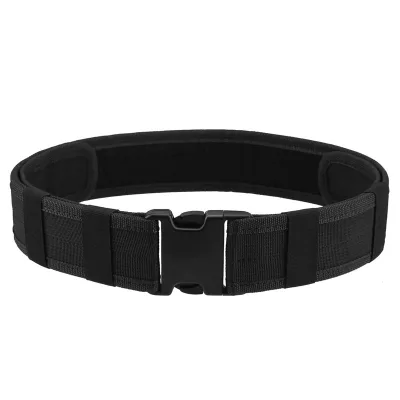
Wholesale Durable Outdoor Training Rigger Security Utility Belts Men Tactical Heavy Duty Waist Belt
$1.00 - $1.30
MOQ: 10 pieces
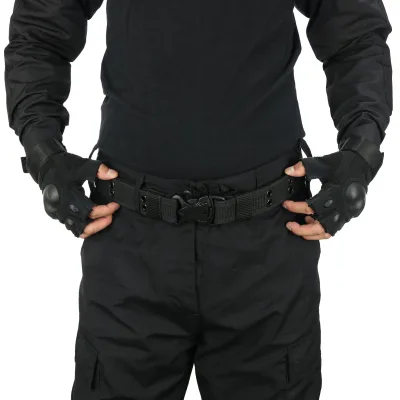
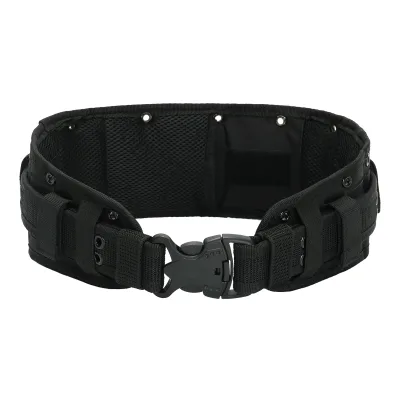
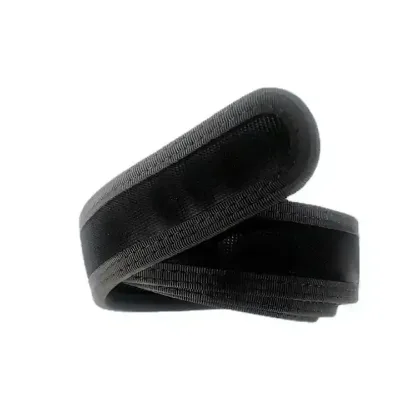
Tactical Belt System 1.5" Inner/Outer Duty Belt Heavy Duty Nylon Webbing with Loop Liner
$1.50 - $2.00
MOQ: 10 pieces
Daqin (luoyang) Supply Chain Co., Ltd.
- Manufacturer, Trading Company
- Henan, China
- Lead time0 days
- Avg. response≤ 2h
Main productsToy Gun,Toy Gun Model,Simulation Toy Weapons,Outdoor Sports,Stuffed Toys
Main marketsEastern Europe(20.00%), Southern Europe(20.00%), Western Europe(20.00%), South America(10.00%), Northern Europe(10.00%), Central America(10.00%), North America(10.00%)

China Xinxing Shanghai Import and Export Co., Ltd.
- Verified by TUVRHEINLAND
- Trading Company
- China Shanghai
- Lead time15 days
- Avg. response≤ 6h
Main productsAnti-Riot Suit
Main marketsSouth America,Africa,Southeast Asia/ Mideast,Europe

Zhejiang Ganyu Police Equipment manufacturing Co., Ltd.
- Verified by SGS
- Combined
- China Zhejiang
- Lead time15 days
- Avg. response≤ 15h
Main productsAnti Riot Suit, Anti Riot Helmet, Anti Riot Shield, Tactical Vest, Safety Products, Anti Riot Gear
Main marketsSouth America
Dongguan Gina Import & Export Co., Ltd
- Trading Company
- Guangdong, China
- Lead time25 days
- Avg. response≤ 2h
Main productspersonal security gear,Tactical Belt,Workwear,tactical clothing,Heavy duty Gear
Main marketsNorth America(30.00%), Western Europe(20.00%), Northern Europe(10.00%), South America(10.00%), Oceania(10.00%), Southeast Asia(10.00%), Eastern Europe(10.00%)
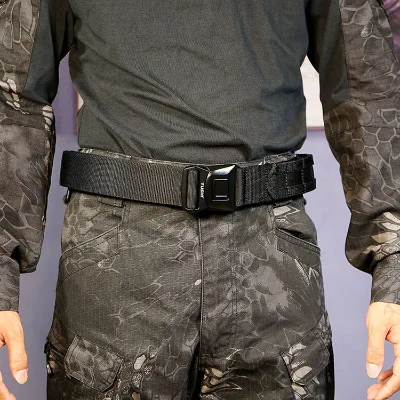
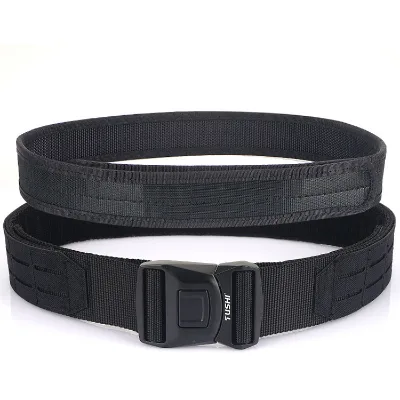
New Arrival 1.75" Heavy Duty Molle System Tactical Rigger Belt With Inner 1.5" Belt
$14.80 - $15.60
MOQ: 2
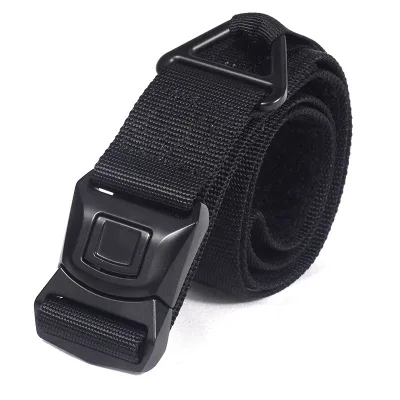
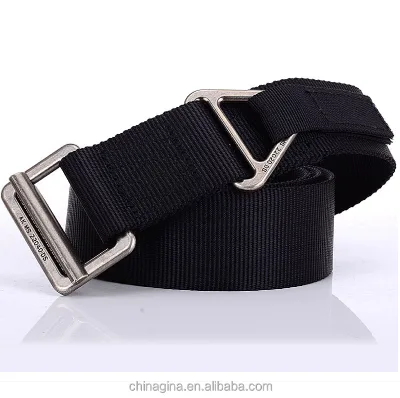
GINA New Arrival Men's Heavy Duty Tactical Rigger Belt With Insert Buckle V Ring
$5.40 - $5.80
MOQ: 100

Zhejiang Yuda New Material Technology Co., Ltd.
- Verified by SGS
- Manufacturer
- China Zhejiang
- Lead time15 days
- Avg. response≤ 10h
Main productsWebbing Strap, Ratchet Strap, Safety Belt, Polyester Webbing, Nylon Webbing, Cotton Webbing, Lanyard, Outdoor Straps, Tactical Webbing, Sublimation Webbing Strap


Tactical Belts for Men Style Work Hiking Riggers Webbing Gun Safety Belt
$0.16 - $0.20
MOQ: 1000 Pieces


Duty Utility Battle Belt Men Combat Gun Tactical Safety Belt Quick Release
$0.16 - $0.20
MOQ: 1000 Pieces
Guangzhou Huasta Industrial Co., Ltd.
- Trading Company, Distributor/Wholesaler, Other
- Guangdong, China
- Lead time30 days
- Avg. response≤ 4h
Main productsTACTICAL UNIFORM,TACTICAL VEST,TACTICAL BOOTS,OUTDOOR GEAR,LEATHER BELT
Main marketsAfrica(20.00%), South America(20.00%), Western Europe(20.00%), Mid East(15.00%), Eastern Europe(15.00%), North America(10.00%)
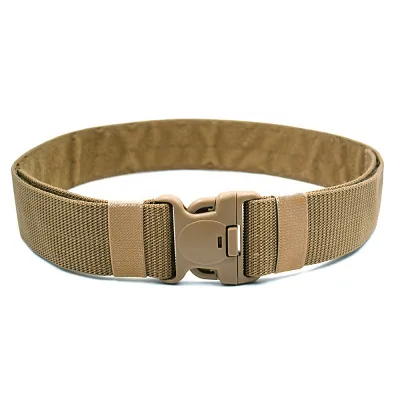
Custom Made Tactical Rigger Heavy Duty Belt PP Polyester Cotton Nylon Waist Webbing Belt
$0.77 - $1.02
MOQ: 2 pieces
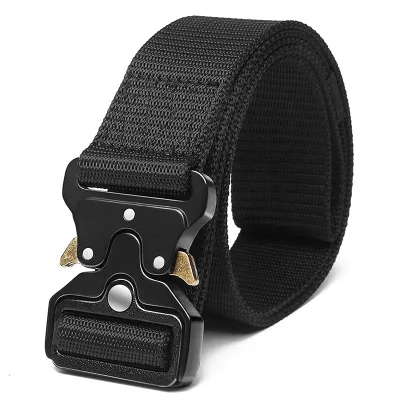
$1.25 - $1.60
MOQ: 1000 pieces
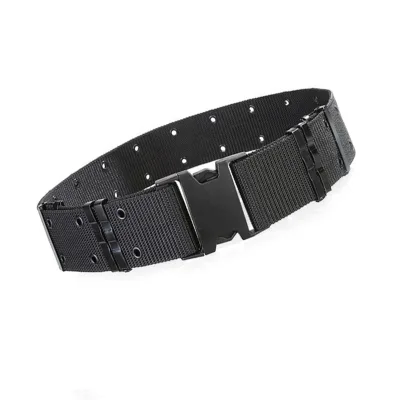

- Verified by SGS
- Combined
- China Zhejiang
- Lead time15 days
- Avg. response≤ 14h
Main productsAnti Riot Suit, Anti Riot Shield, Anti Riot Helmt, Gas Mask, Bullet Proof Vest, Stab Proof Vest, Handcuff, Knee Pad, Elbow Pad
Main marketsSouth America,Africa,Others(foreignTradeCapacity.exportBusinessCapacityMarketOther),Southeast Asia/ Mideast,Domestic,Europe,North America

Guangzhou Wangjia Leatherware Co., Ltd.
- Manufacturer/Factory
- China Guangdong
- Lead time30 days
- Avg. response≤ 5h
Main productsWestern Cowboy & Cowgirl Belts, Western Buckles, Buckle Sets, Conchos, Dog Collars & Hat Belts, PU Belts, Leather Belts, PU Handbags, Straw Beach Bags, Wallets
Main marketsSouth America,Eastern Europe,Mid East,North America,Southeast Asia,Eastern Asia,Oceania,Western Europe,Africa

$3.60 - $4.50
MOQ: 100 Pieces

Heavy Duty Rigger Customize 1.5" Nylon Webbing 8601 Tactical Belt for War a Camp
$3.50 - $3.90
MOQ: 100 Pieces

Tactical Belt Hiking Rigger 1.5" Nylon Web Work Belt with Heavy Duty Quick Release Buckle
$3.60 - $4.50
MOQ: 100 Pieces

Outdoor Heavy Duty Custom Waist Adjustable Tactical Belt with Quick-Release Buckle Men Canvas Belt
$3.60 - $4.50
MOQ: 100 Pieces

$3.80 - $4.30
MOQ: 100 Pieces

$3.90 - $4.50
MOQ: 100 Pieces

Qiyu (Xiamen) Outdoor Products Co., Ltd.
- Trading Company
- Fujian, China
- Lead time0 days
- Avg. response≤ 5h
Main productsThermal Underwear,Sportswear,Outdoor Clothing,Bags,Gloves
Main marketsNorth America(25.00%), Western Europe(15.00%), Mid East(15.00%), Eastern Europe(15.00%), Africa(10.00%), South America(10.00%), Southeast Asia(5.00%), Eastern Asia(3.00%), Oceania(2.00%)
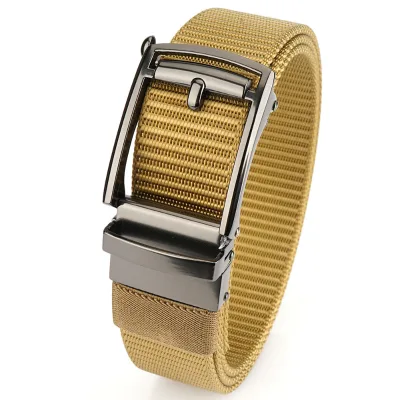
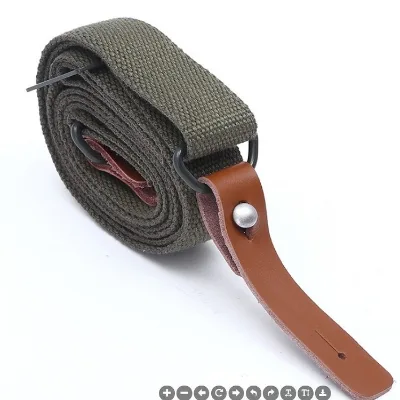
$1.80 - $2.00

Dongguan Zunwin Outdoor Products Co., Limited
- Verified by SGS
- Manufacturer
- China Guangdong
- Lead time15 days
- Avg. response≤ 9h
Main marketsSouth America,Africa,Southeast Asia/ Mideast,East Asia(Japan/ South Korea),Europe,Australia,North America


The Universal Heavy-Duty Tactical Belt for Both Men and Women Is Suitable for Hunting
$2.30 - $2.70
MOQ: 100 Pieces

Durable and Wear-Resistant Buckle System for Men's Heavy-Duty Tactical Belt
$2.30 - $2.50
MOQ: 100 Pieces


Hebei Guanglian Textile Co., Ltd.
- Verified by TüVRheinland
- Manufacturer, Trading Company
- Lead time15 days
- Avg. response≤ 2h
Main productsElastic Band, Shoelace, Webbing, Belt, Strap
Main marketsDomestic Market(100%)
Shanghai Youhao Industrial Co., Ltd.
- Trading Company
- Shanghai, China
- Lead time10 days
- Avg. response≤ 1h
Main productsCertificated Webbing,Collar for Cow&Horse,Pet Supplies,Men's Belt,Shoulder moving strap
Main marketsNorth America(15.00%), Southern Europe(13.00%), Northern Europe(12.00%), Western Europe(10.00%), Eastern Europe(10.00%), Oceania(8.00%), Eastern Asia(8.00%), Central America(5.00%), Mid East(3.00%)
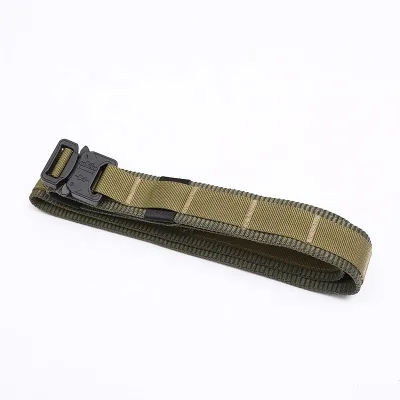
Rigger Belt Nylon Webbing Heavy Duty Belt for Men Utility Belts Waist with Loops
$0.80 - $1.00
MOQ: 2000 pieces
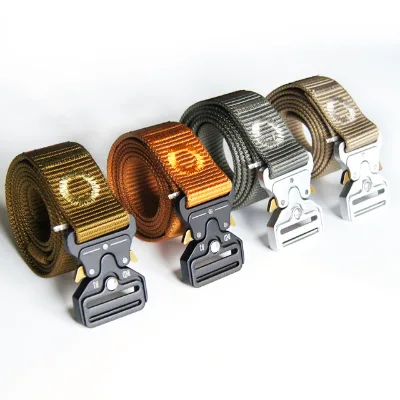
$0.80 - $1.00
MOQ: 2000 pieces

- Verified by CTI
- Trading Company
- China Jiangsu
- Lead time23 days
- Avg. response≤ 6h
Main productsDesert Boots, Hunting Boots, Safety Boots&Shoes, Hiking Shoes, Casual Shoes, Snow Boots, Slippers, Clothing
Main marketsSoutheast Asia/ Mideast,Europe

Wuhan Corhunter Garment Co., Ltd.
- Verified by BV
- Combined
- China Hubei
- Lead time15 days
- Avg. response≤ 10h
Main productsUniform, Jacket, Shirt, Pants, Shorts, Boots, Gloves, Hat, Belt, Camouflage Uniform
Main marketsAfrica,Southeast Asia/ Mideast,North America


$2.50 - $3.00
MOQ: 50 Pieces


Shanghai Sky Industrial Products Co., Ltd
- Verified by SGS
- Trading Company
- China Shanghai
- Lead time30 days
- Avg. response≤ 14h
Main productsMilitary Uniform, Military Boot, Military Backpack, Belt, Buckle, T-Shirt, Badge
Main marketsDomestic


Durable Cheap Tactical Duty Belt Adjustable Heavy Duty Supplies Durable Combat Tactical Belt
$2.00 - $3.00
MOQ: 1000 Pieces


Jiangsu Crown Police Equipment Manufacturing Co., Ltd.
- Verified by SGS
- Combined
- China Jiangsu
- Lead time15 days
- Avg. response≤ 5h
Main productsAnti-Riot Helmet, Anti-Riot Shield, Pepper Spray, Tactical Vest, Helmet, Anti-Riot Suit
Main marketsSouth America,Africa,Southeast Asia/ Mideast,East Asia(Japan/ South Korea),Domestic,Europe,Australia,North America

Wuhan TACEAG Garment Co., Ltd.
- Verified by SGS
- Trading Company,Manufacturer/Factory
- China Hubei
- Lead time23 days
- Avg. response≤ 10h
Main productsUniform, Jacket, Shirt, Pants, Shorts, Boots, Gloves, Hat, Belt, Shoes
Main marketsSouth America,Eastern Europe,Mid East,North America,Southeast Asia,Eastern Asia,Oceania,Western Europe,Africa


Tactical Nylon Belt Outdoor Multifunctional Belt Men Casual Tactical Adjustable Quick Release Belts
$1.80 - $2.58
MOQ: 500 Pieces

Tactical Belt Mrb Modular Rigger's Belt Quick Release Combat Molle Camo Belt
$5.00 - $6.00
MOQ: 500 Pieces






Comprehensive Sourcing Guide
Heavy Duty Tactical Rigger Belt Supplier Concentration and Factory Types
Suppliers of heavy duty tactical rigger belts in the current results cluster in China, with Fujian and Tianjin both represented as sourcing locations. Fujian-based companies in this category tend to combine trading and manufacturing roles, and their broader product lines span military bags, tactical vests, holsters and slings, meaning rigger belts often sit within a wider tactical gear portfolio rather than being a standalone specialty. Tianjin-based companies include group corporations and verified manufacturers whose catalogs extend into bulletproof vests, helmets, body armor, combat boots and riot control equipment, positioning belts as one item in a broader defense and security supply range.
When assessing concentration, distinguish between factory-direct manufacturers, hybrid trading-manufacturers and pure trading companies, since the supplier type label materially affects who controls production quality. Buyers should also note that belt products in these catalogs are frequently grouped under personal defense equipment or fabric belt accessory categories, so searching adjacent keywords such as tactical belt, security belt or duty belt will surface more listings than the rigger belt term alone. If your own market research suggests other clusters outside the locations shown here, treat that as a hypothesis to verify through export records and trade show attendance rather than as confirmed fact, because the evidence available on this page only supports the two Chinese provinces already listed.
How to Verify Heavy Duty Tactical Rigger Belt Suppliers
Begin verification with the credentials a supplier displays and confirm each one independently. In the current results, one Fujian supplier lists system certifications including BSCI, ISO 9001 and SEDEX, and its belt product pages repeat ISO 9001/BSCI/Sedex certification claims. A Tianjin supplier shows ISO 9001 system certification and an independent verification mark from BV. Do not treat displayed badges as proof; request the certificate numbers, the issuing body and the audit scope, then validate them against the certifier's public database, because certificates can lapse or apply only to part of a company's operations.
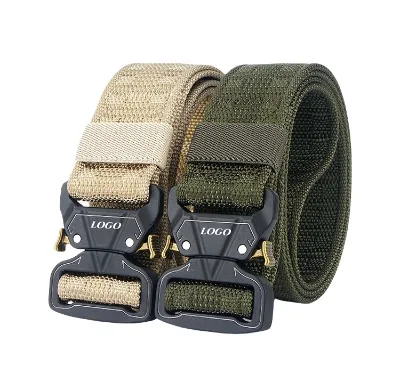
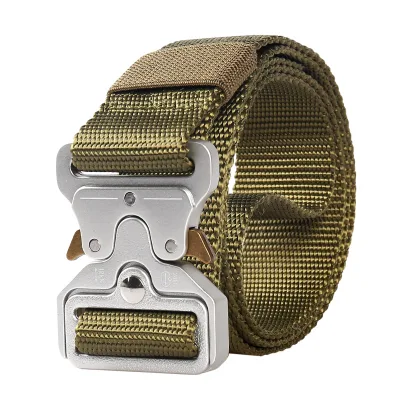
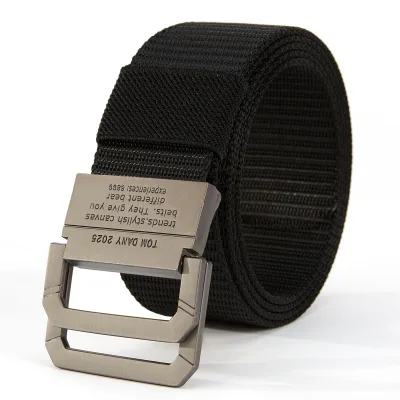
Next, verify the production capability behind the listing. Both suppliers in the evidence indicate OEM and ODM capacity, which suggests custom specification work is possible, but you should confirm this directly by asking for recent belt samples, factory photographs, and the factory audit report rather than the trading office. Check the export side as well: one Tianjin supplier explicitly states an export licence and willingness to apply government or customer logos as required, which matters if you supply institutional buyers. Finally, verify product-level details against your specification — for example, one listing states nylon webbing with plastic double-ring buckles, while another uses alloy buckles with a buckle needle — and confirm materials, stitching density and load testing through physical samples before committing, since catalog attributes are self-reported and untested.
What to Compare Across Heavy Duty Tactical Rigger Belt Suppliers
Build a comparison grid using the attributes suppliers actually display, while remembering that not every supplier shows every field. Useful dimensions from the current results include lead time — one Fujian supplier displays a 45-day lead time, and belt listings mention 30-day arrival or 50-day production windows — and response time, where displayed figures of roughly 6.5 and 7.8 hours offer a signal of communication speed worth testing yourself. Minimum order quantities vary widely across the belt listings: values of 120, 500, 1000, 2000 and 3000 pieces appear, so MOQ is one of the largest practical differentiators when matching suppliers to your order size.
Price per unit also spans a wide range, with listings showing roughly $1.00 to $8.80 per piece, so compare quoted prices only at equivalent specifications, materials and order quantities. Beyond these numbers, compare company type (trading, factory or group corporation), verification status, location and main product focus, since a supplier whose core line is body armor may treat belts differently from a tactical bag specialist. Also compare customization depth: listings differ between accepting customized logos and declining them, and customization availability is stated as available across the sampled products, but scope and cost must be confirmed. Finally, weigh establishment year and escrow availability if displayed, and record which fields are missing so your comparison remains honest about gaps.
Common Heavy Duty Tactical Rigger Belt Sourcing Risks
The most common risk in this category is specification drift between the sample you approve and bulk production. Belt listings here advertise adjustable lengths — for example, one states lengths of 120, 125, 130 and 135 centimeters while another lists 125 centimeters — and buckle hardware described only as alloy or plastic. Alloy and plastic cover many grades, and webbing tensile strength is frequently unstated, so a belt that looks identical can fail a load requirement. Lock specifications into a signed technical datasheet covering webbing material, width, buckle type, stitching pattern and pull-test results, and require a golden sample.
Second, watch for certification and lead-time discrepancies. A listing may claim a 30-day arrival time while the supplier's overall lead time shows 45 days, and certification text on a product page does not guarantee the specific belt passed any audit. Third, logo and customization terms vary — some listings accept customized logos and others explicitly do not — so assuming branding is possible invites order disputes. Fourth, low MOQs on some listings may reflect stock or small pilot runs rather than repeatable production, which risks inconsistent quality across batches. Finally, packing details differ (one lists a specific carton dimension, another a polybag for two belts), so confirm retail-ready packaging requirements early. Mitigate all of these with staged payments, pre-shipment inspection and clear defect definitions in the contract.
Heavy Duty Tactical Rigger Belt Regional Sourcing and Logistics
The evidence on this page places suppliers in Fujian and Tianjin, two Chinese provinces with distinct logistics profiles worth understanding at a general level. Tianjin sits adjacent to one of northern China's major seaports, which can simplify container consolidation for buyers importing by sea, while Fujian's coastal manufacturing base is similarly served by established export ports. Since suppliers in this category present themselves as trading companies, factories or combined operations, clarify with each one whether they arrange export documentation directly or work through a freight forwarder, and whether FOB terms from their nearest port are standard practice for them.
One Tianjin supplier explicitly states an export licence and notes government logo work is available as required, which is relevant if your destination market requires documentation for security-related goods; tactical and defense-adjacent items can attract export control scrutiny in both China and destination countries, so confirm the belt you order is classified for commercial export. Belt products are lightweight and compact — packing specifications in the results show small carton dimensions — which generally makes sea freight economical at scale and air freight viable for samples. Plan lead times realistically: with production windows of 30 to 50 days displayed across listings plus ocean transit, allow several months from order placement to warehouse receipt. Verify customs requirements, labeling rules and any duty classification for textile belts in your market before finalizing incoterms with the supplier.
Heavy Duty Tactical Rigger Belt Commercial Terms and Order Planning
Order planning in this category should start from the MOQ and lead-time data suppliers display, then negotiate outward. The sampled listings show MOQs from 120 to 3000 pieces and unit prices from about $1.00 to $8.80, so a small trial order against a low-MOQ listing is a practical first step before scaling to a higher-MOQ, lower-unit-cost option. One product additionally lists customization as available with OEM/ODM service, while the supplier-level lead time is 45 days; reconcile these figures in writing, because product-page timelines and supplier-level lead times do not always match. Confirm what deposit and balance split the supplier requires and whether escrow or another payment-protection mechanism is available, and treat any arrangement you cannot document as unprotected.
Plan the commercial calendar backward from your stocking date: sample production, sample shipping and approval, bulk production of 30 to 50 days as listed, pre-shipment inspection, and ocean freight. Build in buffer for buckle material sourcing, since alloy hardware may have its own supply cycle. Negotiate tooling or setup costs for custom logos separately from unit price, and agree on re-inspection rights for repeat orders. Finally, define payment currency, price validity period, and who bears freight insurance risk at each handoff. Buyers in this category should anchor every term to the approved specification sheet, since belt construction details are exactly where informal quotes and delivered goods diverge.
FAQs
What is the typical lead time for heavy duty tactical rigger belts?
Lead times vary by supplier, with some offering 30 days arrival and others requiring up to 50 days for production. Specific timelines depend on customization needs and order volume. Buyers should verify exact delivery windows before placing orders to ensure timely receipt of goods.
Do suppliers offer customization for tactical belts?
Yes, many suppliers provide OEM and ODM services allowing for custom designs. Some accept customized logos while others do not. Buyers must check specific product attributes to confirm if logo customization is available for their chosen model before finalizing the purchase agreement.
What certifications do these tactical belt manufacturers hold?
Manufacturers often hold ISO 9001, BSCI, and SEDEX certifications to ensure quality and ethical standards. These credentials verify that production processes meet international requirements. Buyers should request proof of these specific certifications to confirm compliance with their sourcing standards and safety regulations.
What is the minimum order quantity for tactical belts?
Minimum order quantities range from 120 units to 3000 units depending on the specific product model. Lower MOQs are available for certain items, while bulk orders may require higher thresholds. Buyers need to check the specific product details to find the exact MOQ for their needs.
Where are these tactical belt suppliers located?
Suppliers are primarily located in China, specifically in Fujian and Tianjin regions. These locations host both trading companies and manufacturers. Buyers should verify the exact origin of the goods to understand shipping logistics and potential import duties associated with sourcing from these specific Chinese provinces.
What materials are used for the buckles on these belts?
Buckles are commonly made from alloy or plastic materials depending on the specific model. Alloy buckles offer durability while plastic options provide lightweight flexibility. Buyers should review product attributes to select the buckle material that best suits their intended use and durability requirements.
How quickly do suppliers typically respond to inquiries?
Response times vary, with some suppliers averaging around 6.5 hours and others taking up to 7.8 hours. Faster response times indicate better communication channels. Buyers should expect varying reply speeds and plan their communication accordingly to ensure timely coordination with potential suppliers.