Source Waterproof Rubber Wading Suit for Diving Surfing Fishing
Find 30 Waterproof Rubber Wading Suit options from verified Chinese manufacturers. Compare specifications, certifications, and prices for diving, surfing, and fishing applications to select the right gear for your needs; compare the available evidence and request quotations based on your requirements.
Key considerations
Products List


Custom Comfortable Neoprene Waterproof Firefighting Water Rescue Wetsuit
$61.00 - $65.00
MOQ: 10 Pieces

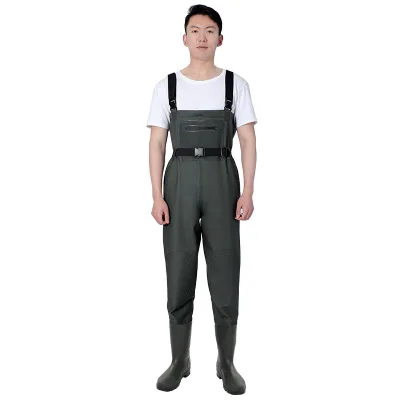
Waterproof Breathable Water Wading Half Length Fishing Suit Chest Waders
$36.00 - $46.00
MOQ: 50 Pieces




Comprehensive Sourcing Guide
Waterproof Rubber Wading Suit Sourcing Guide
Procuring waterproof rubber wading suits requires a nuanced understanding of material science and manufacturing capabilities, particularly when distinguishing between neoprene-based dive suits and heavy-duty rubber chest waders. The market offers a diverse array of products, ranging from lightweight, flexible Lycra-blend suits designed for surfing and triathlon to robust, high-elasticity rubber boots intended for professional fishing and water sports. Buyers must first clarify whether their operational needs prioritize thermal insulation and mobility, as seen in one-piece neoprene styles, or maximum durability and waterproof integrity, as required in chest waders with rubber soles. This distinction dictates the entire sourcing strategy, from supplier selection to technical verification.
The observed product landscape reveals significant variation in customization options, with many manufacturers offering OEM services and non-customized stock items. Attributes such as anti-UV protection, quick-dry features, and breathability are common selling points for active water sports, while features like anti-friction lining are critical for prolonged wear in professional settings. Understanding these functional differences allows procurement teams to align their specifications with the correct product category, ensuring that the final equipment meets the specific environmental demands of the end-users, whether they are recreational divers or industrial workers in wet environments.
Product Scope and Observed Listing Signals
The current market signals indicate a broad spectrum of product types under the waterproof wading category, including specific models like the CL617 neoprene suit and various chest waders with rubber components. Listings frequently highlight key attributes such as pure color patterns, one-piece designs, and specific age groups targeting adults, which simplifies initial filtering but requires deeper verification of material composition. For instance, while some products are explicitly labeled as neoprene with Lycra main materials, others are described as chest waders with rubber shoes, indicating a hybrid construction that blends flexibility with heavy-duty protection. Buyers should carefully examine these material distinctions to avoid mismatches between expected performance and actual product capabilities.
Observed listing data also reveals a wide range of supply types, from standard stock items to fully customized OEM services, with MOQs varying significantly from low quantities for sampling to bulk orders of hundreds of sets per design. The presence of multiple product models, such as QS7867867 and BZ, suggests that manufacturers often maintain diverse inventories to cater to different market segments, from professional equipment users to general water sports enthusiasts. This variability necessitates a rigorous approach to product specification, where buyers must verify not just the visual appearance but the underlying technical standards and packing methods, such as poly bags or cartons, to ensure logistical compatibility with their supply chain requirements.
Technical Specifications to Verify
When evaluating technical specifications, the primary focus should be on the material composition and construction techniques that determine the suit’s waterproof integrity and durability. For neoprene-based suits, verifying the presence of high-elastic threads and specific stitching methods, such as eight-track or overlapping seams, is crucial for preventing water ingress and ensuring flexibility during movement. In contrast, for rubber chest waders, the quality of the rubber sole and the integrity of the zipper and hangtag attachments become the critical failure points. Buyers must request detailed material breakdowns to confirm that the auxiliary materials, including ribbons and zippers, are rated for prolonged submersion and resistance to saltwater corrosion.
Additionally, the fit and sizing standards vary significantly across different product lines, with some manufacturers offering standard sizes from S to 3XL, while others may have limited size ranges. It is essential to verify the specific sizing charts provided by the supplier, as inconsistencies in measurements can lead to poor fit and reduced performance in the field. Furthermore, the application of specific technical features, such as anti-friction linings or breathability enhancements, should be validated through product samples or detailed technical datasheets. These features are not merely aesthetic but play a vital role in user comfort and safety, particularly during extended periods of physical activity in wet conditions.
Compliance and Safety Documentation
Compliance with international safety and environmental standards is a non-negotiable aspect of sourcing waterproof wading suits, particularly for products intended for professional or commercial use. Buyers must verify that suppliers hold relevant certifications, such as CE and ISO marks, which indicate adherence to European and international quality management systems. Additionally, the presence of RoHS compliance is critical for ensuring that the materials used, especially in rubber and synthetic components, are free from hazardous substances that could pose health risks to workers or environmental hazards upon disposal. These certifications serve as a baseline for product safety and should be confirmed through valid, up-to-date documentation from the manufacturer.
Beyond basic certifications, buyers should inquire about specific test results related to waterproof performance and material durability, although such data may not always be publicly listed. It is advisable to request third-party testing reports from recognized bodies like SGS to validate claims regarding water resistance and tensile strength. This due diligence is particularly important for products marketed as professional equipment, where failure can lead to significant safety incidents. Ensuring that the supplier can provide comprehensive compliance documentation not only mitigates legal and liability risks but also enhances the credibility of the final product in the eyes of end-users and regulatory bodies.
Cost Drivers and Commercial Terms
The cost structure of waterproof wading suits is influenced by several key factors, including material quality, customization complexity, and order volume. Products featuring premium materials like high-grade neoprene or specialized rubber compounds typically command higher prices, while those with basic constructions and standard sizes may offer more competitive rates. The observed price range of 3.5 to 65 USD reflects this disparity, with lower-end items likely being simple, non-customized stock products and higher-end items involving complex OEM specifications or specialized features. Buyers should analyze the cost breakdown to understand how much of the price is attributed to material costs versus labor and overhead, ensuring they are paying for genuine value rather than inflated margins.
Commercial terms, including MOQs and payment conditions, also play a significant role in the total cost of ownership. Suppliers with lower MOQs may charge higher unit prices to cover setup costs, while bulk orders can benefit from economies of scale. It is essential to negotiate clear terms regarding shipping, packaging, and potential additional fees for customization or expedited production. Buyers should also consider the long-term implications of these terms, such as the cost of reordering or managing inventory, to ensure that the chosen supplier aligns with their overall procurement strategy and financial constraints.
Supplier Qualification and Quality Control
Supplier qualification is a critical step in ensuring the reliability and consistency of the sourced waterproof wading suits. Buyers should prioritize suppliers with a proven track record in manufacturing water sports equipment, particularly those located in established industrial hubs like Guangdong or Jiangsu in China, where specialized supply chains and expertise are concentrated. Verifying the supplier’s production capacity, quality control processes, and ability to handle custom orders is essential for maintaining product consistency. Requesting references or case studies from previous clients can provide valuable insights into the supplier’s reliability and responsiveness to issues.
Quality control measures should be rigorously enforced throughout the production process, from raw material inspection to final product testing. Buyers should implement a robust QC plan that includes pre-production samples, in-line inspections, and final random inspections before shipment. This proactive approach helps identify and rectify defects early, reducing the risk of receiving substandard products. Additionally, establishing clear communication channels with the supplier for addressing quality concerns ensures that any issues are resolved promptly, maintaining the integrity of the supply chain and protecting the buyer’s brand reputation.
Long-Term Procurement Checks
Long-term procurement success depends on establishing a sustainable relationship with suppliers that prioritizes continuous improvement and adaptability. Buyers should regularly review supplier performance metrics, including on-time delivery rates, product quality consistency, and responsiveness to feedback. This ongoing evaluation helps identify potential risks and opportunities for optimization, such as negotiating better terms or exploring alternative suppliers if performance declines. Maintaining open lines of communication and fostering a collaborative partnership encourages suppliers to invest in innovation and quality enhancements, benefiting both parties in the long run.
Furthermore, buyers should stay informed about emerging trends and technologies in the waterproof wading suit market, such as new materials or manufacturing techniques that offer improved performance or sustainability. Regularly updating procurement specifications and requirements ensures that the sourced products remain competitive and aligned with evolving market demands. By proactively managing supplier relationships and staying ahead of industry developments, buyers can secure a reliable supply of high-quality waterproof wading suits that meet their operational needs and support their business objectives over time.
FAQs
What certifications do the wetsuits have?
The wetsuits carry CE and ISO certifications to ensure safety and quality standards. Some listings also mention RoHS and SGS compliance for specific models. These certifications verify that the products meet international regulatory requirements for materials and manufacturing processes used in the Guangdong region.
Can I customize the wetsuit design?
Customization is available for buyers seeking specific designs or branding options. The product page lists both customized and non-customized options depending on the specific model selected. Buyers should verify the exact customization scope with the supplier before placing an order to ensure requirements are met.
Which materials are used for the wetsuits?
The main material is Lycra, often combined with rubber for specific components like shoes. Auxiliary materials include zippers, high elastic thread, and ribbons to ensure durability and fit. This combination provides the necessary flexibility and waterproof protection required for activities like diving and surfing.
What is the minimum order quantity for these suits?
The minimum order quantity ranges from 2 to 500 sets depending on the specific supplier and design. One listing specifies a requirement of 100 sets per design for customization. Buyers should check the specific product page for the exact MOQ applicable to their selected model and color options.
Where are these wetsuits manufactured?
The products originate from Guangdong, China, with specific mentions of Dongguan and Jiangsu as production locations. These regions are known for their manufacturing capabilities in water sports equipment. The origin information helps buyers assess logistics and potential lead times for international shipping.
What features do the wetsuits offer?
Key features include quick-dry capabilities, anti-UV protection, and breathability to enhance comfort during use. The suits are designed to be non-toxic and waterproof, suitable for various water sports. Additional features like anti-friction properties ensure durability during intense physical activities in aquatic environments.
Which sizes are available for the wetsuits?
Available sizes typically range from Small to 3XL, covering various adult body types. Specific models may offer sizes like S, M, L, XL, and XXL depending on the manufacturer. Buyers should consult the size chart provided on the product page to ensure the correct fit for their intended use.