Source Vitamin C Moisturizing Sunscreen Cream for Retail
Find 30 Vitamin C Moisturizing Sunscreen Cream options from China suppliers. Compare SPF50 and PA+++ formulas with OEM/ODM services, FDA/GMP certifications, and customizable packaging for global distribution; compare the available evidence and request quotations based on your requirements.
Updated
Key considerations
Products List
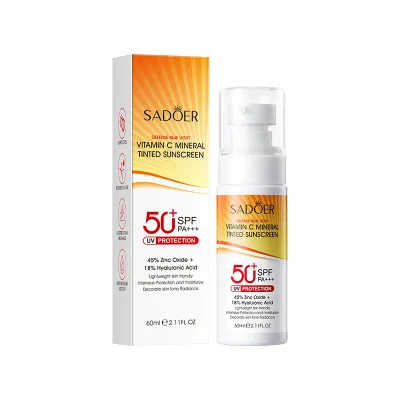




SPF 90 Sunblock Sunscreen Moisturizer Whitening Organic Sunscreen Face Cream
$0.80 - $2.50
MOQ: 1000 Pieces


SPF 50 + Sunscreen Moisturizing Sun Cream Lotion Sunblock Sunscreen for Skin
$0.80 - $2.50
MOQ: 1000 Pieces


Custom Private Label SPF 50 Mineral Sunscreen Cream Whitening Moisturizing
$0.90 - $1.00
MOQ: 10000 Pieces

Hot Sale Moisturizing Sunscreen Cream Whitening Sun Protection SPF 50 Vitamin C
$0.90 - $1.00
MOQ: 10000 Pieces


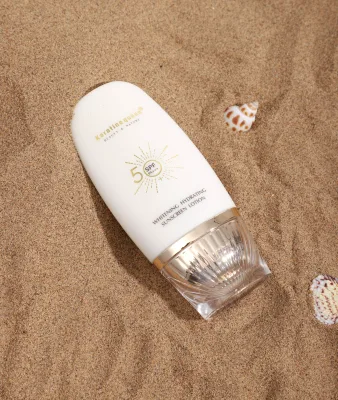
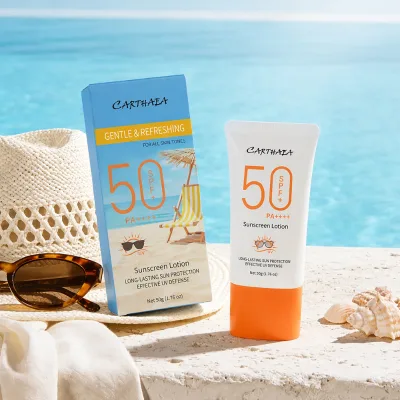
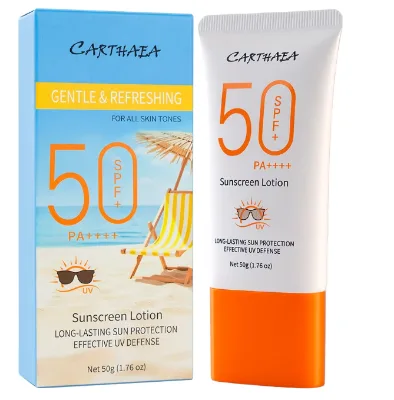
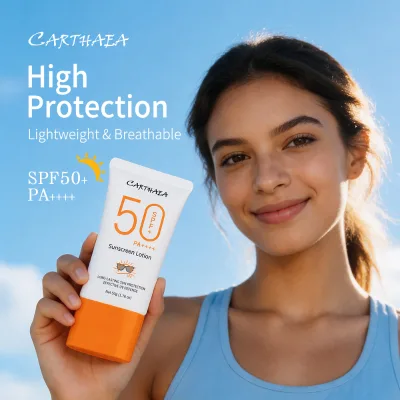


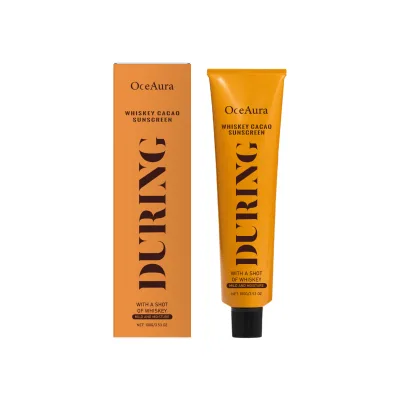
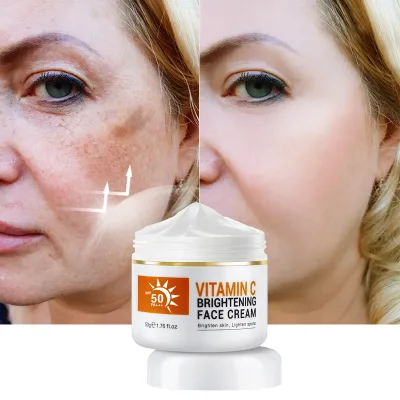

Advanced Brightening & Smoothing Skin Vitamin C Moisturizer & Daily Sunscreen
$1.52 - $2.38
MOQ: 3000 Pieces
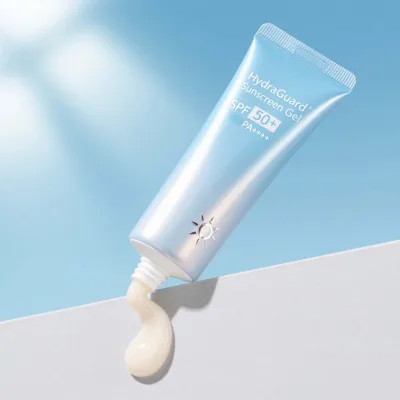
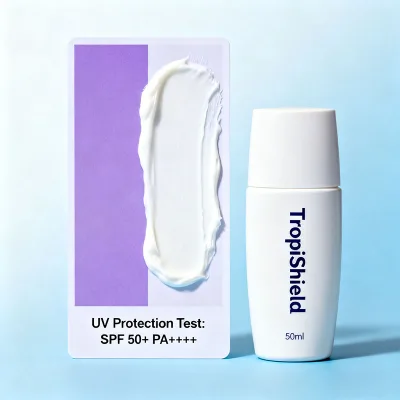


Comprehensive Sourcing Guide
Vitamin C Moisturizing Sunscreen Cream Sourcing Guide
Buyers evaluating this category must first distinguish between formulations that prioritize mineral protection versus those emphasizing chemical absorption, as the supplied data indicates a mix of Zinc Oxide and Ascorbic acid alongside other chemical agents. The observed product listings reveal a specific focus on SPF50 and PA+++ ratings, which are critical for high-UV environments, yet the ingredient lists vary significantly between mineral-only and combined approaches. Procurement teams should verify whether the specific batch they intend to source aligns with their target market's regulatory definition of "mineral" versus "chemical" sunscreens, as the data shows both types are available under similar branding.
Commercial listings for these creams often cite a shelf life of three to four years, but this duration depends heavily on the preservation system used for the Vitamin C, which is prone to oxidation. Sourcing decisions must account for the fact that while some products list a net content of 60ml, others in the same supply chain may offer customizable volumes, requiring precise specification in the purchase order to avoid fulfillment errors. Buyers should treat the "Organic" and "Mineral" descriptors as variable attributes rather than universal guarantees, ensuring that the final contract explicitly defines the required ingredient profile to maintain product integrity during transit.
Product Scope and Observed Listing Signals
The market signals for Vitamin C moisturizing sunscreens indicate a strong preference for OEM and ODM services, allowing brands to customize packaging and labeling while leveraging existing formulations. The observed data highlights a primary product form of cream with a milk-white or white color, though some listings suggest the availability of different colors upon request. This flexibility is essential for buyers seeking to differentiate their private label offerings, but it necessitates a clear agreement on the final aesthetic and texture specifications before production begins.
Procurement teams must navigate a wide range of minimum order quantities, with observed values spanning from 5 units to 30,000 units, reflecting the diverse needs of small startups and large distributors. The supply type is consistently listed as OEM/ODM, meaning the supplier acts as a manufacturer capable of adapting the formula or packaging to the buyer's specific requirements. Buyers should be aware that while the core function remains sun protection, the specific inclusion of ingredients like hyaluronic acid or collagen varies by model, requiring careful selection based on the intended skin type and moisturizing claims.
Technical Specifications to Verify
Technical verification must begin with the SPF and PA ratings, as the observed data confirms a standard of SPF50 and PA+++ for high-performance products in this category. Buyers should request batch-specific test reports to confirm that the stated protection levels are maintained throughout the product's shelf life, particularly given the instability of Vitamin C in aqueous formulations. The single package size is often standardized at 20x5x5 cm for individual units, but the gross weight and volume per carton can vary, impacting logistics planning and shipping cost calculations.
Formulation stability is a critical technical parameter, as the presence of Ascorbic acid and Zinc Oxide requires specific preservation strategies to prevent separation or degradation. The observed shelf times of three to four years suggest robust preservation systems, yet buyers must verify the specific storage conditions required to maintain this longevity. Additionally, the product form is consistently listed as cream, but the viscosity and spreadability can differ between models like YMJ353 and BVC-03, necessitating physical sampling to ensure the texture meets consumer expectations for a moisturizing sunscreen.
Compliance and Safety Documentation
Regulatory compliance is a primary concern, as the observed listings cite certifications including FDA, GMP, MSDS, CE, and EEC, indicating a broad range of potential market approvals. Buyers must verify that the specific certification documents provided correspond to the target export market, as FDA approval does not automatically equate to compliance with EU or Asian regulations. The presence of multiple certifications suggests a supplier with a mature quality management system, but the buyer should request the actual certificates for the specific production batch to ensure validity.
Safety data sheets (MSDS) are essential for determining the safe handling and transport of the product, particularly given the chemical nature of some sunscreen agents. The observed data lists ingredients such as Ascorbic acid, Zinc Oxide, and Hyaluronic acid, which generally have established safety profiles, but the specific concentration and interaction of these components must be documented. Buyers should ensure that the supplier provides a complete MSDS that covers all ingredients, including any preservatives or fragrances, to facilitate customs clearance and regulatory filing in the destination country.
Cost Drivers and Commercial Terms
Cost structures in this category are heavily influenced by the customization level, with private label services and specific ingredient profiles driving up the unit price. The observed price range of 0.6 to 5.17 USD reflects the variance between basic formulations and those with added value ingredients like collagen or specialized moisturizers. Buyers should analyze the cost per unit against the MOQ, as higher volumes often unlock lower pricing tiers, but the initial investment for custom packaging and labeling can be significant.
Payment terms and logistics costs are also key commercial factors, with suppliers offering options like PayPal, Western Union, and TT, alongside various shipping methods including DHL, FedEx, and sea freight. The lead time is typically noted as 3-7 days for standard orders, but custom production may extend this period, requiring careful planning to avoid stockouts. Buyers must factor in the shipping weight, which is listed as 120g per unit or 32kg per carton, to accurately calculate the total landed cost and ensure the chosen shipping method aligns with their budget and delivery timeline.
Supplier Qualification and Quality Control
Supplier qualification should focus on their ability to manage the complex supply chain of active ingredients like Vitamin C and Zinc Oxide, which require strict quality control to prevent oxidation. The observed data indicates that suppliers offer OEM/ODM services, but buyers must verify the supplier's capacity to maintain consistent quality across different batches, especially when customizing formulas or packaging. A robust quality control process should include raw material testing, in-process checks, and final product analysis to ensure the SPF and PA ratings remain consistent.
Quality control protocols must also address the physical integrity of the product during transit, as the single package size and gross weight suggest potential risks of damage if not properly packed. The observed packing specifications of 59cm35cm47cm for 288 pieces per carton provide a baseline, but buyers should request photos or samples of the actual packaging to ensure it meets their durability standards. Additionally, the supplier's ability to handle returns or defects should be clearly defined in the contract, as the perishable nature of cosmetic ingredients can lead to quality issues if storage conditions are not strictly controlled.
Long-Term Procurement Checks
Long-term procurement success depends on establishing a reliable supply chain that can adapt to changing market demands and regulatory requirements. Buyers should conduct regular audits of the supplier's production facilities to ensure they maintain the necessary certifications and quality standards over time. The observed shelf life of three to four years is a key metric, but buyers must monitor the actual performance of the product in the market to ensure it meets consumer expectations for longevity and efficacy.
Continuous communication with the supplier is essential to stay informed about any changes in ingredient availability or formulation technology that could impact the product. The observed data shows a variety of models and specifications, indicating a dynamic supply chain that can offer new solutions as the market evolves. Buyers should maintain a strategic relationship with the supplier to leverage their expertise in customization and innovation, ensuring that their product line remains competitive and compliant with future regulatory changes.
FAQs
What are the main ingredients in this sunscreen cream?
The product contains Vitamin C, Zinc Oxide, Ascorbic acid, hyaluronic acid, and Collagen. It is formulated as a mineral and organic blend to provide broad-spectrum protection while moisturizing the skin effectively for all skin types.
Can I get private label service for this sunscreen?
Yes, OEM and ODM private label services are available. The supplier accepts customization for branding and packaging, allowing buyers to create unique product identities while leveraging the established formulation and manufacturing capabilities of the factory.
What is the shelf life of the Vitamin C sunscreen?
The shelf time is typically 3 years, though some listings indicate a usage storage life of 4 years. Buyers should verify the specific expiration details with the supplier to ensure compliance with their regional regulatory requirements.
What certifications does the manufacturer hold for this product?
The product holds FDA, GMP, MSDS, CE, and EEC certifications. These credentials ensure that the manufacturing process meets international safety and quality standards, providing assurance for buyers importing the sunscreen cream into regulated markets.
What is the minimum order quantity for this sunscreen cream?
The MOQ ranges from 5 to 30,000 units depending on the specific supplier and customization level. Some sources list an MOQ of 288 pieces, while others allow smaller trial orders, offering flexibility for different business scales.
How long is the delivery time for bulk orders?
Normal delivery time is 3-7 days for standard shipments. For larger bulk orders requiring production, lead times may vary. Buyers should confirm exact timelines with the supplier based on the order volume and shipping method selected.