Source Waterproof Digital Printing Inflatable Tent for Exhibitions, Events, and Rescue
Explore 30 listings for a Waterproof Digital Printing Inflatable Tent suitable for exhibitions, outdoor events, and emergency rescue. Buyers can compare customization options, inflation methods, and material specifications to find the right supplier.
Key considerations
Products List


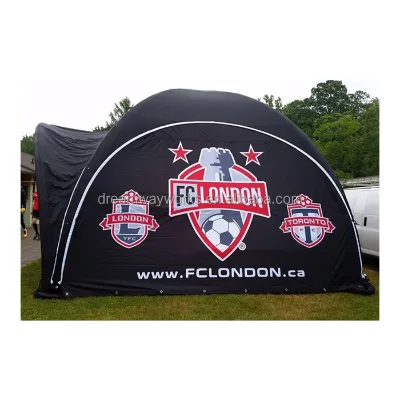
Oxford Waterproof Show Tent, Quick Inflation and Printable Surface Inflatable Tent.
$349.00 - $899.00
MOQ: 1 Pieces



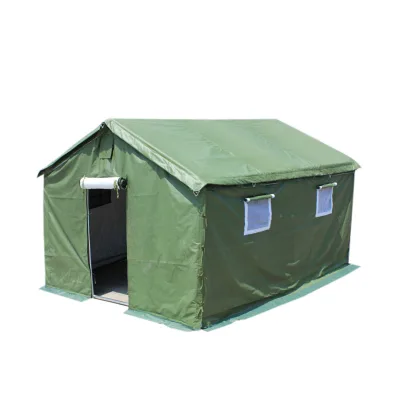
Waterproof Inflatable Tent Outdoor Tente De Camping Inflatable Camping Tent
$73.00 - $75.00
MOQ: 2 Pieces



Comprehensive Sourcing Guide
Strategic Sourcing Guide for Waterproof Digital Printing Inflatable Tents
Understanding Technical Specifications and Material Composition
When sourcing a Waterproof Digital Printing Inflatable Tent, the primary objective is to align technical specifications with the intended operational environment. The product landscape for these structures is defined by specific material compositions and structural designs that dictate durability and performance. Based on available product data, the core fabric materials often cited include waterproof polyester-cotton fabric and reinforced PVC air beams. These materials are selected to ensure the structure maintains integrity under varying weather conditions while providing the necessary rigidity for the inflatable frame.
The structural integrity of these tents relies heavily on the inflation method employed. Buyers must distinguish between systems powered by electric air pumps and those utilizing manual air pumps. Electric pumps are generally preferred for rapid deployment in large-scale events, whereas manual pumps offer portability and independence from power sources for smaller or remote applications. The standard dimensions observed in the market vary significantly, with specific models noted at 550280215cm and others reaching 300300220cm. These dimensions are critical for space planning and logistics.
A key technical differentiator is the customization capability. The market offers fully customizable branding options, allowing buyers to print logos and messages directly onto the fabric. This is achieved through digital printing craftsmanship, which ensures high-resolution graphics and vibrant colors. The shape of the tent is also a variable; options include standard columns, pillars, tubes, and square tops. The ability to customize the shape allows for unique architectural designs that can serve as eye-catching focal points at exhibitions or sports events. Furthermore, the inclusion of stability measures, such as ropes, is essential for securing the structure against wind loads, particularly in outdoor environments.
Compliance, Certification, and Safety Standards
Navigating the compliance landscape for inflatable structures requires a rigorous approach to verifying safety standards and certifications. While specific certification data such as CE or EN14960 may appear in general market discussions, buyers must treat these as verification points rather than guaranteed attributes of every listed product. The procurement process should explicitly demand evidence of compliance with relevant safety standards for the target market.
The product attributes indicate that fireproof capabilities are a standard feature for many inflatable tents. This is a critical safety requirement for indoor venues and crowded outdoor events. Buyers should request specific test reports that validate the fire-retardant properties of the fabric and the air beams. Similarly, the waterproof nature of the tent is a primary performance claim. While the product data lists "Waterproof" as a key function, the specific rating or testing standard (e.g., hydrostatic head pressure) should be verified with the supplier to ensure the tent can withstand heavy rain without leakage.
UV protection is another vital compliance aspect, especially for tents intended for prolonged outdoor exposure. The digital printing process must utilize inks and substrates that resist UV degradation to prevent fading and material brittleness over time. Buyers should inquire about the specific UV resistance ratings of the materials used. Additionally, the stability of the structure is often tied to the quality of the inflation system and the anchoring methods provided. The presence of ropes as a stability measure suggests a design that relies on tensioning, but the strength and durability of these ropes must be confirmed.
Cost Drivers and Pricing Variables
The pricing of waterproof digital printing inflatable tents is influenced by a complex interplay of factors, including material quality, customization complexity, and order volume. The observed price range in the market spans from $8.2 to $899, indicating a significant variance based on the specific configuration and scale of the order. This wide range suggests that entry-level models may be simple, small-scale units, while higher-priced items likely represent larger, more complex structures with advanced features.
Material costs are a primary driver. The use of reinforced PVC air beams and specialized waterproof polyester-cotton fabrics generally commands a higher price point compared to standard PVC or lower-grade textiles. The complexity of the digital printing also affects cost. Fully customizable branding, which involves creating unique graphics and printing them across large surface areas, requires additional setup and production time. The more intricate the design and the larger the surface area, the higher the unit cost.
Order volume plays a crucial role in pricing dynamics. The minimum order quantity (MOQ) observed ranges from 1 to 300 units. Buyers purchasing a single unit for a specific event will likely face a higher per-unit cost compared to those placing bulk orders for a fleet of tents. Bulk orders often benefit from economies of scale in material procurement and production efficiency. Additionally, the packaging requirements influence the final cost. Tents packed in carton boxes for compact storage and easy transport may incur higher packaging costs than those shipped in bulk rolls, but they offer better protection during transit.
Typical Applications and Operational Environments
Waterproof digital printing inflatable tents are versatile solutions designed for a wide array of applications, ranging from commercial advertising to emergency relief. The product data highlights several key usage scenarios, including exhibitions, outdoor events, sports events, and entertainment activities. In these contexts, the tents serve as temporary shelters, branding platforms, or functional spaces that can be quickly deployed and dismantled.
The ability to customize the shape and branding makes these tents ideal for corporate marketing campaigns. Companies can create unique column or pillar structures that display their logos prominently, drawing attention in crowded exhibition halls or outdoor festivals. The digital printing capability allows for high-impact visuals that are resistant to fading, ensuring the brand message remains clear throughout the event.
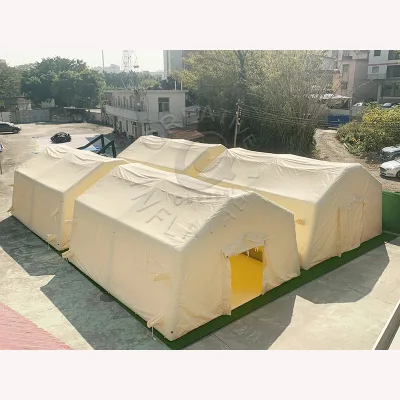
Beyond commercial use, these tents have significant utility in emergency rescue and relief operations. The waterproof and fireproof attributes make them suitable for use as temporary shelters in disaster zones where rapid deployment is critical. The "Bunker Inflatable Tent" model, for instance, is noted for its suitability in emergency rescue scenarios. The inclusion of transparent windows and single or double door designs enhances functionality, allowing for ventilation and easy access for personnel and supplies.
For camping and beach applications, the tents offer a lightweight and portable alternative to traditional structures. The compact packed dimensions, such as 90cm40cm40cm or 755545cm, facilitate easy transport and storage. The inclusion of a carry bag, repair kit, and peg pack in the packaging items further supports their use in recreational settings where self-sufficiency is valued.
Supplier Evaluation and Selection Criteria
Selecting the right supplier for inflatable tents requires a thorough evaluation of their capabilities, reliability, and product quality. Buyers should prioritize suppliers who demonstrate transparency in their manufacturing processes and provide detailed product specifications. The origin of the products is a relevant factor, with many listings indicating production in China, specifically in regions like Jiangsu. While the origin itself does not guarantee quality, it helps in understanding the supply chain logistics and potential lead times.
One of the most critical evaluation criteria is the supplier's ability to handle customization. Buyers should assess the supplier's digital printing capabilities to ensure they can meet specific design requirements without compromising on print quality or color accuracy. The supplier should also be able to provide samples or detailed technical drawings before production begins.
The supplier's track record in delivering products that meet safety and performance standards is equally important. Buyers should request references or case studies from previous clients, particularly those in similar industries or with similar application requirements. The supplier's response to inquiries regarding certifications, material safety, and structural integrity is a strong indicator of their professionalism and reliability.
Additionally, the supplier's packaging and logistics capabilities should be evaluated. The product data mentions packaging in carton boxes for compact storage, which suggests a focus on protecting the product during transit. Buyers should confirm that the supplier uses appropriate packaging to prevent damage and ensure the tents arrive in perfect condition. The inclusion of all necessary accessories, such as pumps, pegs, and repair kits, in the package is also a sign of a comprehensive supplier.
Quality Control and Long-Term Procurement Considerations
Implementing a robust quality control (QC) process is essential to ensure that the purchased inflatable tents meet the required standards. Buyers should establish clear QC checkpoints that cover material inspection, printing quality, and structural testing. For the fabric, this involves verifying the waterproof rating and the strength of the seams. For the printing, it includes checking for color consistency and adhesion to the fabric.
Long-term procurement considerations extend beyond the initial purchase. Buyers should evaluate the durability and lifespan of the tents, particularly if they plan to use them repeatedly. The quality of the inflation system and the stability measures, such as ropes, will impact the longevity of the structure. Regular maintenance and proper storage are also critical. The product data indicates that tents are packed in carton boxes for compact storage, which helps in preserving the material. However, buyers should ensure that the storage environment is dry and free from extreme temperatures to prevent material degradation.
The availability of spare parts and repair kits is another important factor for long-term procurement. The inclusion of a repair kit in the package items suggests that minor damages can be addressed on-site. However, buyers should verify the availability of replacement parts, such as air beams or fabric patches, for more significant repairs. This ensures that the investment in the tents is protected over time.
Finally, buyers should consider the scalability of their procurement strategy. As business needs evolve, the ability to order additional units or customize new designs becomes crucial. A supplier that offers flexible MOQs and responsive customer service will be better positioned to support long-term growth. By focusing on these quality control and long-term considerations, buyers can secure a reliable supply of high-performance inflatable tents that meet their operational needs.
Summary of Key Product Attributes
To facilitate quick reference during the sourcing process, the following table summarizes the key attributes observed in the market for waterproof digital printing inflatable tents.
| Attribute Category | Specific Details |
|---|---|
| Material Composition | Waterproof Polyester-Cotton Fabric, Reinforced PVC Air Beams |
| Inflation Method | Electric Air Pump, Manual Air Pump |
| Dimensions | Varies: 550280215cm, 300300220cm, 8m² Deployed Area |
| Packaging | Carton Box, Compact Storage, Includes Pump/Pegs/Repair Kit |
| Customization | Fully Customizable Branding, Digital Printing, Custom Shapes |
| Key Functions | Waterproof, Fireproof, UV Protection |
| Applications | Exhibitions, Outdoor Events, Emergency Rescue, Camping |
| Origin | China (including Jiangsu region) |
| Stability | Ropes, Anchoring Systems |
This summary provides a concise overview of the critical factors that buyers should consider when evaluating potential suppliers and products. By focusing on these attributes, procurement teams can make informed decisions that align with their specific project requirements and budget constraints.
FAQs
How are these tents customized for branding?
Branding is fully customizable with digital printing to add your logo and messages. This process uses high-resolution graphics on waterproof polyester-cotton fabric or PVC air beams for vibrant, durable results suitable for exhibitions and events.
What inflation methods are available for these tents?
Tents utilize either electric air pumps for rapid deployment or manual air pumps for portability. The choice depends on your power availability and the scale of the event, ensuring flexibility for both large outdoor festivals and remote emergency rescue operations.
Which dimensions are standard for these inflatable structures?
Standard deployed dimensions include 550 by 280 by 215 centimeters and 300 by 300 by 220 centimeters. Custom sizes are also available, allowing you to select the perfect footprint for specific venue requirements or advertising displays.
Can these tents be used in emergency rescue scenarios?
Yes, these tents are designed for emergency rescue, relief, and camping applications. They feature fireproof, waterproof, and UV protection capabilities to ensure safety and durability in harsh weather conditions during disaster response or outdoor activities.
What is the typical packaging for these inflatable tents?
Products are packed in carton boxes for compact storage and easy transport. This packaging method protects the tent and includes necessary accessories like pumps, pegs, and repair kits to ensure the unit is ready for immediate deployment upon arrival.
Which shapes can be customized for these inflatable columns?
Shapes are customizable and include standard columns, pillars, tubes, and square tops. This flexibility allows you to create unique architectural designs that serve as eye-catching focal points for corporate branding or entertainment activities at various events.
How is stability ensured for outdoor inflatable tents?
Stability is ensured through the use of ropes as primary stability measures. These ropes secure the structure against wind loads, making the tent safe for outdoor environments like sports events and exhibitions where wind resistance is critical for safety.