Find Waterproof Eco-Solvent Ink for Outdoor, Vehicle, and Signage
Source 30 verified listings for waterproof eco-solvent ink suitable for outdoor signage, vehicle graphics, and large format printing. Buyers can compare solvent-based and water-based options from Guangdong suppliers with varying MOQs and delivery times.
Key considerations
Products List
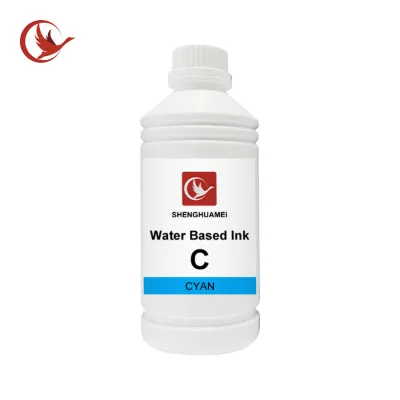
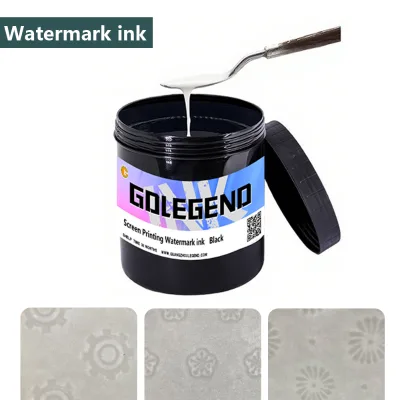


$0.50 - $0.55
MOQ: 1000 Square Meters


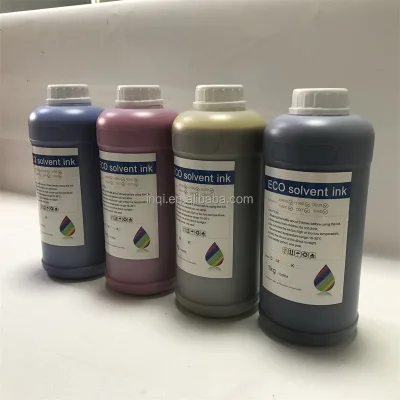


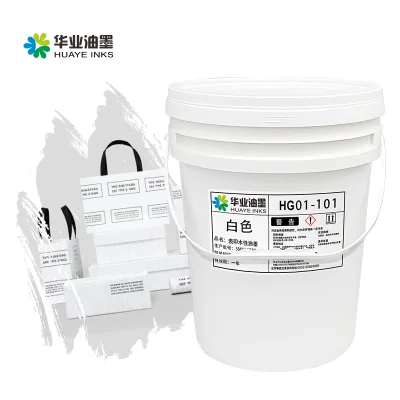

Comprehensive Sourcing Guide
Strategic Sourcing Guide for Waterproof Eco-Solvent Ink Procurement
Understanding Technical Specifications and Ink Chemistry
When sourcing waterproof eco-solvent ink, the primary objective is to identify a product that balances environmental compliance with high-performance durability. The supplied product data indicates a diverse landscape of ink chemistries, ranging from solvent-based formulations to water-based and pigment-type bases. A critical observation from the available market data is the presence of "Solvent Based Ink" and "Eco Solvent" variants, alongside "Water Based Ink" options. Buyers must carefully distinguish between these categories, as the term "eco-solvent" often implies a lower VOC (Volatile Organic Compound) profile compared to traditional solvent inks, yet the specific chemical composition can vary significantly between suppliers.
The technical performance of the ink is heavily dependent on the drying mechanism. The provided facts highlight "Heat Curing" as a specific drying method for certain models, such as the TX150. This suggests that for optimal adhesion and waterproofing, the printing process may require integrated heating elements or post-print curing stations. Furthermore, the viscosity of the ink is listed as a key performance metric. Viscosity directly impacts print head compatibility, droplet formation, and the ability of the ink to penetrate or sit on the surface of the substrate. Buyers should verify that the viscosity specifications of the ink match the mechanical tolerances of their specific digital or screen printing equipment.
Color stability and base composition are equally vital. The data mentions "Pigment Type" as a color base, which generally offers superior lightfastness and water resistance compared to dye-based inks. This aligns with the core requirement for "waterproof" applications. Additionally, the "Feature: Anti-counterfeiting" observed in some listings indicates that certain formulations may include specialized chemical markers or optical properties designed for security printing. When evaluating technical specifications, procurement teams must ensure that the ink's compatibility with the intended substrate, such as the "100% Polyester" or "Synthetic Paper" mentioned in the data, is explicitly confirmed by the supplier.
Compliance, Certification, and Environmental Standards
In the global B2B market, compliance with environmental and safety standards is a non-negotiable aspect of sourcing eco-solvent inks. While the supplied facts do not list specific certification bodies (such as UL, CE, or REACH), the presence of "Eco Solvent" in the product description implies a formulation intended to meet stricter environmental regulations than traditional solvent inks. Buyers must treat the "Eco" designation as a claim that requires verification rather than an automatic guarantee of compliance.
The sourcing process should include a rigorous request for documentation regarding the ink's chemical safety data sheets (SDS). These documents are essential for verifying the absence of hazardous substances and ensuring the ink meets the safety standards of the destination market. Since the data notes "Place of Origin: Guangdong, China" and "prod_origin: China," buyers should be aware that manufacturing standards can vary between facilities. It is imperative to request proof of compliance with international standards relevant to the buyer's region, such as the European Union's REACH regulation or the US EPA guidelines.
Furthermore, the "Feature: Anti-counterfeiting" aspect introduces a layer of regulatory complexity. If the ink is intended for security applications, it may need to meet specific government or industry standards for authentication. Buyers should inquire whether the ink formulation is registered or approved for use in specific security sectors. The "Quality: A" designation found in the product attributes suggests a tiered quality system, but without a defined standard, this label is subjective. Procurement teams must define their own quality benchmarks and require suppliers to demonstrate how their products meet these benchmarks through third-party testing or internal quality assurance protocols.
Cost Drivers and Pricing Structure Analysis
The pricing structure for waterproof eco-solvent ink is influenced by several dynamic factors, including raw material costs, packaging specifications, and order volume. The observed price range in the market data spans from $0.3 to $1590 USD, a variance that reflects the difference between small sample units and bulk industrial shipments. The "MOQ: 1KG" indicates that suppliers are flexible with entry-level orders, allowing buyers to test formulations without committing to large inventories. However, the "MOQ range: 1-4000" suggests that larger orders may trigger different pricing tiers or shipping constraints.
Packaging plays a significant role in the final cost. The data lists various packaging types, including "Carton Box," "Carton/Barrel," and specific weights like "1KG/5KG." The "Single gross weight: 1.5 kg" and "Single package size: 10X10X10 cm" provide a baseline for logistics planning. Buyers must calculate the total landed cost, which includes the unit price, shipping fees, and potential customs duties. The "SHIPPING: FEDEX" mention indicates that express courier services are available, which may increase costs for small orders but reduce lead times. For larger volumes, sea freight or rail transport might be more economical, though the "Delivery: 5-7 Working Days" suggests a focus on expedited logistics for standard orders.
Customization is another cost driver. The "Customization: Available" attribute implies that buyers can request specific color formulations, viscosity adjustments, or packaging modifications. While this adds value, it typically incurs additional setup fees and may increase the minimum order quantity. Buyers should weigh the benefits of a tailored solution against the potential cost premium and longer lead times associated with custom production runs.
Typical Applications and Substrate Compatibility
The versatility of waterproof eco-solvent ink makes it suitable for a wide array of applications, from general printing to specialized security and decorative uses. The "Application: Printing" is a broad category, but the specific features listed, such as "Waterproof: Yes" and "Feature: Anti-counterfeiting," point towards high-value use cases. These include outdoor signage, vehicle wraps, and security labels where resistance to moisture, UV exposure, and physical abrasion is critical.
Substrate compatibility is a primary consideration for application success. The data highlights "Synthetic Paper," "PVC" (Polyvinyl Chloride), and "100% Polyester" as compatible materials. The "Coating Material: PVC" and "Coating Side: Single Side" details suggest that the ink is often used on coated substrates to enhance adhesion and color vibrancy. The "Gloss: Matte Paper" and "Decorative Pattern: Matt Coated Paper" attributes indicate that the ink can produce a range of finishes, from matte to glossy, depending on the substrate and printing process.
The "Printing Type: Screen Printing" and "Digital printing" options found in the data suggest that the ink is adaptable to different printing technologies. Digital printing is ideal for short runs and high-detail graphics, while screen printing may be preferred for larger volumes or specific texture effects. Buyers should ensure that the ink's viscosity and drying characteristics are optimized for their specific printing method. For instance, the "Heat Curing" requirement implies that digital printers must be equipped with appropriate drying units to achieve the desired waterproof performance.
Supplier Evaluation and Vendor Selection Criteria
Selecting the right supplier is critical to ensuring consistent quality and reliable supply chain performance. The "Brand Name" field in the data shows multiple entries, including "SHM" and "GDLEGEND," indicating a competitive market with various manufacturers. Buyers should evaluate suppliers based on their technical capabilities, production capacity, and track record. The "Place of Origin: Guangdong, China" is a common location for ink manufacturing, but buyers should verify the specific factory's capabilities and quality control measures.
Key evaluation criteria should include the supplier's ability to provide technical support, such as troubleshooting print head clogs or optimizing ink-substrate adhesion. The "Customization: Available" feature is a strong indicator of a supplier's flexibility and willingness to collaborate on product development. Buyers should also assess the supplier's inventory management and ability to meet delivery timelines, especially given the "Delivery: 5-7 Working Days" expectation.
Transparency is another crucial factor. Suppliers should be willing to share detailed product specifications, safety data, and compliance documentation. The "Quality: A" designation is a positive signal, but buyers should request evidence of quality control processes, such as batch testing records or ISO certifications. Additionally, the "Selling Units: Single item" suggests that suppliers are open to small trials, which is beneficial for validating product performance before committing to large orders.
Quality Control and Long-Term Procurement Considerations
Implementing a robust quality control (QC) strategy is essential for maintaining the integrity of the printing process and the final product. The "Performance: Viscosity" and "Ink Drying: Heat Curing" attributes highlight the need for precise monitoring of ink properties. Buyers should establish a QC protocol that includes regular viscosity checks, color density measurements, and adhesion tests. The "Waterproof: Yes" claim must be validated through standardized testing, such as water immersion or spray tests, to ensure the ink meets the required durability standards.
Long-term procurement considerations involve building a sustainable relationship with suppliers that can adapt to changing market demands. The "Customization: Available" and "Feature: Anti-counterfeiting" attributes suggest that the market is evolving towards more specialized and secure solutions. Buyers should plan for future needs by maintaining open communication with suppliers and staying informed about new ink formulations and technologies.
Inventory management is also a key consideration. The "MOQ: 1KG" allows for flexible ordering, but buyers should balance this with the need to maintain sufficient stock to avoid production disruptions. The "prod_packing: 50m/Roll" and "prod_standard: 0.914/1.07/1.27/1.52*50m" details indicate that roll-based packaging is common, which may influence storage requirements and handling procedures.
Comparative Analysis of Ink Formulations
To aid in decision-making, the following table summarizes the key attributes of the ink types observed in the market data. This comparison helps buyers understand the trade-offs between different formulations and select the most suitable option for their specific needs.
| Attribute | Solvent Based Ink | Eco Solvent Ink | Water Based Ink |
|---|---|---|---|
| Primary Feature | High durability, fast drying | Lower VOC, good adhesion | Environmentally friendly |
| Drying Method | Air or Heat | Heat Curing | Heat Curing |
| Substrate | PVC, Synthetic Paper | Polyester, Synthetic Paper | Various (requires coating) |
| Waterproof | Yes | Yes | Yes (if cured properly) |
| Color Base | Pigment Type | Pigment Type | Pigment Type |
| Typical MOQ | 1KG | 1KG | 1KG |
| Lead Time | 5-7 Working Days | 5-7 Working Days | 5-7 Working Days |
This table illustrates that while all three types offer waterproof capabilities and pigment-based color bases, the drying methods and substrate compatibilities differ. Buyers should align their choice with their specific printing equipment and application requirements.
Final Procurement Recommendations
In conclusion, sourcing waterproof eco-solvent ink requires a meticulous approach that balances technical specifications, compliance, cost, and supplier reliability. Buyers should prioritize suppliers who offer transparent documentation, flexible customization options, and a proven track record of quality. By carefully evaluating the factors outlined in this guide, procurement teams can secure a supply chain that supports high-performance printing applications while meeting environmental and safety standards. The diverse range of options available in the market, from "1KG" units to "4000" MOQ bulk orders, provides ample opportunity for strategic sourcing that aligns with specific business needs.
FAQs
What ink types are available for waterproof applications?
Available options include solvent-based, eco-solvent, and water-based inks. Some formulations feature pigment bases for superior water resistance and anti-counterfeiting capabilities suitable for synthetic paper or PVC substrates.
How is the ink dried during the printing process?
Certain models require heat curing to achieve optimal adhesion and waterproof performance. Buyers must ensure their printing equipment includes integrated heating elements or post-print curing stations to meet these technical requirements.
Which substrates are compatible with this waterproof ink?
The ink is compatible with synthetic paper, PVC, and 100% polyester materials. It works effectively on single-side coated surfaces to ensure durability and vibrant matte or glossy finishes depending on the specific product model.
Can I order small quantities for testing purposes?
Yes, suppliers offer flexible minimum order quantities starting from 1 kilogram. This allows buyers to test viscosity and adhesion without committing to large industrial volumes before scaling up production runs.
What customization options are available for the ink?
Customization is available for specific color formulations, viscosity adjustments, and packaging modifications. Buyers should note that tailored solutions may incur additional setup fees and require longer lead times compared to standard stock items.
How long does delivery typically take from China?
Standard delivery times range from 5 to 7 working days from Guangdong, China. Express shipping via services like FedEx is available for urgent orders, though bulk shipments may utilize different logistics methods.
What packaging formats are used for the ink?
Ink is supplied in various formats including carton boxes, barrels, and rolls of 50 meters. Single package sizes are often around 10x10x10 cm with a gross weight of 1.5 kg for standard units.