Source Waterproof Electric Eyelash Curler for Salon, Home, Travel
Compare 30 Waterproof Electric Eyelash Curler options from verified suppliers. This selection includes manual and battery-driven models with customizable features for professional and personal use. Explore various materials like plastic and stainless steel, along with different drive types to find the best fit for your needs.
Key considerations
Products List


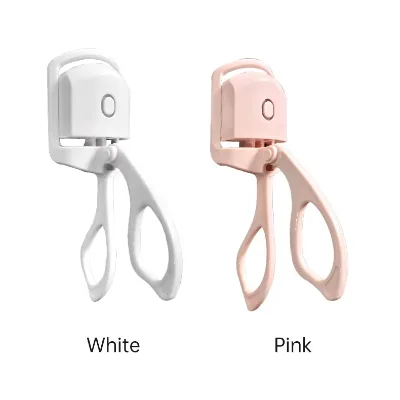
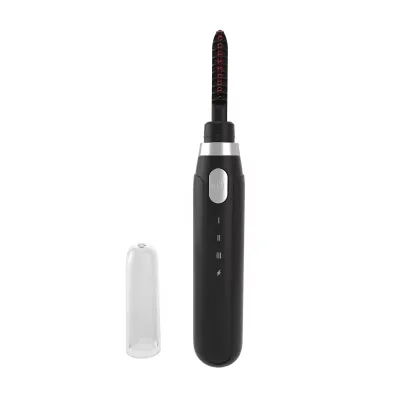
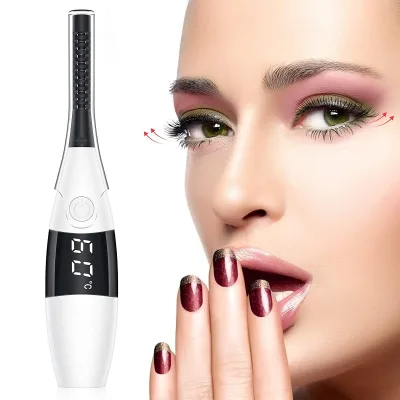
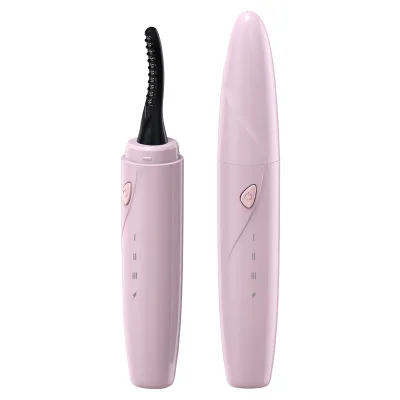
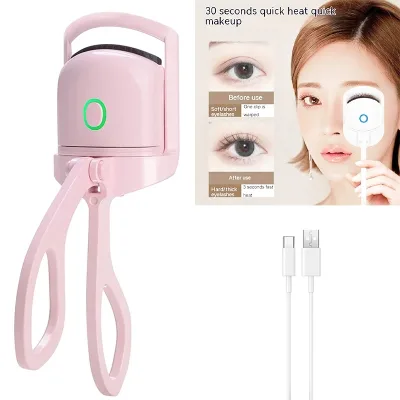
Intelligent Temperature Control Heating Rechargeable Electric Eyelash Curler
$2.96 - $3.14
MOQ: 500 Pieces






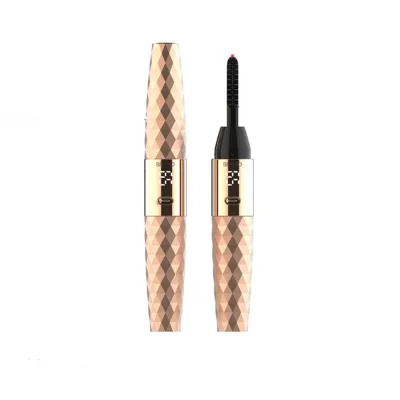
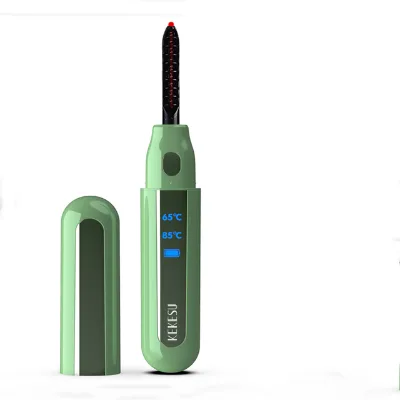
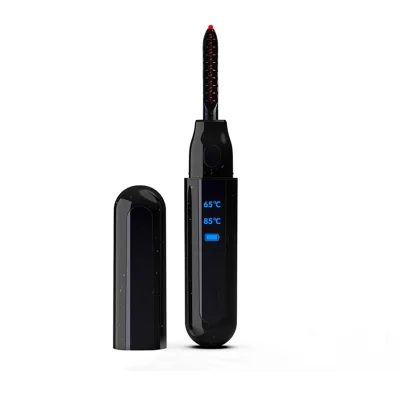
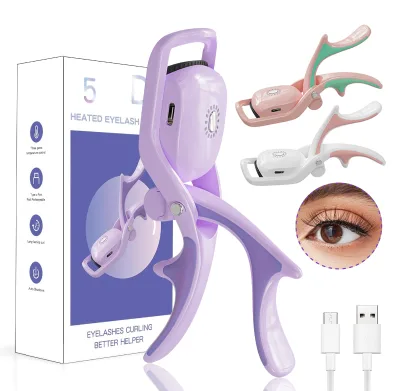


Comprehensive Sourcing Guide
Waterproof Electric Eyelash Curler Sourcing Guide
Sourcing waterproof electric eyelash curlers requires a nuanced understanding of both the electrical components and the cosmetic application mechanics. Buyers must recognize that while the core keyword emphasizes water resistance, the actual product listings reveal a diverse range of drive types, including manual, battery, and electrical options. This variation suggests that "waterproof" may refer to the casing material rather than full submersibility, necessitating careful verification of IP ratings. The observed market includes models like the Electric Eyelash Curler-082P and YDQ-0148, indicating a broad spectrum of functionalities. Procurement teams should prioritize suppliers who clearly distinguish between splash-proof and fully waterproof designs to prevent product returns due to user misuse or environmental exposure.
The target audience for these devices is universal, spanning all ages and applicable to any occasion, which expands the potential market reach significantly. However, the specific body parts targeted, primarily eyelashes and eyebrows, require precise engineering to ensure safety and efficacy. The presence of customized brush materials and mixed color options highlights the importance of aesthetic customization in this B2B segment. Buyers should evaluate whether the supplier offers OEM services for branding, as the data indicates that logo customization and model variations are available. Understanding these distinctions helps in selecting the right product mix for different retail channels, from high-end beauty boutiques to mass-market online retailers.
Product Scope and Observed Listing Signals
The current market landscape for electric eyelash curlers is characterized by significant model diversity and material variety. Listings show products constructed from plastic, stainless steel, and silicone, each offering distinct durability and tactile benefits. For instance, the Electric Eyelash Curler-033E and 085W models suggest variations in build quality and design philosophy. Buyers should analyze these material choices to determine which aligns with their brand’s value proposition, whether that be premium metal finishes or cost-effective plastic alternatives. The availability of both traditional and partial eyelash curler types indicates a need for specialized tools that cater to different lash lengths and curl preferences, allowing for a more comprehensive product catalog.
Observed specifications reveal a wide range of sizes and packaging standards, from small 6.53cm units to larger 15.54.5*8cm packages. The single package size of 12X12X6 cm for certain models suggests efficient logistics planning is possible, but buyers must verify these dimensions for each specific SKU. The origin of these products is predominantly China, with Guangdong being a noted hub, which often correlates with competitive manufacturing capabilities. However, the variation in standards, such as 70g or 31.7g weights, implies that quality control processes may differ between suppliers. Procurement teams should request physical samples to assess the actual weight and build quality, ensuring that the listed specifications match the physical product delivered.
Technical Specifications to Verify
When evaluating technical specifications, the drive type is a critical differentiator that impacts user experience and maintenance requirements. The market offers manual, battery, and electrical drive options, each with distinct operational characteristics. Battery-driven models, such as the Electric Eyelash Curler-097V, offer portability but require battery replacement or recharging, which adds to long-term user costs. Electrical models may provide consistent heat or pressure but limit usage to locations with power access. Buyers must verify the voltage requirements and battery life claims, as these are not explicitly detailed in the general listings. Understanding these technical nuances helps in predicting customer satisfaction and potential after-sales support burdens.
Material composition and customization options are equally important for product differentiation. The use of silicone for brush materials suggests a focus on comfort and lash safety, while stainless steel components may offer durability and heat retention. Buyers should verify the specific grade of stainless steel and the quality of silicone used to ensure they meet safety standards for cosmetic tools. Additionally, the availability of customized standards and models allows for brand-specific product development. Procurement teams should work closely with suppliers to define exact material specifications and testing protocols, ensuring that the final product meets the desired performance criteria for curling efficiency and user comfort.
Compliance and Safety Documentation
Safety is paramount when sourcing electrical beauty devices, particularly those used near the eyes. Buyers must ensure that suppliers provide comprehensive compliance documentation, including CE and ROHS certifications, which are noted as low-confidence background facts. These certifications indicate adherence to European safety and environmental standards, which are often required for international trade. However, buyers should verify the validity of these certificates and ensure they cover the specific models being purchased. The absence of explicit test results in the provided data means that procurement teams must request third-party lab reports to confirm electrical safety, thermal stability, and material toxicity.
Data privacy and manufacturing standards are also relevant considerations for B2B transactions. While the listings mention customized standards, buyers should clarify if these align with international quality management systems such as ISO 9001. The origin in Guangdong, China, suggests access to a mature supply chain, but buyers must conduct due diligence on the supplier’s quality control processes. Requesting audit reports or factory inspection results can provide insight into the manufacturing environment and consistency of production. Ensuring that the supplier has robust documentation practices helps mitigate risks associated with regulatory non-compliance and product liability issues in target markets.
Cost Drivers and Commercial Terms
Cost structures for electric eyelash curlers are influenced by material choices, drive mechanisms, and customization levels. Plastic models are generally more cost-effective, while stainless steel and silicone components add to the unit price. The observed MOQ range of 1-3000 units offers flexibility for both small startups and large retailers, but buyers should negotiate tiered pricing based on volume commitments. The listed price range of 0.16-19 USD indicates a wide disparity in value, likely driven by brand positioning and feature sets. Procurement teams should analyze the cost breakdown to understand where value is added, whether through superior materials, advanced electronics, or branding services.
Commercial terms such as payment methods, shipping logistics, and lead times are critical for supply chain planning. The mention of carton packing suggests standard export packaging, but buyers should confirm if custom packaging options are available for branding purposes. Lead times can vary based on the complexity of customization and the supplier’s production capacity. Buyers should establish clear agreements on delivery schedules and penalties for delays to ensure inventory availability. Additionally, understanding the total landed cost, including duties and freight, is essential for accurate margin calculation. Transparent communication with suppliers regarding these terms helps in building a reliable and cost-efficient supply chain.
Supplier Qualification and Quality Control
Supplier qualification is a multi-step process that begins with verifying business legitimacy and manufacturing capabilities. Buyers should request company profiles, production capacity data, and client references to assess reliability. The availability of OEM services and customized logos indicates that many suppliers are open to partnership, but buyers must evaluate their responsiveness and technical support capabilities. Conducting on-site or virtual factory audits can provide valuable insights into the production line, quality control checkpoints, and employee working conditions. This due diligence helps in identifying suppliers who are committed to long-term collaboration and consistent quality delivery.
Quality control protocols should be clearly defined and agreed upon before production begins. Buyers should specify acceptable defect rates, packaging standards, and testing procedures for each batch. The variation in product models and materials necessitates a flexible yet rigorous QC plan that addresses specific risks associated with each SKU. Implementing pre-shipment inspections can help catch defects early and prevent costly returns. Buyers should also establish a feedback loop with suppliers to continuously improve product quality based on customer reviews and market trends. A proactive approach to quality management ensures that the final product meets the highest standards of safety and performance.
Long-Term Procurement Checks
Long-term procurement success depends on continuous monitoring of supplier performance and market trends. Buyers should regularly review supplier metrics such as on-time delivery rates, defect rates, and communication responsiveness. Establishing key performance indicators (KPIs) helps in objectively evaluating supplier contributions to the supply chain. Regular business reviews can identify areas for improvement and foster a collaborative relationship. Additionally, staying informed about emerging technologies and materials in the beauty device sector allows buyers to innovate and stay competitive. Proactive engagement with suppliers ensures that the supply chain remains agile and responsive to changing market demands.
Sustainability and ethical sourcing are increasingly important considerations for modern procurement strategies. Buyers should inquire about the environmental impact of materials used, such as the recyclability of plastic components or the sourcing of metals. Encouraging suppliers to adopt sustainable practices can enhance brand reputation and meet the growing consumer demand for eco-friendly products. Furthermore, diversifying the supplier base can mitigate risks associated with geopolitical instability or supply chain disruptions. Building a resilient supply chain requires a balance of cost efficiency, quality assurance, and ethical responsibility. By prioritizing these long-term checks, buyers can ensure sustainable growth and competitive advantage in the global beauty market.
FAQs
How does a Waterproof Electric Eyelash Curler work on wet or mascara-coated lashes?
A Waterproof Electric Eyelash Curler uses a heated silicone pad to set lash curvature, so it can work on lashes coated with waterproof mascara or light moisture. Heat helps reshape the curl even when formulas resist manual pressure. For best results, lashes should be free of heavy oils or makeup remover, and each section should be held briefly to avoid clumping.
What battery type powers these electric eyelash curlers and how is it replaced?
Listed models use battery drive, meaning the curler is powered by replaceable or installed batteries rather than a manual spring mechanism. Check the product specification before ordering, since battery compartments vary by model such as Electric Eyelash Curler-097V. Replacement is usually a simple cover slide, and buyers should confirm packing details, as carton packing is used for some models.
Can suppliers customize the logo and brush material for Waterproof Electric Eyelash Curler orders?
Yes, customization is available, including customized logos and customized brush material. Many listed products support OEM service, so private-label branding is possible for retail or salon use. Confirm the minimum order quantity with each supplier, since observed MOQs range from 1 to 3000 units, and request a sample to verify logo printing quality before mass production.
Which materials are used in the eyelash curler pads and bodies?
Observed materials include plastic, stainless steel, and silicone. Silicone is typically used for the heated or pressure pad that contacts lashes, while stainless steel or plastic forms the curler body. Material choice affects durability, heat resistance, and feel on the eyelid, so buyers should request material specifications per model, since attributes vary across the 30 listed products.
What sizes and curl durations are available among these eyelash curler models?
Listed options include a middle size and specific dimensions such as 15.5x4.5x8cm and 6.5x3cm, with weights like 31.7g, 50g, and 70g. Curl duration is listed as long on some models. Types include partial, lower special, traditional, and heated electric curlers, so match size and type to your target users when selecting models for resale.
Can manual and electric drive types be sourced from the same supplier range?
Yes, the listed product range includes manual drive models as well as battery and electrical drive models. Manual curlers rely on hand pressure and suit travel or backup use, while electric heated curlers set curls faster. Request the full model list, including codes like Electric Eyelash Curler-033E, to compare drive types, sizes, and pricing in one sourcing request.
What is the minimum order quantity and price range for these curlers?
Observed listed prices range from 0.16 to 19 USD, and MOQs range from 1 to 3000 units depending on the model and customization level. Lower MOQs generally suit sample orders or testing, while higher-volume tiers typically apply to customized logo production. Always confirm current pricing and MOQ directly with suppliers, as listings change and unit costs vary by specification.
Can waterproof electric eyelash curlers be shipped to buyers in North America and Europe?
Yes, listed sell areas include North America, South America, Europe, Africa, and other regions, with origin in Guangdong, China. Suppliers generally arrange export packing in cartons, such as carton packing noted for model YDQ-0148. Buyers should confirm shipping terms, single package size of 12x12x6 cm for some items, and destination compliance requirements before placing an order.