Source Waterproof EVA GPS Tracker Case for Travel Camping Storage
Compare 30 Waterproof EVA GPS Tracker Case options from verified suppliers. These durable cases feature customizable logos, various sizes, and materials like Oxford and EVA for outdoor and daily use.
Key considerations
Products List
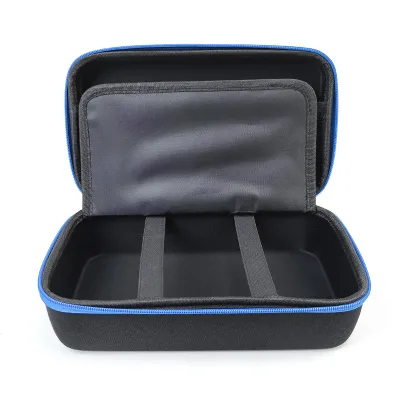
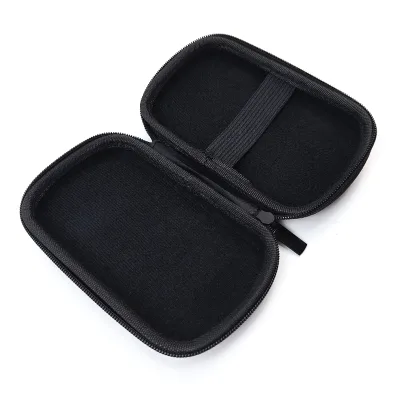
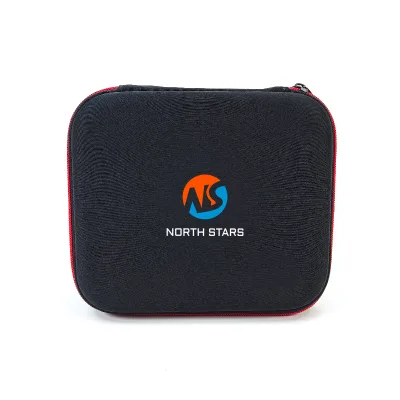
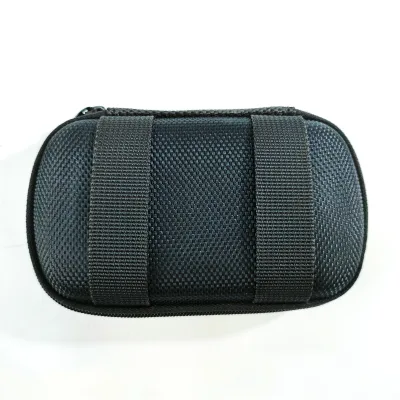
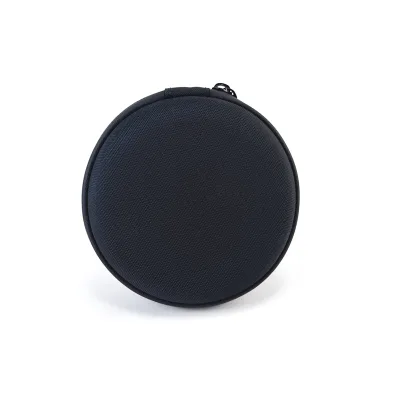


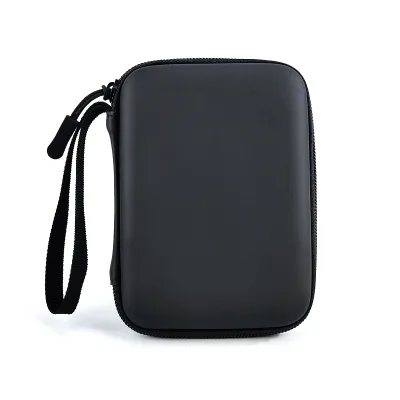
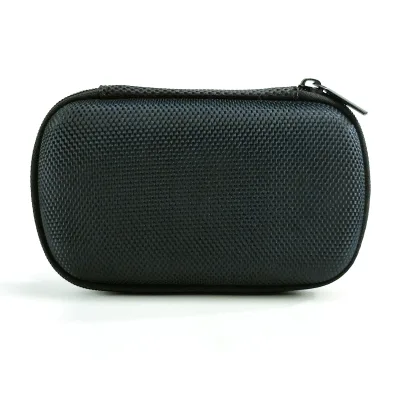
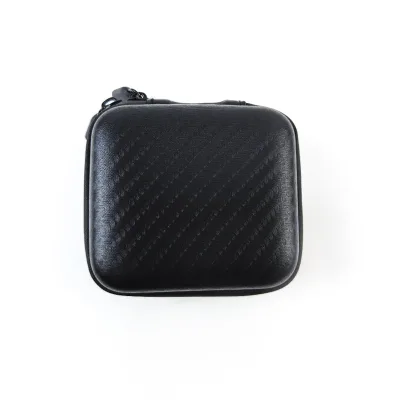
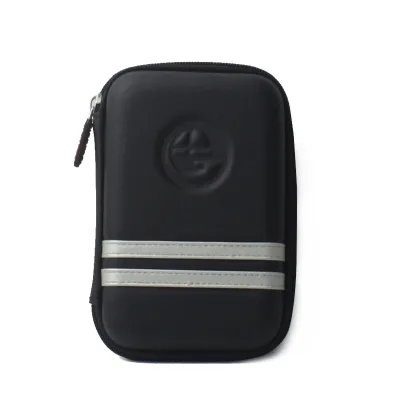
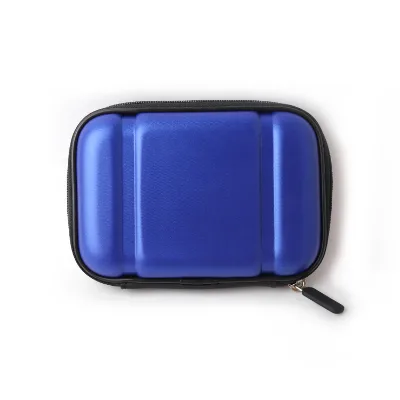


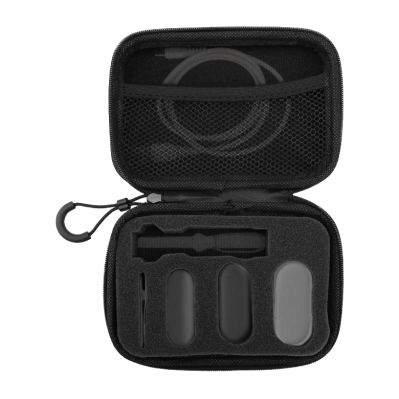
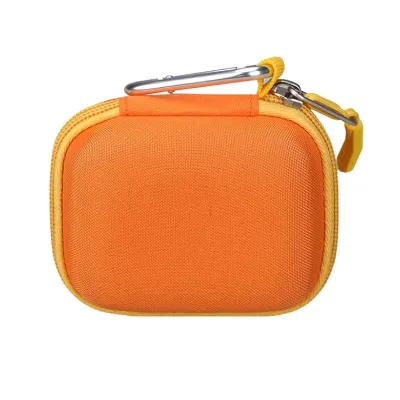
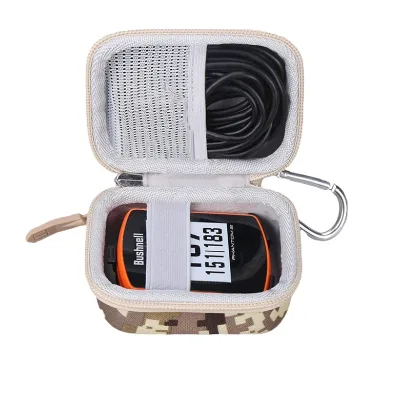
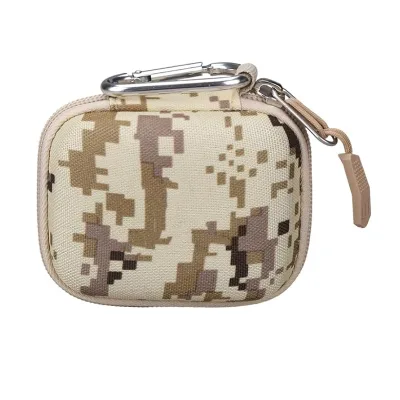

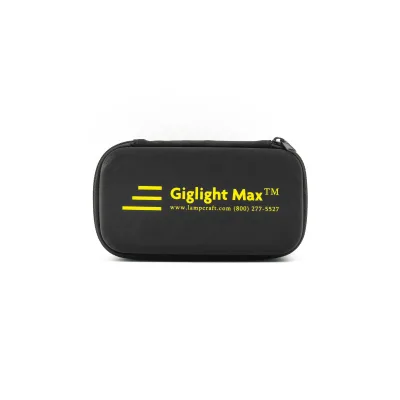
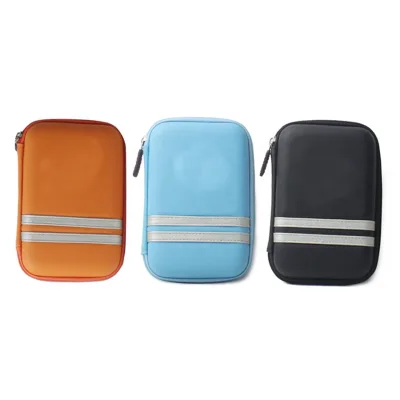

Comprehensive Sourcing Guide
Waterproof EVA GPS Tracker Case Sourcing Guide
Sourcing protective enclosures for GPS tracking hardware requires a careful balance between rugged durability and precise dimensional fit. The market for waterproof EVA GPS tracker cases is characterized by a wide variety of material compositions, ranging from pure EVA foam to composite structures that integrate Oxford fabric and velvet linings. Buyers must navigate a landscape where "waterproof" claims vary significantly in technical validity, often referring to water-resistant coatings or sealed zipper closures rather than full submersible integrity. Understanding these nuances is critical for selecting a case that protects sensitive electronics from rain, dust, and accidental impacts during travel, camping, or daily outdoor use.
The procurement process is further complicated by the high degree of customization available from manufacturers, particularly those based in Guangdong, China. Most suppliers offer OEM and ODM services, allowing buyers to specify custom logos, colors, and internal layouts. However, this flexibility comes with specific commercial constraints, including minimum order quantities (MOQs) that can range from 300 to 1000 pieces, and lead times that extend from 25 to 45 days for bulk production. Buyers need to plan their inventory cycles accordingly, ensuring that sample approval and tooling phases are completed well in advance of peak demand seasons to avoid stockouts.
Product Scope and Observed Listing Signals
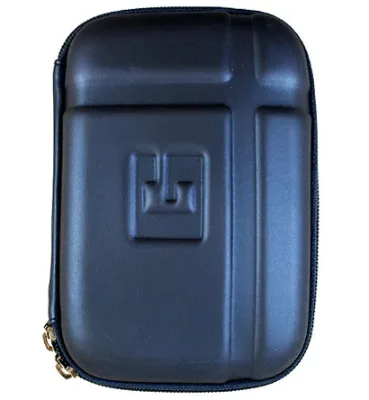
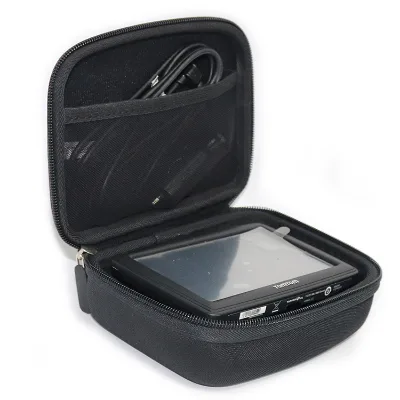
The current market listings for waterproof EVA GPS tracker cases reveal a diverse product scope driven by specific application needs. Observed product names include generic "EVA Case," "GPS Tracker Case," and "GPS Storage Case," indicating that suppliers often use interchangeable terminology to capture broader search traffic. The core keyword "Waterproof EVA GPS Tracker Case" aligns with products designed for outdoor enthusiasts, logistics professionals, and travelers who require reliable protection for their tracking devices. These cases are typically marketed with features such as portability, large capacity, and multi-functional storage, catering to users who need to carry not just the tracker but also associated accessories like charging cables or SIM card tools.
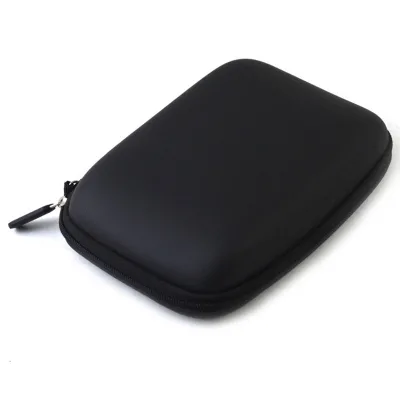
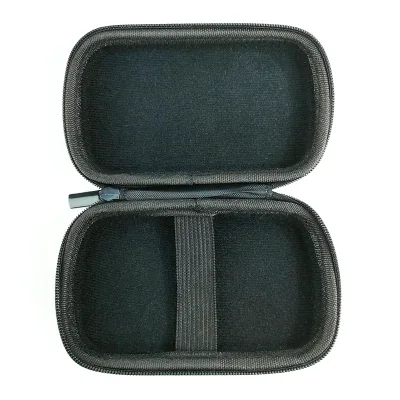
Material composition is a primary differentiator among the observed listings, with three distinct configurations appearing frequently. One variant utilizes a composite of Oxford fabric, EVA, and velvet, offering a soft interior to prevent scratches while maintaining a rugged exterior. Another common configuration combines Oxford fabric, EVA, and spandex, providing elasticity and a snug fit for the device. A third, more basic option relies solely on EVA material, which is known for its shock-absorbing properties. Buyers should verify the exact material stack for each SKU, as the inclusion of fabrics like Oxford or Spandex can affect the case's overall weight, flexibility, and water resistance capabilities.
Technical Specifications to Verify
Dimensional accuracy is the most critical technical specification when sourcing GPS tracker cases, as an improper fit can compromise the protective function of the enclosure. Listings show a wide range of single package sizes, from compact dimensions of 12.5x7.5x3 cm to larger formats measuring 25x14.5x8.5 cm. Some models are specified with external dimensions like 19.5x16.5x9 cm, while others are listed simply as "3 in" or by model number such as NS-1138 or NS-1217. Buyers must request detailed internal cavity dimensions from suppliers to ensure compatibility with their specific GPS hardware, as external measurements alone do not guarantee that the device will fit securely within the case.
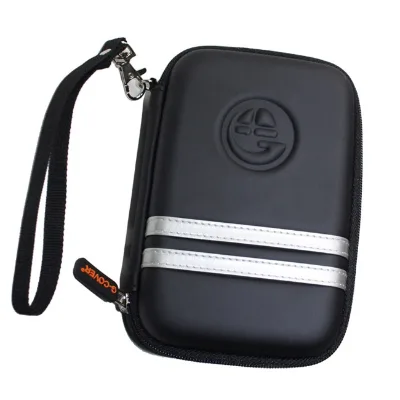
Closure mechanisms and structural integrity are also key technical factors that determine the level of protection provided. Most observed cases feature zipper closures, which are convenient for access but require high-quality zipper tapes and sliders to maintain water resistance. The "waterproof" or "water-resistant" claim often hinges on the quality of these seals and the density of the EVA foam. Additionally, buyers should verify the single gross weight of the product, which ranges from 0.300 kg to 2.000 kg depending on the size and material thickness. Heavier cases may offer superior shock absorption but could add unnecessary bulk for lightweight tracking applications, so weight specifications should be aligned with the intended use case.
Compliance and Safety Documentation
Certification requirements for GPS tracker cases are generally less stringent than for electronic devices themselves, but they still play a vital role in supplier qualification and market access. Several suppliers list ISO9001 certification, indicating adherence to quality management systems in their manufacturing processes. Others provide BSCI (Business Social Compliance Initiative) reports, which are essential for buyers in Western markets who require assurance of ethical labor practices. Some listings also mention ROHS compliance, which is relevant if the case materials contain any restricted substances, although this is more commonly associated with the electronic components inside rather than the protective casing.
Buyers should verify the specific scope of these certifications, as they do not automatically guarantee the product's performance or safety. For instance, ISO9001 certifies the management system, not the product itself. Similarly, while ROHS compliance is important for environmental safety, it does not address the mechanical durability or water resistance of the case. Buyers should request copies of these certificates and check their validity dates and scope of coverage. Additionally, for products intended for specific regional markets, buyers may need to inquire about additional local compliance requirements, such as REACH in Europe or specific flammability standards, even if they are not explicitly listed in the initial product descriptions.
Cost Drivers and Commercial Terms
The pricing for waterproof EVA GPS tracker cases is influenced by several factors, including material costs, customization complexity, and order volume. Observed price ranges in the market span from $0.59 to $22.05 per unit, reflecting the vast difference between basic EVA cases and premium composite models with custom branding. The minimum order quantity (MOQ) is a significant driver of unit cost, with typical MOQs set at 300, 500, or 1000 pieces. Buyers who can meet higher MOQ thresholds may negotiate better unit prices, but they must balance this against their inventory carrying costs and demand forecasts.
Commercial terms and payment structures are standardized across many suppliers, with a common requirement of a 30% deposit and 70% balance before shipment. Lead times for production typically range from 25 to 45 days, depending on the order size and the complexity of the customization. Sample times are shorter, usually between 5 and 10 days, but buyers should account for shipping time when evaluating the total turnaround. It is crucial to clarify whether the quoted prices include packaging, such as poly bags and cartons, and to confirm who bears the cost of freight and insurance. Clear communication of these terms helps avoid unexpected costs and ensures a smooth transaction process.
Supplier Qualification and Quality Control
Supplier qualification begins with verifying the place of origin and manufacturing capabilities. The majority of observed listings indicate a place of origin in Guangdong, China, a region known for its robust manufacturing ecosystem for bags and protective cases. Buyers should assess the supplier's ability to handle OEM and ODM requests, as most manufacturers welcome these collaborations. However, buyers must ensure that the supplier has the necessary tooling and expertise to produce consistent quality, especially for custom logos and colors. Requesting references or case studies from previous clients can provide insight into the supplier's reliability and responsiveness.
Quality control measures should be established before production begins, focusing on critical points such as material inspection, stitching quality, and zipper functionality. Buyers should define clear acceptance criteria for defects, such as loose threads, misaligned zippers, or uneven coloring. It is advisable to request pre-shipment samples or conduct third-party inspections to verify that the bulk production matches the approved sample. Given the variability in "waterproof" claims, buyers may also consider conducting their own water resistance tests on a random sample of the final product to ensure it meets their specific environmental protection requirements.
Long-Term Procurement Checks
Long-term procurement success depends on establishing a robust relationship with suppliers that prioritizes continuous improvement and adaptability. Buyers should regularly review supplier performance metrics, including on-time delivery rates, defect rates, and responsiveness to issues. Maintaining open communication channels allows for timely adjustments to orders based on changing market demands or product updates. Additionally, buyers should stay informed about any changes in certification requirements or material regulations that could impact their supply chain, ensuring that their suppliers remain compliant with evolving standards.
As technology evolves, the design and functionality of GPS tracker cases may need to be updated to accommodate new device forms or enhanced features. Buyers should work with suppliers to explore innovations in materials, such as more sustainable or durable fabrics, and improved closure mechanisms. Regularly revisiting the product specifications and market trends helps ensure that the sourced cases remain competitive and meet the evolving needs of end-users. By maintaining a proactive approach to supplier management and product development, buyers can secure a reliable supply of high-quality waterproof EVA GPS tracker cases that support their business objectives.
FAQs
What materials are used for the GPS tracker case?
The case is constructed from Oxford, EVA, and Velvet or Spandex materials. This combination ensures durability and protection while maintaining a lightweight profile for travel and camping applications.
Can I customize the logo and color of the case?
Yes, both the logo and color are fully customizable for this product. Suppliers welcome OEM and ODM requests, allowing buyers to specify black or other customized colors to match their brand identity.
What is the minimum order quantity for this product?
The minimum order quantity varies between 300 and 500 pieces depending on the specific model. Buyers should verify the exact MOQ for models like NS-1138 or 1179 before placing an order.
How long does it take to receive samples?
Sample preparation typically takes between 5 to 10 days. This timeframe allows for the creation of customized prototypes before proceeding to full-scale production and bulk delivery.
What certifications do the manufacturers hold?
Manufacturers often hold ISO9001, BSCI, and ROHS certifications for these cases. These credentials ensure quality management and compliance with international safety and environmental standards for the products.
Where are these GPS tracker cases manufactured?
These cases originate from Guangdong, China. This region is a known hub for manufacturing EVA products and offers established supply chains for export to international markets.
What are the typical lead times for bulk orders?
Bulk production lead times range from 25 to 45 days. This duration covers manufacturing and packaging processes before the goods are ready for shipment to the buyer.