Source Waterproof EVA Insulated Cooler Bag for Hiking, Picnics, Beach
Compare 30 Waterproof EVA Insulated Cooler Bag options from verified suppliers. Explore diverse styles including backpacks and tote bags with varying capacities and dimensions for food storage, hiking, and road trips; compare the available evidence and request quotations based on your requirements.
Key considerations
Products List


Leakproof Insulated Cooler Backpack Large Capacity Lightweight Soft Cooler Bag
$8.99 - $15.99
MOQ: 500 Pieces


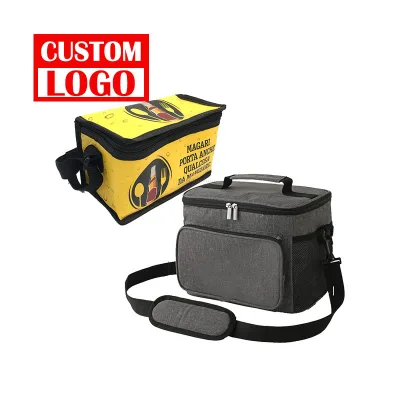

Cooler Backpack 35 Can Backpack Cooler Leakproof Insulated Soft Cooler Bag
$9.00 - $10.00
MOQ: 100 Pieces


Wholesale Thickened Custom Portable Insulation Cooler Bag Insulated Cooler Bag
$0.15 - $0.20
MOQ: 20000 Pieces

Eco Friendly Waterproof Insulation Bag Insulated Cooler Bag for Picnic Camping
$0.15 - $0.20
MOQ: 20000 Pieces


Factory Customized Waterproof Cooler Bag with Pocket Insulated Thermal Bag
$9.68 - $11.00
MOQ: 500 Pieces


Comprehensive Sourcing Guide
Waterproof EVA Insulated Cooler Bag Sourcing Guide
Sourcing waterproof EVA insulated cooler bags requires a careful balance between material durability, thermal performance, and commercial viability. Buyers must distinguish between products that rely on EVA foam for structure and those that use aluminum foil or polyester linings for insulation. The observed market data indicates a wide range of specifications, from simple shoulder bags to complex backpacks with specific bearing capacities. Understanding these distinctions is critical for selecting the right product for your intended use case, whether it is for food transport, outdoor hiking, or commercial delivery.
Procurement teams should also evaluate the customization options available, as many suppliers offer tailored solutions for branding and functional adjustments. The presence of features like zippers, laces, or heat-sealing closures directly impacts the bag’s ability to maintain temperature and protect contents. By analyzing the observed listing signals, such as gross weight and dimensions, buyers can better estimate logistics costs and storage requirements. This initial assessment helps in narrowing down the supplier pool to those who can meet both technical and aesthetic requirements.
Product Scope and Observed Listing Signals
The current market landscape for insulated bags includes a diverse array of styles, from traditional cooler bags to modern backpacks and tote bags. Observed listings reveal models with specific dimensions, such as 20x10x32cm or 43x23x23cm, catering to different volume needs. Materials vary significantly, with polyester and aluminum foil being common choices for different layers of the bag. Some products are designed for heavy-duty use with bearing capacities exceeding 10 kg, while others are lighter, weighing between 0.5 and 1.5 kg. This variety allows buyers to select products that align with their specific operational demands.
Color options and closure mechanisms also play a crucial role in product selection. Blue, black, and red are common color choices, while closures range from standard zippers to more secure laces and zippers combinations. Some bags feature heat-sealing closures, which may offer enhanced waterproofing but limit reusability compared to zippered options. The observed gross weight ranges from under 1 kg to over 1.5 kg, indicating differences in material thickness and insulation quality. Buyers should carefully review these physical attributes to ensure the product meets their durability and capacity expectations.
Technical Specifications to Verify
When verifying technical specifications, buyers must focus on the insulation material and its effectiveness. While some listings mention EVA, others highlight aluminum foil or polyester, each offering different thermal properties. It is essential to confirm the thickness of the insulation layer and the quality of the waterproof coating. The bearing capacity is another critical factor, with some bags supporting over 10 kg and others limited to 3-10 kg. Understanding these limits helps prevent product failure during transport and ensures the bag can handle the intended load without tearing or losing structural integrity.
Dimensions and closure types are equally important for functional verification. Buyers should check if the internal dimensions match their product requirements, as external measurements can be misleading. Closure mechanisms like zippers, laces, or heat-sealing affect both security and ease of use. For instance, heat-sealing might provide better waterproofing but could be less convenient for frequent access. Additionally, the presence of handles or shoulder straps should be evaluated for ergonomic comfort. Verifying these details through samples or detailed technical sheets is crucial before placing large orders.
Compliance and Safety Documentation
Compliance and safety documentation are vital for ensuring that the cooler bags meet regulatory standards in the target market. Buyers should request certificates confirming that the materials used are food-safe, especially if the bags are intended for transporting perishable goods. While some listings mention ethylene oxide sterilization, it is important to verify if this applies to the final product or just the manufacturing process. Documentation should also include information on the absence of harmful chemicals, ensuring the bags are safe for both users and consumers.
Certifications such as ISO9001 may indicate a supplier’s commitment to quality management systems, but buyers should verify the scope of these certifications. It is crucial to ensure that the certification covers the specific manufacturing processes relevant to insulated bags. Additionally, any claims about waterproofing or thermal retention should be backed by test results or third-party verification. Buyers should not rely solely on marketing claims but should demand concrete evidence of compliance and performance. This due diligence helps mitigate risks associated with product liability and regulatory non-compliance.
Cost Drivers and Commercial Terms
Cost drivers for insulated cooler bags include material costs, customization requirements, and order volume. The use of premium materials like EVA or aluminum foil can increase the base price, while custom logos and colors add to the production complexity. Observed MOQs range from 50 to 20,000 units, allowing for flexibility in order sizes. Buyers should negotiate terms that align with their cash flow, considering payment methods like T/T and the timing of deposits. Understanding the cost structure helps in budgeting accurately and avoiding unexpected expenses during the procurement process.
Lead times and sample availability are also significant commercial factors. Sample lead times of 7-10 days allow buyers to evaluate product quality before committing to large orders. Production lead times of 45-60 days after receiving the deposit are common, requiring careful planning to meet delivery deadlines. Buyers should factor in these timelines when scheduling product launches or restocking. Additionally, packaging details, such as polybag inclusion, can impact logistics costs. Clear communication of these terms ensures a smooth transaction and minimizes disruptions in the supply chain.
Supplier Qualification and Quality Control
Supplier qualification involves assessing the manufacturer’s capability to produce consistent, high-quality insulated bags. Buyers should verify the supplier’s production capacity and experience in manufacturing similar products. Quality control processes, including in-line inspections and final random inspections, are essential to ensure product consistency. Suppliers who offer customization should demonstrate their ability to maintain quality across different designs and materials. Engaging with suppliers who have robust QC systems reduces the risk of receiving defective or substandard products.
Sampling is a critical step in the qualification process. Buyers should request samples to evaluate the bag’s construction, insulation effectiveness, and overall durability. Testing the sample for waterproofing and thermal retention can provide insights into the product’s performance. Additionally, checking the stitching, zippers, and handles for quality can reveal potential weaknesses. Suppliers who are willing to provide samples and address feedback promptly are more likely to be reliable partners. Establishing a clear quality standard before production begins helps in maintaining consistency throughout the order.
Long-Term Procurement Checks
Long-term procurement checks involve monitoring supplier performance and product quality over time. Buyers should establish key performance indicators (KPIs) such as on-time delivery rates, defect rates, and responsiveness to issues. Regular audits or third-party inspections can help ensure that the supplier maintains their quality standards. Feedback from end-users can also provide valuable insights into the product’s real-world performance. By continuously evaluating supplier performance, buyers can identify areas for improvement and make informed decisions about future orders.
Building a strong relationship with the supplier is also crucial for long-term success. Open communication and collaboration can lead to better product development and problem-solving. Buyers should consider diversifying their supplier base to mitigate risks associated with single-source dependency. Regularly reviewing market trends and technological advancements can help in staying competitive. By maintaining a proactive approach to procurement, buyers can ensure a steady supply of high-quality insulated cooler bags that meet their evolving needs.
FAQs
What material is used for the waterproof insulated cooler bag?
The product is constructed from polyester material with aluminum foil lining for insulation. This combination ensures durability and effective temperature retention for food storage during various outdoor activities like hiking or beach trips.
Can I customize the logo and color of the cooler bag?
Yes, customization is available for both the logo and color options. Buyers can select from blue, black, or red colors while requesting a customized logo to match their brand identity or specific event requirements.
How long does it take to receive samples and bulk orders?
Sample production requires about 7 to 10 days after order confirmation. Bulk production lead time is approximately 45 to 60 days following the receipt of the deposit payment via T/T terms.
What is the minimum order quantity for purchasing these bags?
The minimum order quantity varies by specific model but starts at 100 units for certain styles. Other models may require up to 20,000 units depending on the customization level and specific product model selected.
Which styles of cooler bags are available for different uses?
Available styles include cooler backpacks, shoulder bags, tote bags, and standard cooler bags. These designs support various uses such as road trips, picnics, grocery shopping, and hiking with bearing capacities ranging from 3 to over 10 kg.
What are the standard dimensions for the cooler bag models?
Standard dimensions vary by model, with sizes like 43 x 23 x 23 cm or 28 x 40 x 15 cm. Specific models also feature customized standard sizes to meet unique storage and transport requirements for different applications.
How is the product packed and what is its gross weight?
Each item is packed individually in a polybag for protection during shipping. The gross weight ranges from 0.5 kg to over 1.5 kg depending on the specific model and its bearing capacity specifications.