Source Waterproof EVA Lining Beach Bag for Travel, Swimming, and Storage
Compare 30 Waterproof EVA Lining Beach Bag options featuring PVC materials, RoHS certification, and customizable sizes. Buyers can evaluate specifications like dimensions, packing details, and sample availability from verified Chinese manufacturers.
Key considerations
Products List


Quality Popular EVA Handbags Waterproof Rubber EVA Beach Bag Silicone Bag
$2.99 - $9.88
MOQ: 200 Pieces

Eco-Friendly Popular EVA Handbags Waterproof Rubber EVA Beach Bag Silicone Bag
$2.99 - $9.88
MOQ: 200 Pieces








Comprehensive Sourcing Guide
Strategic Sourcing Guide for Waterproof EVA Lining Beach Bags
Understanding Product Attributes and Material Composition
When sourcing a Waterproof EVA Lining Beach Bag, the primary focus must be on the material composition and the specific functional attributes that define the product's utility in coastal environments. The core material for the lining is Ethylene Vinyl Acetate (EVA), a polymer known for its flexibility, durability, and inherent water resistance. In the context of beach applications, the bag must serve as a barrier against moisture, sand, and saltwater, ensuring the contents remain dry and clean. The outer shell often utilizes Polyvinyl Chloride (PVC) or similar synthetic materials to complement the EVA lining, providing a robust structure that resists tearing under the weight of wet towels or swim gear.
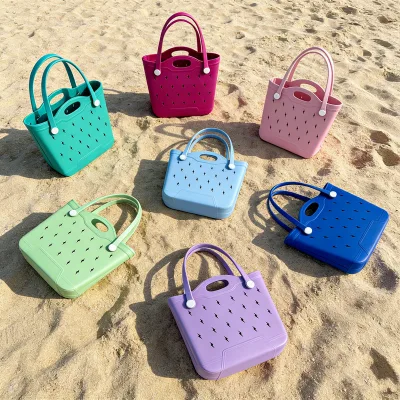
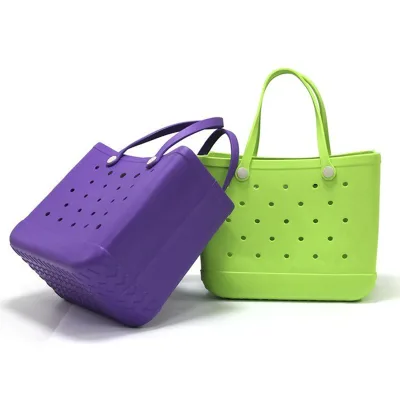
A critical observation in the current market is the variation in product styles and functional designs. Buyers should expect to encounter items described with attributes such as "Simplicity" or "Fashion," indicating a range from utilitarian storage solutions to trend-oriented accessories. The "Candy Color" fashion element suggests that aesthetic appeal is a significant driver for beach-specific inventory, allowing buyers to target diverse consumer preferences. Furthermore, the "Unisex" gender classification and "Transparent" color options highlight a broad market appeal, making these items suitable for a wide demographic. The "Soft" hardness attribute is particularly relevant for EVA-based products, as it ensures the bag can be easily folded or compressed when not in use, a feature highly valued by travelers and beachgoers.
The functional requirements extend beyond simple water resistance. The "Waterproof" attribute is a non-negotiable baseline for this category. However, the specific construction methods, such as the sealing of seams and the quality of the zipper or closure mechanisms, determine the efficacy of this claim. Some listings indicate the absence of a "Car Holder," which clarifies that the product is designed strictly for handheld or shoulder carry rather than vehicle attachment. This distinction is vital for buyers who might otherwise assume universal mounting capabilities. The "Beach" scene designation confirms the intended use case, but the versatility of these bags often extends to "Outdoor, Shopping, and Home" usage, as noted in broader product descriptions.
Technical Specifications and Dimensional Standards
Technical specifications form the backbone of any procurement agreement, defining the physical constraints and capabilities of the product. For waterproof EVA lining beach bags, dimensions are a primary differentiator. Market data indicates a wide range of sizes, from compact pouches measuring approximately 10.5 x 20.5 cm to larger storage solutions with dimensions like 46 x 24 x 32 cm. The specific model numbers, such as OFFE2007 or WPB026, often correlate with these dimensional variances, serving as unique identifiers for different capacity tiers.
Packaging standards are equally critical for logistics planning. Standard packing configurations observed in the supply chain include 20 pieces per carton, with a total weight of approximately 50.7 lbs. This density impacts shipping costs and storage requirements. Buyers must verify if the "Carton" packaging meets the structural integrity needed for long-distance transport, especially given the soft nature of the EVA material which can be susceptible to crushing if not properly supported. The "Middle" and "M" size designations suggest a modular approach to sizing, allowing for a streamlined inventory management system where multiple size variants can be grouped under a single SKU logic.
The standardization of product dimensions also influences the internal volume and the types of items the bag can accommodate. While some models offer "Customized" sizes, the majority adhere to established ranges like 16.93 x 12.60 x 9.06 inches or specific metric equivalents. These measurements are not merely descriptive; they dictate the compatibility of the bag with standard beach gear, such as sunscreen bottles, towels, and personal electronics. The "Side" bottom and side construction implies a specific structural design that may offer enhanced stability when the bag is placed on uneven surfaces like sand or rocks.
Compliance, Certification, and Safety Standards
In the realm of B2B procurement, compliance with international safety and environmental standards is a prerequisite for market access, particularly in regions with strict consumer protection laws. The supply chain for EVA and PVC beach bags is heavily regulated regarding chemical content. Key certifications to verify include RoHS (Restriction of Hazardous Substances) and EN-71, which are standard benchmarks for toy and children's product safety, often applicable to beach bags due to their potential use by families. The "Non-Phthalate" specification is a critical indicator of compliance, ensuring that the plasticizers used in the EVA and PVC materials do not contain harmful phthalates, which are often restricted in products intended for close contact with skin.
Buyers must approach certification claims with a disciplined verification process. While "RoHS" and "EN-71" are listed as observed standards, these certifications are not automatic; they must be validated through third-party testing reports for each production batch. The "Customized" standard noted in some product listings suggests that manufacturers may offer bespoke compliance solutions, but this requires a rigorous audit of the supplier's quality management system. It is essential to confirm that the "Custom" or "Customized" claims do not bypass fundamental safety requirements.
Furthermore, the environmental impact of PVC and EVA materials is a growing concern. While the "Waterproof" and "Durable" attributes are desirable, the end-of-life disposal of these materials must be considered. Buyers should inquire about the recyclability of the materials used and whether the supplier adheres to any specific environmental management standards beyond the basic chemical restrictions. The "Free" sample availability mentioned in some contexts can be a useful tool for initial compliance testing, allowing buyers to send samples to independent laboratories for verification of the "Non-Phthalate" and "RoHS" claims before committing to a bulk order.
Cost Drivers and Pricing Dynamics
The pricing structure for waterproof EVA lining beach bags is influenced by a complex interplay of material costs, customization levels, and order volumes. The observed price range of $0.42 to $15.60 USD reflects the vast spectrum of product complexity, from simple, unbranded pouches to high-end, fashion-forward bags with advanced features. The lower end of the spectrum typically corresponds to basic models with standard dimensions and minimal customization, while the higher end includes products with "Custom" printing, unique color combinations, and specialized features like adjustable straps or inner pockets.
Material costs are a significant driver, particularly given the volatility of raw PVC and EVA resin prices. The "Soft" hardness and "Transparent" color attributes may require specific grades of material that command a premium. Additionally, the "Customization" availability introduces variable costs. While the "Sample" is often provided for free, the production of custom molds or printing setups incurs upfront expenses that are amortized over the order quantity. The "MOQ" (Minimum Order Quantity) range of 2 to 1000 pieces further dictates the unit price; smaller orders will naturally carry a higher per-unit cost due to setup and handling fees, whereas larger volumes benefit from economies of scale.
Payment terms also play a role in the overall cost of procurement. Standard terms such as "30% Deposit, 70% Balance Pay Before Shipping" are common, but buyers should negotiate based on their relationship with the supplier and the order size. The "Bulk Time" of 15-20 days and "Sample Time" of 7 days indicate the production lead times, which can impact inventory planning and working capital requirements. Buyers must factor in these timelines when calculating the total cost of ownership, including potential expedited shipping fees if the standard lead time does not align with market demand.
Typical Applications and Usage Scenarios
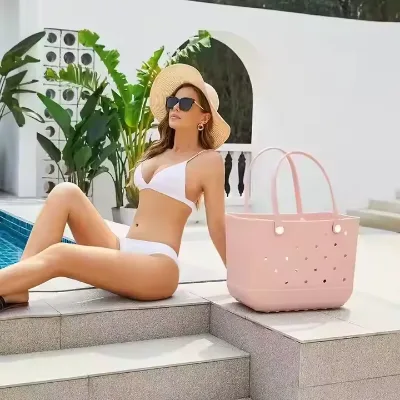
The versatility of waterproof EVA lining beach bags makes them suitable for a wide array of applications beyond the beach. The "Beach" scene is the primary use case, where the "Waterproof" attribute protects contents from saltwater and sand. However, the "Outdoor" and "Shopping" usage categories highlight the bag's adaptability for general recreational activities. The "Storage" function is central to the product's design, allowing it to serve as a dedicated container for wet swimwear, toiletries, or electronics in humid environments.
The "Fashion" element and "Candy Color" options suggest that these bags are also marketed as lifestyle accessories. The "Unisex" gender classification and "Simplicity" or "Fashion" styles indicate that the product appeals to a broad audience, from children to adults. The "Adjustable strap" and "Inner pocket" features enhance the utility of the bag for active use, allowing for hands-free carrying and organized storage of small items. The "Transparent" color option is particularly useful for security purposes, allowing users to quickly identify contents without opening the bag, a feature that is valuable in crowded public spaces like beaches or water parks.
The "Without Car Holder" attribute clarifies that the bag is not designed for automotive use, but this limitation does not detract from its primary function. Instead, it focuses the product's design on portability and ease of carry. The "Middle" and "M" size designations suggest that the bag is optimized for personal use rather than bulk storage, making it ideal for day trips, short excursions, or as a secondary bag for larger luggage. The "Summer" season designation further reinforces the product's seasonal relevance, though the "Outdoor" usage implies year-round utility in milder climates.
Supplier Evaluation and Quality Control Protocols
Selecting the right supplier requires a rigorous evaluation process that goes beyond price and lead time. Buyers should prioritize suppliers who demonstrate a clear commitment to quality control and compliance. The presence of "RoHS" and "EN-71" certifications in the product data is a positive indicator, but it must be verified through documentation. Suppliers should be able to provide test reports from accredited laboratories to substantiate these claims. The "Custom" and "Customized" options suggest that the supplier has the capability to adapt to specific buyer requirements, but this flexibility must be balanced with consistent quality standards.
Quality control protocols should be established at every stage of the production process. This includes raw material inspection, in-process monitoring, and final product testing. For waterproof bags, this involves checking the integrity of the seams and the effectiveness of the sealing mechanisms. The "Soft" hardness and "Transparent" color attributes require visual inspection to ensure consistency and the absence of defects such as bubbles, discoloration, or uneven thickness. The "Carton" packaging must be tested for durability to ensure the bags arrive in perfect condition.
Buyers should also evaluate the supplier's responsiveness and communication capabilities. The "Free" sample policy is a good starting point, allowing for physical inspection of the product. The "Sample Time" of 7 days and "Bulk Time" of 15-20 days indicate a reasonable production cycle, but delays can occur if the supplier is overcommitted. Clear communication channels and a structured feedback loop are essential for resolving any issues that arise during the production or shipping phases. The "30% Deposit, 70% Balance" payment term is standard, but buyers should ensure that the contract includes clear penalties for non-compliance with quality or delivery standards.
Long-Term Procurement Considerations and Market Trends
Long-term procurement of waterproof EVA lining beach bags requires a strategic approach that anticipates market trends and supply chain dynamics. The "Fashion" and "Candy Color" attributes suggest that consumer preferences are driven by aesthetics and seasonal trends. Buyers should monitor these trends to ensure their inventory remains relevant and competitive. The "Custom" printing and "Logo" customization options offer opportunities for brand differentiation, allowing buyers to create unique products that stand out in a crowded market.
Sustainability is another critical long-term consideration. As environmental regulations tighten, the demand for eco-friendly materials and manufacturing processes is likely to increase. Buyers should explore suppliers who are investing in sustainable practices, such as using recycled EVA or PVC materials, or implementing energy-efficient production methods. The "Non-Phthalate" and "RoHS" certifications are a good foundation, but buyers should look for additional environmental credentials that align with their corporate sustainability goals.
Supply chain resilience is also a key factor. The "China" origin of the products highlights the importance of geopolitical stability and trade relations in the procurement strategy. Buyers should diversify their supplier base to mitigate risks associated with single-source dependencies. The "MOQ" range of 2 to 1000 pieces offers flexibility, allowing buyers to adjust their order volumes based on market demand and inventory levels. By maintaining a strategic relationship with reliable suppliers, buyers can ensure a steady supply of high-quality products that meet the evolving needs of their customers.
FAQs
What materials are used for waterproof eva lining beach bags?
These bags typically use PVC for the outer shell and EVA for the waterproof lining. The material is soft and flexible, allowing the bag to be easily folded or compressed when not in use while providing a durable barrier against moisture and sand.
Which certifications are standard for these beach bags?
Standard certifications include RoHS and EN-71, ensuring the product is free from hazardous substances. Many listings also specify Non-Phthalate compliance, which is critical for safety in products intended for family use and close contact with skin.
How much is the minimum order quantity for these bags?
The minimum order quantity ranges from 2 to 1000 pieces depending on the supplier and customization level. Some specific models may require a higher MOQ, such as 200 pieces, while others allow for smaller trial orders starting at just two units.
Can I get a free sample before placing a bulk order?
Yes, free samples are available for many models to verify quality and specifications before committing to a bulk purchase. Buyers should note that while the sample itself is free, production lead times for bulk orders typically range from 15 to 20 days after deposit.
What are the typical dimensions for waterproof eva lining beach bags?
Dimensions vary significantly, ranging from compact sizes like 10.5 by 20.5 cm to larger storage bags measuring 46 by 24 by 32 cm. Some models also offer customized sizes to meet specific storage needs for beach gear or personal electronics.
Where are these bags manufactured and what is the origin?
The primary manufacturing origin for these products is China. Suppliers based in this region offer a wide variety of styles and customization options, with standard packing configurations often including 20 pieces per carton for efficient shipping.
What customization options are available for these bags?
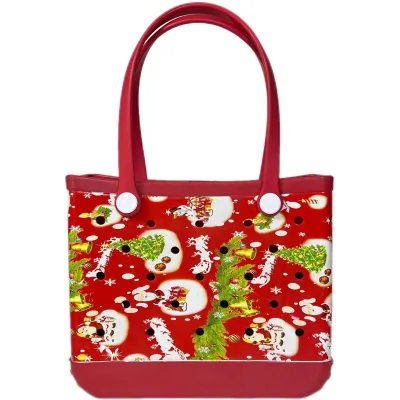
Customization is widely available for printing, logos, and specific dimensions. Buyers can request custom colors like candy tones or deep blue, and suppliers often accommodate requests for tailored sizes and packaging to match specific branding or functional requirements.