Source Waterproof Explosion Proof Courier Bag for Shipping
Find 30 options for the Waterproof Explosion Proof Courier Bag, featuring aluminum foil and plastic bubble materials. Compare shock-resistant, self-sealing envelopes suitable for food, cosmetic, and clothing packaging applications from verified manufacturers; compare the available evidence and request quotations based on your requirements.
Key considerations
Products List


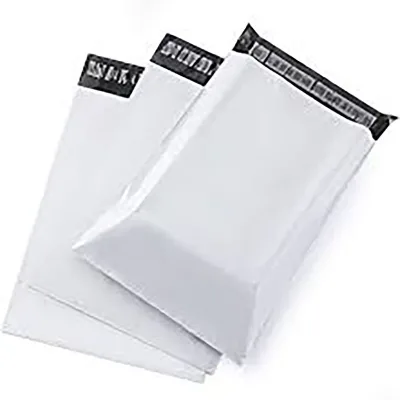


Comprehensive Sourcing Guide
Waterproof Explosion Proof Courier Bag Sourcing Guide
Procuring waterproof and explosion-proof courier bags requires a nuanced understanding of material science and supply chain logistics, particularly when handling sensitive or hazardous goods. The term "explosion-proof" in the context of general courier packaging often refers to high-durability, shock-resistant, and anti-static properties rather than industrial blast containment, which demands specialized hazardous materials handling protocols. Buyers must first clarify whether the requirement is for physical protection against impact and moisture or for static dissipation in electronic components. The supplied product data highlights materials such as aluminum foil and high-pressure polyethylene, which offer distinct advantages in moisture barrier performance and structural integrity. Aluminum foil laminates provide excellent opacity and thermal insulation, while polyethylene bubble structures deliver superior cushioning. Understanding these material distinctions is critical for selecting the right bag for specific cargo types, ensuring that the packaging meets both protective and regulatory standards without over-engineering the solution for non-hazardous items.
Furthermore, the customization capabilities of modern courier bags allow for tailored solutions that align with brand identity and operational efficiency. Many suppliers offer OEM services with extensive experience, enabling the integration of custom logos, specific printing colors, and unique sizing options. This level of customization extends to the sealing mechanisms, with self-sealing adhesive strips and destructive hot melt glue options available to secure contents against tampering and accidental opening. Buyers should evaluate the balance between standardization and customization, as excessive customization can impact lead times and minimum order quantities. The availability of free standard samples and paid customized samples provides a practical method for validating the physical properties of the bags before committing to large-scale production. This iterative sampling process helps mitigate risk by allowing procurement teams to test the bags under real-world shipping conditions, ensuring that the chosen packaging solution delivers on its promises of durability and protection.
Product Scope and Observed Listing Signals
The observed market signals indicate a diverse range of packaging solutions that blend protective features with logistical efficiency. Listings frequently highlight attributes such as shock resistance, compression resistance, and tear-proof durability, which are essential for maintaining product integrity during transit. The presence of waterproof and moisture-proof characteristics is a common selling point, addressing the critical need to protect contents from environmental exposure. Additionally, the use of aluminum foil and bubble materials suggests a focus on both thermal and physical protection, catering to industries ranging from food and cosmetics to electronics and apparel. These material choices are not merely aesthetic but functional, providing barriers against dust, moisture, and physical impact. Buyers should pay close attention to the specific layering of materials, such as the 5-ply corrugated carton packaging used for the bags themselves, which indicates a robust supply chain approach to protecting the packaging during its own storage and transport.
Commercial signals also reveal significant variability in minimum order quantities and lead times, reflecting the flexibility of the manufacturing base. Observed MOQs range from small batches of two units to large industrial orders of 100,000 units, accommodating both prototype development and mass production needs. Lead times typically span from seven to forty days, depending on the complexity of customization and the volume of the order. This variability underscores the importance of early planning and clear communication with suppliers regarding production schedules. The availability of standard and custom sizes, along with options for gravure or flexo printing, further expands the scope of available products. Buyers should leverage these signals to align their procurement strategies with their inventory management systems, ensuring that they can secure the necessary packaging volumes without disrupting their operational workflows or incurring excessive storage costs.
Technical Specifications to Verify
Verifying technical specifications is paramount to ensuring that the courier bags meet the rigorous demands of the intended application. Key attributes to validate include the bubble thickness, which directly influences the cushioning and shock-absorption capabilities of the bag. Buyers should request detailed specifications regarding the thickness of the polyethylene bubbles and the density of the aluminum foil layer, if applicable, to ensure adequate protection for fragile items. The sealing method is another critical specification, with options ranging from self-sealing adhesive strips to destructive hot melt glue that provides a tamper-evident seal. It is essential to confirm the strength and reliability of these sealing mechanisms, as a failure in the seal can compromise the waterproof and protective qualities of the bag. Additionally, the transparency of the material should be verified, as non-transparent options like aluminum foil offer privacy and light protection, which may be required for certain sensitive products.
Printing and branding specifications also require careful verification to ensure compliance with marketing and regulatory requirements. The available printing options, including one to nine colors and Pantone matching, allow for high-quality brand representation, but buyers must confirm the durability of the ink against moisture and friction. Artwork formats such as PDF, AI, EPS, and high-resolution JPG are commonly accepted, but suppliers may have specific resolution requirements that must be met to avoid print defects. Furthermore, the customization of the bag size and shape should be aligned with the dimensions of the products being shipped to maximize space efficiency and minimize material waste. Buyers should also inquire about the recyclability of the materials, as sustainability is increasingly important in modern supply chains. Confirming these technical details early in the sourcing process helps prevent costly errors and ensures that the final product meets all functional and aesthetic expectations.
Compliance and Safety Documentation
Compliance and safety documentation are essential for mitigating legal and operational risks in international trade. The supplied facts indicate that many suppliers hold certifications such as ISO9001, RoHS, BV, FSC, SGS, and TUV, which attest to their commitment to quality management, environmental responsibility, and material safety. Buyers should request copies of these certificates to verify their validity and scope, ensuring that the supplier’s practices align with international standards. RoHS compliance, in particular, is crucial for electronic components, as it restricts the use of hazardous substances in manufacturing. Similarly, FSC certification indicates that any paper-based components are sourced from responsibly managed forests, appealing to environmentally conscious consumers. These certifications not only demonstrate regulatory compliance but also enhance the brand’s reputation for ethical sourcing and quality assurance.
In addition to certifications, buyers should verify the specific standards to which the bags are manufactured. While the supplied data mentions custom sizes and standards, it is important to clarify whether the bags meet specific industry regulations for hazardous materials or general shipping requirements. For instance, if the bags are intended for use with lithium batteries or other regulated goods, additional documentation may be required to prove compliance with transportation safety standards. Buyers should also inquire about the supplier’s quality control processes, including testing protocols for waterproofing, tear resistance, and seal integrity. Requesting test reports or third-party verification of these properties can provide additional assurance of the product’s performance. By thoroughly reviewing compliance and safety documentation, buyers can ensure that their packaging choices support their overall risk management strategy and meet the expectations of their customers and regulatory bodies.
Cost Drivers and Commercial Terms
Understanding the cost drivers associated with waterproof and explosion-proof courier bags is essential for effective budgeting and negotiation. The primary cost factors include the raw materials used, such as aluminum foil and high-pressure polyethylene, as well as the complexity of the manufacturing process. Customization options, such as specific printing colors, unique sizes, and specialized sealing mechanisms, can significantly impact the unit price. Buyers should also consider the minimum order quantity, as larger orders often benefit from economies of scale, reducing the per-unit cost. However, smaller orders may incur higher setup fees for printing and customization. Lead times are another commercial term that can influence costs, with expedited production often coming at a premium. Buyers should negotiate clear terms regarding payment schedules, shipping responsibilities, and return policies to avoid unexpected expenses.
Shipping and logistics costs also play a significant role in the total cost of ownership. The supplied data mentions various shipping options, including DHL, FedEx, EMS, and UPS, each with different pricing structures and delivery times. Buyers should compare these options to find the most cost-effective solution for their needs, considering factors such as package weight, dimensions, and destination. Additionally, the packaging of the bags themselves, such as waterproof cartons or rolls, can affect shipping efficiency and cost. Buyers should optimize their packaging strategy to minimize volumetric weight and reduce shipping fees. It is also important to clarify who is responsible for import duties and taxes, as these can add significant costs to the final price. By carefully analyzing these commercial terms, buyers can make informed decisions that balance cost efficiency with service quality and reliability.
Supplier Qualification and Quality Control
Supplier qualification is a critical step in ensuring a reliable and consistent supply of high-quality courier bags. Buyers should conduct thorough due diligence on potential suppliers, verifying their business registration, manufacturing capabilities, and financial stability. The supplied facts mention that some suppliers have been established since 1997 and have extensive OEM experience, which can be indicators of reliability and expertise. Buyers should also assess the supplier’s production capacity and lead time consistency to ensure they can meet demand fluctuations. Quality control processes should be clearly defined, with regular inspections and audits to verify that the products meet specified standards. Buyers should request samples and conduct their own testing to validate the supplier’s claims regarding durability, waterproofing, and seal integrity. Establishing a strong relationship with a qualified supplier can lead to better pricing, improved service, and greater flexibility in meeting business needs.
Effective quality control extends beyond the initial qualification phase and should be integrated into the ongoing procurement process. Buyers should implement a robust inspection regime, including pre-shipment inspections and random sampling during production. Clear quality standards and acceptance criteria should be communicated to the supplier, along with consequences for non-compliance. Buyers should also maintain open communication with the supplier to address any issues promptly and collaboratively. Regular performance reviews can help identify areas for improvement and ensure that the supplier continues to meet expectations. By prioritizing supplier qualification and quality control, buyers can minimize the risk of supply chain disruptions and ensure that their packaging solutions consistently deliver the required level of protection and performance. This proactive approach fosters trust and long-term partnership, which are essential for sustainable procurement success.
Long-Term Procurement Checks
Long-term procurement checks are necessary to maintain the integrity and efficiency of the sourcing strategy over time. Buyers should regularly review supplier performance metrics, including on-time delivery rates, product quality, and responsiveness to issues. These metrics should be tracked and analyzed to identify trends and potential areas of concern. Regular audits of the supplier’s facilities and processes can help ensure ongoing compliance with quality and safety standards. Buyers should also stay informed about changes in regulations and industry standards that may impact the use of their packaging materials. This includes monitoring developments in sustainability requirements, such as restrictions on certain plastics or demands for recyclable materials. By staying proactive, buyers can adapt their sourcing strategies to meet evolving market demands and regulatory requirements.
Additionally, buyers should periodically reassess their packaging needs in light of changes in product lines, shipping volumes, and customer expectations. This may involve exploring new materials or technologies that offer improved performance or cost savings. Building a diverse supplier base can also mitigate risk by reducing dependence on a single source. Buyers should maintain relationships with alternative suppliers to ensure continuity of supply in case of disruptions. Regular communication with internal stakeholders, such as logistics and marketing teams, can help align packaging strategies with broader business objectives. By implementing these long-term checks, buyers can ensure that their procurement practices remain agile, resilient, and aligned with the dynamic needs of their business. This continuous improvement mindset is key to sustaining competitive advantage and operational excellence in the long run.
FAQs
What certifications do these waterproof courier bags hold?
These bags hold ISO9001, RoHS, BV, and FSC certifications. Some listings also mention SGS and TUV certificates. These standards ensure quality and safety for food, cosmetic, and general shipping applications while meeting international compliance requirements.
Can I get a free sample for this product?
Free samples are available for standard stock items only. Customized samples require payment before production. The sample lead time is typically 7 to 10 working days after payment and artwork confirmation to ensure accurate customization.
What is the minimum order quantity for these bags?
The minimum order quantity ranges from 2 units up to 100,000 units depending on the supplier. One specific listing requires a minimum of 2 tons. Buyers should verify the exact MOQ with the manufacturer before placing an order.
How long does it take to produce these bags?
Production lead time is generally 7 to 15 days for standard orders. Some suppliers indicate a longer window of 15 to 40 days for larger or customized batches. Sample production takes 7 to 10 working days after payment.
Which materials are used to make these waterproof bags?
These bags are made from aluminum foil, plastic, and high-pressure polyethylene. They feature bubble layers for shock resistance. The material ensures they are waterproof, moisture-proof, and dust-proof for various packaging needs including food and clothing.
What customization options are available for printing and size?
Customization is available for size, printing, and logos. Printing supports 1 to 9 colors with Pantone matching using gravure or flexo methods. Artwork formats include PDF, AI, EPS, and high-resolution JPG files for precise design implementation.
Where are these waterproof courier bags manufactured?
These bags are manufactured in China. The factories have established operations since 1997 with 25 years of OEM experience. Products are shipped globally via DHL, FedEx, EMS, and UPS from the Chinese origin point.