Source Waterproof Explosionproof Drone Carrying Case for Tools, Cameras, Drones
Find and compare 30 Waterproof Explosionproof Drone Carrying Case options from verified Chinese manufacturers. These cases feature IP67 ratings, shockproof protection, and customizable foam inserts for tools, cameras, and drones.
Key considerations
Products List


Customize Color Waterproof Shockproof Drone Carrying Plastic Hard Case
$18.58 - $20.58
MOQ: 100 Pieces

IP68 Waterproof Shockproof Safety Protection Storage Tool Box Plastic Tool Case
$15.80 - $18.80
MOQ: 50 Pieces


Protective Hard Case Shockproof Water-Resistant with Customized DIY Foam Camera
$25.00 - $29.98
MOQ: 10 Pieces


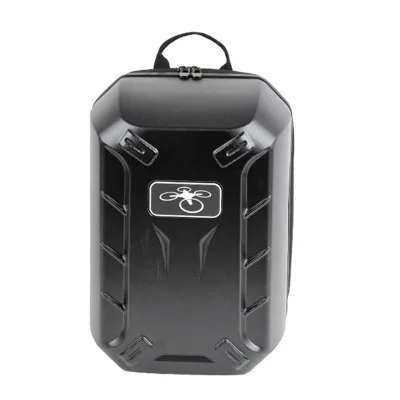


Factory Supply Waterproof Durable Outdoor Use Flight Case Portable Case
$150.00 - $550.00
MOQ: 1 Pieces


Good Applicability Shockproof Outdoor Use Flight Case Carbon Fiber Case
$100.00 - $500.00
MOQ: 1 Pieces

Factory Supply Dustproof Durable Flight Case Durable and Lightweight Case
$150.00 - $1000.00
MOQ: 1 Pieces
Comprehensive Sourcing Guide
Strategic Sourcing Guide for Waterproof Explosionproof Drone Carrying Cases
Defining Technical Specifications and Material Integrity
When sourcing a waterproof, explosionproof drone carrying case, the primary objective is to identify equipment that guarantees the safety of high-value assets against environmental hazards and physical impact. The product landscape for these cases is defined by specific material compositions and structural designs. Based on available market data, the dominant material for these protective enclosures is Engineering PP (Polypropylene) or standard PP, chosen for its balance of rigidity and weight reduction. This plastic construction is often reinforced with internal foam inserts made from PU, EVA, EPE, or XPE. These foam types are critical for cushioning delicate drone components, ensuring that the internal environment remains stable during transit.
The physical dimensions of these cases vary significantly depending on the drone model and the intended usage. Buyers must verify that the external dimensions align with their specific operational needs. Observed specifications in the market include models with dimensions such as 472mm x 355.5mm x 175mm, or larger configurations reaching 465mm x 400mm x 190mm. Some units are designed with a standard footprint of 345mm x 268mm x 120mm, while others may be customized to specific size requirements. The form factor is typically categorized as either hand-held or wheeled, offering flexibility for different logistical scenarios. A hand-held design is often preferred for rapid deployment in field operations, whereas wheeled options may be necessary for transporting multiple units or heavy equipment over longer distances.
The internal architecture of the case is equally important. The presence of a protective foam insert is a standard feature, allowing for a custom layout that secures the drone, batteries, and accessories. The case must function as a protective instrument package, specifically designed to shield the equipment from shock, water, and dust. The structural integrity relies on the "Engineering PP" material type, which provides the necessary resistance to impact. Buyers should look for cases that explicitly state "Impact Resistance" as a core feature, ensuring that the shell can withstand drops and rough handling without compromising the internal safety of the drone.
Compliance, Certification, and Environmental Standards
In the realm of industrial and drone equipment, compliance is not merely a formality but a critical safety requirement. The sourcing guide emphasizes the verification of specific certifications that validate the protective capabilities of the case. High-confidence data indicates that reputable cases in this category often carry IP67 certification. This rating signifies that the case is dust-tight and can withstand immersion in water up to 1 meter for 30 minutes, a crucial feature for outdoor drone operations where weather conditions are unpredictable. The IP67 rating applies to both waterproof and dustproof capabilities, ensuring that the internal environment remains sealed against external contaminants.
Beyond environmental sealing, chemical and material safety certifications are essential for compliance with international trade regulations. Products in this sector frequently adhere to RoHS (Restriction of Hazardous Substances) and Reach standards. These certifications confirm that the materials used in the case, including the plastic shell and the foam inserts, do not contain hazardous substances that could pose a risk to human health or the environment. For buyers operating in regulated markets, verifying the presence of these certifications is a mandatory step in the supplier evaluation process.
It is important to note that while some products may claim "explosionproof" characteristics, the specific technical data provided in the current market context focuses heavily on "Shockproof," "Waterproof," and "Dustproof" attributes. The term "explosionproof" in a general procurement context often implies a high degree of impact resistance and sealed integrity, but buyers must be cautious not to conflate general shock resistance with certified explosion-proof ratings unless explicitly documented by a recognized testing body. The available data highlights "IP67 Waterproof" and "IP67 Dustproof" as the primary verified standards. Buyers should request test reports or certification documents to confirm that the specific model they are purchasing meets these rigorous standards, rather than relying solely on marketing terminology.
Cost Drivers and Pricing Dynamics
Understanding the cost structure of waterproof drone carrying cases is vital for budgeting and supplier negotiation. The price range for these products in the current market spans from approximately $2.22 to $1,000 USD. This wide variance is driven by several key factors, including the complexity of the design, the quality of materials, and the level of customization required.
The base cost is influenced by the material type. Engineering PP cases generally command a higher price point than standard plastic alternatives due to their superior durability and impact resistance. The inclusion of high-density foam inserts, such as EVA or XPE, also adds to the manufacturing cost. Furthermore, the size of the case is a direct cost driver; larger dimensions, such as the 472mm x 355.5mm x 175mm models, require more raw material and complex molding processes, resulting in a higher unit price compared to smaller, compact units.
Customization is another significant factor affecting the final cost. Many suppliers offer OEM (Original Equipment Manufacturer) services, allowing buyers to customize the case size, color, and branding. The availability of custom logos, such as PVC stickers, silk prints, or metal labels, adds to the production complexity. While the base product may be available at a lower price point, the addition of custom branding and specific internal foam layouts will increase the unit cost. Additionally, the Minimum Order Quantity (MOQ) plays a role in the per-unit price. MOQs in this sector range from 1 to 500 units. Buyers purchasing in smaller quantities may face higher per-unit costs, whereas bulk orders often benefit from economies of scale.
Typical Applications and Operational Use Cases
The versatility of waterproof, shockproof cases makes them suitable for a wide range of applications, particularly in industries that rely on drone technology for data collection, inspection, and surveillance. The primary usage categories identified include transportation, drone operations, and camera equipment protection. In the transportation sector, these cases are used to safely move sensitive equipment between locations, protecting them from the rigors of travel, including vibration and potential impacts.
For drone operators, the case serves as a critical tool for field operations. Whether used for aerial photography, industrial inspection, or search and rescue missions, the case ensures that the drone remains functional and undamaged. The "Hand-Held" and "Wheeled" styles cater to different operational needs; hand-held cases are ideal for quick, single-operator deployment, while wheeled cases facilitate the transport of multiple drones or heavy equipment kits. The "Medium Capacity" design is particularly relevant for standard commercial drones, providing enough space for the aircraft, remote controllers, spare batteries, and tools without being overly bulky.
The "Tools Package" usage is another key application. These cases are often designed to house not just the drone but also the necessary tools for on-site repairs or adjustments. The internal foam inserts can be customized to create specific compartments for screwdrivers, pliers, and other maintenance tools, ensuring that everything is organized and protected. This integrated approach to equipment storage enhances operational efficiency, allowing technicians to access all necessary items quickly and securely.
Supplier Evaluation and Customization Capabilities
When evaluating potential suppliers, buyers must look beyond the basic product description and assess the supplier's ability to meet specific customization needs. The market data indicates that customization is widely available, with suppliers offering options for logo application, color selection, and size modification. The ability to produce cases with "Your Own Logo" or "PVC Sticker/Silk Print/Metal Label" options is a strong indicator of a supplier's flexibility and experience in OEM manufacturing.
Buyers should verify the supplier's capacity to handle custom size requirements. While standard models exist with fixed dimensions, the "Customize size" standard suggests that many suppliers can tailor the case to fit specific drone models or operational requirements. This flexibility is crucial for buyers with unique equipment that does not fit standard case dimensions. Additionally, the availability of different color options, such as Black, Black/Orange, Mil-Green, Orange, and Grey, allows organizations to maintain brand consistency or adhere to specific safety color-coding protocols.
The brand name "Ifstar" or "Yifu Star" appears in the market data, indicating established players in the sector. However, buyers should not rely solely on brand recognition. Instead, they should focus on the supplier's track record in delivering high-quality, certified products. The presence of certifications like IP67, RoHS, and Reach is a strong signal of a supplier's commitment to quality and compliance. Buyers should request samples to verify the quality of the foam inserts, the durability of the plastic shell, and the effectiveness of the sealing mechanisms.
Quality Control and Long-Term Procurement Considerations
Ensuring the long-term reliability of the carrying case requires a robust quality control (QC) strategy. The primary focus of QC should be on the integrity of the waterproof and shockproof seals. Buyers should inspect the case for any gaps or imperfections in the sealing mechanism, as even a minor defect can compromise the IP67 rating. The internal foam inserts must be securely bonded to the case shell to prevent shifting during transport, which could damage the drone.
Packaging is another critical aspect of quality control. The standard packaging for these cases typically involves a PE Bag followed by a Master Carton or a dedicated Carton. This double-layer packaging ensures that the product is protected during shipping and storage. Buyers should verify that the packaging is robust enough to withstand the rigors of international logistics, especially if the cases are being shipped from China to other regions.
For long-term procurement, buyers should consider the availability of replacement parts and the durability of the materials. The "Engineering PP" material is known for its longevity, but exposure to extreme UV radiation or harsh chemicals can degrade the plastic over time. Buyers should inquire about the UV resistance of the materials and whether the cases are suitable for long-term outdoor storage. Additionally, the customization options should be evaluated for their long-term viability. For example, PVC stickers may peel over time, whereas metal labels offer a more permanent solution.
In conclusion, sourcing a waterproof, explosionproof drone carrying case requires a careful balance of technical specifications, compliance verification, and supplier evaluation. By focusing on the key attributes of material integrity, certification standards, and customization capabilities, buyers can secure high-quality protective equipment that meets their operational needs. The wide range of available options, from hand-held to wheeled designs and various foam types, ensures that there is a solution for every drone operator, provided that the buyer conducts thorough due diligence and prioritizes quality and compliance in their procurement process.
FAQs
What certifications do waterproof drone cases typically have?
High-confidence facts indicate these cases often carry IP67, RoHS, and Reach certifications. The IP67 rating confirms dust-tight and water immersion protection up to one meter, while RoHS and Reach ensure materials are free from hazardous substances for international compliance.
Which materials are used to construct these protective cases?
The dominant material is Engineering PP or standard Polypropylene, chosen for its rigidity and weight reduction. Internal inserts are typically made from PU, EVA, EPE, or XPE foam to cushion delicate drone components and ensure stability during transit.
Can buyers customize the size and logo on these cases?
Yes, customization is widely available for size, color, and branding. Buyers can request specific dimensions, choose from colors like Black or Orange, and apply logos via PVC stickers, silk print, or metal labels to match their brand identity.
How do dimensions vary for different drone carrying cases?
Dimensions vary significantly based on the model, with observed sizes including 472mm x 355.5mm x 175mm or 465mm x 400mm x 190mm. Some units offer a standard footprint of 345mm x 268mm x 120mm, while others are fully customizable to fit specific equipment.
What is the typical price range for these protective cases?
The observed price range spans from approximately 2.22 to 1,000 USD. This variance depends on material quality, such as Engineering PP versus standard plastic, the inclusion of high-density foam, and the level of customization required for the order.
What styles are available for transporting drone equipment?
Cases are available in Hand-Held and Wheeled styles to suit different logistical scenarios. Hand-held designs are preferred for rapid deployment, while wheeled options facilitate the transport of multiple units or heavy equipment kits over longer distances.
How are these cases packaged for international shipping?
Standard packaging typically involves a PE Bag followed by a Master Carton or a dedicated Carton. This double-layer packaging ensures the product is protected during shipping and storage, safeguarding the case from damage during international logistics.