Source Waterproof Explosion Proof Light for Factories
Compare 30 Waterproof Explosion Proof Light options from verified Chinese manufacturers. Buyers can evaluate specifications like IP66 ratings, LED power, and warranty terms to select suitable industrial lighting solutions.
Key considerations
Products List
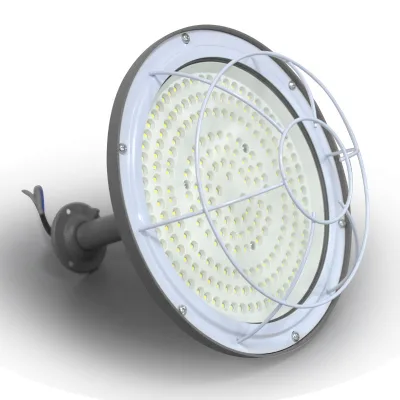

Explosion-Proof Light Hazardous Areas High-Power Explosion-Proof Floodlight
$260.00 - $270.00
MOQ: 5 Pieces


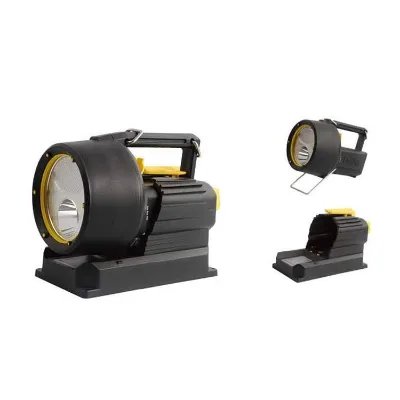
LED Flameproof Explosion Proof Light Safety Hand Explosion Proof Emergency Light
$214.61 - $265.71
MOQ: 10 Minimum


Compact Lamp Explosion-Proof Light Emergency Lighting Fixture Power Supply Safe
$320.00 - $360.00
MOQ: 1 Pieces


Portable Lifting Type Waterproof and Explosion-Proof Floodlight Work Light
$208.34 - $259.21
MOQ: 1 Pieces


Newest Explosion-Proof LED Highbay Light Waterproof IP65 for Industrial Use
$20.50 - $20.70
MOQ: 2 Pieces
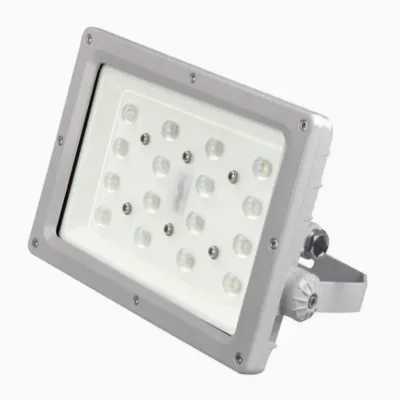


Comprehensive Sourcing Guide
Strategic Sourcing Guide for Waterproof Explosion-Proof Lighting Solutions
Selecting the right waterproof explosion-proof light requires a rigorous approach that balances technical performance, regulatory compliance, and supply chain reliability. For procurement professionals in industrial, petrochemical, and hazardous environment sectors, the decision matrix extends beyond simple illumination. It involves verifying that a fixture can withstand extreme environmental conditions while maintaining safety standards. The following guide outlines the critical factors buyers must evaluate when sourcing these specialized lighting units, drawing upon observed market data and established industry practices.
Technical Specifications and Performance Parameters
The core functionality of an explosion-proof light relies on its ability to contain internal explosions and prevent ignition of external hazardous atmospheres. When reviewing product listings, buyers must scrutinize specific technical attributes that define operational safety. A primary observation in the current market is the prevalence of LED technology, which offers superior energy efficiency and longevity compared to traditional sources. The observed data indicates a typical lifespan of 50,000 hours, a critical metric for minimizing maintenance frequency in hard-to-reach industrial zones.
Power consumption varies significantly across models, with observed wattages ranging from 40W to 150W. This variance directly influences the luminous flux, which has been recorded at values such as 120 lumens for lower-power units and up to 600 lumens for higher-output models. Buyers must align these flux ratings with the specific illuminance requirements of their facility. Furthermore, the color temperature is a vital consideration for worker safety and visibility. The market frequently offers "Daylight Alert" or Cool White options, typically around 6000K, which enhance contrast and reduce eye strain in industrial settings.
The physical construction of the fixture is equally important. The lamp body material is predominantly die-cast aluminum or aluminum alloy, often combined with tempered glass. This combination provides the necessary mechanical strength to resist impact and corrosion. The ingress protection rating is a non-negotiable specification for waterproof applications. Data points show an IP66 rating, indicating complete protection against dust and powerful water jets. However, buyers should verify if specific models meet higher IP standards depending on the severity of the water exposure in their environment.
Compliance and Certification Verification
In the realm of hazardous location lighting, certification is not merely a formality but a legal and safety imperative. Procurement teams must demand evidence of recognized third-party testing. The observed market data lists certifications such as CCC (China Compulsory Certification), CE (Conformité Européenne), and RoHS (Restriction of Hazardous Substances). These marks indicate that the product meets specific regional safety and environmental standards.
However, buyers must exercise caution when interpreting these certifications. While CCC and CE are common in the supply chain, they do not automatically equate to explosion-proof certification for specific hazardous zones (e.g., ATEX or IECEx). The presence of a certification mark should always be cross-referenced with the specific test report for the explosion-proof rating. Additionally, the observed data mentions a standard reference to UL844, which is a background industry standard for lighting equipment, but its specific application to a given product must be confirmed by the supplier's documentation.
When evaluating a supplier, request the full scope of their certification documents. Do not rely solely on the product title or a generic badge. Verify that the certification covers the specific power rating and environmental class of the unit you intend to purchase. For instance, a fixture certified for indoor use may not be suitable for outdoor or wet locations without a specific IP rating verification. The warranty period, observed ranging from 1 to 5 years, often correlates with the manufacturer's confidence in their compliance and build quality, serving as a secondary indicator of reliability.
Cost Drivers and Pricing Structures
Understanding the cost structure of explosion-proof lighting is essential for budgeting and total cost of ownership (TCO) analysis. The observed price range in the market spans from approximately $4.07 to $360 per unit. This wide disparity is driven by several key factors, including power rating, material quality, and the complexity of the explosion-proof housing.
Higher wattage units, such as the 150W models, naturally command a higher price due to increased material costs and advanced thermal management systems required to dissipate heat from the LED driver. The inclusion of specialized features, such as dimming support or advanced lighting solutions services like Dialux Evo layout design, also adds to the unit cost. Conversely, basic models with lower wattage and standard IP ratings will fall at the lower end of the price spectrum.
The Minimum Order Quantity (MOQ) is another significant cost driver. Observed MOQs range from 1 piece to 500 pieces. Buying in bulk can significantly reduce the per-unit cost, but it requires accurate demand forecasting. For projects requiring customization, such as specific branding or unique mounting configurations, the MOQ may increase, and the unit price will reflect the additional tooling or setup costs. Buyers should also consider the packaging costs; some suppliers offer wooden cases for heavy-duty transport, while others use standard carton boxes, which can affect shipping expenses and overall logistics costs.
Typical Applications and Environmental Suitability
Waterproof explosion-proof lights are designed for environments where the presence of flammable gases, vapors, mists, or combustible dusts poses a risk. The observed working temperature ranges, such as -20°C to 45°C or -40°C to 80°C, indicate suitability for diverse climates. Units with the wider temperature range (-40°C to 80°C) are particularly valuable for outdoor applications in extreme cold or hot industrial zones.
Common applications include oil and gas refineries, chemical processing plants, mining operations, and maritime facilities. The IP66 rating makes these fixtures ideal for areas subject to high-pressure washing or heavy rain. The characteristic of being waterproof, dustproof, and corrosion-resistant is paramount in these settings. The irradiated area, observed to be between 15 and 30 square meters for certain models, helps in planning the layout to ensure uniform illumination without dark spots that could compromise safety.
When selecting a fixture for a specific application, buyers must match the environmental rating to the site conditions. For example, a facility with high humidity and salt spray, such as a coastal port, requires a fixture with superior corrosion resistance, often achieved through the use of die-cast aluminum and high-quality coatings. The shape of the light, whether round or rectangular, may also influence the mounting strategy and the aesthetic integration into the facility's infrastructure.
Supplier Evaluation and Service Capabilities
Evaluating a supplier goes beyond checking product specifications; it involves assessing their ability to support the project throughout its lifecycle. The observed data highlights several service capabilities, including lighting and circuitry design and Dialux Evo layout services. These services are crucial for ensuring that the selected lighting solution meets the specific photometric requirements of the facility. A supplier that offers these design services demonstrates a deeper understanding of the application and can help optimize the number of fixtures required, potentially reducing energy costs.
OEM and ODM acceptance is another critical factor. Many industrial buyers require custom branding or specific modifications to fit existing infrastructure. The ability of a supplier to accommodate these requests indicates flexibility and a customer-centric approach. The observed delivery lead times of 10-15 days suggest a relatively agile supply chain, but buyers should verify if this timeline holds for customized orders or bulk shipments.
Geographic location can also influence the evaluation. The observed places of origin include Fujian, Wuxi (Jiangsu), and Zhejiang, all of which are major manufacturing hubs in China. While these regions offer competitive pricing and robust manufacturing capabilities, buyers should ensure that the specific factory has a track record of exporting to their target market and adhering to international quality standards. The warranty terms, ranging from 1 to 5 years, should be clearly defined in the contract, outlining the scope of coverage and the process for claims.
Quality Control and Long-Term Procurement Considerations
Ensuring long-term reliability requires a proactive quality control strategy. Buyers should request detailed test reports that verify the IP rating, impact resistance, and thermal performance of the fixtures. The observed data mentions a lifespan of 50,000 hours, but this is an average figure. Real-world conditions, such as voltage fluctuations or extreme temperature cycling, can affect the actual lifespan. Therefore, verifying the input voltage tolerance, observed as AC 220V (±10%), is essential to ensure the fixture can handle local power grid variations without premature failure.
For long-term procurement, consider the availability of spare parts and the ease of maintenance. The single package size and gross weight, such as 22x17x14.5 cm and 0.830 kg respectively, provide insights into the logistics of handling and storage. A supplier that offers a robust warranty and responsive after-sales support is preferable for critical infrastructure projects. Additionally, the customization options available, such as specific lamp body materials or emitting colors, allow for tailoring the solution to specific operational needs.
In conclusion, sourcing waterproof explosion-proof lights demands a meticulous approach that integrates technical verification, compliance checks, and supplier assessment. By focusing on the observed data points and applying rigorous due diligence, buyers can secure lighting solutions that ensure safety, efficiency, and reliability in hazardous environments. The interplay between power ratings, material quality, and service capabilities will ultimately determine the success of the procurement strategy.
FAQs
What certifications do waterproof explosion proof lights typically have?
These lights commonly carry CCC, CE, and RoHS certifications. Buyers must verify that these marks cover the specific hazardous zone rating and power rating intended for their facility before purchasing.
Which materials are used for the lamp body construction?
Lamp bodies are primarily constructed from die-cast aluminum or aluminum alloy combined with tempered glass. This combination ensures mechanical strength and resistance to corrosion in harsh industrial environments.
How long is the typical lifespan of these LED fixtures?
The typical lifespan is 50,000 hours. This longevity minimizes maintenance frequency in hard-to-reach industrial zones, though actual duration depends on local voltage stability and operating temperature conditions.
Can these lights support dimming functionality?
Some models support dimming while others do not. Buyers must check the specific product attribute for each unit, as support varies between different models and power ratings within the same product line.
What is the standard IP rating for waterproof units?
The standard IP rating observed is IP66, indicating complete dust protection and resistance to powerful water jets. Higher IP standards may be required depending on the severity of water exposure in specific environments.
What is the minimum order quantity for these lights?
The minimum order quantity ranges from 1 to 500 pieces depending on the supplier and customization needs. Bulk orders often reduce per-unit costs, but customized branding may increase the required minimum.
Which color temperatures are available for industrial visibility?
Available options include Daylight Alert at 6000K and Cool White. These temperatures enhance contrast and reduce eye strain, making them suitable for worker safety and visibility in industrial settings.