Source Waterproof Flame Retardant Thobe Fabric for Garments, Home Textile, and Hospital
Compare 30 listings of Waterproof Flame Retardant Thobe Fabric suitable for garments, home textile, and hospital applications. Buyers can evaluate features like anti-bacterial properties, density, and weight to find the right supplier for their specific needs.
Key considerations
Products List
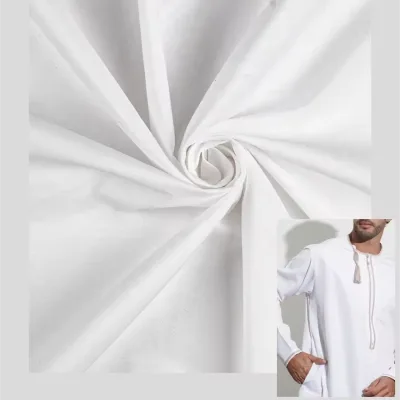
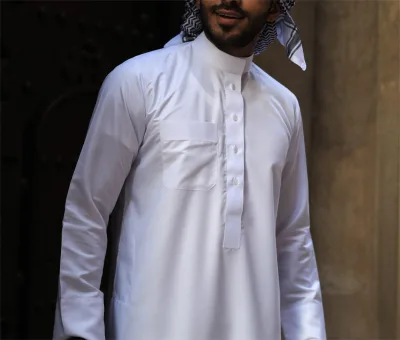


High Quality Anti-Static White Dyeing 100 Spun Polyester Plain Arabic Thobe Fabric
$1.13 - $1.35
MOQ: 3000 Meters

China Cheap 100% Spun Polyester Arabic Thobe Shirts Robe Fabrics Clothing Muslim Fabric
$0.60 - $1.20
MOQ: 3000 meters


Sustainable Thobe Fabric for Lightweight Garments and Eco-Friendly Lining
$0.88 - $1.09
MOQ: 3000 Pieces


Manufacturer of Polyester Fabric Thobe Tr Fabric to Thobe Men's Fabric Saudi Thobe
$0.80 - $0.90
MOQ: 2000 Meters
Comprehensive Sourcing Guide
Strategic Sourcing Guide for Waterproof Flame Retardant Thobe Fabric
Understanding Material Composition and Technical Specifications
When sourcing specialized textiles like Waterproof Flame Retardant Thobe Fabric, the first step is to rigorously analyze the material composition and technical specifications provided by potential suppliers. The core product category often involves synthetic blends designed for durability and specific functional performance. Based on available market data, a common baseline for such fabrics involves a 100% polyester construction, which offers a robust foundation for applying water-resistant and flame-retardant treatments. The yarn count is a critical indicator of fabric density and feel; observed specifications frequently cite counts such as 32S/232S/2 or 32150d, which influence the final weight and drape of the material.
The weight of the fabric, measured in grams per square meter (GSM), is a primary determinant of its suitability for garment applications. For thobe fabrics, which require a balance between structure and comfort, observed weights typically range from 140 GSM to 175 GSM. A 140 GSM fabric may be preferred for lighter, more breathable garments, while a 175 GSM option provides a medium-weight feel suitable for more structured traditional wear. The width of the fabric is another essential specification, with standard rolls often measuring 57/58 inches. This width is crucial for pattern planning and minimizing waste during the cutting process in garment manufacturing.
The construction method, or "technics," is invariably woven for this category, providing the necessary stability for the applied functional finishes. The specific weave structure can vary, with styles including Twill, Plain, Dobby, and Satin. For a thobe, a Twill or Plain weave is often selected to ensure a smooth surface that is easy to clean and maintain. The "hand feeling" of the fabric is often customizable, allowing buyers to request a specific texture that aligns with the desired aesthetic of the final garment. It is important to note that while the base material may be polyester, the functional attributes like waterproofing and flame retardancy are achieved through specific chemical treatments or fiber modifications, which must be verified through supplier documentation rather than assumed from the base material description alone.
Functional Performance and Application Suitability
The functional requirements for Waterproof Flame Retardant Thobe Fabric extend beyond simple aesthetic considerations. The primary performance attributes sought in this category include water resistance, flame retardancy, and often additional features like anti-static properties or breathability. The "Feature" list associated with such fabrics typically includes Waterproof, Water Resistant, Flame Retardant, Anti-static, and Tear-Resistant capabilities. These features are not mutually exclusive; a high-quality supplier should be able to demonstrate that the fabric maintains its structural integrity while offering these protective qualities.
The application of these fabrics is diverse, ranging from traditional garments like thobes and robes to modern workwear and protective clothing. The "Use" category for these materials encompasses Garment, Home Textile, Lining, and Suit applications. For thobes specifically, the fabric must be suitable for both men and women, and potentially for children, given the "Applicable to the Crowd" data which includes Men, Women, Girls, Boys, and Infant/Baby. The fabric's ability to withstand washing and wear without losing its flame-retardant or water-resistant properties is a critical factor. Features such as Shrink-Resistant and Anti-Crease are highly desirable for thobes, as these garments are often worn in formal or semi-formal settings where a crisp appearance is maintained.
Furthermore, the fabric's suitability for specific environments must be considered. While the base material is polyester, the addition of flame retardant properties makes it suitable for environments with higher fire risks, such as industrial settings or areas with strict safety regulations. The "Keyword" associated with these fabrics often includes terms like "Muslin thobe" or "Rayon," though the actual composition may be 100% polyester. Buyers must ensure that the terminology used by the supplier aligns with the actual material composition to avoid confusion regarding the fabric's performance characteristics. The "Style" options, including Plaid, Stripe, and Dobby, allow for customization while maintaining the core functional requirements.
Compliance Verification and Certification Standards
Navigating the compliance landscape for Waterproof Flame Retardant Thobe Fabric requires a meticulous approach to verifying certifications and standards. While specific certification names may vary by region and manufacturer, the buyer must insist on documented proof of compliance with relevant safety standards. The provided context mentions "EN 13773" as a standard, though it is noted as low-confidence background information. Therefore, buyers should not assume this specific standard applies without direct verification from the supplier. Instead, the procurement strategy should focus on requesting test reports that align with the specific regulatory requirements of the destination market, such as ISO standards or regional fire safety codes.
Compliance is not merely about possessing a certificate; it involves understanding the scope of the testing. Flame retardancy, for instance, is not a binary state but a performance level. Buyers should request detailed test results that specify the duration of flame resistance, the after-flame time, and the extent of char formation. Similarly, waterproofing claims must be backed by hydrostatic head tests or spray test results. The "Feature" list includes "Flame Retardant" and "Waterproof," but these are marketing terms that require technical validation. Suppliers should provide third-party laboratory reports that confirm these claims under standardized conditions.
Additionally, the supply chain transparency is a crucial aspect of compliance. The "Place of Origin" is listed as China, which is a major hub for textile manufacturing. However, the origin does not guarantee compliance; the specific factory's quality management system and adherence to international standards are what matter. Buyers should verify that the supplier has a robust quality control process in place, including regular audits and consistent testing protocols. The "Design" attribute often includes "OEM Accept," which implies that the supplier is capable of customizing the fabric to meet specific compliance needs. This flexibility is essential for buyers who need to meet unique regulatory requirements in different markets.
Cost Drivers and Procurement Economics
The cost of sourcing Waterproof Flame Retardant Thobe Fabric is influenced by a complex interplay of material costs, processing fees, and order volumes. The observed price range for such fabrics in the market spans from $0.60 to $13.00 per unit, reflecting the vast differences in quality, functionality, and order size. Several key factors drive these costs. First, the base material cost is significant; 100% polyester is generally more affordable than natural fibers, but the addition of flame retardant and water-resistant chemicals increases the production cost. The complexity of the weave and the specific yarn count also contribute to the final price.
Order volume is another critical cost driver. The Minimum Order Quantity (MOQ) for these fabrics typically ranges from 2,000 to 10,000 meters, with some suppliers requiring even higher volumes. The "MOQ" data indicates that smaller orders may incur a higher per-unit cost due to the fixed costs of production setup. Conversely, larger orders can leverage economies of scale to reduce the price per meter. The "Supply Type" is often "Make-To-Order," which means that the fabric is produced specifically for the buyer's requirements. This customization can add to the cost but ensures that the final product meets the buyer's exact specifications.
Pricing is also affected by the "Packing" requirements. Standard packing is often "Roll Packing in Plastic Bag," but custom packaging requests can increase the cost. The "Single package size" and "Single gross weight" (e.g., 50.0 kg) are important for logistics planning and can impact shipping costs. Buyers should consider the total landed cost, including freight, duties, and insurance, when evaluating the price. The "Selling Units" are typically listed as "Single item," but in practice, transactions are usually conducted in bulk rolls. Understanding these cost drivers allows buyers to negotiate more effectively and plan their budget accordingly.
Supplier Evaluation and Production Capabilities
Evaluating potential suppliers for Waterproof Flame Retardant Thobe Fabric requires a comprehensive assessment of their production capabilities, quality control systems, and business practices. The "Place of Origin" is consistently listed as China, indicating a concentration of manufacturing in this region. Buyers should look for suppliers who demonstrate a clear understanding of the technical requirements for flame retardant and water-resistant fabrics. This includes having the necessary equipment for dyeing, weaving, and applying functional finishes. The "Technics" of weaving and the "Style" options available are indicators of the supplier's versatility and capacity to meet diverse design needs.
Quality control is paramount in this sector. Suppliers should have a documented quality assurance process that includes in-line inspections and final product testing. The "Feature" list suggests that the fabric must meet specific performance criteria, and the supplier must be able to consistently deliver on these promises. Buyers should request samples to verify the "Hand feeling," weight, and functional properties before placing a large order. The "Customization" availability is another key factor; suppliers who offer OEM services and accept custom designs are better positioned to meet the specific needs of the buyer.
Business practices and reliability are also critical. The "Supply Type" being "Make-To-Order" implies a collaborative relationship between the buyer and the supplier. Buyers should assess the supplier's ability to meet lead times and handle production delays. The "MOQ" and "Lead Time" (though not explicitly stated in the data, implied by the MOQ) are important considerations for supply chain planning. Suppliers with a track record of on-time delivery and consistent quality are preferable. Additionally, the "Design" and "Logo Custom" options indicate the supplier's willingness to work closely with the buyer to create a unique product.
Quality Control Protocols and Long-Term Procurement
Establishing robust quality control protocols is essential for ensuring the long-term success of sourcing Waterproof Flame Retardant Thobe Fabric. The "Quality Control" process should begin with the raw material inspection and continue through the weaving, dyeing, and finishing stages. For flame retardant and water-resistant fabrics, the chemical application process is particularly critical. Buyers should require suppliers to provide batch-specific test reports that confirm the consistency of the functional treatments. The "Weight" and "Density" (e.g., 56*48) are key metrics that must be monitored to ensure the fabric meets the specified standards.
Long-term procurement considerations involve building a sustainable relationship with the supplier. This includes regular communication, joint problem-solving, and continuous improvement initiatives. The "Use" of the fabric in various applications, from garments to home textiles, requires a high degree of reliability. Buyers should establish clear specifications for the "Color" and "Style" to ensure consistency across production runs. The "Feature" list includes attributes like "Anti-Pill" and "Stain Resistant," which must be maintained over the life of the garment. Regular audits and performance reviews can help identify areas for improvement and ensure that the supplier continues to meet the buyer's evolving needs.
In conclusion, sourcing Waterproof Flame Retardant Thobe Fabric requires a strategic approach that balances technical specifications, compliance requirements, cost considerations, and supplier evaluation. By focusing on these key areas, buyers can secure high-quality materials that meet their specific needs while maintaining a competitive edge in the market. The ability to customize the fabric, verify compliance, and manage costs effectively is crucial for success in this specialized textile sector.
FAQs
What material composition is used for this fabric?
The fabric is constructed from 100% polyester, providing a durable base for functional treatments. This synthetic blend supports specific weaving techniques like twill or satin to achieve the desired weight and drape for thobe garments.
How can I customize the hand feeling of the fabric?
You can request a customized hand feeling to match your specific garment aesthetic requirements. Suppliers typically offer make-to-order services that allow buyers to specify texture preferences before production begins.
What is the minimum order quantity for this fabric?
The minimum order quantity ranges from 2,000 to 10,000 meters depending on the specific supplier and product variant. Smaller orders may incur higher per-unit costs due to setup fees associated with make-to-order production.
Which functional features are available for this fabric?
Available features include waterproof, flame retardant, anti-static, and tear-resistant properties. These functional attributes are applied through chemical treatments to the woven polyester base to meet specific safety and performance standards.
Can I request custom packaging for this fabric?
Yes, suppliers accept custom packing requests to align with your logistics and branding needs. Standard options include roll packing in plastic bags, but specific dimensions and materials can be tailored to your requirements.
What is the typical weight range for this fabric?
The fabric weight typically ranges from 140 GSM to 175 GSM for different styles. A 140 GSM option offers a lighter feel, while 175 GSM provides a medium weight suitable for structured traditional wear.