Source Waterproof Fragile Adhesive Labels for Food, Medicine, and Cosmetics
Compare 30 listings for Waterproof Fragile Adhesive Labels suitable for food, medicine, and cosmetic packaging. Buyers can evaluate customization options, material types like PVC and paper, and delivery times ranging from 7 to 10 days; compare the available evidence and request quotations based on your requirements.
Key considerations
Products List


Custom Printed Warning Labels with Durable Waterproof Adhesive Material
$0.02 - $0.05
MOQ: 3000 Pieces


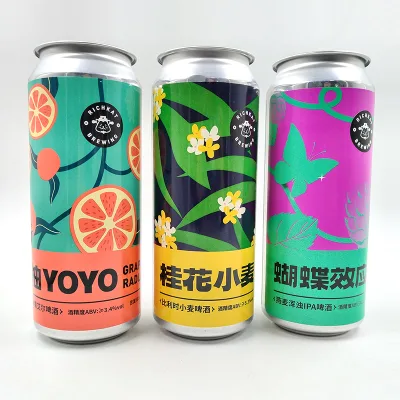


Custom Waterproof Label Stickers Printed Label Food Self-Adhesive for Food
$0.02 - $0.05
MOQ: 1000 Pieces


Custom Coated Paper Printing Label Waterproof Matte Self Adhesive Label
$0.25 - $0.30
MOQ: 5000 Square Meters


$0.27 - $0.30
MOQ: 4590 Square Meters


Comprehensive Sourcing Guide
Waterproof Fragile Adhesive Labels Sourcing Guide
Procuring Waterproof Fragile Adhesive Labels requires a strategic balance between material durability and sensitive application requirements. Buyers must prioritize labels that maintain adhesion and structural integrity under moisture exposure while providing clear tamper-evidence indicators. The market offers various substrates, including PVC, polyester, and vinyl, each presenting distinct advantages for different environmental conditions. Understanding these material properties is essential for selecting the right label for bottled beverages, pharmaceuticals, or industrial goods where product safety and authenticity are paramount.
The sourcing process involves evaluating customization options, printing technologies, and compliance standards to ensure the final product meets specific operational needs. Suppliers often provide free samples, allowing buyers to test adhesion, water resistance, and fragile mechanisms before committing to large orders. Key considerations include the availability of holographic or anti-counterfeit features, which add a layer of security for high-value items. By focusing on verified suppliers with established quality management systems, buyers can mitigate risks associated with label failure or regulatory non-compliance in international trade.
Product Scope and Observed Listing Signals
The current market landscape for waterproof fragile labels includes a diverse range of product types, from custom stickers to specialized shipping and food labels. Observed listings indicate a price range of zero to 2.87 USD, with minimum order quantities varying significantly from single units to thirty thousand pieces. This variability suggests that suppliers cater to both prototyping needs and large-scale industrial deployments. Buyers should note that while some listings offer low MOQs, others require substantial volume commitments, impacting initial procurement costs and inventory management strategies.
Material composition is a critical signal, with transparent PVC, polyester, and vinyl being common substrates. These materials are often paired with surface finishes like lamination or spot UV to enhance durability and aesthetic appeal. The labels are typically available in CMYK or Pantone colors, with options for translucent or opaque finishes depending on the application. Buyers must verify the specific surface materials and backing papers, such as glassine, to ensure compatibility with their labeling equipment and environmental conditions.
Technical Specifications to Verify
Technical verification begins with confirming the printing type and surface treatment methods used by the supplier. Options such as transfer printing, letterpress, and holographic effects offer different levels of detail and security. Buyers should request samples to test the waterproof capabilities and the effectiveness of the fragile mechanism, which is designed to void or shatter upon attempted removal. The transparency level, whether translucent or opaque, must align with the product’s visual requirements and the need for underlying information visibility.
Artwork and design specifications are equally important, with suppliers accepting formats like AI, PDF, CDR, and PSD. Customization extends to size, shape, and content, allowing for tailored solutions for specific industries. Buyers must ensure that the supplier can accurately reproduce complex designs, including barcodes and anti-counterfeit features, without compromising label integrity. Verifying the production model and standard, such as sheet or roll formats, helps in planning logistics and storage requirements effectively.
Compliance and Safety Documentation
Compliance documentation is vital for ensuring that labels meet international trade and safety standards. Many suppliers hold ISO 9001 and SGS certifications, indicating adherence to quality management principles. Buyers should request copies of these certificates to verify the supplier’s commitment to consistent quality and process control. Additionally, understanding the H.S. code, such as 3919909000, is crucial for accurate customs classification and duty calculation during international shipments.
Safety considerations include the use of non-toxic adhesives and materials suitable for food contact if applicable. Buyers must verify that the labels comply with relevant regulations for the intended application, whether it be food packaging, medicine, or cosmetic products. Documentation should also cover the environmental impact of the materials, especially if sustainability is a corporate priority. Ensuring that all safety and compliance data is readily available helps in avoiding regulatory hurdles and potential product recalls.
Cost Drivers and Commercial Terms
Cost drivers for waterproof fragile labels include material selection, printing complexity, and order volume. Premium materials like holographic PVC or specialized vinyl may incur higher costs, while bulk orders can reduce per-unit prices significantly. Buyers should negotiate trade terms carefully, considering factors like payment methods, which often include T/T, PayPal, or Western Union. Understanding the total cost of ownership, including shipping and handling, is essential for accurate budgeting.
Delivery times typically range from seven to ten days, depending on the order size and customization requirements. The port of shipment, often Shanghai or Ningbo, influences logistics costs and transit times. Buyers should clarify the packaging standards, such as export cartons, to ensure products arrive in optimal condition. Negotiating flexible payment terms and clear delivery schedules can help in managing cash flow and supply chain efficiency effectively.
Supplier Qualification and Quality Control
Supplier qualification involves assessing their production capabilities, quality control processes, and customer service responsiveness. Buyers should verify the supplier’s origin, such as Jiangsu or Wuxi, and their experience in producing specialized labels. Requesting references or case studies can provide insights into the supplier’s reliability and consistency. A robust quality control system ensures that each batch meets the specified standards for adhesion, durability, and print quality.
Quality control checks should include random sampling and testing for waterproof resistance and fragile mechanism performance. Buyers must establish clear acceptance criteria and communication channels for addressing any defects or discrepancies. Regular audits or third-party inspections can further enhance confidence in the supplier’s ability to maintain consistent quality. Building a strong relationship with a qualified supplier ensures long-term stability and support for evolving procurement needs.
Long-Term Procurement Checks
Long-term procurement checks focus on continuous improvement and risk management in the supply chain. Buyers should regularly review supplier performance metrics, including on-time delivery rates and defect percentages. Maintaining open communication channels allows for timely resolution of issues and adaptation to changing market conditions. Periodic re-evaluation of material specifications and compliance requirements ensures that labels remain suitable for evolving product and regulatory landscapes.
Developing contingency plans for supply disruptions is crucial for maintaining operational continuity. Buyers should identify alternative suppliers or materials to mitigate risks associated with single-source dependencies. Investing in relationship building and collaborative planning with suppliers can lead to better pricing, innovation, and service levels. By proactively managing these aspects, buyers can secure a reliable supply of high-quality waterproof fragile labels that support their business objectives.
FAQs
Can I get free samples of Waterproof Fragile Adhesive Labels?
Yes, free samples are available for these Waterproof Fragile Adhesive Labels. You can request them before placing a bulk order to verify quality. The supplier offers customization for material, content, and size to meet your specific needs.
What certifications do the Waterproof Fragile Adhesive Labels have?
The Waterproof Fragile Adhesive Labels hold ISO9001 and SGS certifications. These standards ensure consistent quality and safety for your packaging needs. The products are suitable for food labeling and other industrial applications requiring verified compliance.
How long is the delivery time for custom Waterproof Fragile Adhesive Labels?
The standard delivery time is 7 to 10 days for custom orders. This lead time applies to the production and preparation of your specific sticker requirements. Expedited options may be negotiated depending on your order volume and specific schedule.
What is the minimum order quantity for Waterproof Fragile Adhesive Labels?
The minimum order quantity varies between 3000 and 5000 pieces depending on the specific product model. Some listings indicate a baseline of 3000 pieces while others require 5000. Please confirm the exact MOQ with the supplier for your chosen customization.
Which materials are used for Waterproof Fragile Adhesive Labels?
These labels are available in paper, PVC, and polyester PET materials. The surface materials can be translucent or opaque depending on your design. You can choose from various options including vinyl and transparent PVC for different application requirements.
Can I customize the shape and size of Waterproof Fragile Adhesive Labels?
Yes, you can customize the shape and size to be rectangle, round, square, or any custom design. The product supports custom models with specific dimensions tailored to your needs. Artwork formats like AI, PDF, and CDR are accepted for these customizations.
What payment terms are accepted for Waterproof Fragile Adhesive Labels?
Accepted payment terms include T/T, PayPal, and Western Union. These flexible options allow you to choose the method that best suits your business transaction. Negotiated trade terms are also available to accommodate different purchasing preferences.