Source High Top Breathable Boxing Shoes for Training, Competition, and Sparring
Compare 30 listings of High Top Breathable Boxing Shoes featuring mesh uppers, EVA insoles, and rubber outsoles. Buyers can evaluate customization options, sizes ranging from CN 36 to 47, and pricing for bulk orders from verified Chinese manufacturers; compare the available evidence and request quotations based on your requirements.
Key considerations
Products List


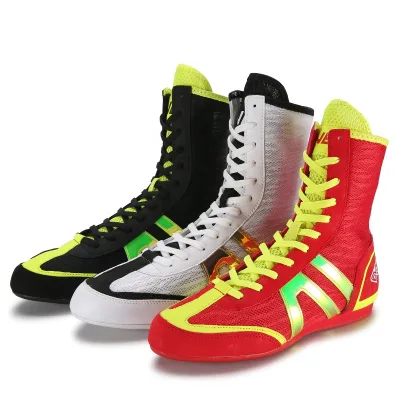
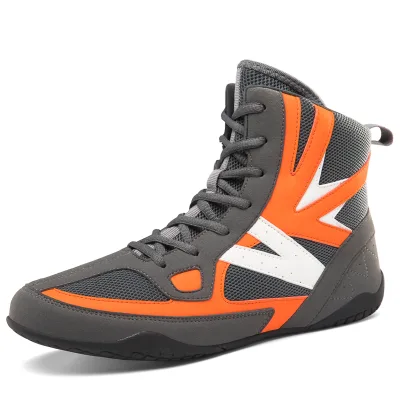
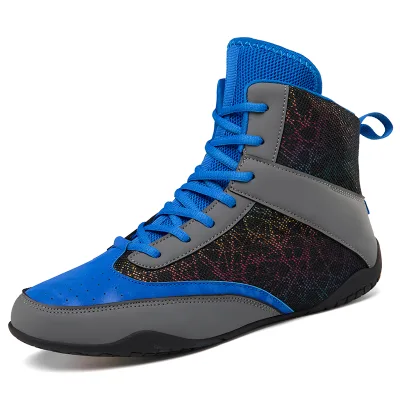
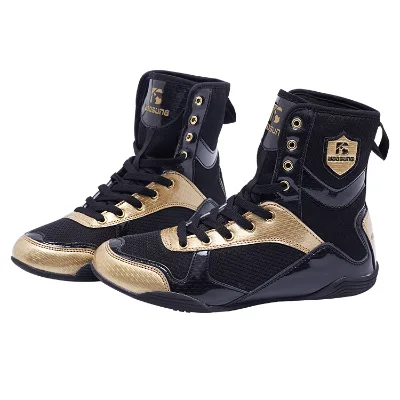
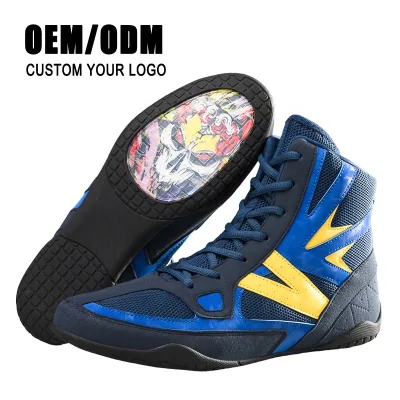
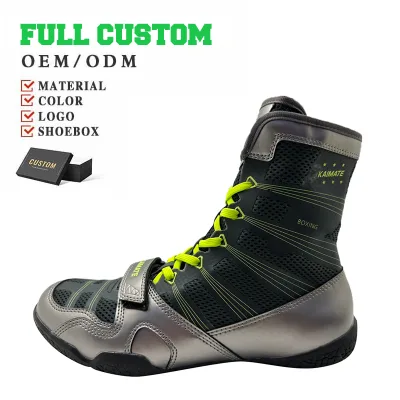
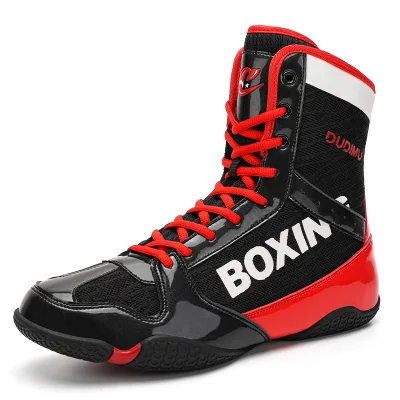
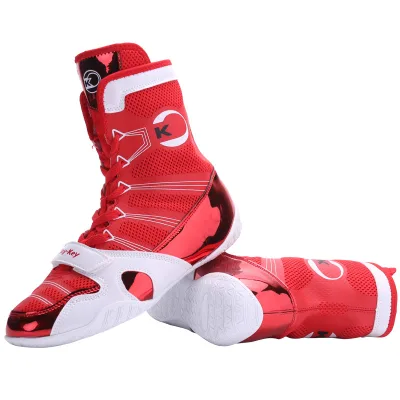
Unisex High Top Lightweight Boxing Footwear Lace up Custom Logo Boxing Shoes
$8.58 - $9.77
MOQ: 50 pairs


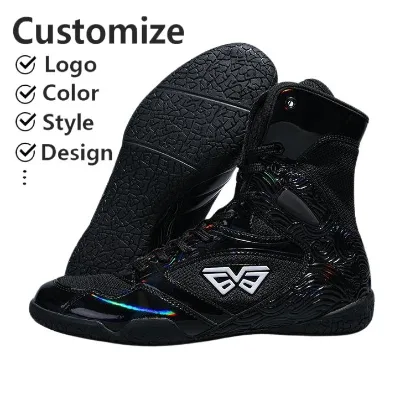
Wholesale High Top Non Slip Boxing Shoes with Ankle Support Custom Logo
$10.89 - $11.62
MOQ: 50 Pieces



Comprehensive Sourcing Guide
High Top Breathable Boxing Shoes Sourcing Guide
Procurement of high-top breathable boxing shoes requires careful alignment between athletic performance needs and supplier capabilities. The observed market data indicates a diverse range of models, including specific boxing applications like the Rongdodo series and general training footwear, all emphasizing breathability through mesh uppers. Buyers must distinguish between products designed for competition versus those intended for general training, as the feature sets and durability expectations differ significantly.
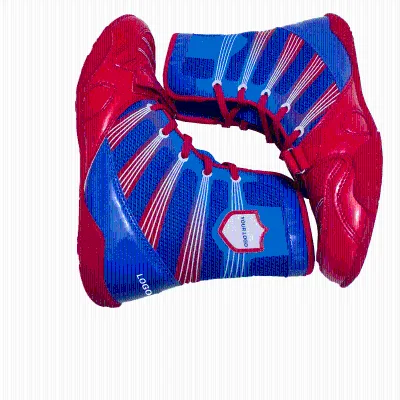
Sourcing decisions should prioritize suppliers who explicitly confirm customization options for logos and packaging, as this is a standard requirement for B2B buyers in this category. The available data shows that while some models offer specific colorways like black-gold or white-gold, others provide multi-color or custom options. Understanding these variations is essential before placing bulk orders, ensuring the final product matches the brand identity and functional requirements of the target athlete demographic.
Product Scope and Observed Listing Signals
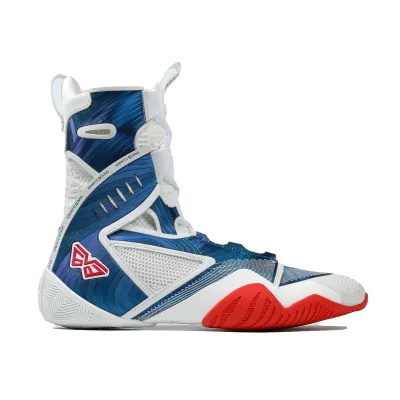
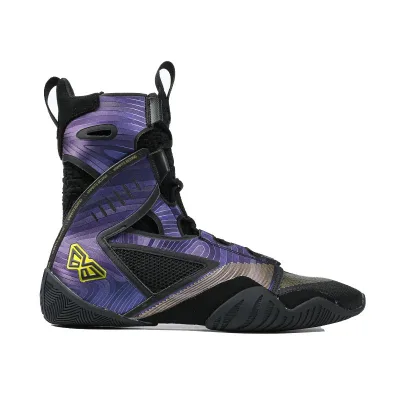
The product scope for high-top breathable boxing shoes encompasses a variety of models ranging from specific boxing training gear to general athletic footwear. Listings reveal distinct product names such as "Boxing Shoes" and "Rongdodo Boxing Shoes," with features including eco-friendly materials, lightweight construction, and soft insoles. These signals suggest a market segment focused on comfort and performance, where breathability is a primary attribute alongside durability for repeated use in training environments.
Buyers must verify the specific usage claims against the actual product attributes, as some listings specify usage for both training and competition while others focus solely on training. The observed size ranges vary from CN 36 to CN 47, indicating a broad market coverage that requires precise size chart verification to avoid inventory mismatches. Additionally, the presence of customization options for packing, such as PVC bags or custom boxes, highlights the importance of aligning logistics and branding requirements with the supplier's standard offerings.
Technical Specifications to Verify
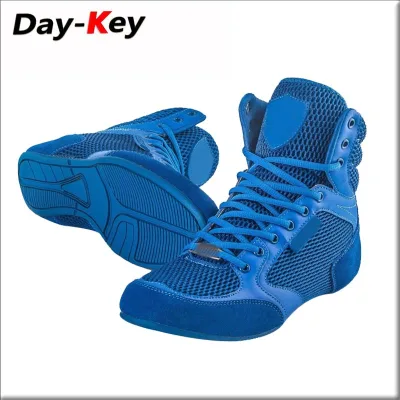
Technical verification must begin with the upper material composition, as mesh is a dominant feature for breathability in the observed listings. Buyers should confirm that the mesh is paired with high-quality PU or rubber components to ensure structural integrity during high-impact movements. The insole material, often EVA, provides cushioning, but the specific density and thickness should be validated to guarantee adequate shock absorption for boxing-specific footwork and pivoting.
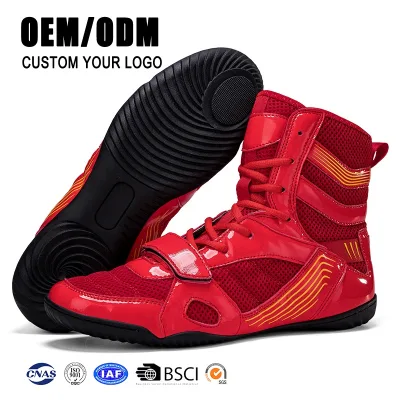
The heel height and sole construction are critical for stability, with flat heels and rubber outsoles being the standard observed configuration. These specifications support the necessary traction and ground feel required for boxing, yet buyers must ensure the rubber compound offers sufficient grip without being overly sticky. Furthermore, the service life of one to four years suggests a range of durability expectations, necessitating a clear definition of quality standards to ensure the selected model meets the intended usage frequency and intensity.
Compliance and Safety Documentation
Compliance verification should focus on material safety, particularly regarding non-toxic and eco-friendly claims found in several product listings. Buyers must request documentation confirming that the materials used, including the cotton fabric lining and mesh uppers, meet relevant safety standards for direct skin contact and environmental impact. This is especially important for products marketed as eco-friendly, where third-party verification adds credibility to the supplier's claims.
Safety documentation also extends to the manufacturing process and the final product's structural integrity. While specific certification names are not universally listed, buyers should inquire about quality control protocols that ensure the shoes meet the "as the picture" quality standard without defects. Ensuring that the product adheres to general safety guidelines for athletic footwear helps mitigate liability risks and builds trust with end-users who rely on the equipment for rigorous physical activity.
Cost Drivers and Commercial Terms
Cost drivers in this category are heavily influenced by the level of customization required, including logo placement, packaging design, and material selection. The observed MOQ ranges from 50 pairs to 1500 units, creating a significant variance in unit pricing and total investment. Buyers must evaluate whether the lower MOQ options provide sufficient flexibility for testing the market or if higher volume commitments are necessary to achieve competitive pricing tiers.
Commercial terms should explicitly address the lead times and payment structures associated with customized orders. Since customization is a key feature, suppliers may require longer production windows compared to standard stock items. Buyers need to clarify the timeline for sample approval and bulk production to ensure alignment with their sales cycles. Additionally, understanding the packaging options, such as carton versus custom boxes, is vital for calculating total landed costs and logistics planning.
Supplier Qualification and Quality Control
Supplier qualification requires a thorough assessment of their manufacturing location and capacity to deliver consistent quality. The observed data points to origins in China, specifically Hebei, which is a known hub for footwear production. Buyers should verify the supplier's track record in producing boxing-specific footwear and their ability to maintain the "as the picture" quality standard across large batches.
Quality control processes must be robust, particularly for features like breathability and durability that are central to the product's value proposition. Buyers should request evidence of in-house testing or third-party inspections to validate the service life claims of one to four years. Establishing a clear communication channel for quality issues and defining acceptable defect rates is essential to prevent disputes and ensure that the final delivered goods meet the agreed-upon specifications.
Long-Term Procurement Checks
Long-term procurement success depends on the supplier's ability to maintain consistent product specifications over time. Buyers should monitor changes in material sources, such as the mesh or EVA insole, which could affect the breathability and comfort of the shoes. Regular audits or sample checks are necessary to ensure that the product continues to meet the original performance standards and that any substitutions are communicated and approved in advance.
Strategic planning should also include evaluating the supplier's responsiveness to market trends and customization requests. As the boxing footwear market evolves, the ability to adapt designs or introduce new features like enhanced eco-friendly materials will be crucial. Maintaining a strong partnership with a supplier who offers flexible OEM services and reliable bulk order capabilities ensures a steady supply chain and the ability to scale operations as demand grows.
FAQs
What materials are typically used in High Top Breathable Boxing Shoes?
These boxing shoes usually combine a breathable mesh upper with rubber outsoles and cotton fabric lining, with EVA insoles for cushioning. Some models add high quality PU overlays for durability in high-wear areas. This construction supports ventilation during training and competition while keeping the shoe lightweight and comfortable across all seasons.
How breathable are mesh upper boxing shoes during intense training?
Breathability is a listed core feature, since the mesh upper allows continuous airflow around the foot during intense training or competition. Ventilation works best combined with the cotton lining, which helps manage moisture. Because the shoes are not waterproof, keep them for indoor gym use rather than wet outdoor conditions to preserve comfort and material performance.
What size ranges are available for these boxing shoes?
Listed size ranges include CN 36-45, CN 39-46, and CN 40-47, depending on the model, with some lines referenced by standards such as 30-43# and 35-45#. Confirm the exact range with the supplier before ordering, and note that both male and unisex style options appear among the available listings for training and competition use.
Can I customize the logo, color, and packaging on boxing shoes?
Yes, customization is available on many listed models. Suppliers commonly accept customized logos, multi-color or picture-based color options, and customized packaging such as PVC bags, boxes, or your own design. Customization usually applies to bulk orders, so confirm minimum order quantities, sample availability, and any added cost directly with the supplier before confirming production.
How much do boxing shoes weigh per pair?
One listed model shows a weight of about 280 grams for a single size 42 shoe, or about 850 grams including the packaging box and shoes. Weights vary by size and construction, so ask each supplier for the specific weight of your chosen model and size to compare lightweight performance across available options.
Which heel type suits boxing training best?
These listings feature flat heels, which provide stable ground contact for footwork, pivoting, and weight transfer during boxing training and competition. A flat sole combined with a rubber outsole helps grip the canvas or gym floor. When comparing options, prioritize outsole traction and ankle support alongside breathability for the type of training you perform most.
What is the typical minimum order quantity for wholesale boxing shoes?
Observed MOQ ranges across listings run from 1 pair up to 1500, with some listings specifying 50 pairs as the minimum for customized orders. Low MOQ options suit sampling and small retailers, while larger quantities typically unlock customization and better unit pricing. Always confirm the MOQ tied to your chosen model, size range, and customization requirements.
How long can I expect these boxing shoes to last?
A listed service life of 1 to 4 years reflects normal training and competition use, though actual longevity depends on session frequency, surface type, and care. Mesh and rubber construction holds up well indoors, but since the shoes are not waterproof, avoid wet conditions. Rotating pairs and air-drying after training helps preserve materials over time.