Source Ultra Light Rebound Sports Shoes for daily life, sports, and leisure
Compare 30 listings of Ultra Light Rebound Sports Shoes featuring mesh linings, EVA insoles, and waterproof options. Buyers can evaluate models with anti-slip blades, carbon fiber plates, and recycled materials for various athletic and casual needs.
Key considerations
Products List


Minimalist Unisex Flexible High Rebound Foam Sports Shoes for Gym Training
$32.98 - $45.98
MOQ: 1 Pairs

Men's High Rebound Elastic Carbon Plate Sports Shoes for Marathon Training
$32.98 - $45.98
MOQ: 1 Pairs


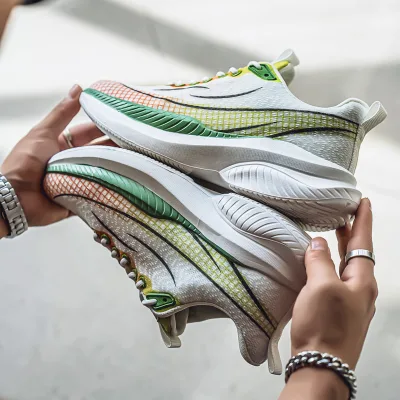

Ultra-Light Marathon Shoes and Performance Sneakers for Vertical Climbing
$10.80 - $18.50
MOQ: 500 Pieces

Comfortable Running Shoes for Jogging and Sports with Cushioned Support
$10.80 - $18.50
MOQ: 500 Pieces

Climbing and Running Shoes with Custom Options and Breathable Fashion Design
$10.80 - $18.50
MOQ: 500 Pieces


Ultra-Lightweight Rapid-Dry Athletic Shoes for Performance-Oriented Runners
$11.20 - $12.99
MOQ: 1 Pairs


Comprehensive Sourcing Guide
Strategic Sourcing Guide for Ultra Light Rebound Sports Shoes
The global market for ultra-light rebound sports shoes has evolved from a niche performance category into a mainstream demand driver, particularly for athletes and fitness enthusiasts seeking energy return without the weight penalty of traditional footwear. For B2B procurement professionals, sourcing these products requires a nuanced understanding of material science, supply chain logistics, and quality assurance protocols. The term "ultra light" implies a specific engineering balance where weight reduction does not compromise structural integrity or durability. Similarly, "rebound" refers to the energy return mechanism, often achieved through specialized midsole foams and carbon fiber plates. This guide outlines the critical factors buyers must evaluate when sourcing these products, ensuring that procurement decisions are grounded in verifiable facts and industry standards rather than marketing claims.
Technical Specifications and Material Composition
The core differentiator in ultra-light rebound sports shoes lies in the composition of the upper, midsole, and outsole. Procurement teams must verify that the materials listed in product specifications align with the functional requirements of the shoe. High-performance models often utilize a combination of recycled polyester fiber and recycled knit mesh for the upper. This material choice serves a dual purpose: it reduces the overall weight of the shoe while providing the necessary breathability and structural support. The lining material is equally critical; observed specifications indicate the use of mesh or cotton fabric. Mesh linings are preferred for high-intensity sports due to their superior moisture-wicking capabilities, whereas cotton fabric may be selected for comfort in lower-impact scenarios.
The midsole is the heart of the rebound technology. Advanced sourcing requires confirmation of the midsole composition, which frequently includes bio-based EVA foam combined with a carbon fiber plate. The carbon fiber plate acts as a lever, storing and releasing energy to propel the wearer forward, while the bio-based EVA foam provides the cushioning and shock absorption necessary to protect joints. The outsole material must offer a balance of grip and durability. Rubber is the standard material observed for outsoles, often utilizing recycled rubber compounds to meet sustainability goals. Buyers should specifically look for anti-slip designs, such as anti-slip blades, which enhance traction on various surfaces. The heel height is another technical variable; options range from flat profiles to low heels, depending on the intended athletic discipline. A flat profile is common in modern running and training shoes to promote a natural foot strike, while low heels may be preferred for specific sports applications.
Compliance, Certification, and Safety Standards
While specific certification names are not universally mandated for all footwear, buyers must rigorously verify that products meet relevant safety and quality standards. The supply chain for sports shoes often involves complex manufacturing processes where compliance with international standards is essential for market access. Procurement teams should request documentation confirming that the materials used, such as the EVA foam and rubber outsoles, do not contain prohibited substances. Although specific test results are not provided in general listings, the presence of features like "anti-microbial" properties suggests that the manufacturer has implemented treatments to inhibit bacterial growth, a critical factor for hygiene in sports footwear.
Waterproofing is a variable attribute that requires clear verification. Some models are explicitly marked as waterproof, utilizing sealed seams and water-resistant materials, while others are designed to be breathable and are not waterproof. Buyers must distinguish between these two categories based on the intended use case. For instance, shoes designed for daily life and leisure or sports in dry conditions may not require waterproofing, whereas models intended for all-weather training must meet specific water-resistance standards. The product origin, often cited as China or specific regions like Fujian, does not inherently dictate compliance, but it necessitates a deeper audit of the supplier's quality management systems. Buyers should ensure that the supplier adheres to labor standards and environmental regulations applicable to the destination market.
Cost Drivers and Pricing Dynamics
The pricing of ultra-light rebound sports shoes is influenced by several interconnected factors, primarily the complexity of the materials and the manufacturing technology involved. The observed price range in the market spans from approximately $0.75 to $45.98, reflecting a vast disparity in product quality, brand positioning, and feature sets. The lower end of this spectrum typically corresponds to basic models with standard EVA foam and fabric uppers, while the higher end includes advanced models featuring carbon fiber plates, bio-based materials, and specialized rebound technologies.
Material costs are a significant driver. The use of recycled polyester fiber and recycled rubber, while beneficial for sustainability, can sometimes incur higher processing costs compared to virgin materials. Additionally, the inclusion of a carbon fiber plate adds substantial value and cost to the midsole assembly. The customization options available, such as OEM services, also impact the final price. Suppliers that offer custom branding, unique colorways, or specific material modifications will typically charge a premium. The minimum order quantity (MOQ) is another critical cost factor. The observed MOQ range varies from 1 to 5000 units. Small orders, such as those for sampling or small boutique retailers, often carry a higher per-unit cost due to the fixed costs of setup and production. Conversely, bulk orders can leverage economies of scale to reduce the unit price significantly. Buyers must balance the need for flexibility with the cost benefits of larger volumes when negotiating with suppliers.
Typical Applications and Usage Scenarios
Understanding the intended application of the shoes is vital for selecting the right product for the target market. The observed product attributes indicate that these shoes are designed for a wide range of scenes, including daily life and leisure, as well as sports. This versatility allows them to serve multiple market segments. For the sports category, the rebound technology and shock absorption features make them suitable for running, training, and high-intensity interval workouts. The breathable mesh lining and resilient materials ensure that the shoes can withstand the rigors of athletic activity while maintaining comfort.
In the daily life and leisure sector, the fashion-forward style and round head design make these shoes appropriate for casual wear. The anti-slip design ensures safety during everyday activities, while the lightweight construction reduces fatigue during long periods of standing or walking. Some models are specifically noted for their nursing instructions, such as avoiding sun exposure, which suggests that the materials may be sensitive to UV degradation. This is an important consideration for retailers targeting outdoor markets or customers who wear their shoes frequently in sunny conditions. The gender classification as unisex further expands the potential market, allowing buyers to stock a single SKU that appeals to a broader demographic.
Supplier Evaluation and Verification
Selecting the right supplier is perhaps the most critical step in the procurement process. Buyers should evaluate suppliers based on their ability to deliver consistent quality, adhere to timelines, and provide transparent communication. The availability of customization options, such as OEM services, is a strong indicator of a supplier's flexibility and manufacturing capability. Suppliers that accept OEM orders are typically more experienced in handling specific client requirements, from material selection to packaging.
The delivery time is another key metric for supplier evaluation. While some suppliers offer a delivery time of about three days, this may apply to specific scenarios such as sample orders or ready-to-ship inventory. For bulk production, lead times will vary based on the complexity of the order and the supplier's current capacity. Buyers should verify the actual lead times for their specific order volume to avoid delays in their supply chain. The product packing is also a factor; some items are packed in wooden crates, while others may use standard carton packaging. The choice of packaging can affect shipping costs and the condition of the goods upon arrival.
Quality Control and Long-Term Procurement
Implementing a robust quality control (QC) strategy is essential for maintaining product integrity. Buyers should establish clear acceptance criteria based on the technical specifications provided. This includes verifying the weight of the shoes, as the standard is often cited as 0.6kg per pair for lightweight models. Any significant deviation from this standard could indicate a manufacturing defect or the use of inferior materials. The shock absorption capability, attributed to EVA foam, should be tested to ensure it meets the expected performance levels.
Long-term procurement considerations involve building a sustainable relationship with suppliers. This includes negotiating favorable terms for repeat orders, establishing clear communication channels for quality issues, and ensuring that the supplier can scale production as demand grows. The availability of samples is a valuable resource for buyers to test the product before committing to a large order. Buyers should take advantage of sample opportunities to evaluate the fit, comfort, and durability of the shoes. Additionally, the product standard, often defined by dimensions such as 322515 or 304020 for packaging, should be verified to ensure compatibility with logistics and storage requirements.
Comparison of Key Product Attributes
To facilitate decision-making, the following table summarizes the key attributes observed in the market for ultra-light rebound sports shoes. This comparison highlights the variability in specifications and helps buyers identify the features that align with their specific needs.
| Attribute Category | Common Variations | Key Considerations for Buyers |
|---|---|---|
| Upper Material | Recycled Polyester Fiber, Fabric, Mesh | Verify breathability and durability; check for UV sensitivity. |
| Midsole Composition | Bio-Based EVA Foam, EVA Foam + Carbon Fiber Plate | Confirm rebound efficiency; ensure carbon fiber integration is secure. |
| Outsole Material | Rubber, Recycled Rubber | Check for anti-slip design; verify traction on target surfaces. |
| Waterproof Status | Waterproof, Not Waterproof | Match to intended use case (e.g., wet weather vs. dry sports). |
| Heel Height | Flat, Low Heel | Select based on athletic discipline and comfort preference. |
| Lining Material | Mesh, Cotton Fabric | Prioritize mesh for high-intensity sports; cotton for casual comfort. |
| Packaging | 1 Pair, Wooden, Standard Carton | Assess impact on shipping costs and product protection. |
| Origin | China, Fujian, China | Verify supplier location for logistics planning and compliance. |
In conclusion, sourcing ultra-light rebound sports shoes requires a meticulous approach that balances technical performance with commercial viability. By focusing on material quality, verifying compliance, understanding cost drivers, and evaluating supplier capabilities, buyers can secure products that meet the high standards of the modern athletic market. The diversity of options available, from different heel heights to varying waterproofing levels, allows for tailored procurement strategies that address the specific needs of diverse customer segments. Ultimately, success in this category depends on the ability to navigate the complex interplay of innovation, quality, and supply chain efficiency.
FAQs
What materials are used for the upper and midsole?
The upper typically uses recycled polyester fiber or fabric, while the midsole often combines bio-based EVA foam with a carbon fiber plate. Some models feature mesh or cotton fabric linings for breathability and comfort during sports or daily activities.
Are these shoes waterproof or breathable?
Product attributes vary, with some models explicitly marked as waterproof and others designed to be breathable without water resistance. Buyers must verify the specific waterproof status to match the intended use case, such as dry sports versus all-weather training.
What is the typical heel height for these shoes?
Heel heights range from flat profiles to low heels depending on the specific model and athletic discipline. Flat profiles are common for running to promote natural foot strikes, while low heels may be preferred for specific sports applications requiring different support.
Can suppliers offer OEM customization services?
Yes, many suppliers accept OEM customization orders for branding and specific material modifications. This flexibility allows buyers to request unique colorways or material changes, though it may impact the final price and minimum order quantity requirements.
What is the minimum order quantity for these shoes?
The minimum order quantity ranges from one pair for sampling to 5000 units for bulk production. Small orders often carry higher per-unit costs, while larger volumes leverage economies of scale to significantly reduce the price per pair.
Where are these shoes typically manufactured?
Products are primarily sourced from China, with specific origins noted in regions like Fujian. Buyers should verify the supplier's location and quality management systems to ensure compliance with international standards and labor regulations.
What is the expected delivery time for orders?
Delivery times vary, with some suppliers offering about three days for sample orders or ready-to-ship inventory. Bulk production lead times depend on order complexity and supplier capacity, requiring verification before committing to large volumes.