Source Waterproof Hollow Out Skeleton Watch for Retailers
Source the Waterproof Hollow Out Skeleton Watch from 30 available listings. Compare mechanical and quartz movements, stainless steel bands, and various dial colors to find the right timepiece for your inventory needs.
Key considerations
Products List
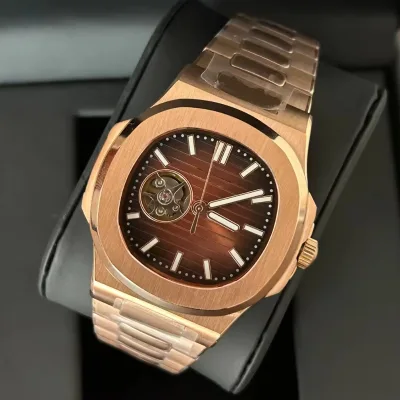

High Quality Carbon Fiber Waterproof Watch Sapphire Crystal Hollow out Design
$350.00 - $600.00
MOQ: 2 Pieces


Factory Wholesale of Original Carbon Fiber Watches. Skeleton Ultra-Thin Design.
$350.00 - $1250.00
MOQ: 1 Pieces


Comprehensive Sourcing Guide
Waterproof Hollow Out Skeleton Watch Sourcing Guide
Sourcing waterproof hollow out skeleton watches requires a nuanced understanding of mechanical complexity and environmental sealing. These timepieces combine aesthetic transparency with functional durability, presenting unique challenges for procurement teams focused on quality assurance and supply chain reliability. The hollowed-out design exposes the internal movement, allowing buyers to appreciate the craftsmanship of gears and springs, while the waterproof rating ensures the watch remains functional in wet conditions. This guide provides evidence-based procurement strategies to help buyers navigate the complexities of this specialized product category, ensuring that aesthetic appeal does not compromise mechanical integrity or long-term performance.
The intersection of skeletonization and water resistance creates specific engineering constraints that must be addressed during the sourcing process. Buyers must recognize that removing material from the case and dial to create a skeletal view can compromise structural integrity if not executed with precision. Furthermore, sealing these open areas against water ingress requires advanced gasketing techniques and precise case back engineering. Understanding these technical trade-offs is essential for defining accurate product specifications and setting realistic expectations with suppliers regarding durability, maintenance requirements, and potential failure points in high-humidity or wet environments.
Product Scope and Observed Listing Signals
The current market landscape for skeleton watches reveals a diverse range of styles, materials, and movement types, reflecting varied consumer preferences and price points. Observed listings indicate a significant variation in case diameters, with common sizes including 41mm and 42mm options, catering to both unisex and men’s fashion segments. The color palette is equally diverse, featuring classic combinations such as white, black, blue, and brown dials, alongside stainless steel and plated metal bands. This variety suggests that buyers should not assume a uniform product standard across all suppliers, as aesthetic choices often correlate with different manufacturing capabilities and quality tiers.
Listing signals also highlight the importance of movement type and additional features in defining product value. Mechanical movements, including those with day/date, chronograph, and power reserve functions, are prevalent, alongside quartz options that offer reliability and lower maintenance. Some listings emphasize specific movement models, such as the Huanghai Movement, which may indicate a focus on cost-effective mechanical solutions. Additionally, features like luminous hands, multiple time zones, and screw crowns are frequently advertised, signaling a shift towards functional versatility. Buyers must carefully cross-reference these advertised features with actual product samples to ensure that the listed specifications match the physical attributes of the supplied goods.
Technical Specifications to Verify
Verifying the waterproof rating is a critical step in the procurement process, as skeleton watches are inherently more vulnerable to water ingress than solid-case counterparts. Buyers should confirm the specific depth rating, such as 30 meters, and understand that this typically indicates splash resistance rather than suitability for swimming or diving. The presence of a screw crown is a positive indicator of enhanced sealing capabilities, as it provides a more secure closure than a push-in crown. However, buyers must verify that the gaskets used in the crown tube, case back, and crystal are of high quality and regularly maintained, as these are the primary points of failure in water-resistant skeleton watches.
The construction of the case and the choice of surface material also require rigorous verification. Listings may mention sapphire crystal, tempered glass, or standard glass, each offering different levels of scratch resistance and clarity. Sapphire is generally preferred for its durability, while tempered glass offers a balance of cost and performance. Additionally, the case back design, whether transparent or solid, impacts both the aesthetic appeal and the structural integrity of the watch. Buyers should request detailed technical drawings or high-resolution images to inspect the thickness of the case walls and the precision of the skeletonization, ensuring that the structural integrity is not compromised by excessive material removal.
Compliance and Safety Documentation
Compliance with international standards for materials and safety is essential, particularly for watches that come into direct contact with the skin. Buyers should verify that all materials, including stainless steel bands and plated metals, comply with relevant regulations regarding nickel release and heavy metal content. While specific certification statuses may vary by supplier, buyers should request documentation that confirms adherence to standards such as REACH or RoHS, which govern the use of hazardous substances in electronic and mechanical products. This due diligence helps mitigate legal risks and ensures that the products are safe for global distribution.
In addition to material safety, buyers should assess the supplier’s commitment to quality management systems. Although specific certifications like ISO 9001 may not be explicitly listed in all product pages, reputable suppliers often operate under such frameworks to ensure consistent production quality. Buyers should inquire about the supplier’s internal quality control processes, including how they test for water resistance and mechanical accuracy. Requesting test reports or certificates of conformity for specific batches can provide valuable insights into the supplier’s reliability and their ability to maintain consistent product standards over time.
Cost Drivers and Commercial Terms
The cost of waterproof hollow out skeleton watches is influenced by several key factors, including the complexity of the movement, the quality of materials, and the precision of the skeletonization process. Mechanical movements, particularly those with additional complications like chronographs or power reserves, tend to be more expensive than quartz movements. Similarly, the use of sapphire crystal and high-grade stainless steel or plated metals adds to the overall cost. Buyers should be aware that lower prices may indicate compromises in material quality or movement reliability, so it is essential to balance cost considerations with long-term product performance.
Commercial terms, such as minimum order quantities (MOQ) and lead times, also play a significant role in the procurement strategy. Observed MOQ ranges vary from 1 to 1000 units, offering flexibility for both small-scale retailers and large distributors. Buyers should negotiate terms that align with their inventory management strategies, considering factors like storage costs and market demand fluctuations. Additionally, lead times can vary based on the complexity of the order and the supplier’s production capacity. Establishing clear communication channels and setting realistic expectations for delivery schedules can help prevent supply chain disruptions and ensure timely product availability.
Supplier Qualification and Quality Control
Supplier qualification is a critical step in ensuring the reliability and consistency of waterproof hollow out skeleton watches. Buyers should conduct thorough due diligence on potential suppliers, assessing their manufacturing capabilities, quality control processes, and track record in the industry. Requesting samples of previous orders can provide valuable insights into the supplier’s ability to meet specifications and maintain consistent quality. Additionally, buyers should verify the supplier’s ability to handle customization requests, such as specific dial colors or band materials, which may require additional engineering and production adjustments.
Quality control measures should be integrated into the procurement process to minimize the risk of defects and ensure product reliability. Buyers should establish clear quality standards and inspection criteria, including checks for water resistance, movement accuracy, and aesthetic finish. Implementing pre-shipment inspections or third-party quality audits can provide an additional layer of assurance, helping to identify and address potential issues before products are shipped. Furthermore, buyers should maintain open communication with suppliers regarding any quality concerns, fostering a collaborative relationship that prioritizes continuous improvement and customer satisfaction.
Long-Term Procurement Checks
Long-term procurement success depends on the ability to monitor and adapt to changes in the market, supplier performance, and product quality. Buyers should establish a system for tracking key performance indicators, such as defect rates, delivery times, and customer feedback, to identify trends and areas for improvement. Regularly reviewing supplier performance against these metrics can help buyers make informed decisions about continuing or adjusting their sourcing strategies. Additionally, staying informed about industry trends and technological advancements can help buyers anticipate changes in product design and functionality, ensuring that their offerings remain competitive and relevant.
Sustainability and ethical sourcing practices are increasingly important considerations for modern procurement teams. Buyers should assess their suppliers’ commitment to environmental responsibility and ethical labor practices, ensuring that their supply chain aligns with their corporate social responsibility goals. This may involve verifying that suppliers adhere to fair labor standards and implement sustainable manufacturing practices, such as reducing waste and energy consumption. By prioritizing sustainability and ethical sourcing, buyers can enhance their brand reputation and build stronger, more resilient relationships with their suppliers and customers.
FAQs
What movement types are available for these watches?
Both mechanical and quartz movements are available for these watches. Some models feature the Huanghai Movement while others use standard mechanical calibers like the 3235, offering different power reserve and accuracy characteristics for buyers.
Which case shapes and sizes are offered?
The watches feature round case shapes with a standard diameter of 41mm. Some specific models also list a 42mm dial diameter, ensuring a consistent sporty or casual aesthetic across the different product variations available.
Can I customize the watch band material?
Customization is available for these watches. Buyers can choose from stainless steel bands or options combining stainless steel with plated metal, allowing for flexibility in durability and aesthetic finish based on specific requirements.
What is the water resistance rating of these watches?
The watches have a water resistance rating of 30 meters. This level of protection is suitable for daily wear and light splashes but is not intended for swimming or deep-water activities.
Which features are included in the watch dials?
Common features include day/date displays, chronograph functions, and power reserve indicators. Some models also offer luminous hands and multiple time zones, providing versatile functionality for both casual and sporty styles.
What is the origin location for these products?
The products originate from Guanzhou and other locations in China. This sourcing location is standard for the listed items, ensuring consistent manufacturing quality and availability for international buyers.