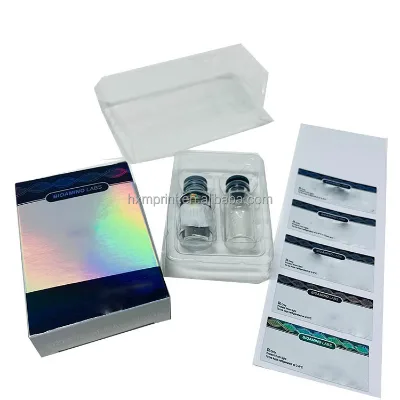
Source Waterproof Holographic Packaging Vial for Cosmetics, Medicine, and Labels
Explore 30 listings for Waterproof Holographic Packaging Vial solutions tailored for cosmetics, medicine, and custom sticker applications. Compare models like WDPVaa5 and VL011, featuring PET and paper materials with customizable sizes and CYMK or hologram printing options to meet your specific branding needs.
Key considerations
Products List


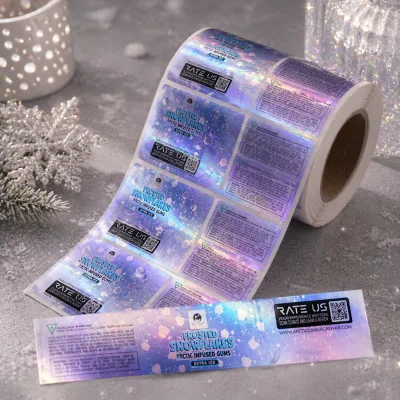

$6.90 - $10.00
MOQ: 100 Rolls


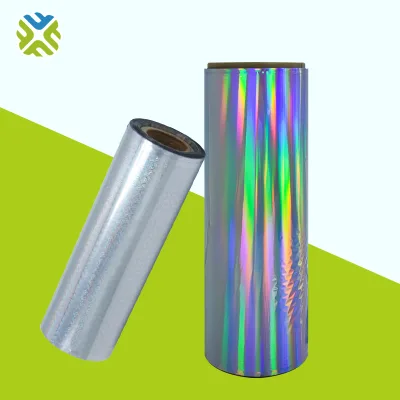
Support Sample BOPP/Pet Holographic Film Clear Hologram Packaging Film
$0.05 - $0.06
MOQ: 30000 Square Meters

Metallized Holographic BOPP Pattern High Gloss Film Packaging Printing
$0.06 - $0.07
MOQ: 10000 Square Meters

Comprehensive Sourcing Guide
Waterproof Holographic Packaging Vial Sourcing Guide
Procuring waterproof holographic packaging vials requires a strategic approach to balancing aesthetic appeal with functional durability for pharmaceutical and cosmetic applications. Buyers must prioritize suppliers who demonstrate verified capabilities in producing adhesive stickers and labels that resist moisture while maintaining the integrity of holographic security features. The observed market data indicates a diverse range of materials, including paper, plastic, and PET, which directly influences the final product's resistance to environmental factors and its suitability for specific usage scenarios.
When evaluating potential vendors, it is essential to verify that the customization options align with your specific branding and security needs. The available product models suggest a wide variety of sizes and shapes, from standard rectangles to custom dimensions, allowing for tailored solutions. However, the buyer must ensure that the selected material, whether normal paper or holographic paper, meets the rigorous waterproof requirements necessary for medicine and cosmetics, as not all listed materials inherently possess these protective qualities without specific treatment or coating.
Product Scope and Observed Listing Signals
The current market landscape for waterproof holographic packaging vials presents a mix of adhesive stickers and anti-counterfeiting labels designed for high-value applications. Listings frequently highlight features such as screen printing capabilities and the option for two-sided or single-sided printing, which are critical for conveying complex branding or regulatory information. The observed product models, ranging from WDPVaa5 to DC-Renee232, indicate that suppliers offer a broad spectrum of designs, including silver, gold, and custom color options to meet distinct visual identity requirements.
Buyers should carefully distinguish between general packaging solutions and specialized anti-counterfeiting labels, as the latter often require more stringent manufacturing controls. The presence of specific standards like ROHS in some listings suggests that certain suppliers adhere to environmental safety guidelines, which is a significant advantage for global distribution. However, the variation in material choices, such as the inclusion of plastic and PET alongside paper, necessitates a clear definition of the intended application to ensure the selected product offers the necessary durability and visual impact for the specific market segment.
Technical Specifications to Verify
Technical verification must begin with the material composition, as the choice between paper, plastic, and PET fundamentally dictates the waterproof performance and longevity of the packaging. While some listings specify materials like PET for enhanced durability, others offer normal or holographic paper, which may require additional lamination or coating to achieve true waterproof status. Buyers should explicitly request test data or material safety data sheets to confirm that the selected material will not degrade when exposed to moisture, humidity, or the specific chemical environments found in medicine and cosmetics.
Dimensional accuracy and printing quality are equally critical, with observed standards ranging from precise measurements like 10x15mm to fully customizable sizes. The ability to customize the shape, such as the observed rectangular format, and the availability of holographic printing alongside standard CMYK processes are key technical differentiators. Procurement teams must verify that the supplier can consistently reproduce the holographic effect and maintain color fidelity across large batches, ensuring that the security features remain visible and effective throughout the product's lifecycle.
Compliance and Safety Documentation
Ensuring compliance with international safety standards is paramount when sourcing packaging for medicine and cosmetics, sectors that demand rigorous adherence to regulatory frameworks. Although some listings mention ROHS compliance, buyers must independently verify that all materials, inks, and adhesives used in the production of waterproof holographic vials meet the specific regulatory requirements of their target markets. This includes confirming that the products are free from hazardous substances and that the manufacturing process adheres to relevant environmental and safety protocols to prevent contamination of the final goods.
Documentation regarding the origin of materials and the manufacturing location is also essential for supply chain transparency and risk management. With observed origins in China and specific regions like Guangdong and Dongguan, buyers should request detailed certificates of origin and any applicable quality management certifications. While some background information mentions ISO standards, these should not be assumed without direct verification from the supplier. Procurement teams must ensure that the supplier can provide up-to-date documentation proving that their products are safe for use in sensitive applications like pharmaceuticals and personal care items.
Cost Drivers and Commercial Terms
The cost of waterproof holographic packaging vials is heavily influenced by the complexity of the customization, the choice of material, and the volume of the order. The observed MOQ range of 50 to 30,000 pieces indicates that suppliers offer flexible terms, but the unit price will vary significantly based on the selected model and the specific printing techniques employed, such as screen printing or holographic printing. Buyers should anticipate higher costs for custom designs, specialized materials like PET, and intricate security features that require advanced manufacturing processes.
Commercial terms regarding packaging and logistics also play a crucial role in the total cost of ownership. Listings indicate various packing methods, including express shipping via DHL, UPS, or FedEx, as well as standard carton or plastic bag packaging. These options affect both the immediate shipping costs and the protection of goods during transit. Procurement teams must negotiate clear terms that define who bears the risk of damage during shipping and ensure that the packaging method selected is robust enough to protect the delicate holographic features and waterproof integrity of the vials.
Supplier Qualification and Quality Control
Supplier qualification should focus on their ability to maintain consistent quality across large production runs, particularly when dealing with complex holographic effects and waterproof coatings. Buyers must assess the supplier's quality control processes to ensure that every batch meets the specified standards for adhesion, print clarity, and material durability. The presence of customization options suggests a flexible production line, but this flexibility must be balanced with strict quality checks to prevent defects that could compromise the security or aesthetic value of the packaging.
Verification of the supplier's track record in the specific niche of waterproof and anti-counterfeiting labels is essential for mitigating supply chain risks. Buyers should request references from other clients in the medicine or cosmetics industries to confirm the supplier's reliability and ability to meet tight deadlines. Additionally, conducting on-site audits or third-party inspections can provide valuable insights into the manufacturing environment and the effectiveness of the quality control measures in place, ensuring that the supplier can consistently deliver high-quality products that meet your exact specifications.
Long-Term Procurement Checks
Establishing a long-term procurement strategy requires regular performance reviews and continuous monitoring of the supplier's ability to adapt to changing market demands. Buyers should implement a system for tracking key performance indicators such as defect rates, delivery times, and responsiveness to customization requests. This data-driven approach allows for proactive identification of potential issues and ensures that the supplier remains aligned with your evolving quality standards and business objectives over time.
Periodic re-evaluation of the product specifications and market trends is also necessary to maintain a competitive edge. As technology advances, new materials and printing techniques may emerge that offer superior waterproofing or security features. Procurement teams should stay informed about these developments and regularly engage with suppliers to explore opportunities for innovation. By maintaining a collaborative relationship and fostering open communication, buyers can ensure that their waterproof holographic packaging vials remain effective, compliant, and visually appealing in the long run.
FAQs
Can I get waterproof holographic packaging vials with custom designs?
Yes, you can obtain waterproof holographic packaging vials with free custom designs. The product supports customization for models like WDPVaa5 and offers holographic printing options. You may choose from materials such as normal paper or holographic paper to meet specific branding needs.
What materials are available for waterproof holographic packaging vials?
Available materials include paper, plastic, and PET for waterproof holographic packaging vials. Buyers can select from normal paper or holographic paper depending on the application. These materials support screen printing and are suitable for uses in medicine and cosmetics industries.
Which printing types are supported for waterproof holographic packaging vials?
Supported printing types include screen printing, CMYK printing, and hologram printing for waterproof holographic packaging vials. The product allows for single or two-sided printing pages. Colors can be customized to include silver, gold, blue, green, or red to match your brand identity.
How can I customize the size of waterproof holographic packaging vials?
You can customize the size of waterproof holographic packaging vials to fit your specific requirements. The product offers standard sizes like 10x15mm or 25x25x56mm, but custom dimensions are available. This flexibility ensures the labels or stickers fit various container shapes effectively.
What is the minimum order quantity for waterproof holographic packaging vials?
The minimum order quantity for waterproof holographic packaging vials varies by supplier but can start at 1000 pieces. Some listings indicate MOQs ranging from 50 to 30000 units. Buyers should verify specific MOQ requirements with manufacturers to ensure they meet their procurement volume needs.
Can I find waterproof holographic packaging vials made in China?
Yes, you can find waterproof holographic packaging vials manufactured in China, specifically in Guangdong and Dongguan. These regions are known for producing adhesive stickers and anti-counterfeiting labels. Products often come with customization options and are packed in plastic bags or cartons for shipping.
What certifications are available for waterproof holographic packaging vials?
Some waterproof holographic packaging vials comply with ROHS standards. While FSC and ISO certifications are mentioned in background data, ROHS is a confirmed standard for these products. Buyers should request specific certification documents from suppliers to ensure compliance with their regulatory requirements.