Source Waterproof In-line Blade Fuse Holder for Cars, Boats, and Machines
Find 30 waterproof in-line blade fuse holder options from verified suppliers. Compare specifications, materials, and prices for automotive, marine, and industrial applications to select the right component for your transport system or machine tool needs.
Key considerations
Products List


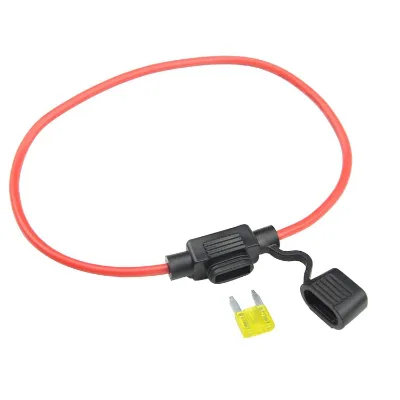


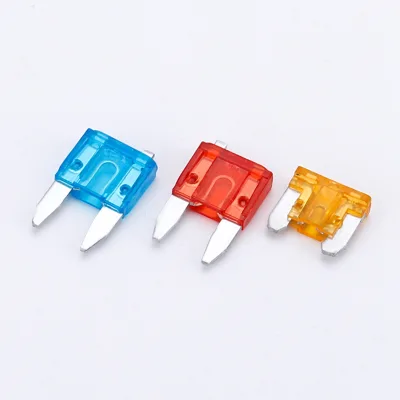


Comprehensive Sourcing Guide
Waterproof In-Line Blade Fuse Holder Sourcing Guide
Sourcing waterproof in-line blade fuse holders requires a careful balance of electrical safety, environmental durability, and supply chain reliability. These components serve as critical protection points in automotive, marine, and industrial transport systems, where exposure to moisture, vibration, and temperature fluctuations can compromise circuit integrity. Buyers must navigate a market characterized by significant variation in material quality, sealing mechanisms, and certification standards. The following guide provides a structured approach to evaluating suppliers, verifying technical specifications, and ensuring long-term procurement success for these essential electrical components.
Product Scope and Observed Listing Signals
The current market for in-line blade fuse holders encompasses a wide range of configurations, including lead wire types, circuit board mounts, and specialized forms such as U-type or square housings. Observed listings indicate that manufacturers offer customization options, allowing buyers to tailor products to specific vehicle or machinery requirements. Materials commonly cited include PVC, PA (polyamide), ABS, and Bakelite, often combined with brass contacts and rubber seals to achieve the necessary waterproof performance. The presence of brands like Tianrui and Mai Yu suggests a competitive landscape where established manufacturers compete on both price and specialized features like OEM services.
Listing signals reveal a diverse product portfolio with models such as TR-BINFH040, TR-BINFH046, and SL-711, each potentially serving different current ratings or physical dimensions. Packaging varies from standard cartons to bulk box quantities, indicating flexibility in order sizes. The observed price range of $0.02 to $3 USD and MOQs between 10 and 5,000 pieces highlight the accessibility of these components for both prototyping and mass production. Buyers should note that while "waterproof" is a common descriptor, the specific IP rating or sealing method is not always explicitly detailed in basic listings, necessitating direct verification with suppliers.
Technical Specifications to Verify
When evaluating in-line blade fuse holders, the first critical step is confirming the fuse type compatibility, particularly whether the holder supports standard, mini, maxi, or low-profile blade fuses. The physical size of the fuse holder, such as medium fuse dimensions, must align with the available space in the vehicle or equipment chassis. Buyers should also verify the installation method, distinguishing between lead wire types that require crimping and circuit board types that offer a more permanent, vibration-resistant solution. The shape of the housing, whether square, pointed tubular, or U-type, impacts both the aesthetic integration and the ease of access for maintenance.
Electrical performance characteristics, including fusing speed (fast or time-delay) and breaking capacity, are vital for ensuring circuit protection under fault conditions. The material composition of the housing and contacts directly influences durability; for instance, ABS and PA offer excellent impact resistance and insulation properties, while brass contacts ensure low resistance and reliable conductivity. Buyers must also assess the environmental protection features, such as the use of rubber gaskets or sealed caps, to confirm that the "waterproof" claim meets the specific demands of the application, whether it is a dusty engine bay or a wet marine environment.
Compliance and Safety Documentation
Safety compliance is non-negotiable for electrical components used in automotive and transport systems. Buyers should request documentation confirming adherence to relevant national or international standards, such as the National Standard or UL certification, which indicates that the product has undergone rigorous testing for electrical safety and flammability. The presence of ISO9001 and IATF16949 certifications for the manufacturer is a strong indicator of a robust quality management system, particularly for automotive applications where traceability and consistency are paramount. These certifications suggest that the supplier follows standardized processes for material selection, production, and final inspection.
In addition to product-level certifications, buyers should inquire about material safety compliance, such as RoHS or REACH, especially if the products are destined for markets with strict environmental regulations. The execution standard of the product should be clearly stated, and any deviations from standard specifications must be documented and approved. It is also important to verify that the supplier provides test reports or certificates of conformity for each batch, ensuring that the waterproofing and electrical integrity have been validated under controlled conditions. This documentation serves as a legal and technical safeguard in the event of field failures or audits.
Cost Drivers and Commercial Terms
The cost of in-line blade fuse holders is influenced by several factors, including the raw material prices for plastics and metals, the complexity of the molding process, and the volume of the order. Higher MOQs typically result in lower unit prices, but buyers must balance this with their inventory carrying costs and cash flow constraints. The observed MOQ range of 10 to 5,000 pieces allows for flexibility, but buyers should negotiate terms that align with their production schedule and demand forecasts. Customization options, such as branded packaging or specific wire lengths, may incur additional setup fees or higher per-unit costs.
Commercial terms also include lead times, payment conditions, and shipping arrangements. Buyers should clarify whether the quoted price includes packaging, such as carton boxes or bulk packing, and whether there are additional charges for specialized packaging requirements. It is advisable to establish clear agreements on quality acceptance criteria and return policies for defective goods. Understanding the total landed cost, including freight and duties, is essential for accurate budgeting. Transparent communication regarding these commercial terms helps prevent unexpected expenses and ensures a smooth procurement process.
Supplier Qualification and Quality Control
Selecting a reliable supplier involves more than just comparing prices; it requires a thorough assessment of their manufacturing capabilities and quality control processes. Buyers should verify the supplier's production capacity, equipment, and workforce expertise to ensure they can meet volume requirements without compromising quality. Requesting samples for physical inspection and functional testing is a crucial step to evaluate the fit, finish, and sealing effectiveness of the fuse holders. Suppliers who offer OEM services often have more flexible production lines, but buyers must ensure that these customizations do not introduce variability in quality.
Quality control measures should include incoming material inspections, in-process checks, and final random inspections before shipment. Buyers should ask for details on the supplier's defect rate and how they handle non-conforming products. Establishing a clear communication channel for addressing quality issues is essential for maintaining a productive relationship. Additionally, considering the supplier's location and logistics network can impact lead times and shipping costs. A supplier with a strong track record in the automotive or electronic sectors is likely to have more mature quality systems in place.
Long-Term Procurement Checks
Sourcing waterproof in-line blade fuse holders is an ongoing process that requires regular review and adjustment. Buyers should monitor market trends for new materials or technologies that could offer improved performance or cost savings. Periodic re-evaluation of supplier performance, including on-time delivery rates and quality metrics, helps identify potential risks early. Maintaining a diversified supplier base can mitigate the impact of supply chain disruptions or sudden price increases. It is also important to stay updated on regulatory changes that may affect product compliance or material usage.
Continuous improvement in procurement practices involves gathering feedback from end-users or internal engineering teams regarding the performance of the fuse holders in the field. This feedback can inform future purchasing decisions and specifications. Building strong relationships with suppliers can lead to better support, priority production, and collaborative problem-solving. By maintaining a disciplined approach to verification and relationship management, buyers can ensure a steady supply of high-quality waterproof in-line blade fuse holders that meet their operational needs.
FAQs
What materials are used for waterproof in-line blade fuse holders?
These holders are constructed from plastic, PVC, PA, brass, ABS, or Bakelite. Some models also incorporate rubber for enhanced durability and environmental protection in automotive and marine applications.
Which certifications do these fuse holders typically hold?
Manufacturers often provide ISO9001 and IATF16949 certifications for quality assurance. Some products also meet UL standards and national execution standards to ensure safety in transport and electronic systems.
Can I find customized waterproof in-line blade fuse holders?
Yes, customization is available for specifications and packaging. Buyers can request specific models like TR-BINFH040 or TR-BINFH046 with tailored dimensions and branding options from suppliers.
What is the typical MOQ for ordering these fuse holders?
The minimum order quantity ranges from 10 to 5000 pieces depending on the supplier. Specific models may have different thresholds, so buyers should verify requirements before placing an order.
Where are these fuse holders manufactured?
Most products originate from China. Suppliers in this region offer various models including blade fuse types and lead wire fuse holders for automotive and machine tool applications.
How are these fuse holders packaged for shipment?
Standard packaging includes cartons or carton boxes. Some suppliers offer bulk packaging such as 500 pieces per box to facilitate efficient logistics and storage for large orders.