Source Waterproof Indoor Growing Tent for Hydroponics, Greenhouses, and Grow Rooms
Explore 30 verified listings for a Waterproof Indoor Growing Tent designed for hydroponics, greenhouses, and grow rooms. Buyers can compare materials like 600D Oxford fabric, frame options, and customizable sizes to find the right solution for plant protection and indoor growth.
Key considerations
Products List


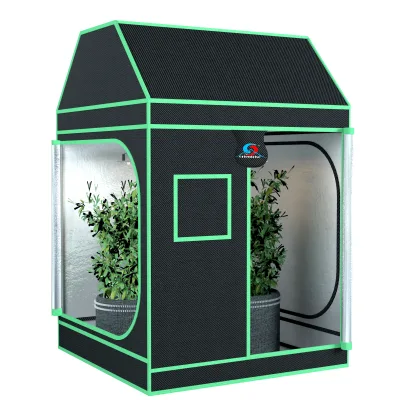
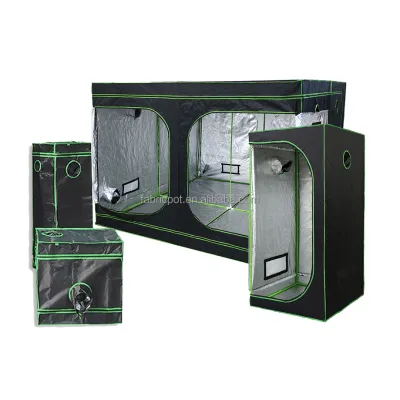
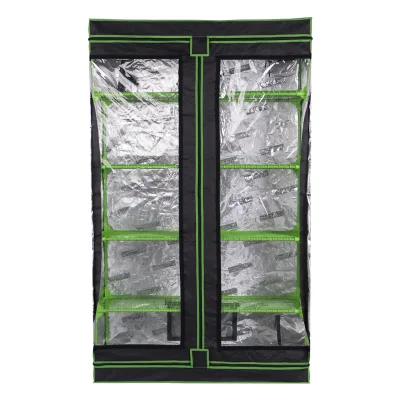

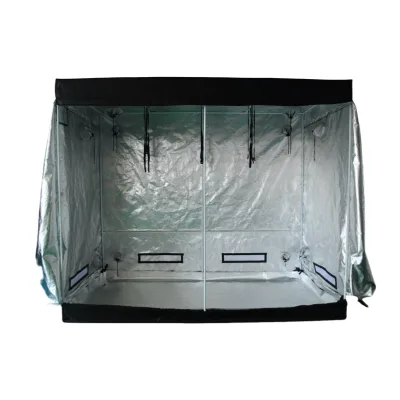
Comprehensive Sourcing Guide
Strategic Sourcing Guide for Waterproof Indoor Growing Tents
The global demand for controlled environment agriculture has driven a surge in procurement for waterproof indoor growing tents. These structures are critical for hydroponic systems, indoor gardening, and plant protection, offering a barrier against moisture while maintaining a stable internal climate. For B2B buyers, sourcing these units requires a disciplined approach that distinguishes between generic marketing claims and verifiable product attributes. This guide synthesizes available product data to provide a framework for evaluating suppliers, understanding technical specifications, and managing procurement risks without relying on unverified external assertions.
Technical Specifications and Material Composition
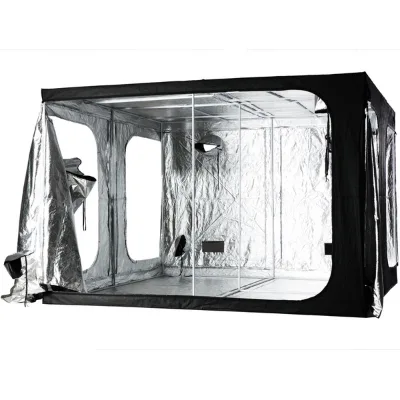
The foundation of a reliable indoor growing tent lies in its material composition and structural integrity. When evaluating potential inventory, buyers must scrutinize the cover material, frame composition, and internal lining. The supplied data indicates a prevalence of high-denier Oxford fabrics, specifically 600D and 1680D variants. These materials are selected for their durability and resistance to tearing, which is essential for the lifespan of the tent. Some listings specify a "600*300d" configuration, suggesting a specific weave density that may offer enhanced structural support compared to standard 600D fabrics.
The frame material is equally critical for maintaining the tent's shape under the weight of lighting and ventilation equipment. The data points to metal frames, often treated with a powder-coated finish to prevent rust and corrosion. This finishing process is a key differentiator, as it directly impacts the product's longevity in humid environments typical of indoor hydroponics. The frame dimensions vary significantly, with observed configurations ranging from compact 100x100x160cm units to expansive 300x150x180cm structures. Buyers should verify that the frame material matches the load-bearing requirements of their specific setup.
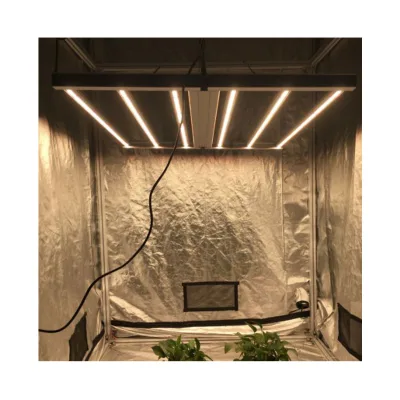
Internal lining is another specification that demands attention. The presence of silver aluminum foil as an inside material is a common feature in high-performance tents. This lining serves to reflect light back onto the plants, maximizing photosynthetic efficiency, while also providing a secondary layer of moisture resistance. The combination of a waterproof outer shell and a reflective inner lining creates a dual-function barrier that protects both the equipment and the crop.
Structural Design and Functional Attributes
Beyond raw materials, the functional design of the tent dictates its usability and efficiency. A primary attribute observed in the market is the "Eco-Friendly" designation, which often correlates with the use of durable, long-lasting materials that reduce waste. However, buyers must verify the specific environmental claims against the product's actual lifecycle and end-of-life disposal options. The design also emphasizes "Easily Assembled" characteristics, which is a crucial factor for logistics and installation speed in commercial settings.
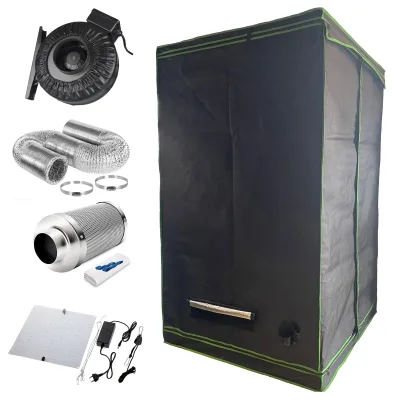
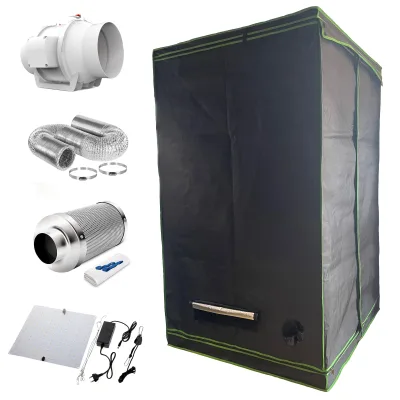
Ventilation capabilities are a defining feature of these structures. The data highlights vent sizes of 4 Inch, 6 Inch, and 8 Inch. These standardized openings allow for the integration of exhaust fans and intake systems, which are necessary for temperature and humidity control. The ability to customize the size of the tent is another significant attribute, with some suppliers offering "16 size can be choose" options or fully customizable dimensions. This flexibility allows buyers to tailor the growing space to specific facility layouts.
The "Single Layer" construction noted in some listings suggests a specific design philosophy, potentially prioritizing weight reduction or cost efficiency over the insulation benefits of a double-layer system. Buyers must weigh the trade-offs between single-layer and multi-layer designs based on their specific climate control needs. Additionally, the inclusion of accessories such as flood-proof trays and straps indicates a focus on comprehensive plant protection and system stability. These accessories are not merely add-ons but integral components that prevent water damage and secure the structure during operation.
Compliance, Certification, and Origin Verification
In the B2B procurement landscape, verifying the origin and compliance status of a product is paramount. The supplied data identifies multiple points of origin, including Chongqing, Fujian, and Guangzhou in China. While these regions are known for manufacturing capabilities, the variation in locations suggests a fragmented supply chain. Buyers should not assume uniform quality across all origins; instead, they must treat each location as a distinct production node requiring individual vetting.
Regarding certifications and standards, the data mentions a "prod_standard" of "16 size can be choose" and "The size could be customized." These are product specifications rather than formal regulatory certifications. Buyers must be cautious not to interpret these as safety or quality certifications. There is no explicit mention of ISO, CE, or UL certifications in the provided facts. Consequently, procurement teams must independently request and verify compliance documentation from suppliers. This includes checking for fire retardancy ratings, material safety data sheets (MSDS), and electrical safety standards if the tents are intended to house powered equipment.
The "Customization" attribute is widely available, allowing for tailored solutions. However, customization introduces complexity into the compliance verification process. Every custom modification must be re-evaluated for safety and performance. Buyers should insist on a clear definition of what "customization" entails, whether it is limited to dimensions or extends to material changes that could affect fire safety or structural integrity.
Cost Drivers and Pricing Dynamics
Understanding the cost drivers for waterproof indoor growing tents is essential for budgeting and negotiation. The observed price range in the market spans from 18.1 to 242.8 USD. This wide variance is driven by several factors, including material quality, frame thickness, size, and the level of customization. The lower end of the spectrum likely corresponds to smaller, single-layer units with basic 600D fabric and standard metal frames. The higher end reflects larger, multi-layer structures with 1680D fabric, reinforced frames, and advanced features like specialized ventilation ports or custom branding.
The Minimum Order Quantity (MOQ) is another significant cost driver. The observed MOQ range is 1 to 200 units. Suppliers with lower MOQs may charge a premium per unit due to the lack of economies of scale, while those requiring higher volumes may offer discounted rates. Buyers must align their order volume with their inventory needs and cash flow constraints. For instance, a buyer requiring 200 units might negotiate a price closer to the lower end of the range, whereas a buyer purchasing a single sample unit will likely pay the full retail price.
Packaging also influences cost. The data specifies "Cartons" or "by Carton" as the standard packing method. The dimensions of the single package, noted as 124x25x14 cm, affect shipping costs. Buyers should calculate the total landed cost, including freight, by considering the volumetric weight of the cartons. Efficient packing strategies can reduce shipping expenses, making the choice of supplier and packaging method a critical financial decision.
Typical Applications and Usage Scenarios
The versatility of waterproof indoor growing tents makes them suitable for a wide array of applications. The primary use case is "Indoor Plant Growth" and "Indoor hydroponics planting." These environments require precise control over humidity and temperature, which the waterproof design facilitates. The tents provide a contained space where growers can manage nutrient delivery and lighting without external interference.
Another significant application is "Plant Protection." The tents shield plants from pests, diseases, and environmental fluctuations. The "Eco-Friendly" and "Waterproof" attributes are particularly relevant here, as they ensure that the growing environment remains stable and sustainable. The "Growing House" and "Garden Greenhouses" classifications suggest that these units can also be used for more general horticultural purposes, including seedling propagation and cloning.
The "Camping" occasion listed in the data indicates a secondary market for these products. While less common, the portable and durable nature of these tents makes them suitable for outdoor gardening or temporary plant protection in camping scenarios. However, buyers should verify if the specific model intended for camping meets the same waterproof and structural standards as those designed for permanent indoor installations. The distinction between "Garden Greenhouses" and "Hydroponics Grow Tent" suggests that while the core technology is similar, the intended use case may dictate specific feature requirements.
Supplier Evaluation and Quality Control
Evaluating suppliers requires a systematic approach that goes beyond the basic product listing. Buyers should prioritize suppliers who provide transparent information about their manufacturing processes. The "Powder Coated" frame finishing is a specific process that should be verified. Buyers can request photos or videos of the finishing process to ensure consistency and quality. Similarly, the "Joiner Material," which can be Steel or Plastic, should be evaluated for durability. Steel joiners generally offer higher strength, while plastic may be lighter and more corrosion-resistant.
Quality control protocols are essential to mitigate the risk of receiving substandard products. Given the variation in materials (600D vs. 1680D) and the customization options, buyers must establish clear acceptance criteria. This includes verifying the thickness of the fabric, the gauge of the metal frame, and the integrity of the seams. The "Silver Aluminum Foil" lining should be checked for uniformity and reflectivity. Any defects in these areas can compromise the tent's performance and longevity.
The "Brand name" field in the data shows variations like "orientrise" and "SUNSHINE." While brand reputation can be a factor, buyers should not rely solely on brand names. Instead, they should focus on the specific product attributes and the supplier's ability to meet the defined specifications. The "Selling Units" being listed as "Single item" suggests that suppliers are willing to sell individual units, which is beneficial for sampling but requires careful vetting of the supplier's consistency across multiple orders.
Long-Term Procurement Considerations
Sourcing waterproof indoor growing tents is not a one-time transaction but a long-term relationship that requires strategic planning. The "Customization" availability offers a pathway for scaling operations, but it also introduces the need for rigorous documentation and version control. As the business grows, buyers may need to standardize their tent specifications to simplify maintenance and replacement.
The "16 size can be choose" standard provides a baseline for inventory management. However, the "The size could be customized" option means that buyers must maintain a clear record of the specific dimensions and materials for each order. This is crucial for future reordering and ensuring compatibility with existing infrastructure.
Furthermore, the "place of origin" variations highlight the importance of supply chain resilience. Relying on a single supplier or location can pose risks if production is disrupted. Buyers should consider diversifying their supplier base to include manufacturers from different regions, such as Chongqing, Fujian, and Guangzhou, to mitigate potential logistical bottlenecks.
Finally, the "Eco-Friendly" and "Waterproof" attributes suggest a growing market trend toward sustainable and durable products. Buyers should align their procurement strategy with these trends by selecting suppliers who demonstrate a commitment to quality and environmental responsibility. This approach not only ensures a reliable supply of high-quality tents but also enhances the buyer's brand reputation in the increasingly eco-conscious market. By focusing on these long-term factors, buyers can build a robust and sustainable procurement strategy for waterproof indoor growing tents.
FAQs
What materials are used for the cover of these tents?
The cover material is typically 600D or 1680D Oxford fabric, sometimes specified as 600*300d. Some listings also mention a film cover material or customizable fabric options. This high-denier fabric ensures durability and resistance to tearing for long-term indoor use.
Can I customize the size of the waterproof growing tent?
Yes, customization is available for many models, with options including 16 standard sizes or fully custom dimensions. Buyers can select from various frame configurations ranging from compact 100x100cm units to large 300x150cm structures to fit specific facility layouts.
What is the typical price range for these indoor growing tents?
The observed price range in the market spans from 18.1 to 242.8 USD depending on size and features. Lower prices generally correspond to smaller, single-layer units with basic 600D fabric, while higher prices reflect larger structures with 1680D fabric and reinforced frames.
Which frame finishing process is used to prevent rust?
The frame finishing process is powder coated to prevent rust and corrosion in humid environments. This treatment is applied to the metal frame, which is often constructed from steel or plastic joiners, ensuring structural integrity during operation in hydroponic systems.
What are the standard vent sizes available for ventilation?
Standard vent sizes available include 4 Inch, 6 Inch, and 8 Inch openings. These standardized ports allow for the integration of exhaust fans and intake systems necessary for temperature and humidity control within the enclosed growing environment.
How are these tents typically packed for shipping?
These units are packed in cartons, with single package sizes noted as 124x25x14 cm. The packaging includes accessories like flood-proof trays and straps, ensuring the structure and components remain secure during transit to the buyer's location.
What is the minimum order quantity for purchasing these tents?
The minimum order quantity ranges from 1 to 200 units depending on the supplier and specific model. Suppliers with lower MOQs may charge a premium per unit, while those requiring higher volumes often offer discounted rates for bulk purchases.
Where are these waterproof growing tents manufactured?
Products originate from multiple locations in China, including Chongqing, Fujian, and Guangzhou. Buyers should verify the specific origin for each supplier as these regions represent distinct production nodes with varying quality control standards and logistics capabilities.