Source Waterproof Industrial Cam Lock Plug for Mining, Marine, and Construction
Find and compare 30 Waterproof Industrial Cam Lock Plug options from verified Chinese suppliers. Evaluate ratings from 150A to 400A, IP66 protection, and copper or brass materials for heavy-duty power distribution needs.
Key considerations
Products List

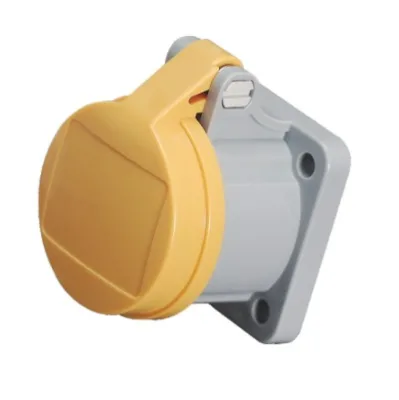
150A 200A 400A Wire Harness Connector with Industrial Adaptor Cam-Lock Plug
$4.50 - $5.70
MOQ: 100 Pieces




Comprehensive Sourcing Guide
Waterproof Industrial Cam Lock Plug Sourcing Guide
Procuring waterproof industrial cam lock plugs requires a disciplined approach to technical verification and supplier qualification. These connectors are critical for maintaining electrical continuity in harsh environments, where exposure to moisture, dust, and mechanical stress can compromise safety and operational uptime. Buyers must navigate a market characterized by significant variation in material quality, certification rigor, and manufacturing standards. This guide provides a structured framework for evaluating listings, verifying technical specifications, and ensuring commercial reliability when sourcing these components.
The following sections detail the essential steps for sourcing waterproof industrial cam lock plugs, focusing on evidence-based decision-making. By adhering to the verification protocols outlined herein, procurement teams can mitigate risks associated with non-compliant products, supply chain disruptions, and performance failures. The guidance is designed to help buyers distinguish between superficial listing claims and substantive product attributes, ensuring that selected components meet the specific demands of industrial applications.
Product Scope and Observed Listing Signals
The observed market for waterproof industrial cam lock plugs reveals a diverse range of product configurations, with prices ranging from $0.01 to $720 USD and minimum order quantities (MOQs) spanning from 1 to 5,000 units. This wide variance indicates that listings may represent everything from simple replacement sockets to complex, high-current assembly kits. Buyers should interpret price points as indicators of material composition and current capacity rather than absolute value metrics. Lower-priced items often correspond to basic plastic housings with lower amperage ratings, while higher-priced listings typically reflect heavy-duty constructions featuring brass or stainless steel contacts and higher current capacities such as 400A.
Listing signals also highlight significant variations in physical specifications and packaging. Observed data points include standard dimensions like 12x12x6 and 20x20x9, alongside flexible hose coupling models and rigid pipe joints, suggesting that some suppliers may bundle diverse industrial accessories under similar search terms. Packaging methods vary from individual bags to boxes and cartons, which impacts logistics planning and unit cost calculations. Buyers must carefully distinguish between standalone plugs and bundled solutions, verifying whether the listed price includes necessary mating sockets, seals, or mounting hardware to avoid unexpected additional costs during assembly.
Technical Specifications to Verify
Technical verification must begin with current and voltage ratings, which are fundamental to ensuring the connector can handle the intended load without overheating or arcing. Observed listings indicate rated currents of 150A, 200A, and 400A, with voltage ratings spanning from nominal 220V to 380V~690V. Buyers must match these specifications to their equipment’s actual power requirements, ensuring that the selected plug’s continuous current capacity exceeds the circuit’s maximum load by a safe margin. It is crucial to verify whether the listed voltage rating applies to single-phase or three-phase systems, as misapplication can lead to catastrophic insulation failure.
The construction materials and ingress protection ratings are equally critical for durability in industrial settings. Listings frequently cite materials such as copper terminals, plastic housings, brass contacts, and stainless steel components, each offering different trade-offs between conductivity, corrosion resistance, and mechanical strength. The IP66 rating is a common observation, indicating protection against powerful water jets and complete dust ingress, which is essential for outdoor or washdown environments. Buyers should verify the specific IP rating for both the plug and its corresponding socket, as mismatched ratings can compromise the overall seal. Additionally, the earth contact position, often specified as 6h, must be confirmed to ensure proper grounding continuity and compliance with safety standards.
Compliance and Safety Documentation
Compliance with international safety standards is non-negotiable for industrial electrical components. Buyers must request and verify certificates such as CE and RoHS, which indicate conformity with European health, safety, and environmental protection standards. The presence of ISO9001:2008 certification suggests that the supplier adheres to a recognized quality management system, which can be a proxy for manufacturing consistency. However, buyers should not assume that all listed products automatically possess these certifications; each batch or model should be accompanied by valid test reports from accredited laboratories to confirm that the specific units meet the claimed standards.
Safety features such as waterproof, dustproof, and flame-retardant properties must be substantiated by material data sheets and test results. The listed "Feateres" (features) of waterproofing and flame retardancy require verification through independent testing, as these claims are often marketing terms without technical backing. Buyers should inquire about the specific flammability rating of the housing material and the effectiveness of the sealing gaskets under prolonged exposure to moisture. Furthermore, the grounding mechanism, described as "Standard Grounding" in some listings, must be evaluated for its mechanical robustness and electrical continuity to ensure it provides reliable protection against electric shock in fault conditions.
Cost Drivers and Commercial Terms
Cost structures for waterproof industrial cam lock plugs are influenced by material costs, particularly the price of copper and brass, as well as the complexity of the molding and assembly processes. Higher current capacities and robust materials like stainless steel naturally command higher prices. Buyers should analyze the price range in the context of the MOQ, as larger orders often yield significant discounts but require greater storage capacity and capital outlay. Understanding the cost drivers helps in negotiating favorable terms and identifying potential price fluctuations based on raw material markets.
Commercial terms, including payment conditions and delivery times, vary significantly among suppliers. Observed terms often include a 30% deposit in advance with the 70% balance due before shipping, a common practice in international trade that balances risk for both parties. Delivery times, such as the observed 25-day lead time, must be factored into production planning to avoid delays. Buyers should also consider the implications of customization options, which may incur additional tooling fees or extend lead times. Clear agreement on packaging standards, such as box or carton packing, is essential to prevent damage during transit and to streamline receiving processes.
Supplier Qualification and Quality Control
Supplier qualification requires a thorough assessment of manufacturing capabilities and quality control processes. Buyers should verify the supplier’s origin, with many listings indicating production in Zhejiang, China, a hub for electrical component manufacturing. While this region offers competitive pricing and mature supply chains, buyers must conduct due diligence to ensure that the supplier maintains consistent quality standards. Requesting samples, which some suppliers offer for free, is a critical step in evaluating the physical quality, fit, and finish of the products before committing to large orders.
Quality control measures should include inspection of terminal materials, housing integrity, and sealing effectiveness. Buyers should inquire about the supplier’s internal testing protocols, such as dielectric strength tests, insulation resistance measurements, and environmental aging tests. The availability of OEM services indicates that the supplier can accommodate custom branding or specific design modifications, which may be necessary for integration into existing equipment. However, buyers must ensure that any customizations do not compromise the fundamental safety and performance characteristics of the plug. Establishing a clear quality agreement with defined acceptance criteria is essential for maintaining product consistency.
Long-Term Procurement Checks
Long-term procurement success depends on establishing robust supply chain resilience and continuous performance monitoring. Buyers should implement regular audits of supplier quality systems and conduct periodic re-evaluations of product performance in field applications. Tracking failure rates and customer feedback can provide early warnings of potential quality issues, allowing for proactive corrective actions. Maintaining a diversified supplier base can mitigate risks associated with single-source dependencies, ensuring continuity of supply in the event of production disruptions or geopolitical issues.
Documentation and traceability are vital for long-term compliance and liability management. Buyers should maintain detailed records of all certifications, test reports, and purchase orders, ensuring that they can trace each batch of products back to its manufacturing origin. This documentation is crucial for regulatory audits and incident investigations. Additionally, buyers should stay informed about changes in relevant standards and regulations, ensuring that their procurement practices remain compliant with evolving legal requirements. By prioritizing these long-term checks, organizations can build a reliable and sustainable supply chain for critical industrial components.
FAQs
What certifications do waterproof industrial cam lock plugs have?
These plugs typically hold RoHS and CE certifications to ensure safety and compliance. Some models also meet ISO9001:2008 standards for quality management. Buyers should verify specific certificates for their region before ordering.
Which current ratings are available for these industrial plugs?
Available rated currents include 150A, 200A, and 400A for heavy-duty applications. The voltage rating generally reaches up to 690V for three-phase systems. Select the rating based on your specific load requirements.
Can I customize the color of the industrial cam lock plug?
Yes, customization is available for colors such as red, yellow, blue, green, and black. You can also request specific configurations like 4P pole setups. Contact the supplier to confirm available custom options.
What is the lead time for ordering these industrial connectors?
The standard delivery time is approximately 25 days from order confirmation. This duration may vary depending on the order quantity and specific customization requests. Always confirm the exact timeline with the manufacturer.
How are these plugs packed for shipping?
Products are commonly packed in bags, boxes, or cartons depending on the order size. The packaging ensures protection during transit while maintaining the IP66 rating. Check with the supplier for specific packing details.
What is the minimum order quantity for these industrial plugs?
The minimum order quantity ranges from 1 to 5000 units depending on the supplier. Some vendors offer free samples for evaluation before bulk purchasing. Verify the MOQ with your chosen source.
Where are these industrial cam lock plugs manufactured?
Most products originate from Zhejiang, China, a major hub for electrical components. The manufacturing facilities adhere to international standards like CE and RoHS. Origin details are typically listed in the product specifications.