Source Plated Enamel Golf Divot Tool for Racing, Entertainment, Gift
Compare 30 Plated Enamel Golf Divot Tool options from verified manufacturers. Buyers can evaluate custom shapes, metal materials, and plating finishes for racing, entertainment, and gift applications with flexible MOQs.
Key considerations
Products List


Golf Divot Tool with Custom Logo Metal Golf Ball Marker Supplier Foldable
$1.65 - $2.20
MOQ: 100 Pieces


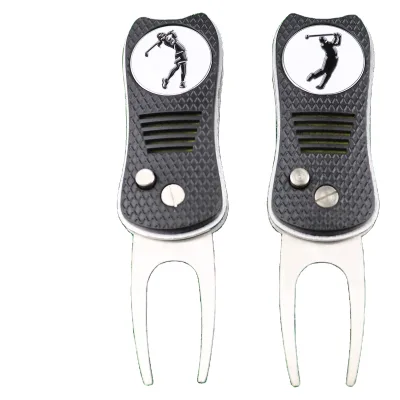


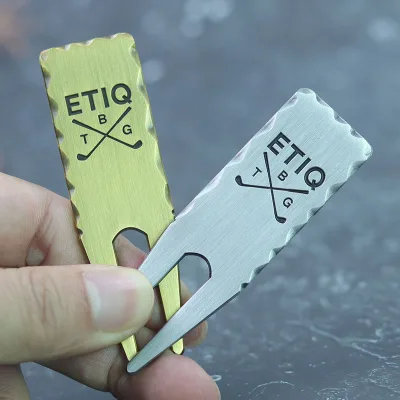
Custom Logo Pink Golf Divot Tool Good Price High Quality with Ball Markers
$1.85 - $1.95
MOQ: 500 Pieces




Comprehensive Sourcing Guide
Strategic Sourcing Guide for Plated Enamel Golf Divot Tools
Understanding Product Specifications and Material Composition
When sourcing plated enamel golf divot tools, buyers must first establish a clear understanding of the fundamental material composition and design capabilities available in the current market. The core product is defined as a golf divot tool, specifically designed for fixing grass damage on the course, though it also serves as a functional marker and a promotional gift for racing or entertainment sectors. The primary materials identified in verified product listings include metal, stainless steel, and zinc alloy. It is critical to note that while stainless steel offers superior corrosion resistance, zinc alloy provides a cost-effective alternative that is highly malleable for complex molding. Some listings specifically reference "Zinc Alley," which likely indicates a specific alloy composition or a typographical variance in supplier data that requires immediate clarification during the RFQ process.
The surface finish is a defining characteristic for this category. The "plated" aspect of the keyword refers to a variety of electroplating options, including gold, silver, nickel, antique, bronze, and copper finishes. These plating layers are not merely aesthetic; they provide a protective barrier against the moisture and soil conditions encountered on a golf course. The "enamel" component is applied over the metal substrate to create color and branding. The production data indicates that both soft enamel and hard enamel techniques are available, alongside direct printing methods. Soft enamel typically offers a textured, recessed look where the enamel sits below the metal rim, while hard enamel results in a smooth, flush surface. Buyers should verify which specific enamel application method aligns with their brand's visual identity and durability requirements.
Design flexibility is another critical specification. The market supports both 2D and 3D design formats, allowing for intricate logo placement and custom shapes. The standard shape is often round, but customization to unique shapes is widely accepted. The production models observed, such as "Unique_Golf_Divot_Tool_20240820008" and "Golf Divot Tool GDT0907," suggest that manufacturers maintain a catalog of base molds that can be adapted. However, the standard is often "Custom per Customer request," meaning the final product specifications are dictated by the buyer's design files rather than a rigid industry standard. The packaging varies significantly between listings, ranging from individual OPP bags and poly bags to bulk cartons, which impacts the final unit cost and logistics planning.
Compliance, Certification, and Standard Verification
In the B2B procurement of golf accessories, verifying compliance and standards is often more complex than in consumer electronics due to the diverse nature of the supply chain. The provided data indicates that the product standard is frequently listed as "Golf Divot Tool" or "Custom per Customer request." This phrasing suggests that there may not be a single, universally mandated international standard for this specific item, unlike safety-critical gear. Instead, compliance is often driven by the specific requirements of the buyer's brand or the destination market's regulations regarding metal content and plating safety.
Buyers must be vigilant regarding the origin of the products. The majority of the observed data points to "Made in China" or specifically "Xiamen" as the production origin. While Xiamen is a established hub for metalworking and sports equipment, the variation in origin locations implies that quality control protocols can differ between factories. There is no explicit mention of ISO certifications or specific golf association approvals (such as USGA compliance) in the supplied facts. Therefore, buyers cannot assume a product is compliant with specific tournament regulations based solely on the product listing. It is the buyer's responsibility to request documentation proving that the materials used, particularly the plating and enamel, meet the environmental and safety standards of the target export market.
Regarding certifications, the absence of specific certification names in the data means that buyers should not rely on generic claims. Instead, the procurement strategy must include a requirement for the supplier to provide test reports for heavy metals (such as lead or cadmium) in the plating and enamel, especially if the product is intended for a market with strict environmental regulations like the EU or North America. The "Custom per Customer request" standard implies that the supplier is willing to tailor the product to meet specific compliance needs, but this must be explicitly written into the purchase order. Buyers should also verify that the "Zinc Alloy" or "Stainless Steel" claims are backed by material certificates, as the term "Zinc Alley" in the data requires clarification to ensure it does not indicate a non-standard or sub-grade alloy.
Cost Drivers and Pricing Structure Analysis
The pricing structure for plated enamel golf divot tools is influenced by a complex interplay of material costs, customization levels, and order volume. The observed price range in the market is broad, spanning from $0.04 to $5.50 USD per unit. This significant variance is not indicative of a single product tier but rather reflects the depth of customization and the quality of materials selected. The lower end of the price spectrum likely corresponds to simple, non-plated or minimally plated zinc alloy tools with basic soft enamel logos and standard packaging. Conversely, the higher end of the range suggests premium stainless steel construction, multiple layers of plating (such as gold or antique bronze), hard enamel finishes, and complex 3D designs.
Order volume is a primary driver of unit cost. The data indicates a Custom MOQ of 100 pieces per color per style, with some listings specifying an MOQ of 150 or up to 1000 units. The "Custom MOQ" structure implies that the cost per unit decreases as the order quantity increases, but the threshold for the lowest price point is likely higher than the minimum order requirement. For buyers seeking to minimize costs, adhering to the 100-piece minimum per color is essential, but they must be aware that smaller trial orders, while sometimes accepted, may incur a premium. The data mentions that suppliers "Accept Small Trial Order," which is a valuable flexibility for new buyers, though it may come with a higher per-unit cost or a non-refundable sample fee.
Sample costs and production lead times also factor into the total cost of ownership. While some suppliers offer free samples, others charge a fee of $50 USD for custom samples. This fee is often credited back against the first bulk order, but it represents an upfront cash flow requirement. The production time varies significantly, with some listings citing a delivery time of 15 days and others indicating around 35 days. The longer lead time is typically associated with more complex customizations, such as 3D designs or specific plating processes that require additional curing or polishing time. Buyers must factor these lead times into their inventory planning to avoid stockouts, especially if the product is intended for a specific golf season or promotional event. Shipping costs, which can be by air or sea, will further impact the final landed cost, with air freight being significantly more expensive but faster.
Typical Applications and Market Usage
The utility of plated enamel golf divot tools extends beyond their primary function of repairing turf damage. The observed usage data categorizes these products for "Racing," "Entertainment," and "Gift" applications, in addition to their core role as a "Golf Repair Divot Tool." This versatility makes them a popular choice for corporate gifting, tournament giveaways, and brand promotion. The ability to customize the logo, color, shape, and material allows brands to create a cohesive marketing message. For instance, a racing team might choose a bronze-plated tool with a hard enamel logo to match their team colors, while a corporate event might opt for a silver-plated tool with a custom 3D shape representing the company's headquarters.
The application as a "Marker" is another significant use case. Golfers often use divot tools to mark the ball's position on the green. A customized tool serves a dual purpose: it is a functional tool and a subtle branding opportunity that remains with the golfer throughout the round. The "Fix Grass" application is the baseline requirement, and the durability of the plating is crucial here. A tool that loses its plating or enamel after a few rounds of use will damage the brand's reputation. Therefore, the selection of the plating type (e.g., nickel vs. antique) should be based on the expected frequency of use and the environmental conditions of the golf course.
The target demographic for these products is primarily "Men," as indicated in the product attributes, though this is not exclusive. The customization options allow for unisex designs, and the "Customized Designs" attribute suggests that manufacturers can adapt the aesthetic to appeal to a broader audience. The weight of the product is noted as 0.5kg in some listings, which is a standard weight for a functional divot tool, ensuring it feels substantial enough to be effective without being cumbersome. The "People" attribute suggests that the product is marketed towards individuals who value quality and personalization, making it suitable for high-end retail or exclusive club memberships.
Supplier Evaluation and Operational Capabilities
Evaluating a supplier for plated enamel golf divot tools requires a focus on their customization capabilities and production flexibility. The data highlights that "Customization: Available" and "Customized Designs" are standard features, but the depth of this capability varies. A strong supplier will demonstrate proficiency in handling "Soft Enamel/Hard Enamel/Printed" logo techniques and will have the technical capacity to produce "Round or Custom Shape" tools. The presence of multiple product models, such as "Unique_golf_vivot_20240531001" and "golf divot tool-521," suggests that established suppliers have a range of base molds that can be adapted, reducing the time and cost associated with creating a new mold from scratch.
The "Service: Accept Small Trial Order" attribute is a key differentiator. It indicates a supplier's willingness to work with buyers who are testing the market or have limited initial budgets. However, buyers should verify the terms of these trial orders, including whether the sample fee is refundable and if the lead time for small orders is expedited. The "Custom MOQ: 100PCS Per Color Per Style" rule is a standard constraint that buyers must respect to achieve cost efficiency. Suppliers that enforce a strict MOQ without flexibility for mixed colors or styles may not be suitable for buyers with diverse product lines.
Logistics and communication are also critical evaluation points. The data mentions "Delivery: 15 Days" and "Production Time: Around 35days," indicating that lead times can vary based on the complexity of the order. A reliable supplier will provide clear timelines and updates throughout the production process. The shipping options, "by Air or by Sea," offer flexibility, but the supplier's ability to manage international logistics and provide accurate documentation is essential. Buyers should also verify the "prod_packing" capabilities, as the transition from "Opps" or "Poly Bag" to "Carton" packaging can affect the product's protection during transit. Finally, the "OEM/ODM" brand name capability suggests that the supplier is experienced in working with private labels, which is a common requirement for corporate buyers.
Quality Control and Long-Term Procurement Strategy
Ensuring consistent quality in plated enamel golf divot tools requires a robust quality control (QC) strategy. The primary areas of concern are the adhesion of the enamel, the durability of the plating, and the precision of the custom shapes. Since the standard is often "Custom per Customer request," the QC process must be tailored to the specific design files provided by the buyer. Buyers should request pre-production samples to verify that the "Logo Way" (Soft Enamel, Hard Enamel, or Printed) matches the approved artwork. It is also essential to test the plating for thickness and corrosion resistance, as the "Gold, Silver, Nickel, Antique, Bronze, Copper" options vary in their protective qualities.
Long-term procurement considerations involve building a relationship with a supplier who can scale with the buyer's needs. The "Customized" nature of the product means that as the buyer's brand evolves, the supplier must be able to adapt the designs and materials accordingly. The "Sample Production Time: 15-25days" and "Production Time: Around 35days" suggest that the supply chain is not instantaneous, so maintaining a buffer stock is advisable. Buyers should also consider the "Material" consistency; switching between "Stainless Steel" and "Zinc Alloy" can affect the tool's weight and feel, so maintaining a consistent material choice is important for brand consistency.
Finally, the "Cusotm: Mateiral, Logo, Color, Shape" attribute highlights the need for clear communication. Any changes to these elements should be documented and approved before production begins to avoid costly errors. The "weight: 0.5kg" specification serves as a benchmark for consistency, and any deviation should be investigated. By focusing on these quality control measures and maintaining a strategic approach to supplier relationships, buyers can ensure a steady supply of high-quality, branded golf divot tools that meet their specific market needs.
| Feature | Standard Option | Custom Option | Verification Requirement |
|---|---|---|---|
| Material | Zinc Alloy, Stainless Steel | Custom Metal Request | Material Certificate |
| Plating | Gold, Silver, Nickel | Antique, Bronze, Copper | Plating Thickness Test |
| Enamel | Soft Enamel, Hard Enamel | Printed, Mixed Techniques | Pre-production Sample |
| Shape | Round | Custom Shape (3D/2D) | CAD File Approval |
| MOQ | 100 PCS/Color/Style | Variable (10-1000) | Contract Terms |
| Lead Time | 15 Days | 35 Days | Production Schedule |
FAQs
What materials are used for plated enamel golf divot tools?
These tools are primarily made from metal, stainless steel, or zinc alloy. Some listings mention zinc alloy, which is cost-effective, while stainless steel offers superior corrosion resistance for long-term use on the course.
Can I customize the logo and shape of the divot tool?
Yes, customization is available for logos, shapes, colors, and materials. You can choose round or custom shapes, and logos can be applied using soft enamel, hard enamel, or printing methods to match your brand identity.
What is the typical lead time for custom orders?
Production times vary between 15 days and around 35 days depending on complexity. Simple orders may be delivered in 15 days, while intricate custom designs or specific plating requirements often require up to 35 days to complete.
Which plating finishes are available for these golf tools?
Available plating options include gold, silver, nickel, antique, bronze, and copper. These finishes provide both aesthetic appeal and a protective barrier against moisture and soil conditions encountered during golf play.
What is the minimum order quantity for custom designs?
The custom minimum order quantity is typically 100 pieces per color per style. Some suppliers may require an MOQ of 150 units, and small trial orders are sometimes accepted with specific conditions or fees.
How much does a custom sample cost?
Sample costs vary, with some suppliers offering free samples while others charge a fee of 50 USD. Custom sample production time usually takes between 15 to 25 days before the item is ready for shipment.
Where are these golf divot tools manufactured?
Most products originate from China, with specific manufacturing hubs identified in Xiamen. Buyers should verify the specific factory location as quality control protocols can differ between different production sites within the region.