Source Waterproof Lightweight Camping Blanket for Hiking, Picnic, and Beach
Find 30 options for a Waterproof Lightweight Camping Blanket suitable for hiking, beach outings, and outdoor activities. Compare Oxford and polyester materials, custom sizes, and eco-friendly features from Chinese manufacturers to find the right fit for your needs; compare the available evidence and request quotations based on your requirements.
Key considerations
Products List


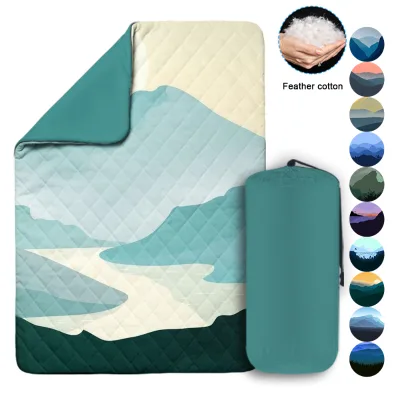
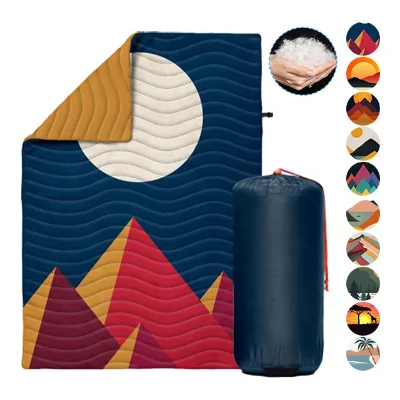
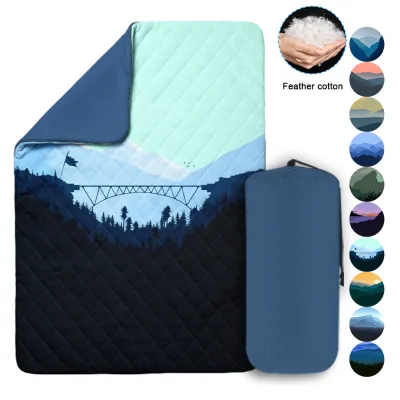
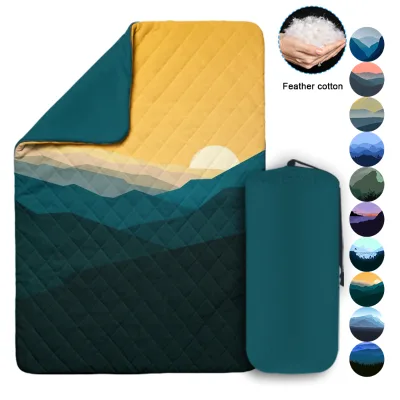


Comprehensive Sourcing Guide
Waterproof Lightweight Camping Blanket Sourcing Guide
Procuring waterproof lightweight camping blankets requires balancing material performance with logistical efficiency, as these items serve dual roles in emergency preparedness and recreational comfort. Buyers must navigate a market where product attributes vary significantly, ranging from simple woven Oxford fabrics to more complex knitted polyester constructions with down padding. The observed listing signals indicate a diverse inventory, including items classified as emergency blankets, beach mats, and general outdoor sleeping mats, all sharing the core requirement of water resistance. This diversity means that a single specification sheet is rarely sufficient; instead, buyers must define their specific use case, whether it involves high-intensity hiking, casual beach picnics, or stationary camping, to select the appropriate material density and weave structure.
The commercial landscape for these products is characterized by flexible customization options and a wide range of minimum order quantities, allowing both small retailers and large distributors to find suitable partners. With observed MOQs starting as low as one piece and extending to one thousand, the barrier to entry for testing new suppliers is relatively low, encouraging iterative ordering. However, this flexibility comes with the need for rigorous verification of product standards, as dimensions and weights vary from 180x150cm to 230x160cm, and materials range from nylon to polyester. Buyers should prioritize suppliers who offer clear, standardized packing methods, such as polybags or OPP bags, to ensure that the lightweight nature of the product is maintained without excessive packaging waste or damage during transit.
Product Scope and Observed Listing Signals
The current market for waterproof camping blankets encompasses a broad spectrum of product types, including emergency blankets, beach mats, and down-filled sleeping pads, each serving distinct consumer needs. Observed listings reveal that manufacturers in Zhejiang and Anhui, China, produce items with varying hardness levels, from soft woven fabrics to medium-soft knitted options, catering to different comfort preferences. The core keyword suggests a focus on utility and portability, which is reflected in the prevalence of simple styles and rectangular or square shapes. Buyers should note that while many products are labeled as waterproof, the actual performance depends heavily on the specific material composition, such as Oxford or polyester, and the presence of additional features like eco-friendly treatments or custom logo printing capabilities.
Seasonal versatility is another critical signal, with many products marketed for all-season use, while others are specifically designed for winter conditions with down padding. This distinction is vital for buyers targeting specific retail segments, as a blanket suitable for summer beach picnics may not provide adequate insulation for winter camping. The observed product models, such as 1801009 and FDB01, indicate a standardized approach to manufacturing, yet the inclusion of custom standards and sizes suggests that suppliers are willing to adapt to specific buyer requirements. Understanding these signals helps buyers filter through the noise of generic listings and identify products that align with their target audience’s expectations for weight, warmth, and water resistance.
Technical Specifications to Verify
When evaluating technical specifications, buyers must prioritize the verification of material composition and dimensional accuracy, as these factors directly impact the product’s performance and usability. The observed data highlights a range of materials, including Oxford, polyester, and nylon, each offering different levels of durability and water resistance. For instance, nylon is often associated with camping mats due to its strength-to-weight ratio, while polyester may be used for softer, more comfortable surfaces. Buyers should request detailed material breakdowns and verify that the claimed waterproof feature is achieved through appropriate coatings or laminations, rather than relying solely on the fabric weave. Additionally, the hardness rating, whether soft or medium soft, should be confirmed through physical samples to ensure the product meets comfort expectations.
Dimensional standards are equally critical, with observed sizes ranging from 140x200cm to 230x160cm, and weights varying significantly based on the presence of padding. Buyers must ensure that the listed dimensions match the actual product, as discrepancies can lead to customer dissatisfaction and returns. The presence of down padding in some models adds warmth but also increases weight and bulk, which may contradict the "lightweight" aspect of the core keyword. Therefore, buyers should specify whether they prioritize warmth or portability, and verify that the supplier can consistently produce items within the agreed tolerances for size and weight. Clear communication of these specifications in the purchase order is essential to avoid misunderstandings and ensure that the final product aligns with the buyer’s technical requirements.
Compliance and Safety Documentation
Compliance and safety documentation are paramount when sourcing camping blankets, particularly those intended for use by children or in emergency situations. Buyers must ensure that suppliers provide relevant test reports and certifications that verify the safety of the materials used, such as the absence of harmful chemicals in the waterproof coatings or the flammability resistance of the fabric. While specific certification statuses are not detailed in the observed listings, buyers should proactively request documentation that confirms adherence to international safety standards, such as those governing textile safety and environmental impact. This is especially important for products marketed as eco-friendly, as buyers need to verify that these claims are substantiated by credible third-party testing.
Furthermore, buyers should verify that the supplier has a robust quality management system in place to ensure consistent compliance across production batches. This includes checking for proper labeling requirements, which may vary depending on the target market, and ensuring that the product packaging includes all necessary safety warnings and care instructions. The observed use of polybags and OPP bags for packing suggests a focus on cost-effective logistics, but buyers must ensure that these packaging materials do not compromise the product’s safety or integrity. By prioritizing compliance and safety documentation, buyers can mitigate risks associated with product liability and ensure that their offerings meet the regulatory requirements of their target markets.
Cost Drivers and Commercial Terms
Cost drivers for waterproof lightweight camping blankets are primarily influenced by material selection, customization options, and order volume. The observed price range of 0.99 to 36.5 USD reflects the significant variation in product complexity, from simple woven blankets to more expensive down-filled options. Buyers should analyze the cost structure to understand how factors such as material type, padding, and waterproofing technology impact the final price. Additionally, the availability of customization, including logo printing and custom sizes, can add to the cost, so buyers should weigh the marketing benefits against the increased production expenses. Understanding these cost drivers allows buyers to negotiate more effectively and identify opportunities for cost savings without compromising on quality.
Commercial terms, including minimum order quantities and payment conditions, also play a crucial role in the procurement process. The observed MOQ range of 1 to 1000 pieces offers flexibility, but buyers should consider the implications of ordering small quantities versus bulk purchases. Small MOQs are ideal for testing new products or catering to niche markets, while larger orders can leverage economies of scale to reduce unit costs. Buyers should also clarify the supplier’s packing methods, such as one item per OPP bag or multiple items per carton, as this can affect shipping costs and handling efficiency. Clear communication of commercial terms ensures that both parties have a shared understanding of the transaction, reducing the risk of disputes and facilitating smoother order fulfillment.
Supplier Qualification and Quality Control
Supplier qualification is a critical step in ensuring the reliability and consistency of the supply chain for waterproof camping blankets. Buyers should conduct thorough due diligence to verify the supplier’s manufacturing capabilities, quality control processes, and track record in the industry. This includes assessing the supplier’s facility, equipment, and workforce, as well as reviewing their history of producing similar products. The observed origins in Zhejiang and Anhui, China, indicate established manufacturing hubs, but buyers should still verify the specific supplier’s credentials and reputation. Engaging with suppliers who have a proven track record of delivering high-quality products reduces the risk of receiving substandard goods and ensures a more stable supply chain.
Quality control measures should be implemented at various stages of production, from raw material inspection to final product testing. Buyers should establish clear quality standards and communicate them to the supplier, ensuring that all parties are aligned on expectations. This includes defining acceptable tolerances for dimensions, weight, and material composition, as well as specifying the required waterproof performance. Regular audits and inspections can help identify potential issues early in the production process, allowing for timely corrections and preventing defects from reaching the final product. By prioritizing supplier qualification and rigorous quality control, buyers can maintain high product standards and build trust with their customers.
Long-Term Procurement Checks
Long-term procurement checks are essential for maintaining a competitive edge and ensuring the sustained success of the sourcing strategy for waterproof camping blankets. Buyers should regularly review supplier performance metrics, such as on-time delivery rates, product quality consistency, and responsiveness to issues, to identify areas for improvement. This ongoing evaluation helps to build a strong partnership with suppliers and fosters a culture of continuous improvement. Additionally, buyers should stay informed about market trends and technological advancements in the camping blanket industry, such as new materials or manufacturing techniques, to ensure that their product offerings remain relevant and competitive.
Furthermore, buyers should periodically reassess their product specifications and commercial terms to align with changing market demands and customer preferences. This may involve adjusting the product mix, exploring new customization options, or renegotiating contracts to secure better pricing and terms. By maintaining a proactive approach to procurement, buyers can adapt to market fluctuations and capitalize on new opportunities. Regular communication with suppliers and stakeholders is also crucial for addressing any emerging challenges and ensuring that the supply chain remains resilient and efficient. Through diligent long-term checks, buyers can optimize their sourcing strategy and achieve sustainable growth in the competitive camping blanket market.
FAQs
What materials are used for waterproof lightweight camping blankets?
These blankets typically utilize Oxford fabric or polyester for the outer shell to ensure durability and water resistance. Some models incorporate nylon for the camping mat base to provide a lightweight yet sturdy foundation. The padding may include down for superior warmth in winter conditions, while the craft can be either woven or knitted depending on the desired texture and flexibility for outdoor activities.
Can I customize the logo on these camping blankets?
Yes, customization is available for most of these products. Suppliers generally accept customized logos to meet specific branding requirements. You can often choose from various colors, such as blue, and select from different shapes like rectangles or squares. This flexibility allows businesses to tailor the final product to their specific marketing needs while maintaining the core functional attributes of the blanket.
What are the standard specifications for these blankets?
Standard specifications vary by model, with common sizes including 230*160CM, 210*150CM, and 180*150CM. Some models are sized at 200*150CM or 200*140CM, while others may be listed as 50*77 inches. The hardness can range from soft to medium soft, and the style is typically simple. These dimensions ensure the blanket is suitable for various outdoor uses like hiking, camping, and beach picnics.
How are these blankets packed for shipping?
Packing methods depend on the specific product model. Some items are packed individually in polybags for protection and ease of handling. Other models may be packed one into an OPP bag, with several units then grouped into one carton for bulk shipping. This approach ensures the blankets remain clean and undamaged during transit, while also optimizing space for efficient logistics and storage.
Where are these camping blankets manufactured?
These products are primarily manufactured in China, with specific origins noted in Zhejiang and Anhui provinces. These regions are known for their robust textile and manufacturing industries, providing a reliable supply chain for outdoor gear. The local infrastructure supports the production of various materials, including Oxford, polyester, and nylon, ensuring consistent quality and availability for international buyers seeking durable camping accessories.
What is the minimum order quantity for these blankets?
The minimum order quantity varies by supplier and product model. Observed MOQs range from 1 piece to 1000 pieces, offering flexibility for both small trials and large bulk orders. Some specific models may have a fixed MOQ of 100 pieces. This wide range allows buyers to scale their procurement according to their immediate needs, whether for personal use, small business inventory, or large-scale distribution.