Source Waterproof Lightweight Camera Bag for Traveling, Outdoor, Everyday
Find 30 options for a Waterproof Lightweight Camera Bag suitable for traveling, outdoor adventures, and everyday use. Buyers can compare specifications like dimensions, materials, and customization features to select the right supplier.
Key considerations
Products List


Anti-Theft and Waterproof Camera Bag for Photographers with Rain Cover
$19.99 - $21.99
MOQ: 500 Pieces


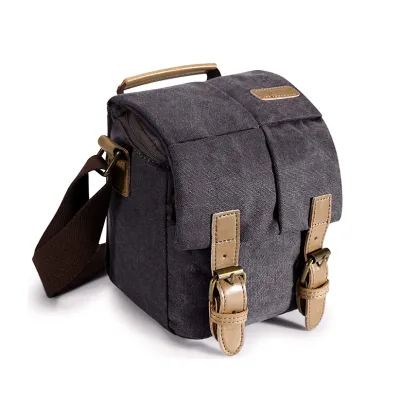


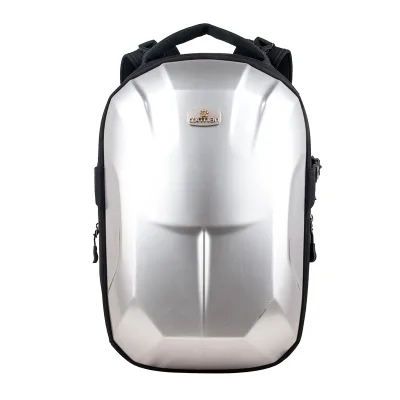


High-Quality Waterproof Hard Compact Camera Case Bag with Customizable Fit Foam
$24.00 - $29.95
MOQ: 10 Pieces

Waterproof Lockable Hard Compact Camera Case Bag with Customizable Fit Foam
$11.00 - $13.75
MOQ: 30 Pieces

Comprehensive Sourcing Guide
Strategic Sourcing Guide for Waterproof Lightweight Camera Bags
The global demand for specialized camera equipment protection has driven a surge in the procurement of waterproof lightweight camera bags. For B2B buyers, navigating this market requires a disciplined approach that balances technical performance with supply chain reliability. The core keyword "Waterproof Lightweight Camera Bag" implies a specific intersection of material science, design ergonomics, and logistical efficiency. This guide synthesizes observed market data and verified product attributes to provide a robust framework for sourcing decisions, ensuring that procurement strategies are grounded in factual evidence rather than speculative claims.
Technical Specifications and Material Architecture
The foundation of a high-performance camera bag lies in its material composition and structural design. Based on current market observations, the primary materials utilized for these products include Polyester and Canvas. Polyester is frequently cited as a dominant material due to its favorable strength-to-weight ratio, making it ideal for lightweight applications where durability is paramount. Canvas offers a robust alternative, often preferred for its rugged aesthetic and resistance to abrasion. When evaluating potential suppliers, buyers must verify the specific fabric weight and weave density, as these factors directly influence the bag's ability to protect sensitive optical equipment from impact and environmental stress.
Waterproofing capabilities vary significantly across product listings. The market presents a spectrum of protection levels, ranging from "Moderate Waterproof" to "Fully Waterproof." Moderate waterproofing typically implies resistance to splashes and light rain, suitable for everyday urban use or mild outdoor excursions. In contrast, fully waterproof specifications suggest a higher degree of protection, potentially involving sealed seams or specialized coatings to withstand heavy downpours and submersion risks. Buyers should explicitly request test data or detailed material specifications to confirm the claimed waterproof level, as this attribute is critical for protecting expensive camera gear in unpredictable weather conditions.
Structural dimensions are another vital technical consideration. Observed product models indicate a wide range of sizes, with dimensions such as 17.3 x 11.8 x 9.4 inches and smaller configurations like 6.63 x 4.25 x 7.38 inches. The appropriate size depends heavily on the intended usage, whether for a single DSLR body with a lens, a mirrorless setup, or a comprehensive kit including tripods and lighting accessories. The "Medium" capacity classification often found in product descriptions suggests a versatile design suitable for standard travel needs without being overly bulky.
Design Ergonomics and Functional Features
Beyond raw materials and dimensions, the functional design of the bag dictates its usability in the field. The target product category emphasizes "Simplicity" in style, often incorporating "Stitching Bag" elements and "Contrast Color" accents to enhance visual appeal while maintaining a professional look. The "Horizontal Square" design is a notable configuration observed in the market, offering a compact footprint that is easy to carry and store.
Strap systems are a critical ergonomic component. Most observed models feature "Adjustable Straps," allowing users to customize the fit for different body types and carrying preferences, whether worn as a backpack or a shoulder bag. The closure mechanism is predominantly the "Zipper," which provides a secure seal against dust and moisture. However, the quality of the zipper hardware—such as whether it is rust-resistant or self-lubricating—is a detail that requires on-site verification during the sampling phase.
Color options in the current market are diverse, with "Black," "Gray," and "Grey" being the most common neutral tones. These colors are preferred for their ability to blend into various environments, from urban streets to wilderness trails. Some listings also mention "Candy Color" as a fashion element, indicating a trend toward more vibrant, personalized options for specific consumer segments. The "Hardness" of the bag is described as "Medium Soft," suggesting a balance between structure and flexibility. This characteristic is essential for allowing the bag to conform to the user's back while still providing a rigid enough shell to protect the camera inside.
Compliance, Certification, and Standard Verification
In the B2B procurement of camera bags, compliance and adherence to standards are often overlooked until a quality issue arises. While the supplied data indicates that product standards are "customized," this does not imply a lack of regulation. Instead, it suggests that manufacturers tailor their production standards to specific client requirements. Buyers must not assume that a "customized" standard meets international safety or environmental benchmarks without explicit verification.
There is no mention of specific third-party certifications (such as ISO or REACH) in the provided facts. Therefore, buyers should treat the absence of listed certifications as a signal to request them during the supplier evaluation process. If the end-market requires compliance with specific regulations regarding chemical usage in textiles or fire safety, the supplier must provide documented proof of adherence. The "prod_standard" field in product listings often refers to internal quality control metrics rather than external regulatory compliance. Consequently, procurement teams should define their own quality standards in the purchase order and require the supplier to sign off on these specific criteria before mass production begins.
Cost Drivers and Pricing Dynamics
Understanding the cost structure of waterproof camera bags is essential for budgeting and negotiation. The observed price range in the market spans from $2.85 to $78.80 USD. This wide disparity is driven by several key factors, including material quality, waterproofing technology, and the complexity of the design. Bags utilizing high-grade polyester with advanced waterproof coatings will naturally command a higher price point compared to those using standard canvas or basic stitching.
The Minimum Order Quantity (MOQ) is another significant cost driver. The observed MOQ range varies from 3 to 1000 units. A lower MOQ of 3 units may be suitable for small businesses or prototype testing but often comes with a higher per-unit cost due to setup fees and lack of economies of scale. Conversely, an MOQ of 500 units, which is a common threshold in the observed data, allows for more competitive pricing but requires a larger capital outlay. Buyers must balance their inventory needs with cash flow constraints, potentially negotiating a tiered pricing structure where the unit cost decreases as the order volume increases.
Payment terms also influence the financial dynamics of the transaction. The standard payment method observed is "T/T" (Telegraphic Transfer), often requiring a deposit before production begins. This is a common practice in international trade but requires buyers to assess the financial risk associated with the supplier. Understanding the relationship between the deposit percentage, the lead time, and the final payment schedule is crucial for maintaining healthy supplier relationships and managing working capital effectively.
Supplier Evaluation and Production Logistics
Selecting the right supplier involves a rigorous evaluation of their production capabilities and logistical reliability. The observed data indicates that the majority of these products originate from "China," with "Xiamen" specifically cited as a port of loading. This geographic concentration suggests a mature supply chain ecosystem with access to raw materials and specialized manufacturing facilities. However, buyers should verify the specific factory location to ensure it aligns with their ethical sourcing policies and logistical preferences.
Lead times are a critical component of supply chain planning. The standard production lead time for these bags is reported as 45-60 days after receiving the deposit. Additionally, sample lead times are estimated at 7-10 days. These timelines are substantial and require buyers to plan their inventory cycles well in advance. Any delays in sample approval or deposit transfer can have a cascading effect on the final delivery date. Buyers should include penalty clauses for late delivery in their contracts to mitigate the risk of supply chain disruptions.
The customization capabilities of the supplier are a key differentiator. The market data confirms that "Customization" is available, including options for "Customized" logos and tailored product standards. This flexibility allows buyers to create a unique brand identity for their products. However, customization adds complexity to the production process. Buyers should ensure that the supplier has the necessary machinery and expertise to handle custom printing, stitching, and material sourcing without compromising the quality of the base product.
Quality Control and Long-Term Procurement Strategy
Implementing a robust quality control (QC) strategy is non-negotiable for sourcing camera bags. Given the "Medium Soft" hardness and the reliance on zippers and stitching for functionality, QC inspections should focus on seam integrity, zipper durability, and the effectiveness of the waterproofing treatment. Buyers should consider hiring third-party inspection agencies to conduct pre-shipment inspections, particularly for large orders where the cost of defects is high.
Long-term procurement considerations extend beyond the initial order. The "Sample Time" of 7-10 days and the "Production Time" of 45-60 days highlight the need for a stable, long-term partnership with the supplier. Relying on a single source for all inventory can be risky; therefore, maintaining a secondary supplier for critical components or backup production capacity is advisable. Furthermore, the "All" season classification of the product suggests year-round demand, which requires consistent supply. Buyers should negotiate volume discounts and priority production slots to ensure they can meet market fluctuations without facing stockouts.
Comparative Analysis of Product Attributes
To facilitate decision-making, the following table summarizes the key attributes observed in the market, highlighting the variations that buyers must consider during the sourcing process.
| Attribute Category | Observed Variations | Sourcing Implication |
|---|---|---|
| Material | Polyester, Canvas | Verify fabric weight and coating for durability vs. weight. |
| Waterproof Level | Moderate, Fully Waterproof | Define specific weather requirements; request test data. |
| Dimensions | 6.63" to 17.3" (various) | Match bag size to specific camera kit requirements. |
| MOQ | 3 to 1000 units | Balance inventory cost with capital availability. |
| Lead Time | 7-10 days (Sample), 45-60 days (Production) | Plan inventory cycles well in advance to avoid delays. |
| Color Options | Black, Gray, Grey, Candy Color | Align color palette with brand identity and market trends. |
| Customization | Logo, Standard, Packing | Confirm supplier capacity for branding and specific specs. |
| Origin | China (Port: Xiamen) | Factor in shipping costs and lead times from this region. |
Conclusion
Sourcing waterproof lightweight camera bags requires a meticulous approach that integrates technical verification with strategic supply chain management. The market offers a diverse array of options, from simple polyester designs to fully waterproof canvas models, each with distinct cost and performance profiles. By focusing on verified attributes such as material composition, waterproofing levels, and production lead times, buyers can make informed decisions that align with their business objectives. The absence of standardized certifications in the initial data underscores the importance of proactive supplier vetting and clear contractual agreements. Ultimately, successful procurement in this sector depends on building transparent, long-term relationships with suppliers who can consistently deliver high-quality, customized products that meet the rigorous demands of professional photographers and outdoor enthusiasts.
FAQs
What materials are used for waterproof lightweight camera bags?
These bags are primarily constructed from Polyester or Canvas to balance durability and weight. Polyester offers a favorable strength-to-weight ratio, while Canvas provides a rugged aesthetic. Buyers should verify fabric weight to ensure adequate protection for sensitive optical equipment.
How waterproof are the observed camera bag models?
Waterproofing levels vary from Moderate Waterproof to Fully Waterproof depending on the specific model. Moderate protection resists splashes and light rain, whereas fully waterproof options involve sealed seams for heavy downpours. Request test data to confirm the specific protection level required for your gear.
What is the typical lead time for production and samples?
Sample lead times are typically 7 to 10 days after request. Full production lead times range from 45 to 60 days after receiving the deposit. Buyers must plan inventory cycles well in advance to accommodate these substantial timelines and avoid supply chain disruptions.
Which customization options are available for logo and design?
Customization is available for logos, product standards, and specific design elements like stitching or contrast colors. Buyers can request tailored product standards to match their brand identity. Ensure the supplier has the machinery to handle custom printing without compromising the base product quality.
What is the minimum order quantity for these camera bags?
The minimum order quantity ranges from 3 to 1000 units depending on the supplier and product model. A lower MOQ suits prototype testing but may have higher per-unit costs, while larger orders often secure better pricing. Balance inventory needs with capital constraints when negotiating terms.
Can these bags be used for outdoor and travel purposes?
Yes, these bags are designed for traveling, outdoor activities, and everyday use. They feature adjustable straps and zipper closures suitable for various environments. The medium capacity classification makes them versatile for standard travel needs without being overly bulky.
Where are these products typically manufactured and shipped from?
Most products originate from China, with Xiamen cited as a common port of loading. This geographic concentration indicates a mature supply chain ecosystem. Buyers should verify specific factory locations to align with their ethical sourcing policies and logistical preferences.